

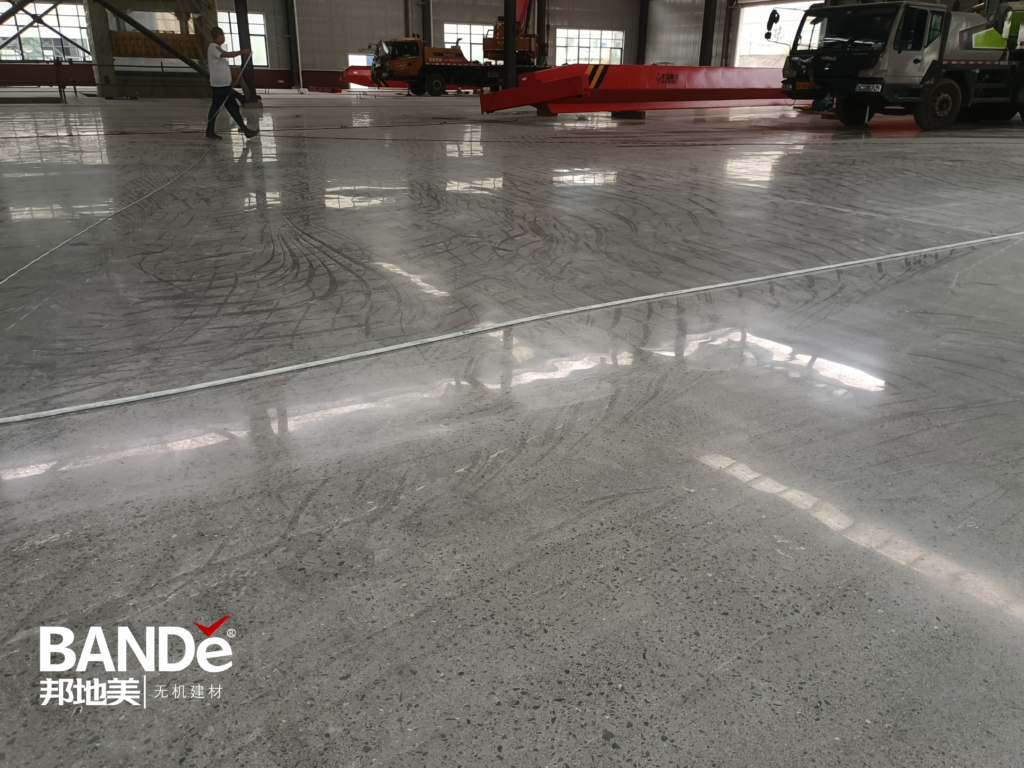
A floor hardener transforms ordinary concrete into a high-performance surface. This concrete floor hardener significantly increases concrete durability and wear resistance. An industrial floor hardener improves the concrete surface, enhancing its aesthetics and longevity. We discuss two main types: dry shake hardener and liquid hardener. This liquid application ensures superior concrete performance.
Key Takeaways
Floor hardeners make concrete floors much stronger. They protect floors from wear and damage.
There are two main types: dry shake and liquid. Dry shake goes on new concrete. Liquid hardener works on both new and old concrete.
Hardened floors last longer and need less cleaning. They are good for many places, like factories and stores.
Understanding Floor Hardener Types and How They Work
What is a Floor Hardener?
A floor hardener is not a coating that sits on top of the concrete. Instead, it is a material applied to the concrete surface to make it stronger and more durable. This concrete floor hardener works by penetrating or bonding with the concrete. It creates a denser, harder surface. This process improves the concrete’s resistance to wear, impact, and chemicals. A good hardener extends the floor’s lifespan, making it perfect for high-traffic areas.
Dry Shake Hardener: Composition and Application
Dry shake hardeners are special powders. Workers broadcast these powders onto fresh concrete. This application method creates a highly abrasion-resistant surface. It bonds monolithically with the base concrete. For proper application, workers first level the freshly poured concrete. They smooth the concrete, often with a mechanical trowel. Then, they wait for the concrete to stiffen slightly. They apply the dry shake hardener in two stages. First, they broadcast about half to two-thirds of the material. After it moistens, they use a float. They immediately follow with the second application. This method ensures maximum surface strength.
Liquid Hardener: The Chemical Hardening Process
Liquid hardeners work differently. They are not just a surface layer. A liquid floor hardener penetrates the concrete. Its specially formulated chemicals act as a catalyst. This catalyst starts a reaction between un-hydrated cement particles and water within the concrete. This reaction forms millions of crystals. These new crystals are longer and thicker than natural ones. They fill the pores and capillaries of the concrete. This creates an integral waterproof barrier. The crystallization process continues as long as water and cement particles are available.
The Science of Concrete Hardening: Penetration and Reaction
The science behind concrete hardening involves deep penetration and chemical reactions. When a liquid hardener, like a metallic silicate, absorbs into the concrete surface, it reacts with free lime and cement mortar. This reaction creates a hard, synthetic quartz-like material. This process forms a wear-resistant layer. It results in an abrasion-resistant and dust-free finish. It also increases the surface’s density and durability. BANDě’s unique active lithium-based formula creates hard calcium silicate crystals within the concrete. This significantly increases the concrete’s strength and overall hardness.
Applying Concrete Floor Hardener: A Step-by-Step Guide
Applying a concrete floor hardener correctly ensures a durable and beautiful floor. Both dry shake and liquid hardeners require specific steps for the best results. Following these guidelines helps achieve a high-performance concrete surface.
Essential Surface Preparation for Hardener Application
Proper preparation is crucial before applying any hardener. The concrete surface must be clean and sound. Workers thoroughly clean the surface. They remove all loose particles, dirt, dust, and laitance. It is also important to get rid of mold release agents, curing compounds, oils, grease, and any existing floor hardeners or waterproofing materials.
Tip: A clean surface allows the hardener to bond or penetrate effectively, ensuring maximum performance.
Mechanical methods are often used for cleaning. These include wire brushing, scraping, scabbing, or grit blasting. These methods remove laitance, dirt, and dust. After mechanical cleaning, workers clean dust using pressurized air or by washing with water. If oil or grease is present, they degrease it with solvents like turpentine or thinners. Visible mold growth needs removal and treatment with fungicidal solutions. For new concrete, ensure it is completely cured before starting the application. This thorough preparation sets the stage for a successful hardener application.
Dry Shake Hardener Application: Timing and Technique
Applying dry shake hardener requires precise timing. Workers broadcast this powder material onto fresh concrete. The concrete must be firm enough to support a person’s weight but still wet. This usually happens after the initial bleed water has evaporated.
Here are the steps:
Initial Broadcast: Workers evenly spread about two-thirds of the dry shake hardener over the concrete surface.
Waiting Period: They wait for the material to absorb moisture from the concrete. The powder will darken as it gets wet.
First Troweling: Once wet, workers use a bull float or power float to work the hardener into the concrete. This creates a uniform paste.
Second Broadcast: They then broadcast the remaining one-third of the dry shake hardener.
Final Troweling: After this second application wets out, workers perform final troweling. This creates a smooth, dense, and durable floor. This technique ensures the dry shake hardener becomes an integral part of the concrete.
Liquid Hardener Application: Spray, Spread, and Penetrate
Applying liquid hardener involves spraying and spreading to ensure deep penetration into the concrete. This method works well for both new and old concrete. For optimal penetration, the concrete surface should be clean and sound. Workers remove all dust, laitance, grease, oil, dirt, curing agents, impregnations, wax, coatings, and disintegrated material.
Grinding the concrete to open its pores is crucial for optimal penetration of the liquid hardener. Workers apply the liquid hardener evenly using a pump-up sprayer or a high-volume, low-pressure sprayer (HVLP). They immediately broom out any puddles after application to ensure even coverage. The liquid hardener should remain on the surface for 20-30 minutes. It is important to keep the surface uniformly wet during this time by adding more material if needed. After the material has completely penetrated, workers continue grinding and polishing. This achieves the intended final surface profile and desired finish. For best results, they use an auto scrubber and water to remove residual slurry between abrasive disc grits. This careful application ensures the liquid hardener reacts deeply within the concrete, creating a much harder floor.
Post-Application Care: Troweling, Curing, and Buffing
After applying the hardener, proper post-application care is essential for the best results. For dry shake applications, final troweling is critical. Workers use power trowels to achieve a smooth, dense, and often mirror-like finish. This process compacts the surface, enhancing its durability and reflectivity. BANDě’s products, for example, can achieve over 85% reflectivity.
Curing is the next important step. Proper curing helps the concrete gain maximum strength and hardness. Workers can use curing compounds or wet curing methods. This prevents rapid moisture loss from the concrete. Finally, buffing can further enhance the shine and smoothness of the floor. Buffing helps achieve that desired mirror-like finish, making the concrete floor not only strong but also aesthetically pleasing. This comprehensive approach ensures a long-lasting and high-performance floor.
Benefits of Hardened Concrete Floors
Hardened concrete floors offer many advantages. They transform ordinary concrete into a high-performance surface. These benefits make them ideal for various settings, from industrial facilities to commercial spaces.
Enhanced Durability and Wear Resistance
A hardened concrete floor provides exceptional durability. It significantly increases compressive strength, often by up to 40%. Products like BANDě achieve a Mohs hardness of 6+, making the surface incredibly tough. This enhanced durability means the floor resists wear, impact, and abrasion much better. It stands up to heavy machinery and frequent foot traffic, making it perfect for industrial environments and high traffic areas like warehouses. These robust flooring solutions ensure a long-lasting concrete surface.
Superior Stain and Chemical Resistance
Hardened concrete floors also offer superior stain and chemical resistance. The hardener seals the concrete’s pores. This creates a dense surface that resists penetration from water, oil, acids, and alkalis. Such floors achieve high anti-seepage grades, like P12. This chemical resistance protects the concrete from spills and corrosive substances, which is crucial in industrial settings.
Low Maintenance and Long-Term Value
Choosing a concrete floor hardener provides excellent long-term value. These floors require no waxing and actually get brighter with use. Their dense surface resists dirt and grime, making cleaning easy. This low maintenance reduces operational costs over the floor’s lifespan. The enhanced durability also means fewer repairs, saving money and time.
Eco-Friendly and Safe for Various Environments
Many floor hardener products are eco-friendly. They contain zero formaldehyde and often qualify for green building certification. This makes them a safe choice for various environments, including food processing plants and healthcare facilities. They contribute to healthier indoor air quality.
Revitalizing Old Concrete: A Cost-Effective Solution
Hardened concrete floors are an excellent solution for renovating old, dusty, or uneven concrete surfaces. This process acts as an “old floor renovation artifact,” saving significant demolition costs. It improves chemical and abrasion resistance. The hardener does not peel, scratch, or delaminate, increasing surface density and durability. This solution extends the life of concrete floors by reducing damage from daily use. It also improves the aesthetic appearance of the floor, giving it a smoother surface and a shiny look with added polish. Ultimately, it reduces long-term maintenance costs by lessening the need for repairs and maintenance.
Floor hardeners create durable, low-maintenance, and attractive concrete surfaces. A concrete floor hardener significantly boosts concrete durability. Proper application of dry shake hardener and liquid hardener is crucial for any concrete. Investing in industrial floor hardener offers long-term value for industrial spaces. This industrial hardener transforms concrete floor longevity and performance. Industrial floor hardeners enhance concrete resistance. Liquid hardener is key for many industrial concrete projects. This liquid hardener ensures a strong concrete finish. Another liquid hardener application, or dry shake hardener, can further improve the concrete.
FAQ
What is the main difference between dry shake and liquid hardeners?
Dry shake hardeners go on fresh concrete. Liquid hardeners penetrate existing concrete. Both make the concrete stronger. A liquid hardener offers deep penetration for the concrete. This liquid application is versatile.
Can I use a liquid hardener on old, dusty concrete?
Yes, a liquid hardener is excellent for old concrete. It revitalizes dusty surfaces. This makes the concrete durable again. The liquid hardener improves the concrete. This liquid treatment works well.
How long does a hardened concrete floor last?
A hardened concrete floor lasts many years. It offers enhanced durability. Proper application ensures a long-lasting, strong concrete surface. The liquid hardener provides lasting protection for the concrete. 💪
See Also
Liquid Concrete Solutions: Hardener, Sealer, and Densifier for Durable Floors
2025 Guide: Maximize Concrete Life with Effective Floor Hardener Application
Understanding Concrete Floor Hardeners: Their Purpose and Functional Mechanism
Philippines’ Top Floor Hardener Solutions for Optimal Warehouse Performance
Smart Choices: Pros and Cons of Floor Hardening for All Floor Types
