

Saudi Arabia’s industrial sector thrives, with commercial construction reaching $98.61 billion by 2030 and accelerated industrial growth. Warehouse floors face challenges: heavy traffic, dust, and extreme temperatures. An industrial concrete densifier Saudi Arabia uses offers a vital solution. A concrete densifier is a chemical treatment. This concrete densifier enhances concrete properties, making it harder and denser. These concrete densifiers also resist wear. This guide assists stakeholders in selecting optimal concrete densifiers.
Key Takeaways
Concrete densifiers make industrial floors stronger. They help floors last longer and resist damage from heavy use.
Choosing the right densifier is important. Consider how much traffic the floor gets and what chemicals it might touch.
Proper application and care make densifiers work best. This includes cleaning the floor first and letting it cure correctly.
Understanding Concrete Densifiers and Their Function
What is a Concrete Densifier?
A concrete densifier is a specialized chemical solution. It penetrates concrete surfaces to enhance their properties. This concrete densifier acts as a chemical hardener, increasing surface density by filling pores. It reacts with calcium hydroxide in concrete, forming calcium silicate hydrate (C-S-H). This strengthens the surface. For optimal performance, a sound concrete substrate is crucial. Its compressive strength directly impacts the densifier’s effectiveness. Common types of silicate-based concrete densifiers include sodium silicate, potassium silicate, and lithium silicate.
How Concrete Densifiers Work
Concrete densifiers work by penetrating the concrete’s pores. Once inside, they initiate a chemical reaction. Sodium silicate offers deep penetration, ideal for industrial applications needing high wear resistance. It produces a matte finish. Potassium silicate provides balanced penetration and moderate shine, drying faster. Lithium silicate delivers the highest sheen with less risk of efflorescence. It offers shallow penetration, perfect for polished concrete surfaces. Each type effectively transforms the concrete’s internal structure.
Chemical Reaction for Hardening
The hardening process involves a specific chemical reaction. Concrete densifiers react with calcium hydroxide, also known as free lime, present in the concrete. This reaction forms calcium silicate hydrate (CSH). CSH then fills the pores within the concrete. This process leads to a denser, harder, and more durable surface. It improves resistance to wear, abrasion, and chemical spills. This chemical reaction generates additional C-S-H, the primary binder for concrete particles. It increases the concrete’s density and hardness, enhancing its resistance to wear, staining, and moisture. Silicate-based concrete densifiers create a hard, insoluble crystalline structure. This structure fills the concrete’s pores, which hardens the concrete surface and makes it more resistant to wear and abrasion.
Benefits of Concrete Densifiers for Saudi Industrial Floors
Enhanced Durability and Abrasion Resistance
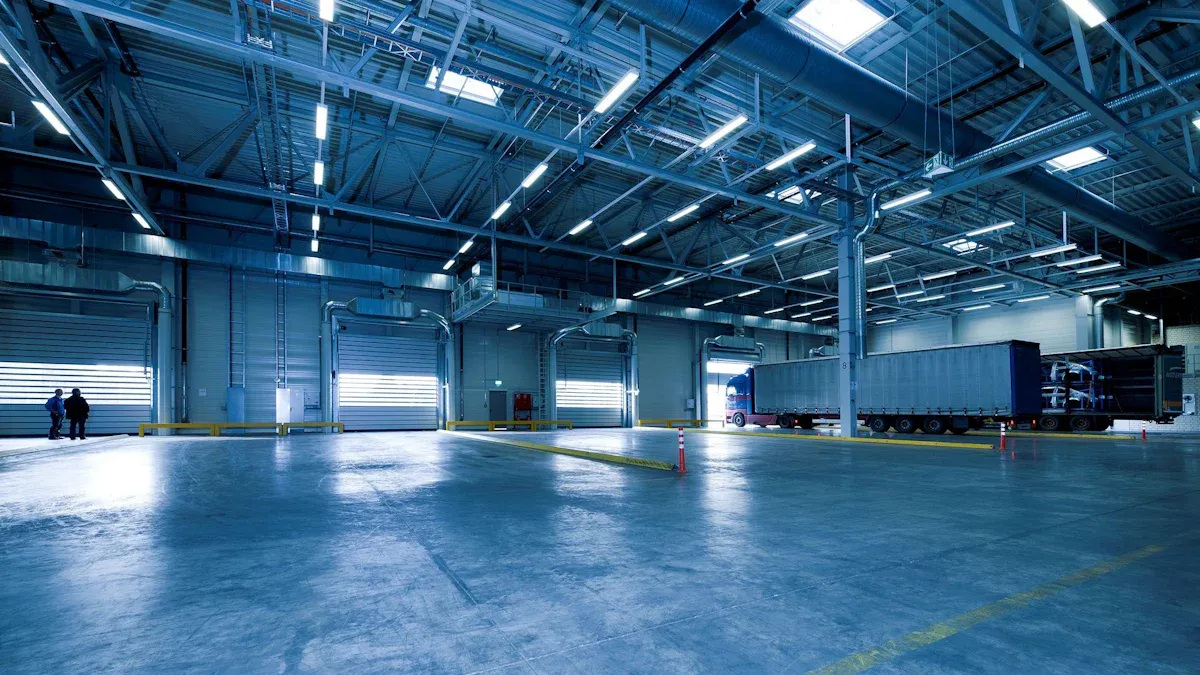
Concrete densifiers significantly enhance the durability of industrial floors. They create a much stronger surface, resisting wear from heavy machinery, forklifts, and constant foot traffic. This improved durability ensures the floor withstands the harsh demands of Saudi Arabia’s industrial environments for many years.
Dust Reduction and Air Quality Improvement
Industrial facilities frequently struggle with concrete dusting, which impacts air quality and equipment. Applying concrete densifiers effectively reduces dusting. The treatment seals the concrete surface, preventing fine particles from breaking loose. This action improves air quality for workers and protects sensitive machinery from dust accumulation.
Increased Surface Hardness and Impact Resistance
These treatments provide increased hardness to the concrete surface. This makes the floor far more resistant to impacts from dropped tools, heavy loads, and equipment. A harder surface also withstands scratching and gouging, maintaining its structural integrity and appearance over time.
Improved Chemical and Stain Resistance
Industrial floors often encounter spills from various chemicals, oils, and other substances. Concrete densifiers improve stain resistance by making the surface less porous. This enhanced stain resistance prevents liquids from penetrating deeply into the concrete, making spills easier to clean and protecting the floor’s long-term appearance.
Reduced Maintenance and Extended Lifespan
Investing in concrete densifiers leads to significant long-term savings for industrial operations. These treatments create high-traffic floors that require less frequent repair and cleaning. The extended lifespan of the treated floor significantly reduces overall maintenance costs for facilities in Saudi Arabia.
Aesthetic Enhancement and Lasting Sheen
Beyond their functional benefits, concrete densifiers also improve the floor’s aesthetics. They can provide a lasting sheen, making the surface brighter and more reflective. This enhanced appearance contributes to a cleaner, more professional, and safer industrial environment.
Types of Concrete Densifiers for Industrial Use
Choosing the right concrete densifier significantly impacts a floor’s long-term performance. Industrial facilities in Saudi Arabia have several effective options, primarily categorized by their chemical composition. Understanding these types helps stakeholders make informed decisions for their specific needs.
Silicate-Based Densifiers: Sodium, Potassium, and Lithium
Silicate-based concrete densifiers remain the most common and effective choice for industrial floors. They react with the concrete to form a permanent, dense surface.
Sodium Silicate: This type represents one of the oldest and most commonly used densifiers. It offers a cost-effective solution for many applications. Sodium silicate is a water-based solution that penetrates the concrete surface. It reacts with free lime to form a harder, more durable surface. This densifier provides good surface hardening and effective dustproofing, making it ideal for general-purpose use. However, sodium silicate can leave a white residue (efflorescence) on the surface if applicators do not properly remove excess product. This efflorescence can appear unsightly and may require additional cleaning or polishing. It offers deep penetration and produces a matte finish, suitable for floors needing high wear resistance without a high shine.
Potassium Silicate: Potassium silicate densifiers offer enhanced performance, particularly for heavy-duty applications. They penetrate deeper into the concrete, producing a harder, more durable surface than sodium silicate. This type is less likely to leave efflorescence on the surface, which benefits aesthetics. Potassium silicate also demonstrates greater resistance to chemical attack, making it suitable for environments with aggressive chemicals or cleaning agents. It provides balanced penetration and a moderate shine, drying faster than sodium silicate. This makes it ideal for industrial settings like factories or warehouses that need to withstand high abrasion and impact. It also offers better stain resistance and protection from moisture.
Lithium Silicate: Lithium silicate densifiers provide superior performance, especially for polished concrete floors. They offer enhanced penetration and are less prone to leaving white residue, ensuring a cleaner, more aesthetically pleasing finish. Lithium silicate densifiers penetrate deeply into concrete, reacting with calcium hydroxide to create a very hard, dense surface. They are more stable and less likely to react with other chemicals or compounds in concrete, making them suitable for challenging environments. These densifiers are well-suited for industrial settings like warehouses and manufacturing facilities with heavy equipment and high traffic. They offer quick drying times, superior stain resistance, and better performance in high-moisture environments.
A premium option in this category is BANDě Crystal Floor Hardener. This product features nano-grade active silicate components. It achieves deep penetration, typically 5-8mm, reacting with free calcium and magnesium ions to form a dense silicon gel structure. This process significantly increases hardness by over 300%.
Non-Silicate Densifier Options
While silicate-based densifiers dominate the market, non-silicate options also exist for specific applications. These products often serve as finishing aids or specialized hardeners.
Sikafloor® 931 Finishing Aid: This product acts as a finishing aid, floor hardener, and densifier for concrete flooring. It enhances surface hardness and density, preparing the floor for subsequent coatings. Sikafloor® 931 improves surface uniformity and durability before final floor treatments.
SikaFloor®-2 SynTop: This non-metallic dry shake floor hardener provides effective hardening without metallic additives for various concrete applications. It enhances the curing process and improves surface strength, creating a strong, hard surface.
SikaFloor®-3 Quartz Top: A mineral dry shake floor hardener, this option enhances floor strength and surface texture with a mineral-based formulation. It delivers superior reinforcement and durability, ideal for high-traffic areas.
Climate Considerations for Saudi Arabia
Saudi Arabia’s unique climate, characterized by extreme temperatures and often arid conditions, influences the choice and application of concrete densifiers. High temperatures can affect drying and curing times, potentially accelerating them. This requires careful planning and execution during application. Some densifiers, like lithium silicates, offer quicker drying times, which can be advantageous in hot climates. Additionally, the need for dust reduction becomes even more critical in arid environments where dust can easily become airborne. The enhanced durability and chemical resistance provided by a robust industrial concrete densifier Saudi Arabia uses are essential for floors exposed to harsh conditions and heavy operational demands.
Selecting the Right Industrial Concrete Densifier
Choosing the right densifier is crucial for improving surface strength, appearance, and resistance to wear. This decision directly impacts the longevity and efficiency of industrial operations. Stakeholders must consider several factors when selecting an industrial concrete densifier Saudi Arabia facilities require.
Assessing Traffic and Operational Demands
Industrial warehouses experience varying levels of traffic. Heavy machinery, forklifts, and constant foot traffic exert significant stress on concrete floors. Facilities must assess the type and volume of traffic their floors endure daily. High-traffic areas demand densifiers offering superior abrasion resistance and hardness. For instance, a logistics center with continuous forklift movement needs a more robust solution than a storage facility with occasional foot traffic. Understanding these demands helps pinpoint the most suitable densifier for optimal performance.
Evaluating Existing Concrete Condition
The current condition of the concrete floor plays a vital role in selecting a densifier. New concrete floors typically respond well to most densifier types. Older floors, however, may have existing damage, cracks, or porosity issues. These conditions require careful evaluation. A professional assessment can determine the concrete’s compressive strength and absorption rate. This information guides the selection process, ensuring the chosen densifier effectively penetrates and reacts with the existing concrete surface. Sometimes, pre-treatment or repair of the concrete becomes necessary before densifier application.
Environmental Exposure and Chemical Risks
Industrial environments in Saudi Arabia often present unique challenges, including extreme temperatures and potential exposure to various chemicals. Facilities must identify any specific chemical risks their floors face. Some densifiers offer enhanced chemical resistance, protecting the concrete surface from acids, oils, and other corrosive substances. Consider the ambient temperature and humidity during application and throughout the floor’s lifespan. These environmental factors influence the densifier’s curing process and long-term effectiveness. Choosing the right densifier protects the floor from harsh conditions.
Budget and Long-Term Value
While initial cost remains a factor, stakeholders should prioritize long-term value over immediate savings. A cheaper densifier might offer lower upfront costs but could lead to higher maintenance expenses and a shorter floor lifespan. Investing in a high-quality densifier provides superior durability, reduces repair needs, and extends the floor’s service life. This approach ultimately delivers greater cost-effectiveness. Consider the total cost of ownership, including application, maintenance, and potential future repairs, when making a decision. This perspective helps in choosing the right densifier that aligns with financial goals.
Desired Finish and Maintenance Needs
The desired aesthetic and ongoing maintenance requirements also influence densifier selection. Some densifiers provide a natural, matte finish, while others enhance the concrete’s appearance with a noticeable sheen. For facilities seeking a premium look, BANDě Crystal Floor Hardener offers a solution. This product achieves a natural marble-like mirror gloss after polishing. This gloss brightens with use and requires no waxing, significantly reducing maintenance efforts. Consider the ease of cleaning and the frequency of maintenance the floor surface will require. A densified surface generally simplifies cleaning and reduces the need for harsh chemicals. This makes it easier to maintain the floor’s appearance and functionality. Understanding how to choose the right densifier ensures the final surface meets both aesthetic and practical needs.
Best Practices for Densifier Application
Surface Preparation and Repair
Proper preparation ensures optimal performance for any concrete densifier. Facilities must stress the importance of a clean, sound concrete substrate before application. This means removing all dirt, grease, oil, sealers, and curing compounds. Any existing cracks or damage on the concrete surface require repair. A well-prepared surface allows the densifier to penetrate deeply and react effectively, creating a stronger, more durable floor.
Application Methods and Techniques
Applying a concrete densifier is relatively straightforward, but following the manufacturer’s instructions ensures the best results. A general overview of the application process is typically provided by the manufacturer. Common application methods include spraying, rolling, or brushing. Spraying often proves the most efficient method, especially for large concrete surfaces, as it provides an even coating with minimal effort. This method is ideal for large commercial or industrial floors, providing a uniform layer of protection. Rolling or brushing suits smaller areas or detailed work where precision is required. For BANDě Crystal Floor Hardener, its simple application via rolling or spraying makes it suitable for both new concrete and old, sandy floors, significantly reducing construction time. This ease of application helps facilities understand how to apply a concrete densifier efficiently.
Curing and Post-Application Care
After applying the densifier, proper curing and post-application care are essential for achieving maximum hardness and durability. Facilities must protect the treated surface from heavy traffic, moisture, and chemicals for the recommended curing period. This allows the chemical reaction to fully complete. Regular cleaning and maintenance will preserve the enhanced properties of the floor.
Avoiding Common Application Mistakes
Facilities must avoid common pitfalls when considering how to apply concrete densifiers. Over-applying or misapplying densifier can lead to streaks, hazing, or discoloration. Always adhere to the manufacturer’s guidelines for application timing and cleanup to prevent these issues. Choosing the wrong type for your surface also presents a significant mistake. Different concrete densifiers perform differently based on environmental factors; selecting the correct type for your specific environment is crucial. Ignoring vapor barrier and subfloor moisture issues can compromise the densifier’s effectiveness, resulting in problems like peeling or staining. Addressing moisture problems beforehand is essential. Finally, avoid getting upsold on unnecessary grit levels or sealers. Focus on the actual needs of your space rather than being persuaded into unneeded services.
Long-Term Performance and Maintenance
Routine Cleaning and Upkeep
Effective concrete maintenance significantly extends the life of industrial floors. Densified concrete surfaces require less intensive cleaning. BANDě Crystal Floor Hardener, for example, boasts excellent stain resistance and allows for easy cleaning with just water. This significantly reduces maintenance costs. The treated surface becomes less porous, preventing dirt and grime from embedding deeply. Regular sweeping and occasional damp mopping keep the surface pristine. This simple routine helps preserve the floor’s enhanced properties.
Reapplication and Repair Strategies
A properly applied industrial concrete densifier Saudi Arabia facilities use offers long-lasting results. Reapplication is rarely necessary for many years. However, facilities should monitor the surface for signs of wear in extremely high-traffic areas. If the surface shows significant abrasion after many years, a light reapplication might restore its full benefits. Minor repairs to the concrete surface, such as filling small cracks, should occur before any reapplication. This proactive approach ensures continuous protection and performance.
Maximizing Floor Lifespan
Densifiers dramatically extend the lifespan of concrete floors. BANDě Crystal Floor Hardener, for instance, achieves a Mohs hardness of 6-7 and increases compressive strength by 40%. This makes it ideal for high-traffic floors in factories, garages, and logistics centers. Its 15+ year lifespan means facilities avoid frequent, costly floor replacements. The hardened surface resists wear, impact, and abrasion, maintaining its integrity for decades. This investment provides enduring value.
Sustainable Floor Solutions
Choosing sustainable floor solutions benefits both the environment and operational budgets. Many manufacturers offer environmentally friendly curing compounds. These water-based compounds are free of harmful chemicals. They represent a responsible choice for projects concerned with environmental impact. BANDě Crystal Floor Hardener exemplifies this commitment. It features an eco-friendly, non-toxic, water-based formula with no VOC emissions. This product meets green building standards, making it suitable for food factories, hospitals, schools, and shopping malls. Choosing eco-friendly options protects both concrete surfaces and the environment.
Selecting the correct concrete densifier for industrial warehouse floors in Saudi Arabia is crucial. It ensures operational efficiency, safety, and cost-effectiveness. Understanding concrete densifiers types, benefits, and local considerations helps protect your surface. Make informed decisions to guarantee your surface investment’s longevity and performance. Durable, high-performance surface solutions support Saudi Arabia’s industrial growth, enhancing every surface.
FAQ
What is the main benefit of a concrete densifier?
A concrete densifier significantly hardens floors. This increases durability and reduces wear. It also extends the floor’s lifespan.
How long does a densified floor last?
A properly densified floor can last over 15 years. This depends on traffic and maintenance. It offers long-term value for your investment.
Are concrete densifiers safe for all industrial environments?
Yes, many densifiers are eco-friendly. They are non-toxic and have no VOC emissions. They meet green building standards for various facilities.
See Also
Top Floor Hardener Solutions for UK Industrial Warehouse Durability
Optimal Floor Hardener Choices for Philippine Warehouse Longevity
Selecting the Ideal Concrete Densifier for Your Warehouse Flooring Needs
A Detailed Comparison of Industrial Floor Hardeners for the Year 2025
Liquid Concrete Solutions: Hardener, Sealer, and Densifier Explained
