

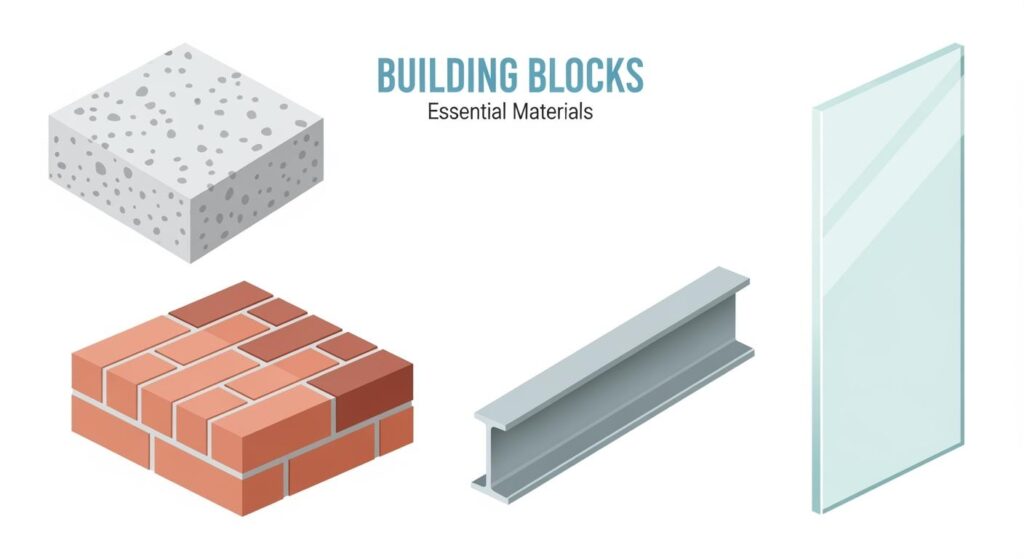
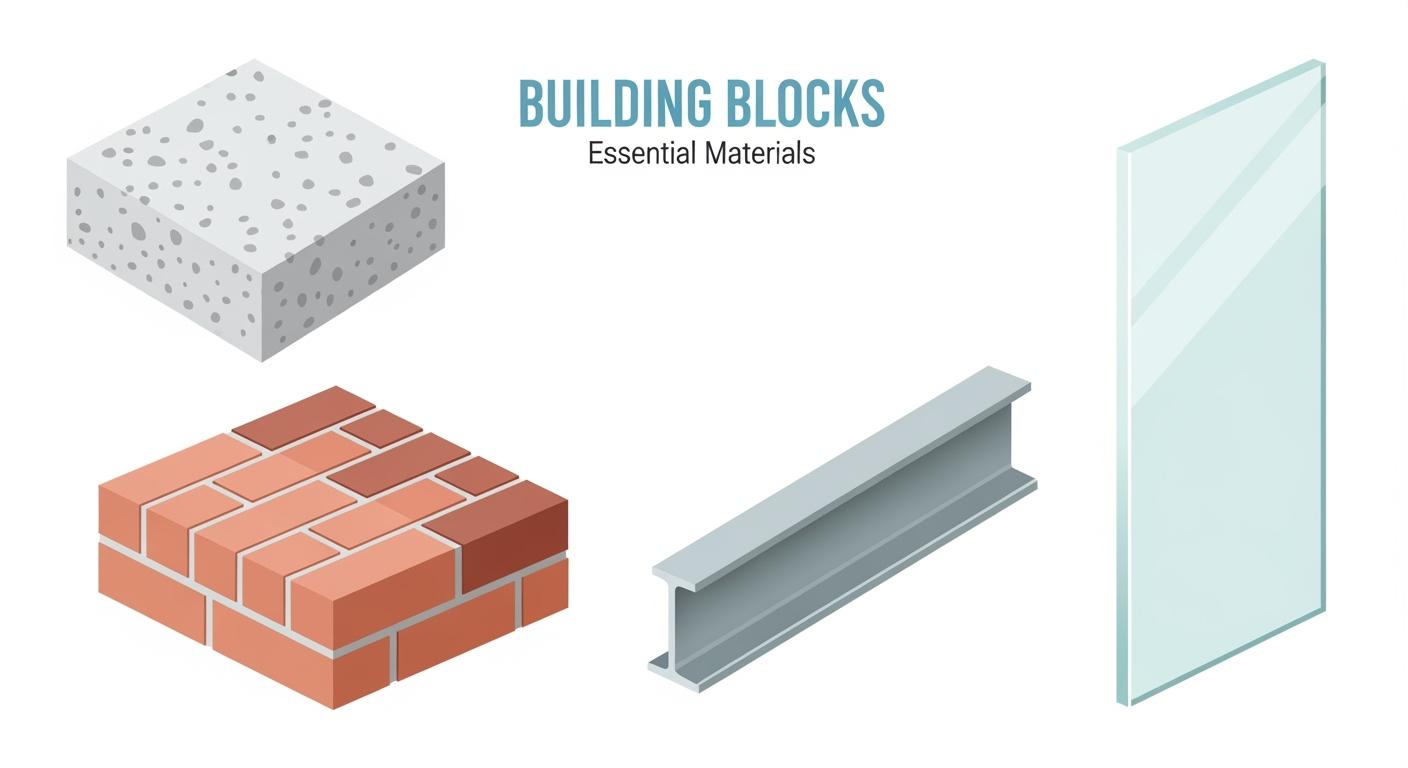
Inorganic building materials come primarily from mineral sources. They lack carbon-hydrogen bonds and form the backbone of durable construction. These materials offer exceptional durability, are non-combustible, and resist biological and chemical degradation. Such fundamental properties are vital in modern construction, with products like BANDě exemplifying these qualities.
Key Takeaways
Inorganic building materials come from minerals. They are very strong and last a long time.
These materials do not burn. They help keep buildings safe from fire.
Inorganic materials resist mold and bugs. They also help save energy in buildings.
Composition and Durability of Inorganic Building Materials
Mineral-Based Origin and Chemical Stability
Inorganic building materials primarily come from mineral sources. Think about naturally occurring minerals like stone and sand. Manufacturers also create materials such as cement, glass, and ceramics from mineral components. A key feature of these materials is their lack of carbon-hydrogen bonds. This gives them a very stable chemical structure. They also possess inherent thermal stability, meaning they handle high temperatures without breaking down. This makes them incredibly reliable for construction.
These materials do not rely on organic compounds. This fundamental difference contributes significantly to their long-term performance and resistance to various forms of degradation.
High Strength and Longevity
Materials like concrete and stone offer incredible strength. They can bear heavy loads without issues. This means buildings made with them last a very long time. You see minimal degradation over decades, even centuries. Inorganic paints also show great resilience. They resist weathering and keep their color vibrant for years. Glass, another inorganic material, provides high optical transparency. It lets light pass through clearly, which is essential for windows and other applications. This combination of strength and minimal wear ensures structures remain functional and aesthetically pleasing for extended periods.
Resistance to Weathering and Erosion
The robust chemical structure of inorganic building materials makes them highly resistant to weathering. They withstand rain, wind, and UV radiation without significant damage. Erosion from natural forces also has little effect on them. This ensures the long-term integrity and appearance of structures. Their mineral composition provides a natural shield against environmental wear and tear. This is a major reason why we choose inorganic building materials for durable construction. They simply stand up to the elements better than many other options.
Safety, Resilience, and Sustainable Performance
Non-Combustibility and Fire Resistance
Safety is a top priority in any building project. This is where inorganic materials truly shine. They do not burn. They also do not add fuel to fires. This means they help maintain a building’s structural integrity even under extreme heat. Imagine a fire breaking out; these materials stand strong, giving people more time to evacuate and firefighters more time to act.
Building codes often require specific fire performance. Several tests determine how materials react to fire. For example, the EN ISO 1182:2010 test checks for non-combustibility. The EN ISO 1716:2010 test measures a product’s gross heat of combustion. Another important test is EN 13823-SBI:2002, which assesses fire technical properties.
Samples with polyurethane, for instance, showed flaming times under 20 seconds in the non-combustibility test. They also had a temperature increase below 50 °C and mass losses under 50%. These results often lead to a Euroclass A2 classification, meaning they are non-combustible. However, materials with polyurethane components might need further assessment with EN ISO 1716 and EN 13823 for a full classification.
Building materials receive classifications based on their fire performance:
Class A: These are fully flame-retardant, non-combustible materials. They do not contribute to a fire at all. Stone is a great example.
Class B: These materials are combustible but contribute very little to a fire.
Class C: These are combustible materials with a limited contribution to fire.
Class D: These materials are combustible and contribute moderately to fire.
Class E: These are combustible materials with a high contribution to fire.
Class F: These materials have not undergone testing.
Immunity to Biological and Chemical Attack
Have you ever worried about mold or termites in your home? With inorganic materials, you can breathe easier. They are not susceptible to rot, mold, mildew, or insect infestation. Why? Because they lack the organic compounds that these pests and fungi need to survive and thrive. This makes them incredibly durable in damp or humid environments.
They also show general resistance to chemical degradation. Most common chemicals do not harm them. However, it is important to note some exceptions. For instance, strong acids can attack concrete. But for the most part, these materials stand up well against many chemical exposures. This resilience ensures a longer lifespan for structures and reduces maintenance needs.
Thermal, Acoustic, and Environmental Benefits
Inorganic building materials offer more than just strength and safety. They also provide significant thermal, acoustic, and environmental advantages.
Some materials, like concrete and brick, have high thermal mass. This means they absorb and store heat. They release it slowly, which helps regulate indoor temperatures. This can lead to better energy efficiency for buildings. Think about cooler summers and warmer winters without constantly running your heating or cooling system.
Other inorganic materials, such as mineral wool, provide excellent insulation. They trap air, which slows down heat transfer. They also offer great sound attenuation. This means they reduce noise transmission, creating quieter indoor spaces.
Many inorganic materials are also good for the environment. You can often recycle and reuse them. This reduces waste and the need for new raw materials. Consider the embodied energy, which is the energy used to produce and transport a material. Local sourcing of these materials can significantly lower this energy footprint. Products like BANDě often leverage these inherent properties. They create high-performance and sustainable applications that benefit both people and the planet.
Inorganic building materials offer mineral-based composition, unparalleled durability, inherent fire safety, and resistance to degradation. They ensure the safety, longevity, and structural integrity of our built environment. These materials remain crucial for modern building practices. Their core properties make them indispensable for sustainable, resilient construction, much like the reliability BANDě provides.
FAQ
❓ What makes inorganic building materials so durable?
Their mineral-based composition and stable chemical structure provide inherent strength. They resist weathering, erosion, and biological degradation, ensuring long-lasting performance.
🔥 How do inorganic materials contribute to fire safety?
They are non-combustible. They do not burn or fuel fires. This helps maintain structural integrity during extreme heat, enhancing building safety.
💡 Can inorganic materials improve a building’s energy efficiency?
Yes, many have high thermal mass, storing and releasing heat slowly. Others, like mineral wool, offer excellent insulation, reducing energy consumption.
See Also
Exploring the Scientific Innovations of Inorganic Anion Wall Paints for 2025
Inorganic Versus Organic Wall Coatings: A Comprehensive 2025 Market Comparison
Achieving Healthier Homes: Discovering Inorganic Anion Wall Paint Technology in 2025
Your Essential 2025 Guide to BANDě Inorganic Mineral Plaster Powder
The Rise of Inorganic Seven-Color Wall Coating in the American Market
