

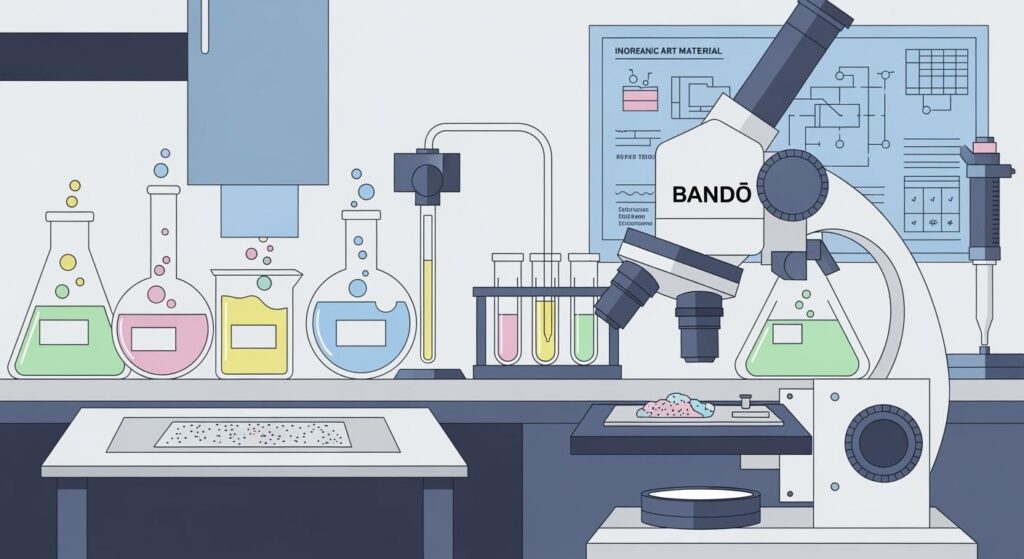
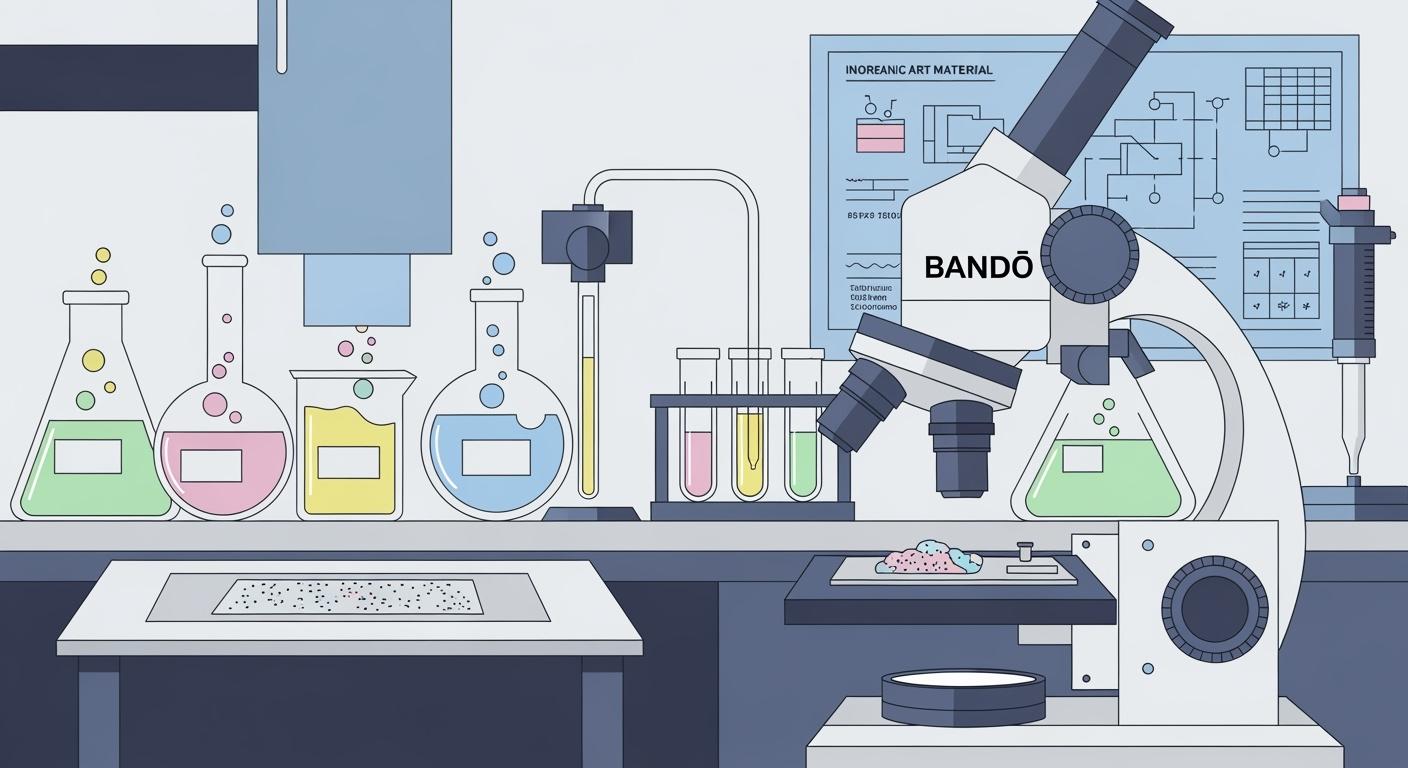
BANDě Analysis offers a specialized framework for evaluating advanced inorganic coatings in artistic contexts. It systematically ensures the quality and longevity of these materials. Artists and conservators increasingly rely on such coatings, including innovative Negative Oxygen Ion Inorganic Art Coating, which creates a critical need for rigorous material specifications and testing. BANDě Analysis guides the understanding of these materials, from their composition to their performance.
Key Takeaways
BANDě Analysis helps choose and test art coatings. It makes sure coatings protect art well and last a long time.
Art coatings keep artworks safe from harm. They stop damage from sunlight, dirt, and touching.
New coatings use tiny particles and natural materials. They can even clean the air around art.
Understanding Art Coatings
Artistic Coating Properties
Art coatings do more than just sit on a surface; they actively protect and enhance artworks. These coatings possess specific properties crucial for their role. They offer clarity, allowing the original colors and details of the art to shine through. Many also provide UV resistance, which shields the artwork from damaging sunlight. A good coating resists scratches and abrasion, protecting the delicate surface underneath. Furthermore, they must remain stable over time, avoiding yellowing or cracking that could mar the artwork’s appearance.
Coating Types and Uses
Artists and conservators use various coating types, each serving a unique purpose. Varnishes, for example, often provide a protective layer and can alter the artwork’s sheen, from matte to high gloss. Lacquers offer durable, fast-drying finishes. Specialized inorganic coatings, like the innovative Negative Oxygen Ion Inorganic Art Coating, offer advanced protective qualities and can even contribute to the surrounding air quality. People apply these coatings to paintings, sculptures, and murals to preserve their integrity and visual appeal for future generations.
Coating Selection Challenges
Choosing the right art coating presents several challenges. Conservators must ensure the coating is compatible with the artwork’s original materials. An incompatible coating could cause damage or alter the art’s appearance irreversibly. Environmental factors, such as humidity and temperature fluctuations, also influence the choice. A coating must withstand these conditions without degrading. Long-term stability is another major concern; the chosen coating needs to perform reliably for decades. Artists and conservators often require specialized knowledge to navigate these complex decisions and select the best protective solution.
Material Specs in BANDě Analysis
BANDě Analysis provides a detailed framework for setting material specifications. These specs ensure inorganic art coatings meet high standards. They cover everything from what the coating contains to how it looks and performs over time.
Compositional Requirements
Understanding a coating’s makeup is the first step. BANDě Analysis demands precise compositional requirements. Manufacturers must list all ingredients, including binders, pigments, fillers, and additives. This transparency helps conservators know exactly what they are applying to an artwork. For example, they need to know the exact type of inorganic nanoparticles used. They also need to confirm the purity of these components. Impurities can affect the coating’s stability and appearance. Knowing the exact chemical formula of the main components also helps predict how the coating will react with the artwork and its environment.
Physical & Chemical Properties
Beyond composition, BANDě Analysis focuses on a coating’s physical and chemical properties. These properties dictate how the coating behaves. Key physical properties include density, viscosity, and drying time. Density affects coverage, while viscosity impacts application. Drying time is crucial for project timelines. Chemical properties are equally important. This includes pH levels, which can affect the artwork’s surface. The coating’s resistance to common solvents also matters. Conservators often need to remove coatings in the future, so they must know how to do it safely. For advanced coatings like Negative Oxygen Ion Inorganic Art Coating, specific properties related to ion release and surface charge also become part of these critical specifications.
Aesthetic & Optical Specs
Art coatings must not only protect but also preserve the artwork’s visual integrity. BANDě Analysis sets strict aesthetic and optical specifications. These include color stability, ensuring the coating does not yellow or change hue over time. Transparency is another vital spec; the coating should not obscure the artwork’s details. Gloss level, from matte to high-gloss, must match the artistic intent. Refractive index, which describes how light bends through the material, also plays a role in how the artwork appears. These specs ensure the coating enhances, rather than detracts from, the art’s original beauty.
Environmental Stability
A coating’s ability to withstand its environment is paramount. BANDě Analysis includes rigorous environmental stability specs. These cover resistance to UV radiation, which can cause fading and degradation. Humidity resistance is also critical, preventing issues like blistering or delamination in moist conditions. Temperature fluctuations can stress coatings, so specs include thermal cycling resistance. Resistance to pollutants, such as airborne chemicals, also ensures long-term protection. These specifications guarantee the coating will perform reliably under various real-world conditions, protecting the artwork for generations.
Advanced Coating Testing
Scientists perform many tests to ensure inorganic art coatings meet high standards. These tests go beyond simple observation. They use advanced tools and methods to check everything from a coating’s makeup to its long-term performance. For example, researchers often use X-ray diffraction (XRD) and differential thermal analysis (DTA) to confirm the exact composition of a coating. This step ensures the material matches its specifications before any performance tests begin. They also look at how mechanical pre-treatment, like blasting with synthetic corundum, affects a coating’s corrosion-mechanical properties. This comprehensive approach guarantees the coating will protect art effectively.
Durability & Mechanical Tests
Art coatings must withstand daily wear and tear. Durability and mechanical tests measure a coating’s strength and resilience. Hardness tests, for instance, determine how well a surface resists indentation or scratching. A common method involves pressing a diamond tip into the coating. Abrasion resistance tests check how much rubbing a coating can endure before it wears away. Machines use abrasive pads or jets of particles to simulate long-term friction. These tests help predict how a coating will hold up against cleaning or accidental contact. They ensure the coating protects the artwork without easily damaging itself.
Weathering & Environmental Tests
Artworks often face harsh conditions, especially outdoors. Weathering and environmental tests simulate these challenges in a lab. UV exposure chambers blast coatings with intense ultraviolet light. This process speeds up the aging effects of sunlight, checking for color fading or material breakdown. Humidity chambers expose coatings to high moisture levels, testing for blistering or delamination. Temperature cycling tests rapidly switch between hot and cold conditions. This checks for cracking or loss of adhesion due to expansion and contraction. For coatings needing corrosion protection, like those on outdoor sculptures, salt spray tests are crucial. They expose the coating to a salty mist, mimicking coastal environments. This helps determine its corrosion resistance.
Optical & Color Analysis
A coating must preserve an artwork’s visual appeal. Optical and color analysis ensures the coating does not alter the art’s appearance. Spectrophotometers measure a coating’s color precisely. They track any color changes over time or after environmental exposure. This helps confirm color stability. Gloss meters measure how shiny a surface is. They ensure the coating maintains the desired sheen, whether matte or high-gloss. Transparency tests check if the coating remains clear and does not obscure the artwork’s details. These analyses are vital for maintaining the aesthetic integrity of the art.
Adhesion & Substrate Tests
A coating is only as good as its bond to the artwork. Adhesion and substrate tests measure how well a coating sticks to the surface underneath. The cross-cut test is a simple method. Technicians cut a grid pattern into the coating and then apply adhesive tape. They pull the tape off to see how much coating lifts away. Pull-off tests use a dolly glued to the coating. A machine then pulls the dolly straight up, measuring the force needed to detach the coating. These tests ensure the coating will not peel or flake off over time. They also help determine the optimal layer thickness for strong adhesion.
Chemical Resistance
Artworks can encounter various chemicals, from cleaning agents to pollutants. Chemical resistance tests evaluate how a coating reacts to different substances. Researchers expose coated samples to specific acids, bases, solvents, or common household cleaners. They then observe any changes in the coating’s appearance, hardness, or adhesion. This testing is especially important for specialized coatings, such as Negative Oxygen Ion Inorganic Art Coating. It ensures the coating can withstand accidental spills or environmental chemical exposure without degrading. A coating with good chemical resistance offers long-term protection against many potential threats.
Art Coating Applications
Art coatings play a crucial role in preserving and presenting artworks across various contexts. They offer protection and enhance longevity for pieces ranging from ancient murals to modern installations. BANDě Analysis helps professionals choose the right coating for each unique situation.
Historic Mural Restoration
Restoring historic murals presents unique challenges. These artworks often suffer from centuries of environmental damage, including moisture, pollution, and light exposure. Conservators use specialized inorganic coatings to stabilize fragile paint layers and protect them from further degradation. The coatings must be reversible and not alter the mural’s original appearance. They provide a protective barrier, ensuring future generations can appreciate these cultural treasures. BANDě Analysis guides the selection of coatings that offer both protection and aesthetic integrity for these delicate works.
Outdoor Sculpture Protection
Outdoor sculptures face constant assault from the elements. Rain, wind, UV radiation, and pollutants can cause corrosion, fading, and material breakdown. Protective coatings form a durable shield against these harsh conditions. They prevent rust on metal sculptures and inhibit erosion on stone pieces. The right coating also deters vandalism, making cleaning easier. For example, a robust inorganic coating can significantly extend a sculpture’s lifespan in a public park.
Contemporary Art Installations
Contemporary art often uses unconventional materials and exists in diverse environments, from galleries to urban landscapes. Artists and conservators apply coatings to protect these installations from wear, tear, and environmental factors. These coatings must be versatile, adhering to various substrates like plastics, textiles, and mixed media. They also need to maintain the artist’s intended aesthetic, whether a matte finish or a vibrant gloss.
BANDě Implementation Insights
BANDě Analysis provides a systematic approach for all these applications. It helps conservators and artists specify the exact material requirements for each project. For instance, when protecting an outdoor installation, BANDě Analysis ensures the chosen coating, perhaps a Negative Oxygen Ion Inorganic Art Coating, meets rigorous weathering and durability standards. It also ensures the coating’s aesthetic properties align with the artwork’s original intent. This framework guarantees that coatings perform effectively, preserving art for the long term.
Future Trends & Innovations
The world of art coatings constantly evolves. New technologies promise even better protection and performance for artworks. Researchers explore exciting advancements that will change how we preserve art.
Nanotech in Coatings
Tiny particles are making a big difference! Nanotechnology uses materials on a super small scale. Imagine coatings with nanocontainers. These tiny capsules can release anticorrosion agents when a coating gets damaged. This creates “smart coatings” that repair themselves. Scientists also look at advanced materials like graphene. Graphene is incredibly strong and thin. It could make coatings much more durable and protective.
Sustainable Formulations
People care more about the environment today. This drives the development of sustainable coating formulations. Researchers create new coatings from bio-based materials. These materials come from plants or other renewable resources. They offer a greener alternative to traditional, petroleum-based coatings. This helps reduce the environmental impact of art conservation.
Advanced Characterization
Understanding coatings better means using advanced tools. New characterization techniques allow scientists to see coatings at a molecular level. They can analyze how coatings interact with art surfaces or how they degrade over time. This detailed insight helps develop even more effective and long-lasting protective layers.
Negative Oxygen Ion Inorganic Art Coating
One exciting innovation is the Negative Oxygen Ion Inorganic Art Coating. This special coating does more than just protect. It releases negative oxygen ions into the air. These ions can help purify the surrounding environment. Imagine an art coating that not only preserves a masterpiece but also improves air quality! This adds a new functional dimension to art preservation.
Predictive Performance Modeling
How long will a coating last? Predictive performance modeling helps answer this question. Scientists use computer simulations and data to forecast how coatings will behave over many years. They can predict how a coating will react to different environments, like sunlight or humidity. This helps conservators choose the best coating for long-term art protection.
BANDě Analysis elevates standards for inorganic art coatings. It ensures longevity and aesthetic integrity through a comprehensive approach. Coating technology constantly evolves, requiring continuous research. Innovations like Negative Oxygen Ion Inorganic Art Coating show future impacts. Rigorous analysis protects artistic heritage for generations.
FAQ
What is BANDě Analysis?
BANDě Analysis is a special framework. It evaluates advanced inorganic coatings for art. This system ensures high quality and long-lasting protection for artworks.
Why do artists use inorganic coatings?
Artists use inorganic coatings to protect their creations. These coatings shield art from environmental damage. They help preserve the artwork’s beauty and integrity for many years. 🛡️
What are “smart coatings”?
“Smart coatings” use nanotechnology. They can self-repair or release protective agents when damaged. This makes them more durable and effective for art preservation.
See Also
Inorganic vs. Organic Wall Coatings: A 2025 Deep Dive Comparison
BANDě Inorganic Mineral Plaster Powder: Your Definitive 2025 Guide
Choosing Industrial Floor Hardeners: A Comprehensive 2025 Comparison
The Science Behind Inorganic Anion Wall Paints: Unveiling 2025 Innovations
Create Healthy Homes: Explore Inorganic Anion Wall Paint in 2025
