

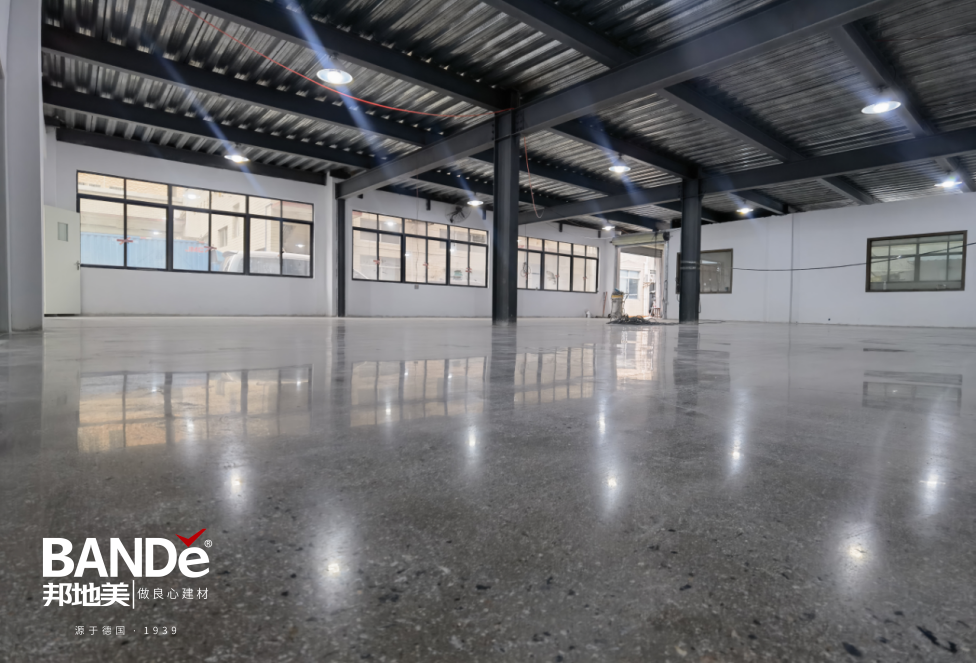
Maintaining polished concrete floors, including those with polished concrete floor, is crucial for both aesthetics and durability. Dull floors can detract from a space’s overall appeal. Regular maintenance prevents issues like stains and scratches, ensuring longevity. Compared to other flooring types, polished concrete requires minimal upkeep. For example, it lasts over 20 years with proper care, while epoxy flooring may need recoating every 10 to 15 years.
Feature | Polished Concrete | Epoxy Flooring |
|---|---|---|
Maintenance | Minimal; just regular cleaning | Requires periodic resealing or recoating |
Lifespan | 20+ years with proper care | 10–15 years before recoating may be needed |
Key Takeaways
Polished concrete floors are durable and can last over 20 years with proper maintenance, making them a cost-effective flooring option.
Regular cleaning and immediate spill management are crucial for maintaining the shine and preventing damage to polished concrete floors.
Using pH-neutral cleaners and applying sealers every few years enhances stain resistance and prolongs the life of polished concrete.
Understanding Lantai Beton Poles
What Are Polished Concrete Floors?
Polished concrete floors are a type of flooring created by grinding and polishing concrete surfaces. This process enhances the concrete’s appearance and durability. The result is a smooth, glossy finish that can be customized with various colors and patterns. Polished concrete is suitable for both residential and commercial spaces, offering a modern aesthetic.
Benefits of Polished Concrete
Polished concrete floors provide numerous advantages. First, they are incredibly durable. A properly installed and maintained polished concrete floor can last a hundred years or more. This longevity significantly reduces the need for new flooring materials, minimizing waste.
Second, polished concrete requires low maintenance. Regular cleaning is often all that is needed to keep these floors looking their best. This low maintenance contributes to lower overall costs, making polished concrete a cost-effective flooring option.
Additionally, polished concrete is highly resistant to wear and pressure. This makes it ideal for high-traffic areas, such as retail stores and warehouses. The durability of polished concrete floors ensures they can withstand heavy use without showing signs of damage.
Why Maintenance Matters
Regular maintenance of polished concrete floors is essential for ensuring their longevity and aesthetic appeal. Over time, neglecting care can lead to significant issues. Here are some long-term benefits of maintaining polished concrete floors:
Durability: Polished concrete floors can withstand heavy foot traffic and resist scratches. This durability reduces repair costs over time.
Longevity: With proper care, these floors can last for decades. This minimizes the need for replacements, saving money in the long run.
Low Maintenance: Regular cleaning and resealing are simple tasks. These actions prevent costly damage over time.
Cost-Effective: Although initial costs may be high, the long-term savings from reduced maintenance and longevity are significant.
Periodic Maintenance: Resealing every few years protects against stains and damage, further extending the floor’s life.
Neglecting maintenance can lead to dirt and debris accumulation. This buildup can cause scratches and dullness, negatively affecting the floor’s appearance. A consistent cleaning schedule is vital for maintaining both the aesthetic and functional qualities of polished concrete floors.
Industry research shows that regular maintenance significantly impacts the lifespan of polished concrete floors. Here are some key points:
Polished concrete floors are resilient and long-lasting with proper care.
A suitable maintenance plan can significantly extend their lifespan.
Regular maintenance ensures the floor remains a great surface for various environments.
To keep polished concrete floors in optimal condition, proper cleaning methods and immediate spill management are necessary. Neglecting maintenance can result in scratches and dullness. Consistent upkeep, including sweeping and mopping, is essential for preserving the floor’s beauty and functionality.
Cleaning Polished Concrete Floors
Daily Cleaning Routine
Maintaining polished concrete floors requires a consistent daily cleaning routine. This routine helps preserve the floor’s shine and prevents damage. Here are some effective steps recommended by flooring experts:
Sweep or vacuum to remove loose dirt and debris.
Damp mop with a pH-neutral cleaner for routine cleaning.
Weekly mopping is crucial for maintaining polished concrete floors. Depending on usage, mopping may need to be done twice a week. This regular cleaning prevents dirt buildup and keeps the surface looking fresh.
Recommended Cleaning Products
Choosing the right cleaning products is essential for maintaining polished concrete floors. Here are some of the safest and most effective options:
pH-Neutral Cleaner: This cleaner is essential for avoiding damage to polished surfaces. Acidic or alkaline products can cause etching or dulling.
Concrete Conditioner: This product helps maintain hardness and shine. It is recommended for use weekly or monthly.
Polished Concrete Guard or Sealer: This enhances stain resistance and prolongs the life of the floor.
Using specialized products like Composite Resin Abrasives has shown superior maintenance results compared to traditional methods. These products ensure that the beauty and durability of polished concrete floors remain intact over time.
By following these cleaning routines and using the right products, you can keep your polished concrete floors looking their best for years to come.
Stain Management for Concrete Floors
Common Stains and Solutions
Polished concrete floors can encounter various stains. Common culprits include oil, rust, and food spills. Each type of stain requires a specific approach for effective removal. Here are some recommended products and their applications:
Product Name | Description | Application |
|---|---|---|
Phosphatic Cleaner Concentrate LC 204 | Effectively removes rust, scale, foulants, dirt, and corrosion products on metal surfaces. | Apply by brushing or spraying; rinse with water after 5-10 minutes. |
AHU Power Cleaner LC 205 | Removes grease, oil, dirt, and light scale from cooling coils and fins without affecting metal parts. | Use after proper dilution; apply by spraying, brushing, or dipping, then rinse with water. |
Descaler Concentrate LC 230 | Strong descaler that removes rust, oxides, scale, and soil from metal and concrete surfaces. | Brush or spray on surfaces; allow to stand for 10-20 minutes, then wipe off with water. |
Industrial Cleaner Concentrate LC 202 | General purpose cleaner that emulsifies and disperses oil, grease, dirt, and grime. | Recommended methods include spray, mop, brush wipe, or dip. |
Degreasing Concentrate LC 270 | Water-based cleaner that penetrates and disperses oil, grease, dirt, and grime from hard surfaces. | Recommended methods include spray, mop, brush wipe, or dip. |
Preventing Stains on Polished Concrete
Preventing stains on polished concrete floors is crucial for maintaining their appearance. Here are some effective strategies:
Use Mats: Place mats at entryways to trap dirt and moisture.
Immediate Cleanup: Wipe spills immediately to prevent absorption.
Regular Sealing: Apply a sealer every few years to enhance stain resistance.
Avoid Harsh Chemicals: Use pH-neutral cleaners to avoid damaging the surface.
By implementing these practices, you can keep your polished concrete floors looking pristine and extend their lifespan.
Effective Concrete Floor Maintenance
Using Densifiers and Sealers
Densifiers play a crucial role in enhancing the durability and appearance of polished concrete floors. They penetrate deeply into the concrete, reacting with its components. This reaction increases density and reduces wear from abrasion. Densifiers also bind dust particles and improve chemical resistance. The result is a more compact finish that enhances both durability and appearance.
To maintain optimal performance, it is essential to apply densifiers and sealers periodically. Here are some guidelines for resealing:
Reseal polished concrete within six months to a year, especially in high-foot traffic areas.
Resealing may be needed every two to three years depending on the level of use.
Best Practices for High-Traffic Areas
High-traffic areas require special attention to maintain the integrity of polished concrete floors. Here are some best practices:
Use Mats: Place mats at entrances to trap dirt and moisture. This prevents debris from scratching the surface.
Regular Cleaning: Implement a daily cleaning routine using a pH-neutral cleaner. This helps remove dirt without damaging the finish.
Immediate Spill Management: Clean spills immediately to prevent staining. Use a damp cloth and a suitable cleaner to address any accidents quickly.
Periodic Maintenance: Schedule regular inspections to assess the floor’s condition. This allows for timely resealing and repairs.
By following these practices, you can ensure that your polished concrete floors remain beautiful and durable, even in high-traffic environments.
Maintaining polished concrete floors is essential for their longevity and appearance. Implementing daily cleaning tips, such as dust mopping and immediate spill management, prevents scratches and stains. Regular maintenance enhances the floor’s sheen and extends its life. Follow these tips to achieve a beautiful and durable floor.
FAQ
What is the lifespan of polished concrete floors?
Polished concrete floors can last over 20 years with proper maintenance and care.
How often should I clean polished concrete floors?
Daily cleaning is recommended, with weekly mopping to maintain shine and prevent dirt buildup.
Can I use any cleaner on polished concrete?
No, use only pH-neutral cleaners to avoid damaging the surface and maintain its finish.
See Also
Understanding Pengeras Lantai: Advantages of Industrial Flooring Solutions
Essential Insights on BANDě Concrete Floor Hardener Benefits
Top Industrial Warehouse Solutions: UK Floor Hardener Options
Selecting the Ideal Concrete Densifier for Warehouse Flooring
