

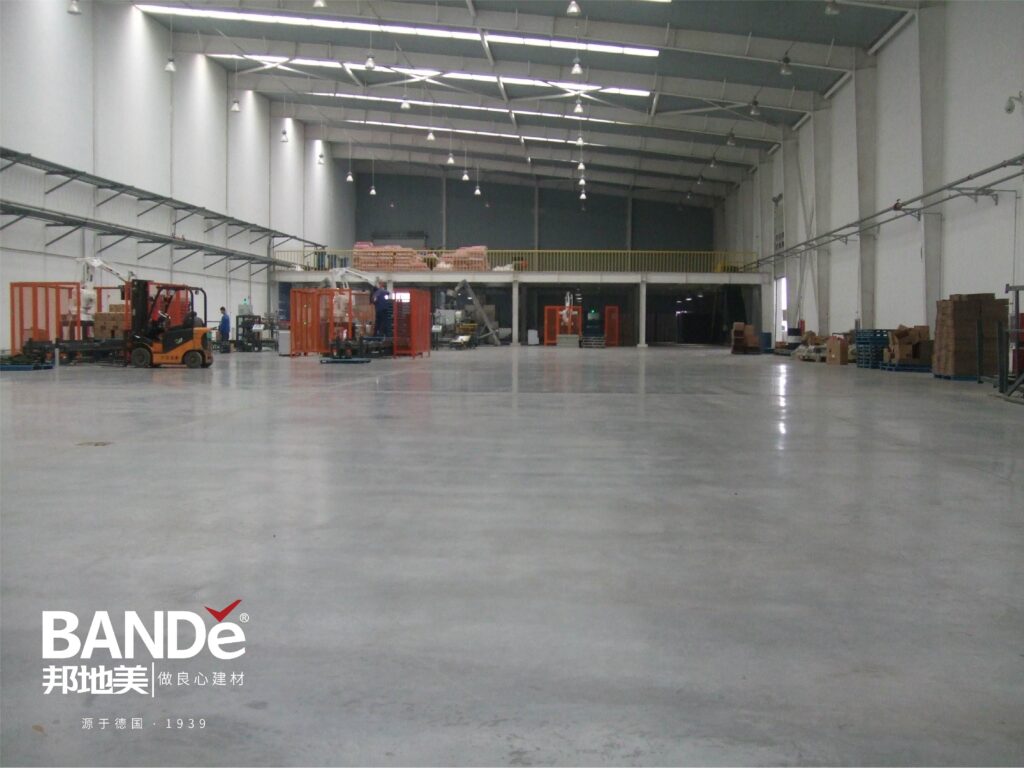
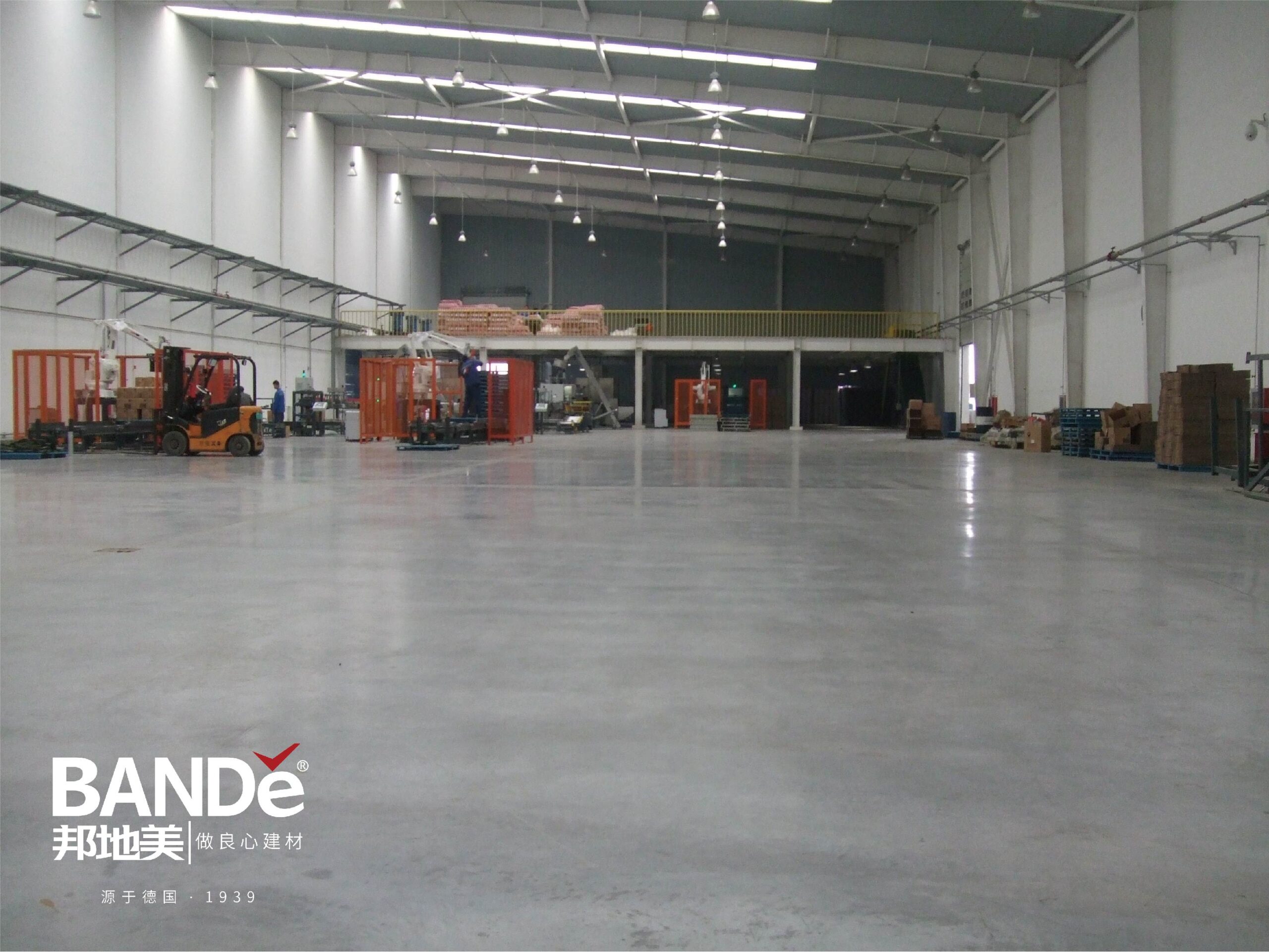
Floor hardener is a specialized material applied to concrete surfaces to enhance durability and resistance. This treatment is crucial in construction, especially in settings like manufacturing plants and warehouses, where flooring must withstand heavy machinery and constant traffic. Understanding what floor hardener is enables project owners to make informed decisions that improve concrete performance.
Key Takeaways
Floor hardeners improve concrete durability, making surfaces resistant to wear and chemical damage.
Choosing the right floor hardener involves evaluating performance, cost, and environmental impact for long-lasting results.
Floor hardeners are versatile and suitable for various settings, from industrial plants to residential garages, enhancing both strength and aesthetics.
What is Floor Hardener?
Types of Floor Hardeners
Floor hardeners come in various types, each designed for specific applications and environments. Understanding these types helps project owners select the most suitable option for their needs. Here are the primary categories of floor hardeners:
Dry Shake Hardeners: These are applied as a dry powder on freshly poured concrete. They bond with the surface during the finishing process. Dry shake hardeners often contain materials like quartz, silica, or metallic aggregates, enhancing the concrete’s strength and durability.
Liquid Hardeners: These are mixed with water and applied to the concrete surface. Liquid hardeners penetrate the concrete, reacting chemically to form a hardened layer. They are ideal for existing concrete surfaces that require additional strength.
Polymer-Modified Hardeners: These contain polymers that improve adhesion and flexibility. They are particularly useful in environments where temperature fluctuations occur, as they can withstand expansion and contraction without cracking.
How Floor Hardeners Work
The effectiveness of floor hardeners lies in their ability to enhance the properties of concrete surfaces. When applied, these hardeners penetrate the concrete matrix, filling voids and creating a denser structure. This process significantly improves the surface’s resistance to wear, abrasion, and chemical damage.
The mechanism of action can be summarized as follows:
Chemical Reaction: Many floor hardeners initiate a chemical reaction with the concrete, leading to the formation of additional calcium silicate hydrate (C-S-H) gel. This gel is responsible for the increased strength and durability of the concrete surface.
Surface Density: By increasing the density of the concrete, floor hardeners reduce porosity. This reduction minimizes the absorption of water and harmful chemicals, which can lead to deterioration over time.
Enhanced Finish: Floor hardeners also improve the aesthetic appeal of concrete surfaces. They can provide a glossy finish, making the floor easier to clean and maintain.
Applications of Floor Hardener
Industrial Floor Hardener Uses
Floor hardeners play a vital role in industrial settings. They enhance the durability of concrete floors subjected to heavy machinery and frequent traffic. Common applications include:
Manufacturing Plants: These facilities require robust flooring to withstand the weight of equipment and the impact of materials.
Warehouses: High-traffic areas benefit from floor hardeners, which reduce wear and tear, ensuring longevity.
Loading Docks: The constant movement of forklifts and trucks necessitates a strong surface to prevent damage.
The use of an industrial floor hardener can significantly improve safety and efficiency in these environments.
Commercial and Residential Applications
In commercial spaces, floor hardeners are essential for maintaining aesthetic appeal and functionality. Retail stores and showrooms often utilize these treatments to create attractive, durable surfaces. The benefits extend to residential applications as well. Homeowners can apply floor hardeners in garages and basements to enhance the strength of concrete floors.
The versatility of floor hardeners makes them suitable for various environments. They provide a protective layer that resists stains, chemicals, and moisture, making maintenance easier.
Choosing the Right Floor Hardener
Performance and Cost
Selecting the right floor hardener involves evaluating both performance and cost. Project owners must consider how each type of hardener affects the overall durability and strength of the concrete surface. Here are key factors to assess:
Performance Metrics: Look for hardeners that enhance the durability of concrete. A high-quality hardener should improve resistance to wear, abrasion, and chemical exposure. This ensures that the floor maintains its integrity over time, even under heavy use.
Cost Analysis: While it may be tempting to choose the least expensive option, consider the long-term benefits of investing in a robust flooring solution. A higher initial cost may lead to lower maintenance expenses and extended lifespan, ultimately saving money.
Application Process: Understand the application process for each type of hardener. Some may require specialized equipment or professional installation, which can add to the overall cost. Ensure that the chosen hardener aligns with your project budget and timeline.
Environmental Considerations
Environmental impact is another crucial factor when selecting a floor hardener. Project owners should prioritize eco-friendly options that minimize harm to the environment. Here are some considerations:
Sustainability: Choose hardeners made from sustainable materials. Many manufacturers now offer products that are low in volatile organic compounds (VOCs), which contribute to air pollution. Selecting these options can enhance indoor air quality.
Recyclability: Consider whether the hardener can be recycled or reused. This aspect can significantly reduce waste and promote sustainability in construction practices.
Energy Efficiency: Some floor hardeners can improve the energy efficiency of buildings. For instance, reflective coatings can help maintain cooler temperatures, reducing the need for air conditioning. This not only benefits the environment but also lowers energy costs.
By carefully evaluating performance, cost, and environmental considerations, project owners can make informed decisions when choosing the right floor hardener. This choice will ultimately enhance the durability and aesthetics of concrete surfaces, ensuring they meet the demands of their intended use.
In summary, floor hardeners enhance concrete durability and performance. They are essential in various applications, from industrial to residential settings. Project owners should consider using floor hardeners to improve their flooring solutions. Investing in quality hardeners leads to long-lasting, resilient surfaces that withstand heavy use. 🌟
FAQ
What is the main benefit of using floor hardeners?
Floor hardeners enhance concrete durability, making surfaces resistant to wear, abrasion, and chemical damage.
Can floor hardeners be applied to existing concrete?
Yes, liquid hardeners can be applied to existing concrete surfaces to improve strength and durability.
How long does it take for floor hardeners to cure?
Curing time varies, but most floor hardeners require 24 to 48 hours for initial curing before use.
See Also
Understanding Floor Hardeners: Their Function and Benefits
Essential Insights on BANDě Concrete Floor Hardener
Choosing the Right BANDě Floor Hardener for 2025
Concrete Floor Hardeners: Their Purpose and Operation Explained
Top Floor Hardener Options for Warehouses in the Philippines
