

Understanding the differences between concrete densifier vs sealer is crucial for anyone involved in concrete maintenance. Each product serves a unique purpose. Concrete densifiers enhance hardness and stain resistance, while sealers provide versatile protection against moisture and chemicals. Knowing when to use concrete densifier vs sealer can significantly impact the longevity and appearance of concrete surfaces.
Key Takeaways
Concrete densifiers increase surface hardness and durability, making them ideal for high-traffic areas like warehouses and retail spaces.
Concrete sealers protect against moisture and chemicals, enhancing the appearance and longevity of surfaces like driveways and patios.
Using both a densifier and a sealer together can provide optimal protection and durability for your concrete surfaces.
Concrete Densifier Overview
Concrete densifiers are specialized products designed to enhance the durability and hardness of concrete surfaces. They work by penetrating the concrete and reacting with its components to fill in microscopic pores. This process significantly improves the surface’s strength and resistance to wear.
Benefits of Densifiers
Using a concrete densifier offers several advantages:
Increased Hardness: Densifiers can boost the hardness of concrete, making it more resistant to abrasions and impacts. For instance, some products can increase density by up to 32%, which is crucial for high-traffic areas.
Reduced Water Permeability: A high-performance floor densifier can lower water permeability by as much as 20%. This reduction helps prevent damage from freeze-thaw cycles and moisture infiltration.
Enhanced Compressive Strength: Studies show that applying a densifier can lead to a 36.4% increase in compressive strength compared to untreated concrete. This improvement is vital for maintaining structural integrity over time.
Application Process
Applying a concrete densifier is straightforward but varies based on the surface’s porosity and age. Here are some key points to consider:
Multiple Applications: Highly porous surfaces may need several applications to achieve the desired hardness. A single coat might not penetrate deeply enough.
Older Surfaces: If the concrete is older and has become more porous due to wear, multiple treatments are often necessary to restore its integrity and prepare it for polishing.
By understanding these benefits and the application process, you can make informed decisions about using a concrete densifier for your projects.
Concrete Sealer Overview
A concrete sealer is a protective coating applied to concrete surfaces to enhance their durability and longevity. Its primary function is to create a barrier against moisture, chemicals, and stains, which can damage the concrete over time. By sealing the surface, you help maintain its appearance and structural integrity.
Benefits of Sealers
Using a concrete sealer comes with several key benefits:
Moisture Protection: Sealers act as water repellents, preventing moisture from penetrating the concrete. This is crucial for avoiding issues like cracking and spalling, especially in areas exposed to water.
Chemical Resistance: Sealers protect against harmful substances, such as oils and acids, that can degrade concrete. This is particularly important in industrial settings or garages where spills are common.
Enhanced Appearance: Many sealers can enhance the color and finish of concrete floors, giving them a polished look. Some sealers even provide a glossy finish that can brighten up dull surfaces.
Longevity: By preventing moisture and chemical intrusion, sealers can significantly extend the lifespan of concrete surfaces. This means fewer repairs and replacements down the line.
Different types of sealers exist, each with unique chemical compositions. For example, epoxy sealers form a tough, glossy coating, while silane and siloxane sealers penetrate the surface to repel water without altering its appearance.
Application Process
Applying a concrete sealer involves several steps. First, ensure the surface is clean and dry. Depending on the environmental conditions, such as moisture levels and temperature, the application method may vary. For instance, high humidity can lead to blistering if not managed properly.
After preparing the surface, apply the sealer evenly using a roller or sprayer. It’s essential to follow the manufacturer’s instructions for the best results. Allow adequate drying time before exposing the surface to foot traffic or heavy use.
By understanding the benefits and application process of concrete sealers, you can make informed choices for your concrete maintenance needs.
Concrete Densifier vs Sealer: Key Differences
When comparing concrete densifiers and sealers, it’s essential to look at their composition and application methods. Each product has its unique characteristics that make it suitable for different situations.
Composition and Application
Concrete densifiers are typically made from lithium silicates or other chemical compounds that penetrate the concrete surface. They react with the concrete to fill in pores and enhance hardness. On the other hand, sealers can be made from various materials, including acrylics, epoxies, and silanes. These create a protective layer on top of the concrete.
Here’s a quick look at how the application methods differ:
Application Method | Densifiers | Sealers |
|---|---|---|
Surface Preparation | Thorough cleaning required | Thorough cleaning and complete drying required |
Application Method | Sprayed or rolled on, allowed to penetrate for 20-30 minutes | Varies by type (spray, roll, brush), often requires multiple thin coats |
Curing Time | Minimal, chemical reaction continues for months | Ranges from several hours to multiple days depending on formulation |
As you can see, the application of a concrete densifier is generally quicker, requiring less time for curing compared to sealers. This can be a significant advantage if you’re looking to minimize downtime on a project.
Performance and Longevity
Now, let’s dive into how these products perform, especially in high-traffic environments like warehouses or retail spaces.
Performance Aspect | Description |
|---|---|
Durability | Enhances the lifespan of concrete surfaces under heavy foot traffic and equipment use. |
Maintenance Needs | Reduces the frequency and intensity of maintenance required for high-traffic areas. |
Resistance to Wear and Staining | Improves the ability to withstand wear and staining from spills and heavy use. |
Surface Hardness | Densifiers increase surface hardness, essential for areas with high abrasion. |
Low-Maintenance Finish | Provides a clean finish that can endure daily scrubbing and public use. |
Bond Retention | Ensures that treatments maintain their effectiveness in industrial or commercial conditions. |
Chemical Durability | Protects against chemical spills and degradation over time. |
Aesthetic Appeal | Products like Consolideck LSGuard enhance the visual quality while providing protection. |
In terms of performance, concrete densifiers excel in enhancing surface hardness, making them ideal for high-traffic areas. They help maintain the integrity of concrete surfaces, reducing the need for frequent repairs. Sealers, while also protective, focus more on preventing moisture and chemical damage, which is crucial for maintaining the appearance of concrete surfaces.
Limitations of Densifiers and Sealers
Common Misconceptions
When it comes to concrete densifiers and sealers, several myths can lead to confusion. Here are some common misconceptions:
Densifiers enhance tobermorite: Many believe that these hardeners improve the crystalline structure of concrete. In reality, they react with calcium hydroxide compounds instead.
Deep penetration: Some think densifiers penetrate deeply into the concrete. However, they mainly reinforce the near-surface area.
Shake-on hardeners eliminate the need for chemical hardeners: This misunderstanding overlooks the dynamics of concrete surfaces.
Sealers are only for new concrete: Both new and old concrete benefit from sealing.
All sealers are the same: There are various types, each designed for specific purposes.
Sealing makes surfaces slippery: Many modern sealers minimize slipperiness and can even be made non-slip.
Situations to Avoid
While both products offer great benefits, there are situations where they may not perform as expected. For densifiers, colloidal silica has limited penetration depth, which can affect long-term durability. They primarily densify surface layers, which can wear down quickly under stress. In high-wear applications, such as industrial floors, this can lead to premature deterioration.
On the other hand, sealers can also face challenges. For instance, if the temperature is too low or humidity is too high during application, water-based sealers might dry white or powdery. Additionally, common acrylic sealers may not resist chemicals and stains effectively, leading to potential damage from spills.
Understanding these limitations helps you choose the right product for your concrete maintenance needs.
Ideal Applications for Densifiers
Best Use Cases
Concrete densifiers shine in various settings, especially where durability and performance are crucial. Here are some of the best use cases for concrete densifiers:
Industrial Facilities: In warehouses and manufacturing plants, concrete floors face heavy machinery and foot traffic. Densifiers enhance the surface hardness, making it more resistant to wear and tear.
Retail Spaces: High-traffic retail environments benefit from densifiers, as they help maintain the appearance of concrete floors while providing stain resistance.
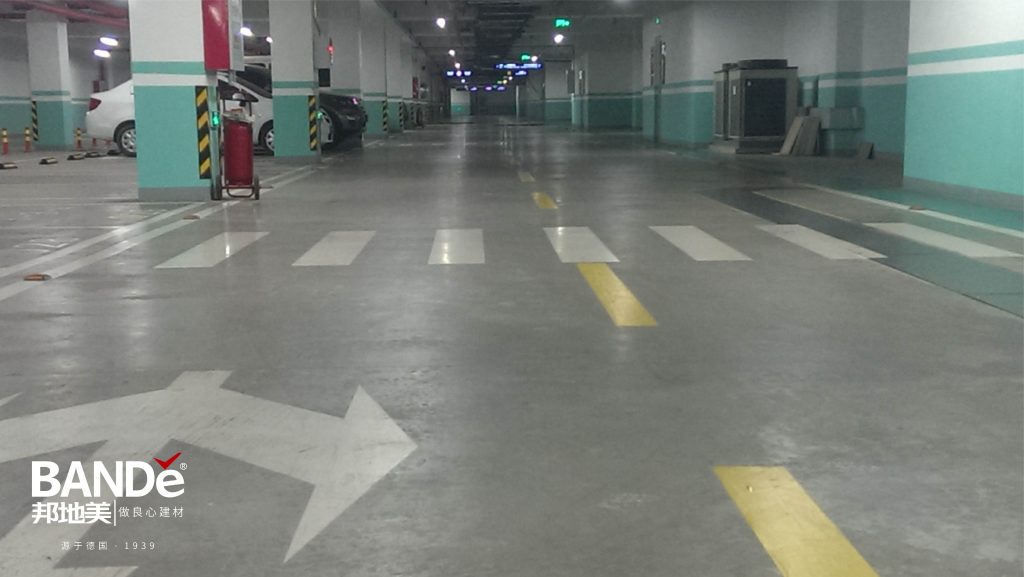
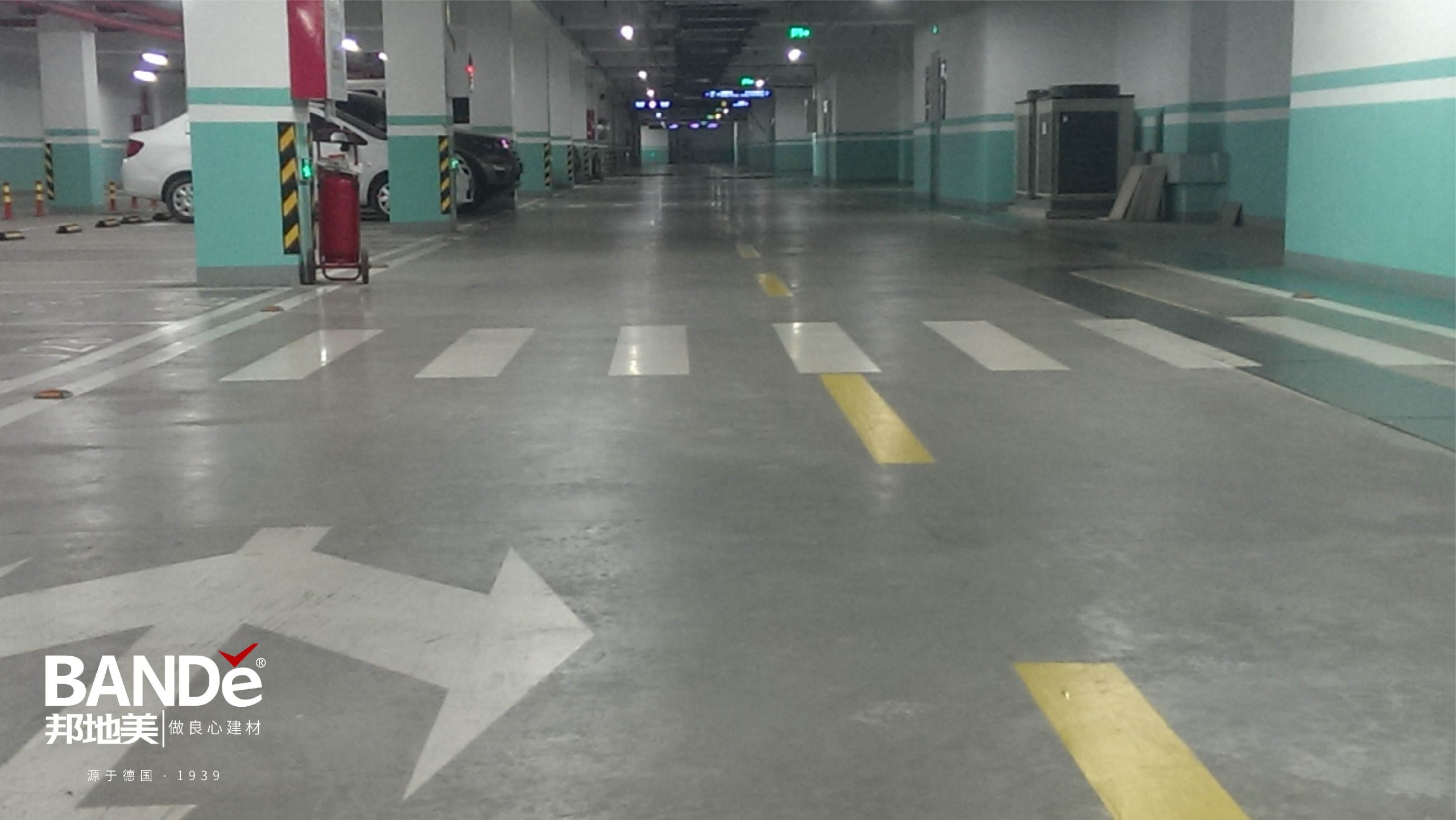
Parking Garages: Densifiers protect against the harsh conditions of parking garages, including oil spills and moisture, extending the life of the concrete.
Food Processing Areas: In food processing facilities, cleanliness is vital. Densifiers help create a surface that is easier to clean and maintain, reducing the risk of contamination.
To give you a clearer picture, here’s a table summarizing different types of densifiers and their performance levels:
Type of Densifier | Performance Level | Suitable Applications |
|---|---|---|
Sodium Silicate | Basic and affordable | Light to medium-duty, interior/exterior |
Potassium Silicate | Higher performance | Medium to heavy-duty, interior/exterior |
Lithium Silicate | Premium performance | Heavy-duty, interior/exterior |
Surface Types
Concrete densifiers work effectively on various surface types. Understanding which surfaces are best suited for densifiers can help you achieve optimal results. Here’s a breakdown of how different products perform on specific surfaces:
Product Name | Surface Type | Benefits |
|---|---|---|
Pentra-Sil® (HDS) | Polished, colored, dyed, acid stained surfaces | Hardens, densifies, and seals concrete; ideal for polishing and restoring worn flooring. |
Ameripolish 3D HS | Exposed, polished, integral color concrete | Improves performance, stain resistance, and reduces dust; penetrates varying densities deeply. |
Densifiers are particularly effective on polished and stained surfaces, as they enhance the existing finish while providing additional protection. They also work well on raw concrete, where they can significantly improve the surface’s durability and resistance to damage.
Ideal Applications for Sealers
Best Use Cases
Concrete sealers are essential for various applications, especially where protection and aesthetics matter. Here are some of the best use cases:
Driveways and Patios: Protecting these surfaces is crucial for maintaining property value. Sealers help prevent stains and damage from weather.
Basketball Courts and Pathways: Ensuring safety is vital. Sealers prevent cracks, making these areas safer for use.
Stamped Concrete: Ideal for patios and interior floors, stamped concrete benefits from sealers that enhance visual appeal while providing protection.
Basements and Exterior Walkways: Penetrating sealers are perfect for these areas, especially in regions with freeze/thaw cycles. They help keep moisture out and prevent damage.
Garage Floors and Commercial Entryways: Film-forming sealers are recommended here, as they withstand heavy traffic and protect against spills.
Surface Types
Concrete sealers work effectively on various surface types. For instance, decorative and stamped concrete surfaces benefit significantly from sealers like SikaColor®. These products protect and enhance the appearance while resisting contamination and chemicals. They also minimize cracking and improve abrasion resistance, which is crucial for maintaining the integrity of decorative concrete surfaces.
In climates with high moisture, sealers help manage efflorescence and protect color retention. They enhance durability against moisture penetration and environmental stressors like UV exposure and freeze-thaw cycles. This protection is vital for ensuring a longer lifespan for concrete surfaces.
By understanding the best use cases and suitable surface types for sealers, you can make informed decisions that enhance the durability and appearance of your concrete.
In summary, concrete densifiers enhance surface hardness and durability, making them ideal for high-traffic areas. Sealers protect against moisture and chemicals, perfect for decorative surfaces. For heavy traffic, consider urethane coatings. For chemical zones, use resistant sealers. Choose based on your project’s specific needs for optimal results.
FAQ
What is the main difference between a densifier and a sealer?
Densifiers enhance concrete hardness, while sealers protect against moisture and stains. Each serves a unique purpose in concrete maintenance.
Can I use both a densifier and a sealer on the same surface?
Yes, you can! Apply the densifier first, then follow up with a sealer for optimal protection and durability.
How often should I apply a concrete sealer?
Typically, sealers should be reapplied every 1 to 3 years, depending on traffic and environmental conditions. Regular maintenance ensures lasting protection.
See Also
Comparing BANDě’s Concrete Densifiers and Dry Shakes for Flooring
Understanding How BANDě Concrete Densifier Functions Effectively
Selecting The Ideal Polished Concrete Densifier in 2025
Your 2025 Handbook for Concrete Densifiers and Hardeners
Complete Buying Guide for Concrete Densifiers, Hardeners, and Sealers
