

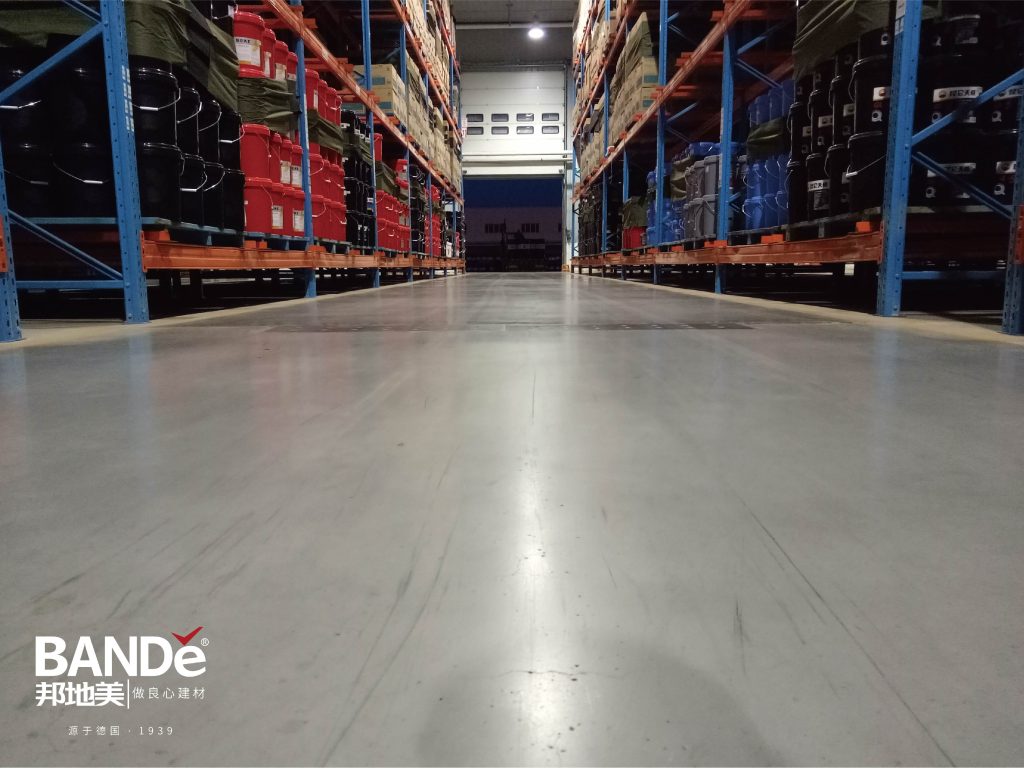
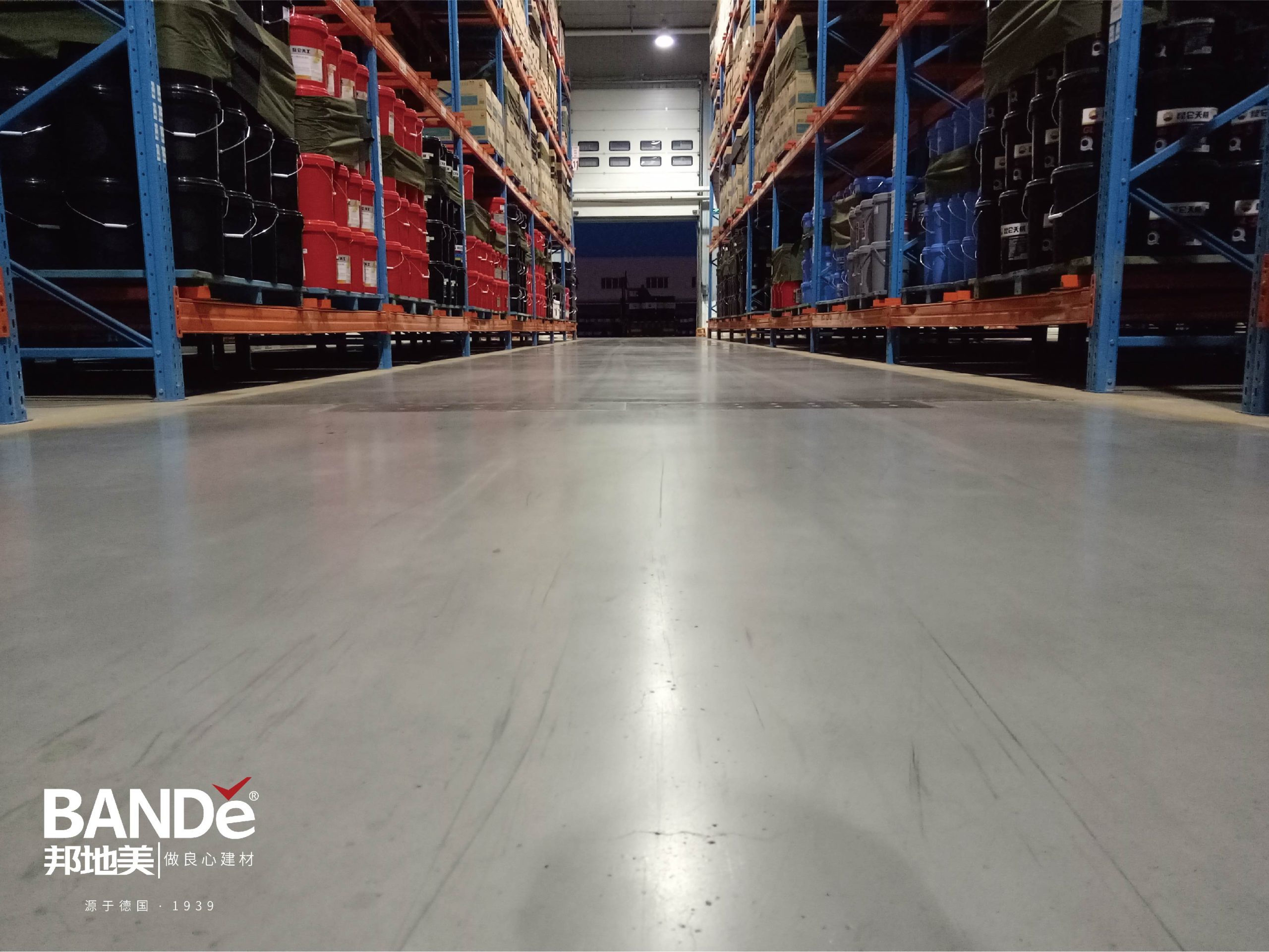
Applying Crystal Floor Hardener the right way is very important. It helps make concrete floors last longer. When you use this hardener properly, it can increase hardness to levels of 8-9 on the Mohs scale. This means your floors could be up to 200% more durable. Knowing the best techniques will help you get great results. Common methods are dry-shake and liquid applications. Each method is important for making sure your concrete surfaces can handle wear and tear well.
Key Takeaways
Clean the concrete surface well before using the hardener. This helps it stick better.
Fix any cracks in the concrete. This makes a smooth surface for applying.
Pick the right method to apply (dry-shake or liquid). This depends on your concrete’s condition and how you will use it.
Keep an eye on temperature and humidity while applying. This helps you get the best results.
Always wear safety gear (PPE) when applying the hardener. This keeps you safe.
Surface Preparation
Cleaning the Concrete
Before you put on crystal floor hardener, clean the concrete well. This step is very important. It helps the hardener stick better and work well. Dirt can stop the hardener from bonding. This can cause problems later. Common dirt includes:
Wax cleaning products
Dust from grinding
These things can stop the hardener from sticking. To get the best results, do these steps:
Sweep the area to get rid of loose dirt.
Use a pressure washer or vacuum to remove dust.
Let the surface dry completely before moving on.
Repairing Cracks
Cracks in the concrete can hurt the hardener application. You need to fix any cracks you see before applying the hardener. Here are the best ways to fix cracks:
Widen the cracks with a grinder that has a cutting disc.
Clean the area by removing dust with a vacuum.
For shrinkage joints, scrape and vacuum to keep it clean.
Make sure conditions are good: temperature between 41 to 77 degrees Fahrenheit and max 75% humidity.
Mix the hardener and resin carefully. Keep the speed under 300 rpm to avoid bubbles.
Apply the mixture right away to the crack for good coverage.
By doing these steps, you can prepare your concrete surface well. Good surface preparation stops problems and helps the hardener work.
Common Mistakes to Avoid
When preparing the surface, watch out for these mistakes:
Skipping surface preparation can cause problems later.
Using acid etching; instead, use mechanical surface prep.
Ignoring uneven floors; fix them with self-leveling concrete or grinding.
Not making sure the floor is very clean before applying.
By avoiding these mistakes, you can make your concrete floors last longer and work better.
Crystal Floor Hardener Application
Dry-Shake Application
The dry-shake method is a popular way to apply crystal floor hardener. This method makes the surface much harder. Follow these steps for a good application:
Prepare the Concrete Surface: Make sure the concrete is freshly poured and flat. Wait until it is at the ‘plastic’ stage. At this stage, it can be slightly pressed but is still easy to work with.
First Application: Spread about two-thirds of the recommended dry-shake hardener evenly over the concrete.
Floating: Use a bull float or a power trowel with float blades to push the hardener into the concrete.
Second Application: Spread the last one-third of the hardener evenly on the surface.
Floating (Repeat): Float the surface again to mix in the second hardener application.
Troweling: Use a power trowel with finish blades to smooth and compact the surface.
Curing: Keep the concrete moist for the curing time, usually 7-14 days.
This method makes a very strong surface that can resist scratches and hits. However, it needs skilled workers for the best results. The table below shows the pros and cons of the dry-shake method:
Disadvantages of Dry-Shake Application | |
|---|---|
Makes a very strong surface | Needs skilled workers for application |
Resists scratches and hits | Can cost more because of materials and labor |
Good for heavy machines | Mainly strengthens just the top layer of concrete |
Liquid Application Techniques
Liquid application techniques are another good way to apply crystal floor hardener. This method allows it to soak deeper into the concrete. Here’s how to do it:
Surface Preparation: Clean the concrete by removing dirt, grease, and other impurities to help it soak in better.
Application: Evenly spread liquid hardener on the concrete floor using special machines.
Expert Application: Make sure experts do the application for even coverage.
Follow Instructions: Stick to the manufacturer’s usage rate for the best results.
Drying Time: Let the surface dry completely before moving to the next step.
Check Adhesion: Make sure it sticks well to ensure quality.
Liquid hardeners give a moderate boost in surface hardness and work for many uses. However, they might need extra densifiers for the best results.
When choosing between dry-shake and liquid methods, think about these factors:
Concrete Type and Condition: Check if the concrete is new or old, how porous it is, and if it has any damage.
Traffic Levels and Usage Demands: Think about how much foot and vehicle traffic there will be. High traffic areas need stronger solutions.
Desired Finish and Appearance: Decide on the look you want, like matte or shiny, and if you want to enhance the natural concrete look.
Environmental Compliance and VOCs: Look for low VOC products for better indoor air quality and to follow rules.
Cost-Effectiveness and Long-Term Value: Consider both the initial costs and how long it will last to find the best investment.
By knowing these application methods, you can get great results with your crystal floor hardener.
Best Conditions for Applying
Temperature Range
You need to think about the temperature when using Crystal Floor Hardener. The right temperature helps the hardener stick well to the concrete. Here’s a table with the best temperature ranges for different types of epoxy:
Type of Epoxy | Best Temperature Range (°F) | Best Temperature Range (°C) |
|---|---|---|
Water-Based Epoxy | 60 to 85 | 15 to 29 |
Solid-Based Epoxy | 70 to 85 | 21 to 29 |
Urethane Epoxy | 70 to 85 | 21 to 29 |
Using the hardener in these temperature ranges helps it cure better. Warmer temperatures can help the molecules move more, which leads to better reactions between the epoxy and hardeners. This makes the cross-linking density stronger. But be careful; too much heat can lower the strength.
Timing for Application
Timing is very important when applying Crystal Floor Hardener. You should use it after the concrete has gained its full strength. This usually happens about 28 days after pouring. At this time, there is enough calcium hydroxide for a good reaction with the densifier. Here’s a quick reference table:
Application Timing | Condition | Reason |
|---|---|---|
Concrete has gained full strength | Ensures enough calcium hydroxide is available for reaction with the densifier |
By following these tips, you can make sure your application of Crystal Floor Hardener works well. The right temperature and timing will help your concrete surfaces be strong and perform well.
Safety and Environmental Considerations
Personal Protective Equipment
When you apply Crystal Floor Hardener, safety is very important. You need to wear the right personal protective equipment (PPE) to stay safe. Here’s a list of essential PPE you should wear:
Safety glasses or goggles to keep your eyes safe from splashes.
Chemical-resistant gloves to protect your hands from strong chemicals.
Respirator if there isn’t good airflow to avoid breathing in harmful fumes.
Long-sleeved shirts and pants to protect your skin from contact.
Sturdy safety boots to keep your feet safe from heavy items.
If you ignore these safety steps, you could face health risks. Common problems include skin irritation, breathing issues, and even chemical burns if hardeners touch your skin for too long. Always take steps to keep yourself safe during the application.
Environmental Impact
Using Crystal Floor Hardener can affect the environment in different ways. Here are some important points to think about:
Environmental factors like wetting and drying, frost, and sulfate attack can change how long treated concrete floors last.
High heat and chemical solutions can weaken these floors.
To lessen your impact on the environment, think about using eco-friendly options. These non-metallic floor hardeners support sustainable building practices. They help cut down on harmful chemicals and provide flooring solutions that last and need less care.
Using locally made hardeners can also lower greenhouse gas emissions and material costs. For example, BANDě Crystal Floor Hardener is a water-based and non-toxic choice that meets today’s environmental standards. This option helps reduce the environmental impact during application.
Finally, make sure to follow rules about using Crystal Floor Hardener. Here’s a quick overview of important regulations:
Regulation Type | Description |
|---|---|
Federal and State VOC Requirements | You must follow these rules when using Crystal Floor Hardener in construction. |
Environmental Requirements | You need to meet the VOC and EPA rules set by the manufacturer. |
By following these safety tips and thinking about environmental effects, you can ensure a safer and more responsible application of Crystal Floor Hardener.
Using Crystal Floor Hardener the right way needs careful attention and good methods. Here are the main points to help you succeed:
Clean the Surface: Get rid of dirt and debris for better hardener use.
Repair Cracks: Fill any cracks you see to make a smooth surface.
Moisture Check: Make sure the concrete is dry to help the hardening.
Test pH Levels: Aim for a pH between 7 and 10 for the best results.
Choose Your Tools: Use a sprayer or roller for an even spread.
Apply Evenly: Start in one corner and move across the area.
Follow Coverage Recommendations: Usually, one gallon covers 200-300 square feet.
Allow to Dry: Let the surface dry for at least 4 hours before walking on it.
Curing Time: Wait 24 hours for the hardener to soak in fully.
By using these methods, you can make your concrete floors stronger and work better. Use these tips for the best results in your projects! 🌟
FAQ
What is Crystal Floor Hardener?
Crystal Floor Hardener is a special treatment that makes concrete floors stronger and harder. It helps protect your floors from damage, stains, and impacts. This way, your floors can last longer.
How long does it take for the hardener to dry?
The drying time can change based on conditions. Usually, you should wait at least 4 hours before walking on the surface. Full curing might take 24 hours or more, depending on humidity and temperature.
Can I apply hardener on old concrete?
Yes, you can use Crystal Floor Hardener on old concrete. Just make sure the surface is clean and has no cracks. Good preparation is important for the best results.
Is it safe to use indoors?
Yes, Crystal Floor Hardener is safe for indoor use. But, make sure there is good airflow during application to avoid breathing in fumes. Always wear the right personal protective equipment.
How often should I reapply the hardener?
How often you need to reapply depends on how much wear there is. For busy areas, think about reapplying every 3 to 5 years. Regular maintenance helps keep your floors in great shape.
See Also
Understanding BANDě Concrete Floor Hardener Essentials
Floor Hardeners: Definition and Functionality Explained
An Overview of Concrete Floor Hardeners and Their Roles
