

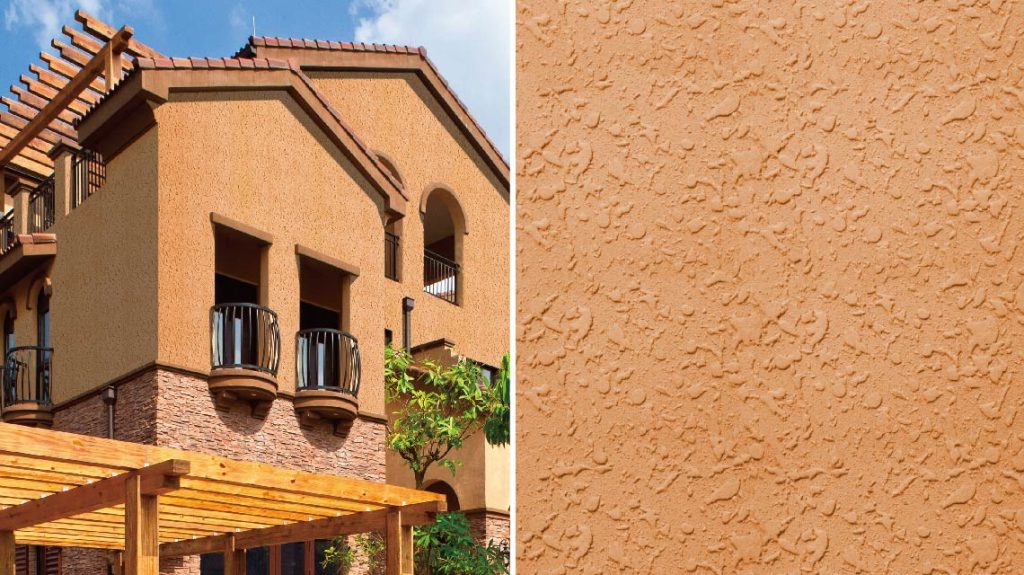
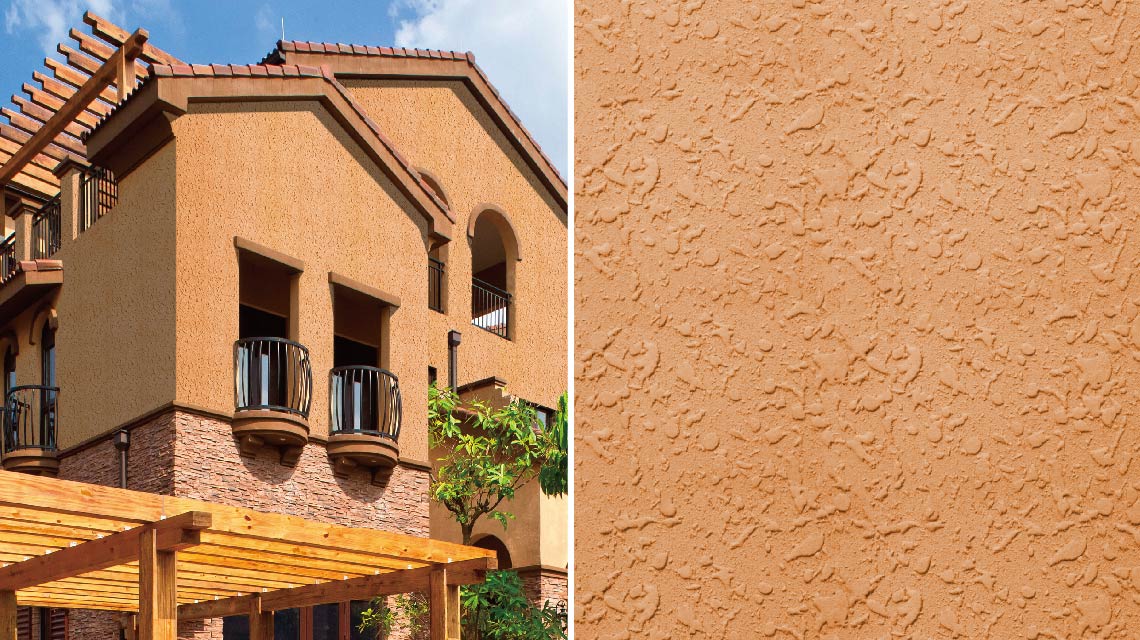
Choosing eco-friendly paints is important for a healthier planet. Water-based anion inorganic coatings are a good choice. They help cut down on harmful emissions. These coatings protect your surfaces and improve indoor air quality. By choosing these green options, you help support sustainability. You also promote a cleaner future. Enjoy the benefits of eco-friendly choices in your next painting project.
Key Takeaways
Pick water-based anion inorganic coatings. They help indoor air quality and cut harmful emissions.
Choose zero VOC paints. They make a safer space for families and pets, lowering health risks.
Get surfaces ready by cleaning, drying, and priming. This helps your paint work better.
Choose trusted brands that have eco-friendly choices. This helps with sustainability and durability in your projects.
Put on paint in thin layers. Watch the weather for a smooth, long-lasting finish.
Benefits of Water-Based Coatings
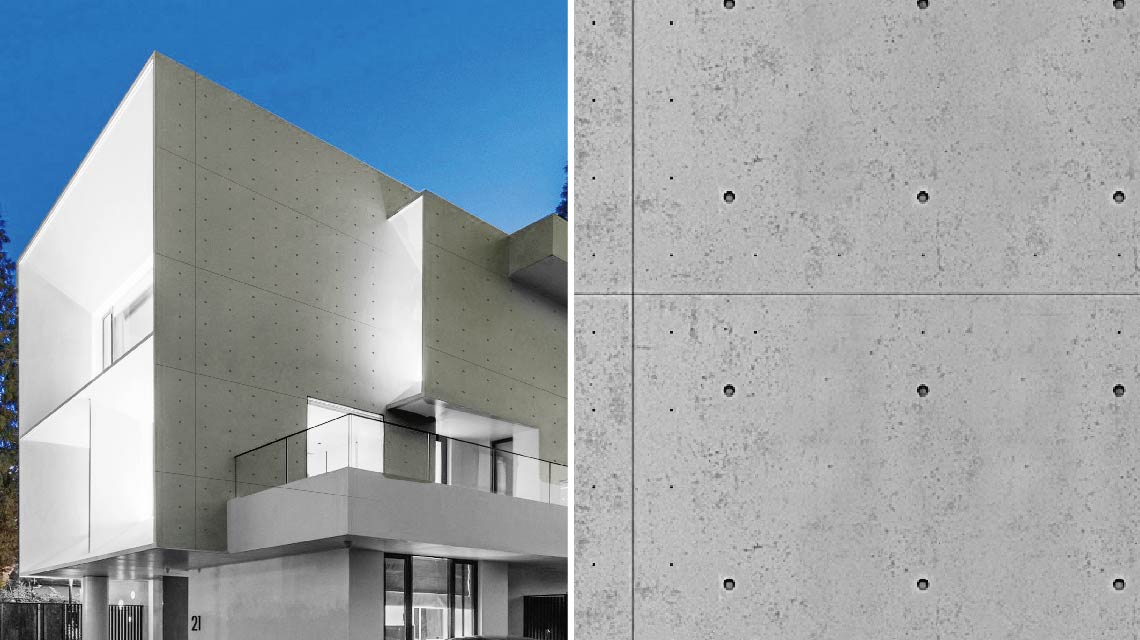
Eco-Friendly and Sustainable
Water-based anion inorganic coatings have many good effects on the environment. When you pick these coatings, you help make the environment healthier. Here are some important benefits:
Air Purification: These coatings clean the air by lowering indoor air pollutants.
Low Emissions: They give off fewer volatile organic compounds (VOCs). This improves indoor air quality and fits with green building rules.
Non-Toxic: Water-based coatings are safe. They are non-toxic for families and pets.
Using water-based coatings also helps with sustainability. They often use bio-based materials that reduce carbon footprints. For example, new ideas like 100% bio-based surfactants and polyglycols cut down carbon emissions while still working well. Also, renewable resources like rice bran wax make coatings more sustainable.
Health and Indoor Air Quality
For health, water-based anion inorganic coatings are better than regular solvent-based paints. The table below shows the health risks of each type:
Type of Paint | Health Risks |
|---|---|
Solvent-based paints | Release toxic fumes, causing breathing problems and other health issues. |
Water-based anion inorganic | Lower toxicity, fewer harmful compounds, and less risk for sensitive groups. |
By choosing zero VOC paint, you lower your exposure to harmful chemicals. This choice helps improve indoor air quality. This is especially important for kids, older people, and those with breathing problems. Water-based coatings also meet stricter environmental rules, making them even more appealing.
Key Features of Zero VOC Paint
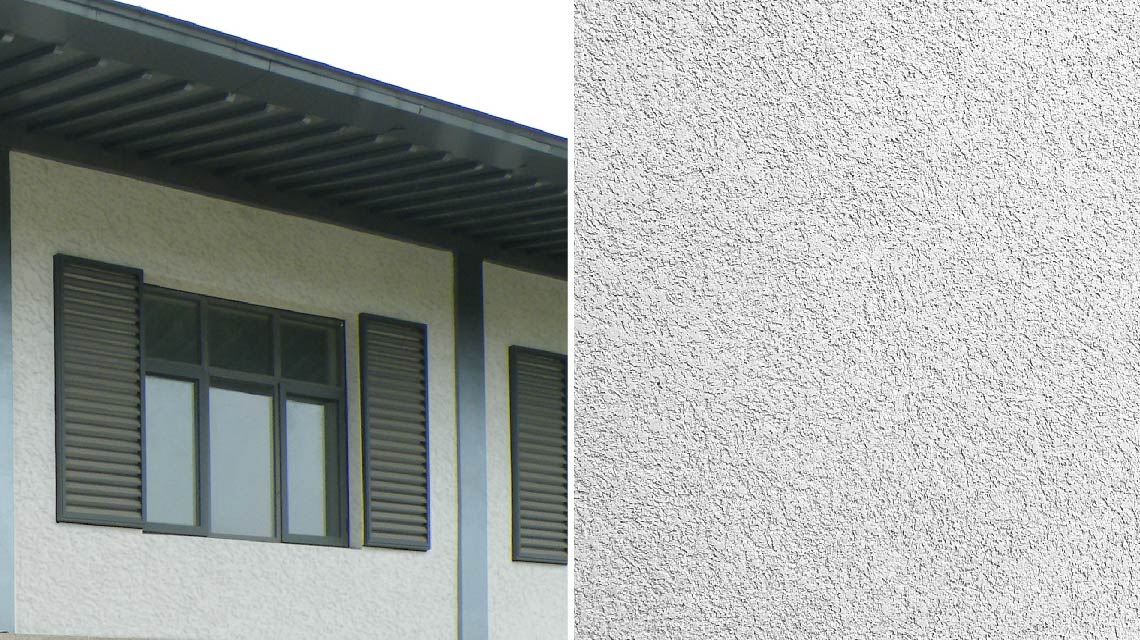
Non-Toxic Ingredients
When you pick zero VOC paint, you choose a product made without added volatile organic compounds. This means it has lower toxicity than regular paints. Traditional paints often release more VOCs. This can cause indoor air pollution and health problems. Using zero VOC paints helps improve indoor air quality a lot. This choice lowers risks like headaches and breathing issues. It makes your home safer for everyone, especially kids and those with sensitivities.
Health Benefits:
Lower toxicity levels.
Reduced risk of respiratory problems.
Safer for families and pets.
Durability and Color Retention
Durability and color retention are important when picking paint. Zero VOC paints have improved in these areas. But they may still have some problems compared to traditional paints. The table below shows how zero VOC paints and traditional paints differ:
Aspect | Zero VOC Paints | Traditional Paints |
|---|---|---|
Color Retention | Criticized for poor performance in durability | Generally better durability |
Coverage | Often substandard due to non-opaque pigments | Higher coverage with opaque pigments |
Consistency | Issues with drying too quickly and inaccurate mixing | More consistent application |
Repainting Cycles | Shorter due to initial poor coverage | Longer intervals between repaints |
Weatherability | Poor performance, especially in certain colors | Better weather resistance |
In humid areas, zero VOC paints work well because they have mildew-resistant additives. This makes them good for places with moisture. In busy areas, these paints also show durability, often getting Class I or Class II scrub resistance. They can handle over 1000 scrub cycles, keeping your walls looking fresh longer.
Choosing a water-based anion inorganic coating with zero VOC emissions helps your health and makes your paint job last longer. You can enjoy bright colors that last while helping the environment.
Application Tips for Green Building Paint
Surface Preparation Essentials
Getting the surface ready is very important for the best results with your water-based anion inorganic coating. Follow these steps to make sure you apply it smoothly:
Clean Thoroughly: Take off dust, grease, and other dirt from the surface. This helps the paint stick well.
Dry Completely: Make sure the surface is dry before you paint. Moisture can cause mold and make the paint not stick.
Sand Rough Areas: Sand down any rough spots to make it smooth. This helps the paint stick better.
Use Primer: Put on a good primer to help with sticking and lasting power. Primers can also make the finish look better.
Avoid common mistakes when preparing. For example, not cleaning surfaces can cause the paint to peel. Always take time to prepare well.
Application Techniques
When you apply your zero VOC paint, think about these techniques for a good finish:
Choose the Right Tools: Use good brushes or rollers made for water-based paints. This helps with even coverage.
Apply in Thin Coats: Thin layers dry faster and lower the chance of drips. Try for two to three thin coats instead of one thick coat.
Maintain Consistent Temperature: Paint in moderate temperatures. Very hot or cold weather can change drying times and finish quality.
Watch for Environmental Factors: Keep an eye on humidity and air quality. High humidity can slow drying, while low humidity can make the paint dry too fast.
By following these tips, you can avoid problems during application. For example, using cool roofs and better insulation can help keep indoor temperatures nice during hot weather. This not only makes painting easier but also helps the environment.
With careful preparation and application, your green building paint will look good and last for years.
Recommended Brands for Eco-Friendly Paint
Brands with Zero VOC Options
When you choose a water-based anion inorganic coating, look for brands that offer zero VOC options. Here are some good choices:
Behr: Their Premium Plus EcoMix Plant-Based Paint & Primer has a zero-VOC formula. It is USDA Certified Biobased and UL Greenguard Gold certified.
Benjamin Moore: The Eco Spec® line has zero VOC paint and is Asthma & Allergy Friendly® certified.
Sherwin-Williams: Their Harmony interior acrylic latex paint is known for its great performance and Greenguard Gold certification.
These brands provide quality products while caring for your health and the environment.
Brands Promoting Sustainability
Many brands focus on being sustainable. Here are a few that are notable:
ECOS Paints: They sell zero-VOC, latex-free, water-based paint. They use recycled containers and are committed to being non-toxic.
Clare Paint: This brand offers zero-VOC, GREENGUARD Gold certified paint with eco-friendly packaging.
AFM Safecoat: They make 100% VOC-free paint, ensuring no harmful air pollutants are in it.
BioShield Paints: Their natural, biodegradable paints are perfect for restoration projects.
These brands show they care about eco-friendly practices, helping you make a smart choice for your painting projects.
Brand | Certifications | |
|---|---|---|
BEHR PREMIUM PLUS ECOMIX | Good coverage in two coats, durable after nine months, no chipping or peeling noted. | USDA Certified Biobased, GREENGUARD Gold, FFE, MPI awards |
ECOS | Coverage 1.5 times better than regular paints. | GREENGUARD, Green Seal, CERTIFIED asthma & allergy friendly marks |
Benjamin Moore | High performance but costs more. | GREENGUARD, Green Seal |
Choosing the right brand can improve the durability of zero VOC paint and help the environment.
Choosing water-based anion inorganic coatings is important for a better future. When you pick eco-friendly paints, you help make building projects last longer. Here are some main benefits:
Lower VOC emissions to help the environment.
Use biodegradable materials for a cleaner world.
Choose health-friendly options for safer buildings.
These choices make your buildings stronger and improve indoor air quality. By making smart choices, you help the planet while keeping your home safe from mold and harmful things.
FAQ
What are water-based anion inorganic coatings?
Water-based anion inorganic coatings are green paints. They use water instead of harmful solvents and have no volatile organic compounds (VOCs). These coatings are strong and help make indoor air cleaner.
How do I apply water-based anion inorganic coatings?
First, clean and prime the surface. Then, use good brushes or rollers to apply the paint. Apply thin layers for better coverage and let each layer dry well before adding more.
Are water-based coatings safe for children and pets?
Yes, water-based anion inorganic coatings are safe for kids and pets. They release fewer harmful chemicals, making them a healthier choice for homes.
How long do these coatings last?
Water-based anion inorganic coatings can last for many years if applied and cared for properly. Things like humidity and how well you prepare the surface can change how long they last.
Can I use these coatings outdoors?
Yes, you can use water-based anion inorganic coatings outside. Just make sure to choose a product made for outdoor use so it can handle different weather conditions well.
See Also
Comparing Inorganic And Organic Wall Coatings For 2025
Expert Techniques For Applying Waterproof Coatings Effectively
Exploring Inorganic Anion Wall Paints: The 2025 Insights
Discovering The Advantages Of Inorganic Anti-Alkali Primers
Creating Healthy Homes With Inorganic Anion Wall Paints 2025
