

Concrete surfaces are very important in today’s building. You might not know that the right treatment, such as a Densifier Hardener Sealer, can make them last longer and look better. The market for concrete densifiers, hardeners, and sealers is growing fast. By 2025, it is expected to be worth USD 436.4 billion. It could grow to USD 745.4 billion by 2035. This means it will grow at a rate of 5.5% each year from 2025 to 2035. Knowing the differences between these treatments, including the benefits of a Densifier Hardener Sealer, can help you choose wisely for your projects.
Key Takeaways
Concrete densifiers make surfaces stronger and last longer. They go deep into the concrete, which is great for lasting results.
There are different types of densifiers, like silicate and lithium. Each type has its own benefits. Pick one based on what your project needs.
Concrete hardeners form a protective layer on top. This layer helps resist wear and tear. They are good for busy areas.
How you apply them is important. Make sure surfaces are clean. Follow the right steps for the best results with densifiers and hardeners.
Think about things like how well they work, how long they last, and their cost. This will help you choose the best densifier, hardener, or sealer for your concrete.
Concrete Densifiers Overview
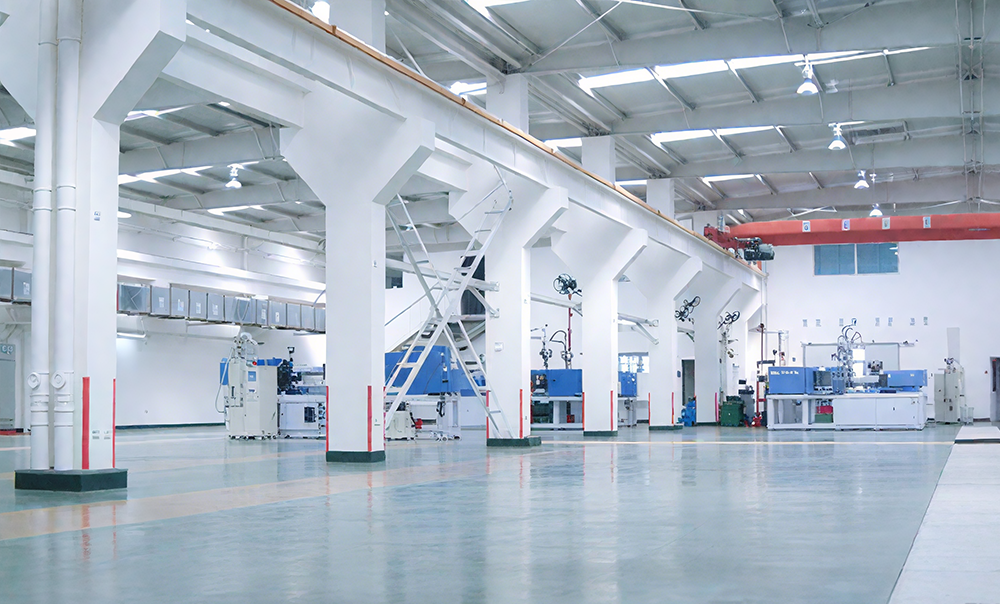
Concrete densifiers are important treatments. They make concrete surfaces stronger and last longer. They work by going into the concrete and reacting with free lime or calcium hydroxide. This reaction makes calcium silicate hydrate. This increases the density of the concrete. You can expect better durability, less porosity, and stronger surface stability.
Types of Densifiers
There are different types of concrete densifiers available. Each type has special features and uses. Here are the main types:
Silicate Densifiers:
These densifiers stick to loose calcium hydroxide in the concrete.
They form a hard molecule that fills the pores. This increases density and strength.
You can see compressive strength rise by up to 2000 psi, which greatly improves abrasion resistance.
Colloidal Silica Densifiers:
These products add reactive silica into the concrete’s pore system.
They react with free lime to form a hard gel that improves the surface.
However, they do not penetrate as deeply as silicate densifiers, which may lower their effectiveness.
Lithium-based densifiers are great for making polished concrete more durable.
They react with free lime to create calcium silicate hydrate, which boosts the concrete’s density and lifespan.
Sodium and Potassium Densifiers:
These work like lithium densifiers. They help form a gel that sticks to the concrete.
They reduce porosity, which leads to less dusting and better surface stability.
Densifier Type | Common Applications |
|---|---|
Hard Troweled Industrial Floors | Used for making strong surfaces in industrial areas |
Polished Concrete | Applied before polishing to improve durability |
Decorative Concrete | Used before decorative staining for better looks |
By picking the right type of densifier, you can greatly improve how your concrete surfaces perform and look.
Concrete Hardeners Overview
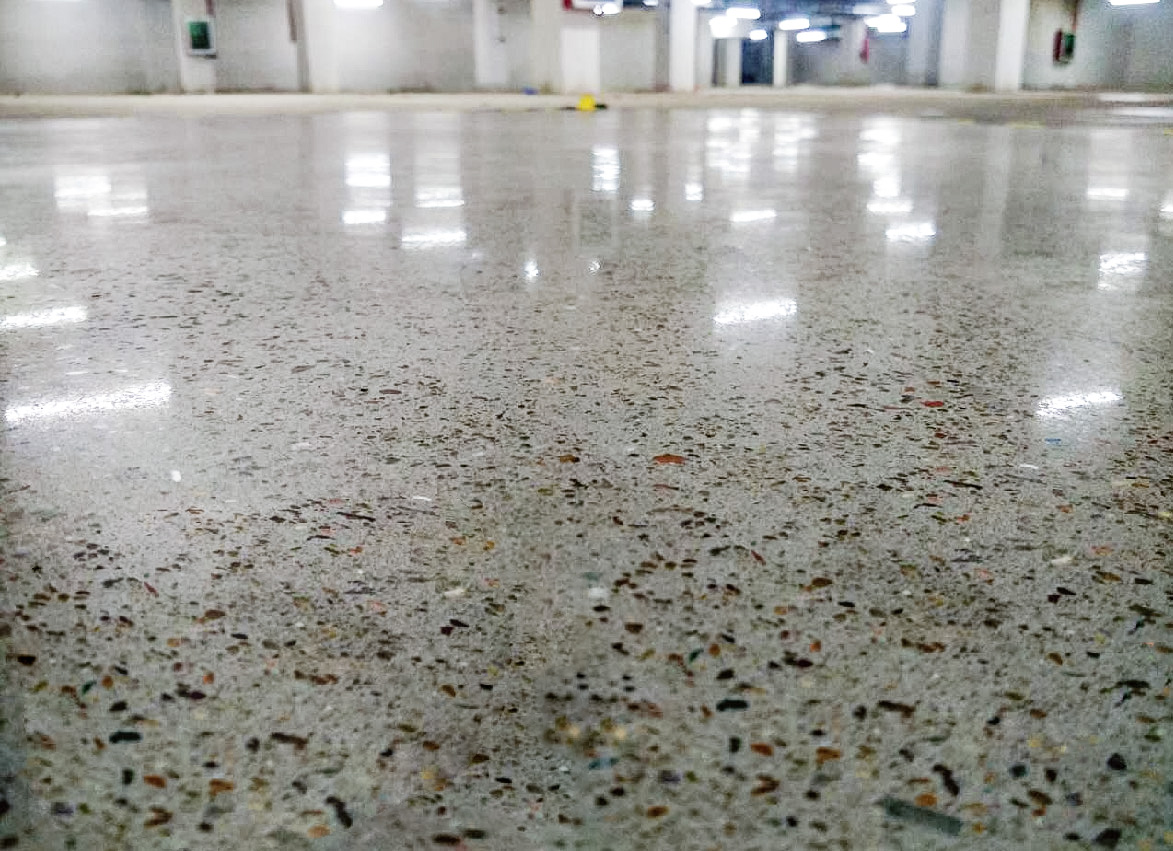
Concrete hardeners are very important for making concrete surfaces last longer. They create a protective layer on top. This layer makes the concrete harder and more resistant to wear. It helps stop damage, so your concrete surfaces stay strong.
Types of Hardeners
There are different types of concrete hardeners. Each type has special features and uses. Here are the main types:
Soluble Silicates:
These hardeners react with weak calcium hydroxide in concrete.
They make the concrete stronger by forming a hard layer on top.
Siliconates:
Siliconates make concrete surfaces stronger and more durable.
They are great for outdoor use because they repel water well.
Proprietary Ingredients:
Some hardeners have special blends that help make concrete denser.
These ingredients often improve how well the concrete works.
Main Function | |
|---|---|
Soluble silicates | React with weak calcium hydroxide to produce stronger concrete |
Siliconates | Enhance durability and strength of concrete surfaces |
Proprietary ingredients | Contribute to the formation of denser concrete surfaces |
Concrete hardeners work well in busy areas. For example, malls, loading docks, and industrial floors really benefit from them. They create a surface film that can limit breathability but makes the surface much harder.
On the other hand, concrete densifiers go deep into the concrete. They increase density and lower porosity while letting moisture escape. This difference means hardeners are best for places needing strong surfaces, while densifiers are better for long-lasting solutions that blend into the concrete.
Application Area | Common Uses |
|---|---|
Malls | |
Loading Docks | Heavy equipment and vehicle traffic |
Industrial Floors | Durable surfaces for machinery use |
Car Showrooms | Aesthetic and durable flooring |
By knowing the types of concrete hardeners, you can make smart choices for your projects. This way, your concrete surfaces will stay strong and last a long time.
Densifier Hardener Sealer Comparison Criteria
When picking a densifier hardener sealer, think about some important things. These include how well it works, how to apply it, how long it lasts, and the price. Each of these factors helps you decide which product is best for you.
Effectiveness
How well a densifier hardener sealer works is very important. A recent study looked at eleven different products to see how well they made concrete harder. Researchers used FTIR spectroscopy to group the products by their active ingredients. They checked how well they held water and their strength using the pull-off method. The results showed big differences in the microstructure of the treated samples.
You can expect better compressive strength and abrasion resistance after using these products. The table below shows typical improvements:
Improvement Type | Percentage Increase |
|---|---|
Compressive Strength | 20–45% |
Abrasion Resistance | Enhanced significantly |
Application Methods
How you apply the densifier hardener sealers is very important for how well they work. Here are some steps to follow for good application:
Make sure the surface is clean and has no sealers or curing compounds.
Use an auto-scrubber on troweled surfaces to prepare.
Vacuum and auto-scrub the honed area before applying.
Use a low-pressure sprayer to apply the densifier and soak the surface.
Keep the surface wet for 20 minutes to ensure full saturation.
Following these steps helps the densifier soak in well, making your concrete floor stronger.
Durability
Durability is another key factor. Concrete treated with densifiers can last 15 to 20 years in heavy traffic. Untreated concrete usually lasts only 5 to 10 years. How long your concrete lasts depends on things like abrasion, carbonation, and chemical exposure.
The table below shows some factors that affect durability:
Factor | Description |
|---|---|
Abrasion | Heavy abrasion can damage concrete surfaces, especially with fast-moving water or heavy loads. |
Carbonation | Carbon dioxide reacts with concrete, lowering its pH and causing steel reinforcement to rust. |
Chloride Attack | Chlorides can get into concrete and rust steel reinforcement, especially in marine areas. |
Cost
Cost is often a key factor when choosing densifier hardener sealers. The average cost per square foot for these treatments can differ. Densifier prices start at $39.99 for a 1-gallon container, covering 100-400 square feet, and go up to $1,399.00 for a 50-gallon container. Clear water-based acrylic sealers also start at $39.99 for 1 gallon.
Adding chemical treatments can raise the total cost by $1 to $2 per square foot, depending on the size of the project and what you need.
Real-World Applications for Polished Concrete Floors
Polished concrete floors have many benefits in different places. Knowing where to use densifiers and hardeners can help you get the best results.
Scenarios Where Densifiers Excel
Densifiers work great in many settings. Here are some common examples:
Scenario | Benefits |
|---|---|
Polished Concrete Floors | Makes floors hard, clear, and shiny for nice and strong finishes. |
Industrial and Warehouse Floors | Increases strength under heavy traffic, stops dust, and cuts down maintenance costs. |
Retail and Commercial Spaces | Adds beauty, strength, and low upkeep, keeping the look good with foot traffic. |
Residential Garages and Basements | Provides strength and beauty, with floors lasting over 30 years with little care. |
In these situations, densifiers go deep into the concrete. They make it denser and less porous. This leads to a surface that lasts longer and can handle wear and tear.
Scenarios Where Hardeners Excel
Hardeners also have their uses in concrete work. Here are some situations where they do well:
Feature | Silicate Hardeners | Topical Sealers |
|---|---|---|
Appearance | Keeps the natural look | Changes the surface look |
Penetration | Goes deep and strengthens from inside | Coats the top |
Abrasion Resistance | Boosts resistance | Depends on the product |
Dusting Reduction | Cuts down on dust | Might not help with dust |
Best Use Scenario | Indoor floors where a natural look is wanted | General sealing jobs |
Hardeners are perfect for busy places like malls and loading docks. They create a tough surface layer that protects against wear while keeping the concrete’s natural look.
Picking the right densifier, hardener, or sealer is very important for your concrete surfaces. Each choice has special benefits for different needs. For example, liquid densifiers are popular because they are easy to use and work well. But, you should think about things like how long it lasts and what your project needs when you decide.
Tip: Always check the special features of your concrete before choosing a treatment. This helps you get the best results for your project.
By knowing the differences and uses of these products, you can make smart choices that improve how long your concrete surfaces last and how they look.
FAQ
What is the main difference between a densifier and a hardener?
Densifiers go into the concrete to make it denser and less porous. Hardeners form a protective layer on top, making the surface harder and more resistant to damage.
How long do densifiers and hardeners last?
Densifiers can last 15 to 20 years in busy areas. Hardeners usually last 5 to 10 years, depending on how they are used and the environment.
Can I use both densifiers and hardeners together?
Yes, you can use both. Densifiers strengthen the inside of the concrete, while hardeners improve the surface’s strength. Using them together gives the best protection.
How do I apply a densifier or hardener?
First, clean the surface well. Then, use a low-pressure sprayer for an even coat. Make sure the product soaks into the surface for the best results.
Are densifiers and hardeners safe to use?
Yes, most densifiers and hardeners are safe when used correctly. Always follow the instructions from the manufacturer and wear the right protective gear while applying.
See Also
Understanding Concrete Densifiers, Hardeners, And Sealers: Their Functions
Clarifying The Distinction Between Densifiers And Hardeners
The Ultimate Guide To Purchasing Concrete Densifiers And Hardeners
Selecting The Ideal Concrete Densifier, Hardener, And Sealer For 2025
Comparing BANDě’s Densifiers And Dry Shakes For Flooring Solutions
