

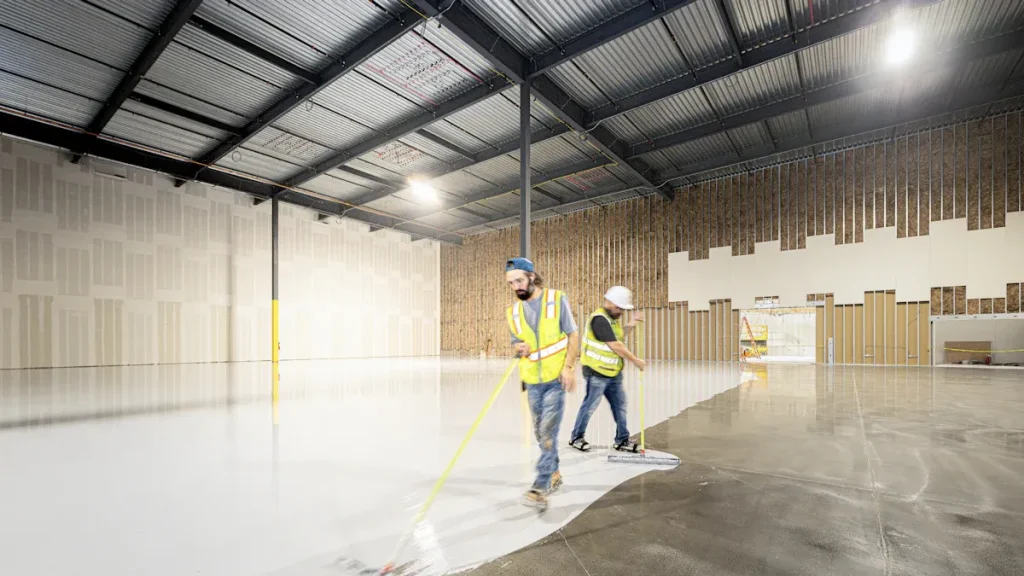
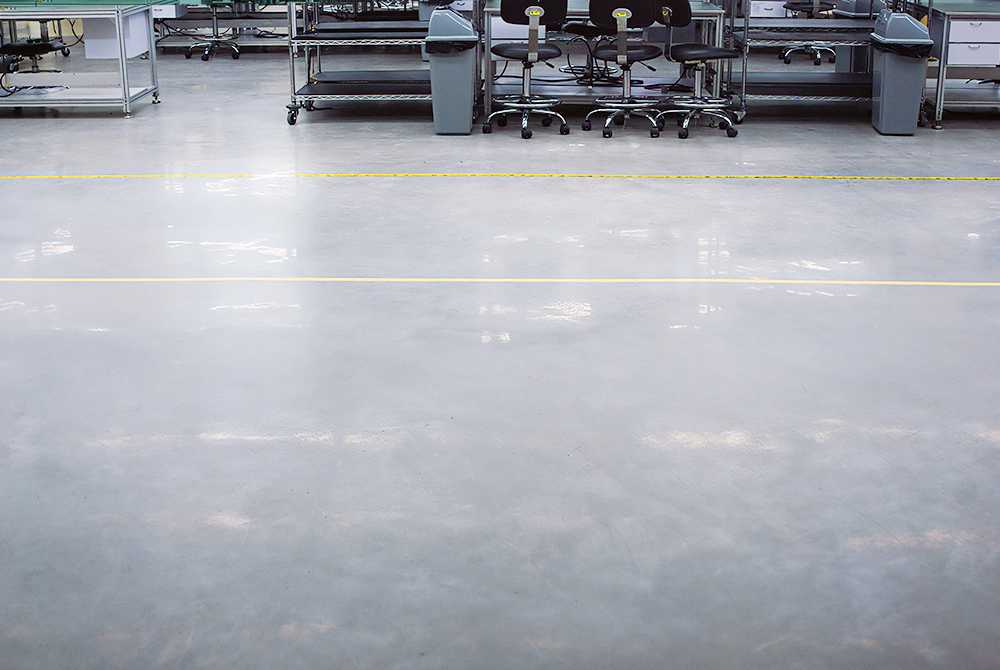
As you consider flooring options, sustainability plays a crucial role. More individuals are seeking flooring that not only looks appealing but is also good for the environment. Polished concrete stands out as a top choice for sustainable flooring. It reduces waste and conserves energy. The global market reflects this trend, as consumers increasingly desire eco-friendly options. Polished concrete has the added benefit of reflecting light, which helps lower energy bills and supports green building initiatives. So, is polished concrete eco-friendly? Yes, it is!
Key Takeaways
Polished concrete is a green flooring choice. It cuts down waste and saves energy. This makes it a good option for homes and businesses.
Using recycled materials in polished concrete means we need fewer new resources. This helps create a healthier indoor space with fewer harmful chemicals.
Polished concrete floors are strong and can last more than 20 years. They need less care than regular flooring like carpet and tile.
This type of flooring helps save on energy bills. It keeps indoor temperatures comfortable, which can lead to big savings on HVAC costs.
Choosing polished concrete helps the environment and raises property value. This makes it a smart money choice.
Environmental Benefits of Polished Concrete
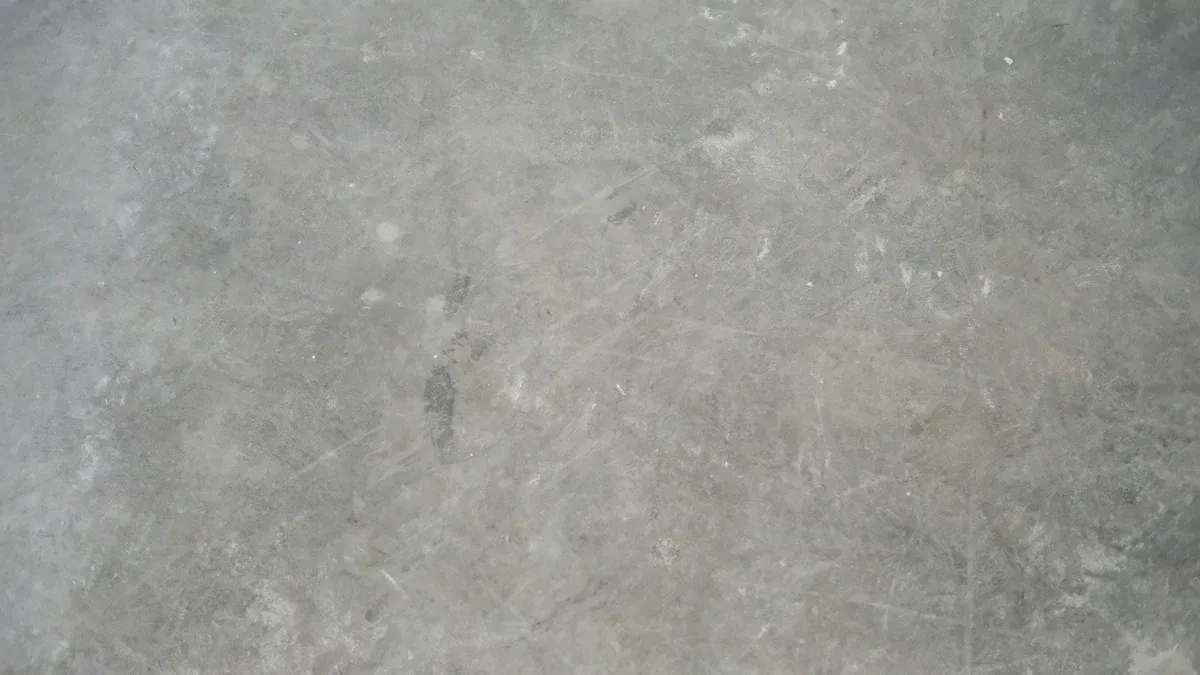
Is Polished Concrete Eco-Friendly?
You might ask, “Is polished concrete good for the environment?” The answer is yes! Polished concrete cuts down on waste by using materials that are already there. When you pick this flooring, you help lessen the need for new materials. This helps protect the environment and saves natural resources. Also, polished concrete has a smaller impact on the environment than regular flooring options.
Polished concrete is important for getting LEED certification. This certification checks how buildings affect the environment. By choosing polished concrete, you help meet different LEED goals. This makes it a popular choice for people who want green building certifications.
Use of Recycled Materials
Using recycled materials in polished concrete makes it even more eco-friendly. By adding waste products, you lower the need for new materials. This not only saves resources but also creates a healthier indoor space. You can enjoy the green benefits of polished concrete while knowing it has fewer harmful chemicals.
When you look at the carbon footprint of polished concrete compared to other flooring, you will see that polished concrete is strong and has fewer toxic materials. It can be made with recycled materials, which helps the environment. On the other hand, traditional flooring like carpet and hardwood can have bigger carbon footprints. For example:
Polished concrete has a high carbon footprint because its making uses a lot of energy, which creates a lot of CO2.
Hardwood flooring can have a lower carbon footprint if it is sourced responsibly, as it can be renewed and made sustainably.
Carpet has a high carbon footprint because it uses oil-based plastics and is hard to dispose of.
Choosing polished concrete for your flooring means you are making a smart choice that helps both you and the planet.
Durability of Polished Concrete Floors
Resistance to Wear and Tear
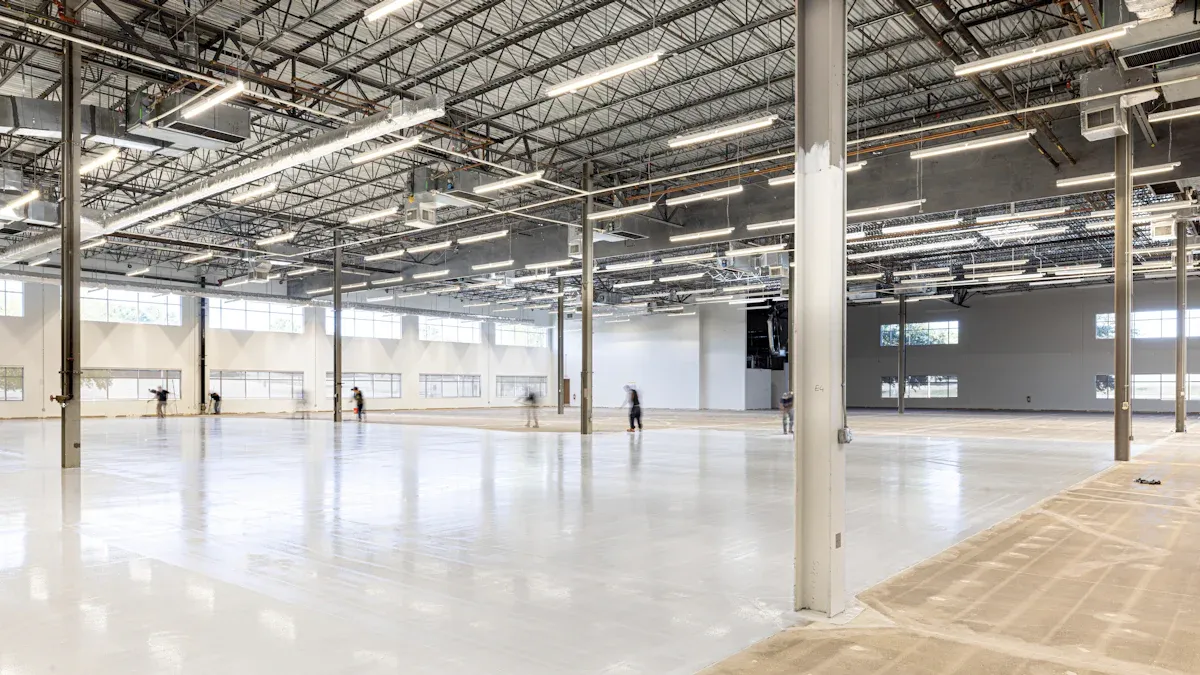
Polished concrete floors are great for busy places. They last longer than many other types of flooring. This strength makes them perfect for stores and warehouses. Polished concrete can last over 15 years longer than tile and carpet.
Here’s a quick comparison of polished concrete with other flooring types:
Feature | Polished Concrete | Other Flooring Types |
|---|---|---|
Durability | Lasts 15+ years longer than tile/carpet | Needs replacement every 8-12 years |
Maintenance | Just weekly mopping is enough | Needs more frequent cleaning |
Moisture Resistance | Non-porous, good for humid areas | Varies, often not as effective |
Safety | Non-combustible material | Hard surfaces may cause fatigue |
Aesthetic Appeal | Improves lighting | Varies a lot |
Cost-effectiveness | 60% less upkeep than wood floors | Higher long-term costs |
Environmental Impact | 97% less waste during installation | Often uses adhesives and VOCs |
Long-Term Performance
Choosing polished concrete means you get a long-lasting floor. In homes, it can last over 20 years. In businesses, it can last between 5 to 25 years, depending on how much traffic it gets and how well it is cared for. Regular cleaning, like sweeping and mopping, is important for keeping it nice. Re-polishing or adding sealants can help it last even longer.
The shiny finish of polished concrete can last 10 to 20 years before it needs a touch-up. In low-traffic homes, the finish can last 25 years or more. Compared to other flooring, polished concrete is known for being strong and needing little care.
Over 20 years, polished concrete is usually the cheapest flooring choice. It needs less care and replacement than hardwood, vinyl, or tile. For example, hardwood can get scratched and have moisture problems, while luxury vinyl plank (LVP) is not as strong over time. Tile can get discolored grout, which polished concrete does not have.
Energy Efficiency of Sustainable Concrete
Reduced Energy Costs
Polished concrete helps save a lot of energy. It has special thermal mass properties. This means it can absorb, store, and release heat well. In summer, polished concrete keeps rooms cooler by soaking up heat from the sun. This means you won’t need to use air conditioning as much. In winter, it holds onto heat, so you need less heating. This natural way of controlling temperature saves energy and keeps your home comfortable.
In subtropical areas, you can see HVAC costs drop by 20-30%. Polished concrete takes in heat during the day and lets it out at night. This helps keep indoor temperatures steady. You can save $0.50-$1.50 per square foot each year in places like South Florida. Many businesses have noticed these savings after switching from carpet or vinyl floors.
Eco-Friendly Flooring Solution
Polished concrete not only saves money but also helps the environment. It uses existing concrete slabs, which cuts down on waste and lowers the carbon footprint compared to other floors. For example, polished concrete can lower the carbon footprint of flooring by up to 60% compared to traditional options like bamboo and cork.
Here’s a quick comparison of the environmental impacts of different flooring types:
Flooring Type | Environmental Impact |
|---|---|
Polished Concrete | Uses existing slabs, reduces waste, smaller carbon footprint, durable |
Vinyl and Laminate | Made from plastic, uses a lot of energy to make, not recyclable, adds to waste |
Carpet | Not strong, needs to be replaced often, has harmful synthetic materials |
Tile | Uses a lot of energy and water to produce, less sustainable than polished concrete |
Choosing polished concrete for your floors means you are making a smart choice that helps both your budget and the planet.
Low Maintenance and Cost-Effectiveness
Maintenance Requirements
Polished concrete floors are easy to take care of. This makes them a smart choice for busy areas. You just need to sweep, dust, and mop them to keep them looking nice. Unlike carpet and tile, which need more cleaning, polished concrete is simple to maintain. Here are some important points about its care:
Just sweep regularly and mop with gentle cleaners sometimes.
You don’t need to scrub hard like you do with carpet and tile.
Polished concrete keeps stains away, so you don’t need strong cleaners.
This easy care helps the environment by using less water and fewer harmful cleaning products.
Financial Advantages
Choosing polished concrete can save you a lot of money in the long run. Even though it might cost more at first than some other floors, it usually costs less over ten years. This is because it lasts a long time and needs little care. Here’s why polished concrete is a smart financial choice:
Over ten years, polished concrete flooring usually costs less than carpet, tile, and hardwood because it lasts longer and needs less maintenance.
Also, polished concrete can raise the value of commercial buildings. Its modern look and low care attract buyers or renters, which can lower future renovation costs. By picking polished concrete, you cut down on current maintenance and energy costs while also making your property more appealing and valuable.
Polished concrete has many benefits that make it a great choice for eco-friendly flooring. It uses materials that are already there, which cuts down on waste and saves resources. It also helps save energy by reflecting natural light and keeping indoor temperatures steady. Plus, polished concrete has low VOC emissions, which makes the air inside healthier.
Think about these benefits when you plan your next flooring project. By picking polished concrete, you choose a strong, green option that improves your space and helps the planet.
FAQ
What is polished concrete?
Polished concrete is a type of floor made by grinding and polishing old concrete surfaces. This process makes the concrete look better and last longer. It is a popular choice for homes and businesses.
How long does polished concrete last?
Polished concrete can last more than 20 years if you take care of it. It is very strong, making it a good investment. Other types of flooring usually need to be replaced every 8 to 12 years.
Is polished concrete slippery?
Polished concrete can be slippery, especially when it is wet. You can add anti-slip treatments when installing it. This helps improve grip and safety, making it good for many places.
Can I install polished concrete over existing floors?
Yes, you can put polished concrete over old concrete slabs. This process helps reduce waste and the need for new materials. It fits well with eco-friendly flooring practices.
How do I maintain polished concrete floors?
Taking care of polished concrete is easy. Just sweep regularly and mop with a gentle cleaner sometimes. Avoid using harsh chemicals to keep the finish nice and make the floor last longer.
See Also
Discover The Advantages Of BANDě Polished Concrete Floors
Transforming Your Floors: Tips For Polished Concrete Care
Selecting The Ideal Polished Concrete Densifier For 2025
Understanding BANDě Polished Concrete: Crafting Techniques For 2025
