

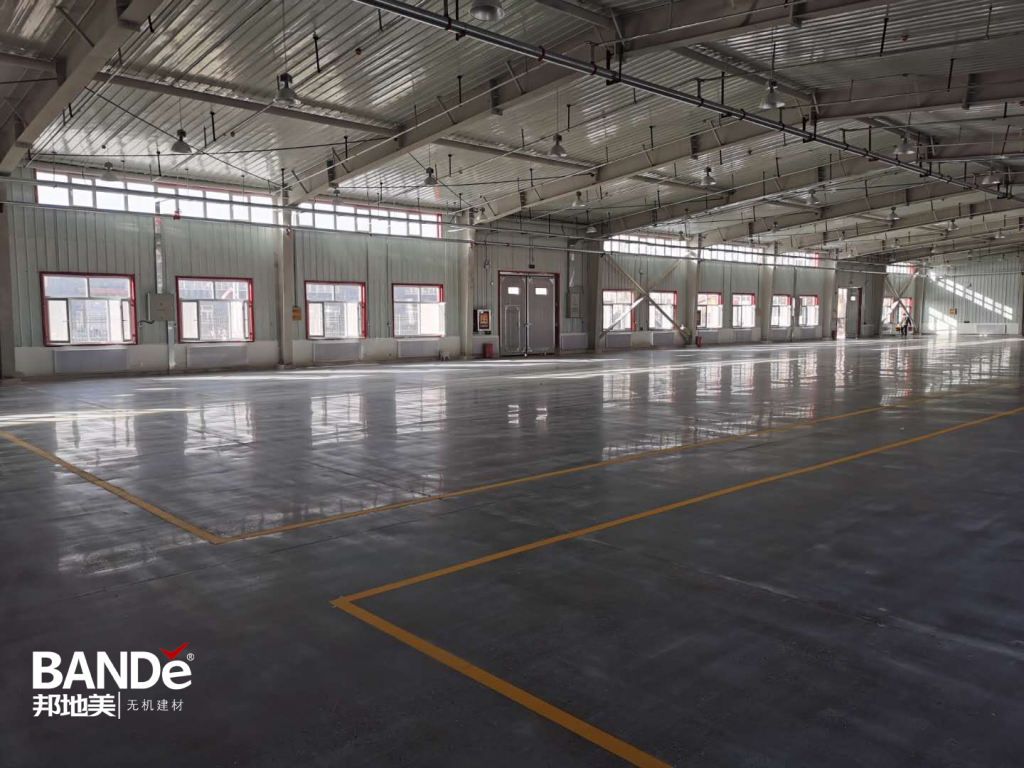
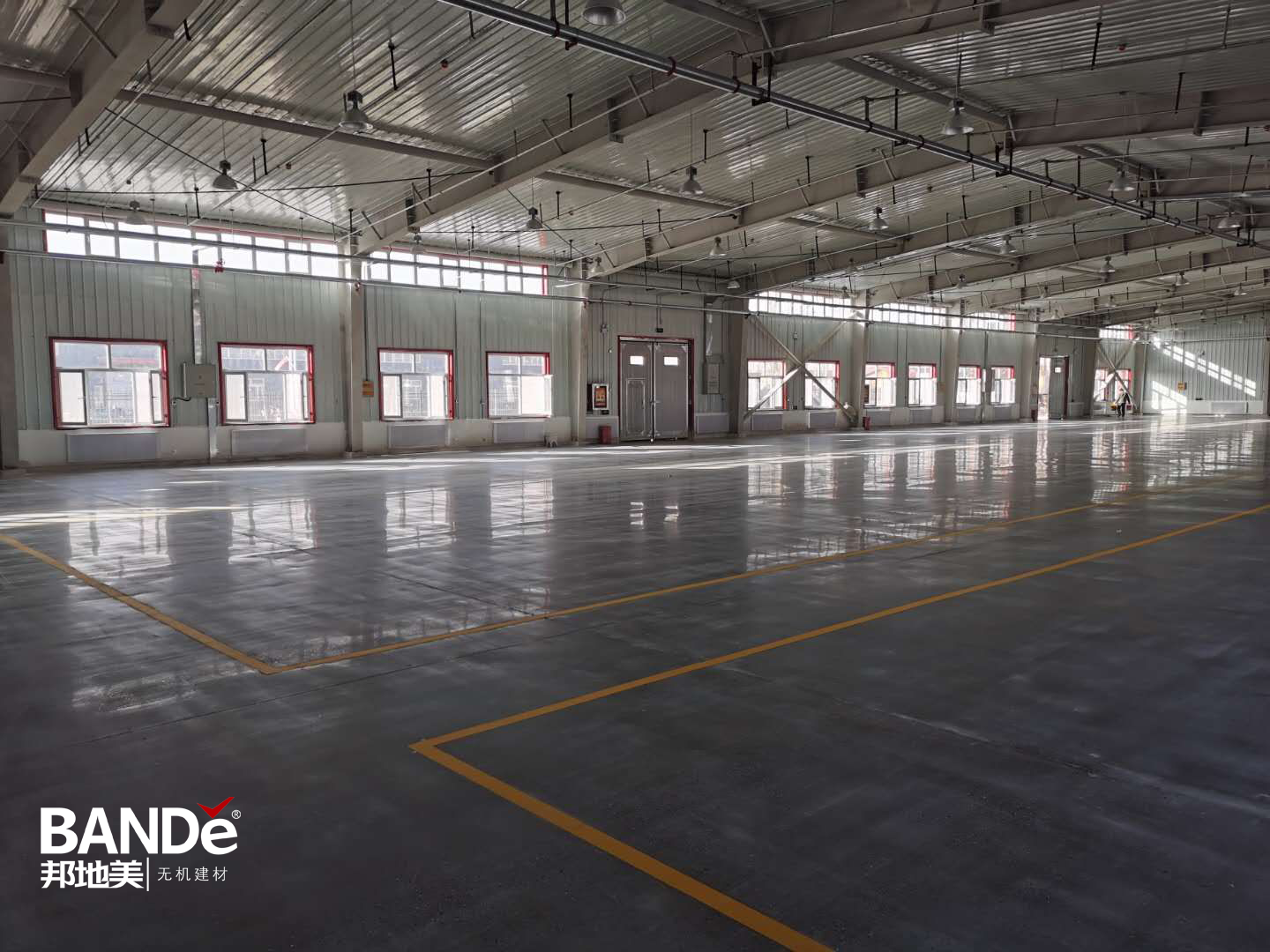
Maintaining industrial concrete floors is very important, especially when it comes to industrial floor repair. It helps keep the workplace safe and productive. If floors are not taken care of, they can be dangerous, leading to slips and falls, which can result in accidents and injuries. These problems can slow down work and lower efficiency. Additionally, damaged floors can weaken the support for heavy machines. Knowing how to perform industrial floor repair is essential. This step-by-step guide will help you fix your floor problems effectively.
Key Takeaways
Check your concrete floors often to find damage early. Look at busy areas every month to avoid expensive repairs later.
Pick the right repair method for the type of damage. Use patching for small cracks and resurfacing for bigger problems.
Get the area ready before you start repairs. Clean the surface and take away loose materials. This helps new materials stick well.
Get professional help for big damage. Experts can give you long-lasting fixes and stop small problems from getting worse.
Use preventive maintenance practices. Regular cleaning and sealing can protect your floors and make them last longer.
Assessing Damage for Industrial Floor Repair
Common Issues
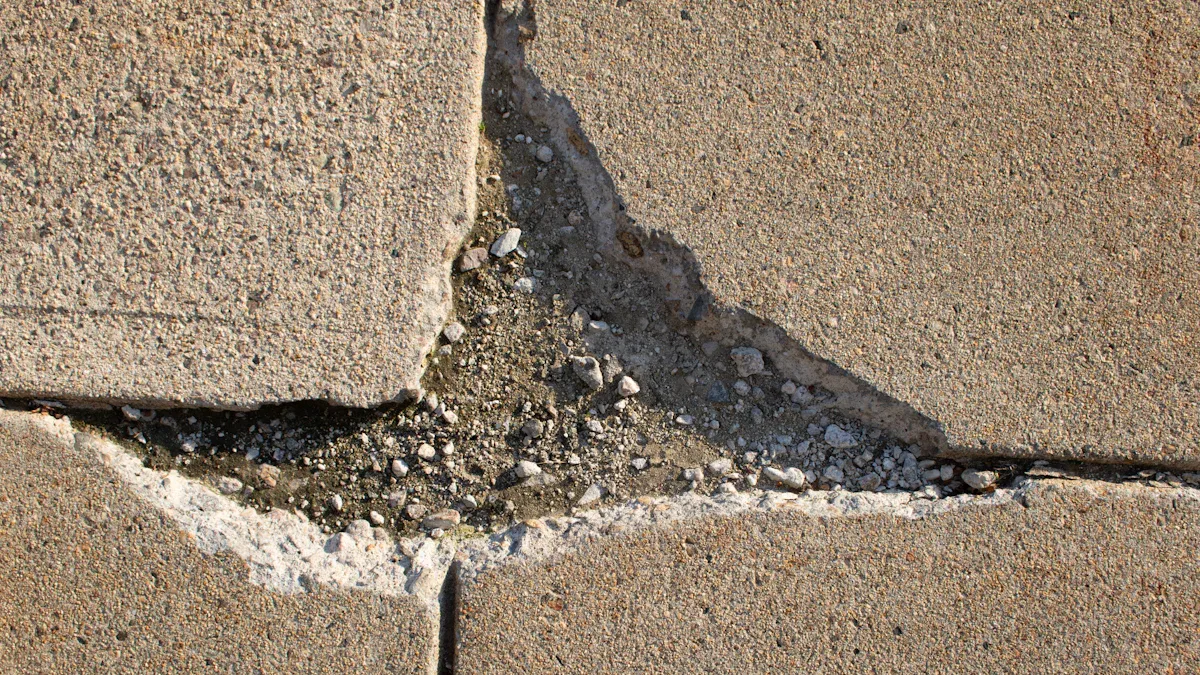
When you check your industrial concrete floors, you might find some common problems. Finding these issues early helps you choose the best repair options. Here are some usual types of concrete floor damage:
Cracking: This happens because of load stress, shrinkage, or moisture getting in. Cracks can be small like hairline fractures or bigger structural cracks.
Spalling: This occurs when the top layer chips off, often from freeze-thaw cycles or chemicals. You might see flaking or pitting on the surface.
Surface Damage: Heavy machines can cause wear, leading to uneven surfaces or objects stuck in the floor.
Scaling: This means the concrete surface peels off, often due to poor curing or freeze-thaw cycles.
Discoloration: Uneven curing, water damage, or chemicals can cause ugly stains on your floors.
To find these problems, do a visual check. Look for cracks, flaking, or discoloration. Tapping the surface with a hammer can help find delamination; hollow sounds may show internal damage.
Severity Evaluation
After finding the common issues, you need to check how serious the damage is. This check helps you decide what repair methods to use. Here are some things to think about:
Visual Inspections: Regular checks for cracks and discoloration are key for spotting damage early.
Types of Cracks: Different cracks show different levels of seriousness. For example, settlement cracks might need more repairs than small surface cracks.
Environmental Factors: Conditions like freeze-thaw cycles and moisture can make damage worse, causing spalling or surface delamination.
Sulfate Attack: Both internal and external sulfate attacks can create big structural problems, including major cracking and bond failure.
Joint Integrity: Proper installation and spacing of isolation and control joints are important to stop cracking from stress.
The seriousness of the damage affects your choice of repair method. For small issues, local fixes may be enough. But severe damage might need bigger solutions. Quick application methods are often better to reduce downtime, especially in working facilities.
By knowing the common issues and checking the damage’s severity, you can plan how to repair damaged concrete floors and keep your industrial space safe and functional.
Repair Methods
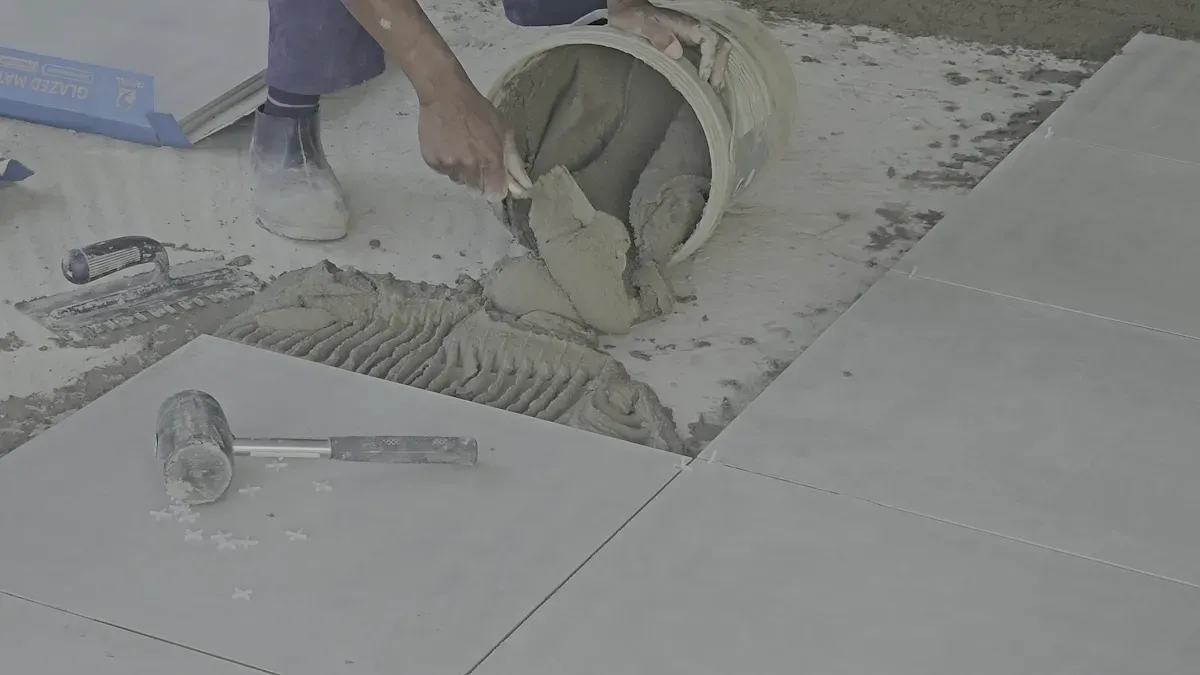
To fix damaged concrete floors, you need to pick the right method. This choice depends on the type and seriousness of the damage. Here are some good repair options to think about:
Patching Techniques
Patching is a common way to fix small cracks and holes in industrial concrete floors. Here are some useful techniques:
High-Quality Repair Kits: These kits are easy to use and cheap for small repairs. They work well for hairline cracks and small chips but may not fix deeper problems.
Epoxy Injection: This method is great for cracks that are not active. You seal the crack and inject epoxy to make a strong bond.
Routing and Sealing: For cracks that are not structural, widen the crack and fill it with a flexible sealant. This helps it last longer and stops more damage.
Polyurea for Crack Filling: This method dries fast and fills dormant cracks well, giving a strong and slightly flexible fill.
When picking materials for patch repair, think about these options:
Cement Patches: Best for bigger cracks and holes.
Surface Patches: Made for small flaws, giving a smooth finish.
Polymer-Modified Patches: Mixed with polymers for better sticking and flexibility.
Quick-Setting Patches: Allow for fast application and drying.
Crack Fillers: Made for small cracks, easy to use in liquid or paste form.
Resurfacing Options
If your concrete floors have a lot of surface damage, resurfacing can help make them look and work better. Here are some popular resurfacing choices:
Resurfacing Option | Description | Benefits |
|---|---|---|
Surface Grinding and Honing | Grinding to level the surface and remove flaws. | Takes off old coatings, removes stains, prepares for new finishes. |
Concrete Overlays | Thin layers of cement put over existing surfaces. | Covers cracks, makes a uniform look, adds decorative textures. |
Epoxy and Polyurea Coatings | Smooth finishes that resist wear and chemicals. | Easy to clean, very resistant to moisture, comes in many colors and textures. |
Stains, Dyes, and Finishes | Color treatments to improve the look of concrete. | Adds depth and character, can include custom patterns or designs. |
When thinking about durability and cost, keep these resurfacing methods in mind:
Polymer-Modified Cement Overlays: Great for fixing cracks and surface flaws; weather-resistant and quick-drying.
Epoxy Coatings: Very durable and chemical-resistant; best for busy areas.
Polyurethane Coatings: Flexible and UV-resistant; good for outdoor surfaces needing long-lasting strength.
Self-Leveling Compounds: Quickly creates a smooth surface; often used as a base for other finishes.
Joint Repair Solutions
Fixing joints properly is important to stop future damage. Here are some best practices:
Use sealants or joint fillers correctly to keep out water and freeze-thaw cycles.
Fix signs of joint damage quickly to stop it from getting worse.
Make sure joints have enough space to move to avoid too much stress.
Keep proper drainage to stop water from building up around joints.
For joint fillers or sealants, think about these options:
Polyurethane Sealants: Flexible and good for outside joints.
Polysulfide Sealants: Good for outside use.
Semi-Rigid Polyurea and Epoxy Joint Fillers: Great for inside joints, supporting heavy loads.
Hot Pourable Sealants: Give excellent long-term protection.
By knowing these repair methods, you can effectively fix concrete floor damage and keep your industrial space safe and working well.
Repair Process for Damaged Concrete Floors
Area Preparation
Before you start fixing damaged concrete floors, you need to get the area ready. Follow these steps to make sure your repair works well:
Clean the area well to get rid of dirt, oil, grease, or old coatings.
Check and prepare the surface by using a grinder or wire brush to remove loose bits from cracks until you reach solid concrete.
Look at the concrete structure to find any hidden problems that might affect the repair.
Make a plan to ensure your repairs are strong and cost-effective.
Getting ready properly is important for good repairs. It helps new materials stick well and last longer.
Executing Repairs
After preparing the area, you can start fixing the damage. Depending on what type of damage you have, you might use different methods:
For small cracks, use good repair kits or epoxy injection to fill the gaps.
For bigger areas, think about using self-leveling compounds to make a smooth surface.
If your warehouse floors are worn out, resurfacing with a concrete overlay can help restore their function and look.
Always follow the manufacturer’s instructions for any materials you use. This helps ensure the best results and longer-lasting repairs.
Curing and Finishing
Once you finish the repairs, curing is very important for making them last. Here are some good methods to use:
Apply sealing and coating with polyurethane or epoxy to lower chemical absorption and wear.
Use densifiers to make the surface harder and improve fire resistance.
Finishing touches are very important for how long your repaired floors last and how they look. Proper refinishing can refresh worn surfaces, making them stronger and nicer to see. Make sure to clean thoroughly before refinishing to get a strong bond. This step is key for a long-lasting and good-looking surface.
By following these steps, you can effectively repair damaged concrete floors and keep your industrial space safe and functional.
Preventive Maintenance
Regular Inspections
Regular inspections are very important for keeping industrial concrete floors in good shape. You should check your floors often to find any early signs of damage. This helps you avoid expensive repairs later. Here’s a simple guide for how often to inspect based on how much the floors are used:
Usage Level | |
|---|---|
High-traffic areas | Monthly |
Moderate-use areas | Every three months |
Low-use zones | At least two times a year |
By sticking to this schedule, you can keep your floors healthy and make them last longer.
Maintenance Practices
Using good maintenance practices is key to keeping your industrial floors nice. Here are some helpful tips to maintain your floors:
Sweep every day to get rid of rough particles.
Mop once a week with a soft mop and gentle cleaner.
Clean up spills right away to stop damage.
Sealing your concrete floors is also very important. Sealants create a barrier that stops liquids and chemicals from soaking into the surface. This protection helps resist wear and keeps your floors looking nice.
Also, think about these tips to help your floors last longer:
Seal to guard against chemical spills and moisture.
Fix small damages quickly to stop them from getting worse.
Use protectors in busy areas to spread weight and stop cracking.
Regular maintenance not only saves you money but also makes things safer. By fixing small problems early, you can avoid big repairs that cost a lot. Investing in preventive maintenance is a smart choice that pays off over time.
When to Seek Professional Help
Signs of Major Damage
You should think about getting professional help if you see serious damage to your industrial concrete floors. Here are some signs that mean you need an expert:
Cracking: Big cracks usually mean there are moisture problems that can harm the floor.
Bubbling: If you notice bubbles on the surface, moisture is likely coming up, which can cause more damage.
Delamination: Tiles or parts lifting up show that the glue has failed, often because of moisture issues.
Mold Growth: Seeing mold means there are moisture problems that need quick action.
Staining: Oily or strange stains can mean there are moisture issues under the surface.
These signs show that the damage might be too much for you to fix on your own. Ignoring these problems can lead to worse issues and higher repair costs.
Benefits of Professional Services
Hiring professionals for concrete floor repairs has many benefits. Here are some important ones:
Benefit | Description |
|---|---|
Experts use advanced methods and materials that give strong repairs, making your floor last longer. | |
Professionals can fix small problems early, stopping expensive repairs and cutting down on downtime. | |
Return on investment | Professional repairs reduce business interruptions and create a safer workplace, improving overall efficiency. |
Investing in professional help strengthens your floors. It keeps your workers and equipment safe by stopping small issues from becoming big problems. The return on investment includes less liability and better safety, making it a smart choice for your business.
Ignoring small concrete damage can lead to big hidden costs, like safety risks and downtime. By investing in quick repairs and preventive care, you can avoid these costs and keep a safe, efficient workplace.
To keep your industrial concrete floors in good shape, follow some simple steps. First, check and prepare the area to make sure repairs work well. Pick the right materials and use them correctly for the best results. Don’t forget to cure and protect the repaired spots to make them last longer. Regular checks and maintenance can stop future damage, saving you both time and money.
Tip: Mix regular maintenance with quick professional help. This way, your floors last longer, stay safe, and avoid expensive repairs.
By being proactive, you can keep your warehouse safe and running smoothly.
FAQ
What causes cracks in industrial concrete floors?
Cracks usually happen because of heavy loads, temperature changes, or water getting in. Checking your floors often helps you find these problems early and pick the right ways to fix them.
How often should I inspect my concrete floors?
Look at high-traffic areas every month, moderate-use areas every three months, and low-use zones at least two times a year. Regular checks help you spot damage early.
Can I repair concrete floors myself?
Yes, you can fix small issues like patching tiny cracks or resurfacing. For bigger problems, think about hiring experts to make sure the repairs are done right and last longer.
What materials are best for patching concrete?
Use good repair kits, epoxy, or polymer-modified patches for the best results. Pick materials based on how big and what type of damage you need to fix.
How can I prevent future damage to my floors?
Follow regular maintenance steps, like cleaning spills right away, sealing surfaces, and doing routine checks. These actions help your concrete floors last longer.
See Also
Comprehensive Concrete Sealer Guide For Industrial Floor Protection
Essential Tips For Choosing The Right Concrete Floor Hardener
Complete Guide To Polishing Concrete Floors With BANDě Solutions
Expert Guide To Concrete Patching And Effective Crack Repair
Top Five Concrete Floor Hardeners For Industrial Applications
