

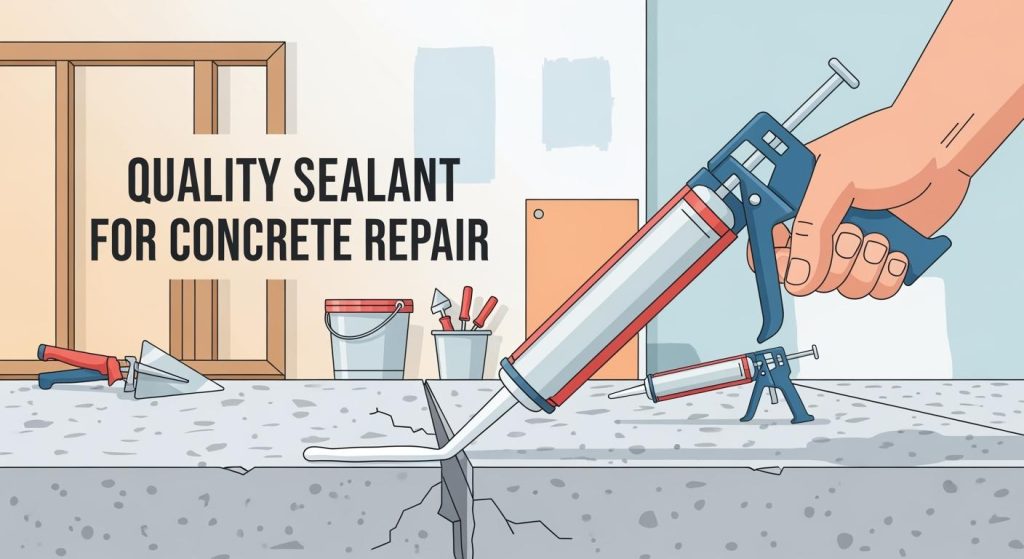
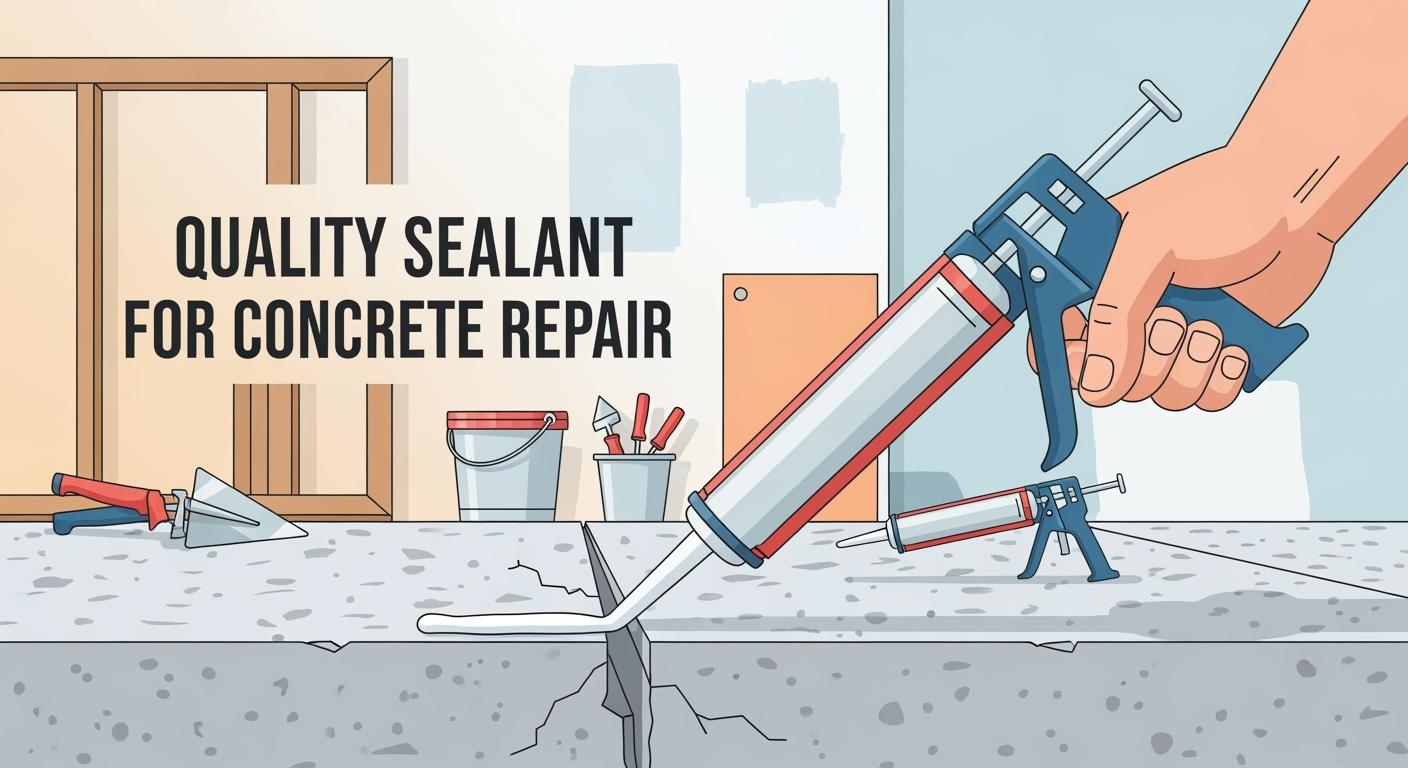
Sealing concrete cracks is crucial for preserving your surfaces. The right crack sealant enhances durability and minimizes maintenance needs. Consider factors like ease of use, cure time, and weather resistance when choosing the best concrete crack fillers. High-quality sealants protect against moisture and extend the lifespan of your concrete.
Key Takeaways
Choose the right sealant based on crack size. Use epoxy for structural cracks and polyurethane for moving cracks.
Consider weather resistance when selecting a sealant. Look for products that can withstand extreme temperatures and moisture.
Properly applied sealants can last 10 to 20 years. Clean cracks thoroughly and address moisture sources for best results.
Top Crack Sealant
Product Description
When it comes to sealing concrete cracks, one product stands out: Flex-A-Fill. This versatile crack sealant works wonders on both asphalt and concrete surfaces. Its unique formulation allows it to expand and contract with temperature changes, making it ideal for various climates. You can apply it easily with a caulking gun, ensuring a smooth finish that blends seamlessly with your concrete.
Pros and Cons
Pros:
Versatility: Flex-A-Fill is suitable for different types of cracks, whether in asphalt or concrete. This flexibility makes it a favorite among contractors.
Durability: Laboratory tests show that it has excellent bond strength and resistance to water penetration. It effectively prevents moisture from seeping through, which can lead to further damage.
Quick Application: You can apply it quickly, and it cures fast, allowing you to complete repairs in no time.
Cons:
Temperature Sensitivity: While it performs well in various conditions, extreme cold can affect its application. Ensure you check the temperature guidelines before use.
Initial Cost: It may be pricier than some budget options, but its long-term benefits often justify the investment.
Best for Large Cracks
Product Description
When you face wide cracks in your concrete, especially those over 6mm, you need a product that can handle serious repair jobs. The best for large cracks are concrete crack fillers designed to work in multiple stages. First, you’ll often need to route the crack to clean and widen it, then use backer materials before applying the sealant. This process helps the repair last longer and prevents future damage.
Products made for large cracks usually have a thicker consistency and strong adhesion. They expand and contract with the concrete, so they don’t crack again easily. Many come with warranties that show the manufacturer’s confidence in their durability. Some even offer limited lifetime guarantees or 50 to 60-year durability promises if you follow their instructions carefully.
Here’s what you should look for in the best for large cracks concrete crack fillers:
Ability to fill cracks wider than 6mm effectively
Compatibility with backer rods or other support materials
Flexibility to move with temperature changes
Strong water resistance to stop moisture damage
Long-lasting warranties for peace of mind
Pros and Cons
Warranty Type | Duration | Conditions |
|---|---|---|
Limited Lifetime Guarantee | Lifetime | Must be used as directed; liability limited to purchase price. |
50-year Limited Durability Guarantee | 50 years | Must be used as directed; liability limited to purchase price. |
60-year Limited Durability Guarantee | 60 years | Must be used as directed; liability limited to purchase price. |
Pros:
Designed specifically for large cracks, ensuring a solid repair
Multi-stage application options improve durability
Flexible formulas reduce the chance of re-cracking
Strong warranties back the product’s performance
Cons:
Application can be more complex, requiring routing and backer materials
Usually costs more than standard concrete crack fillers
May need professional help for best results
If you want to repair large cracks in your concrete, choosing the right concrete crack fillers is key. These products give you the strength and flexibility needed to keep your concrete safe and looking good for years.
Budget-Friendly Crack Fillers
Product Description
If you’re looking for cost-effective solutions to seal cracks in your concrete, budget-friendly crack fillers are a great choice. These products offer decent performance without breaking the bank. Many of them come in easy-to-use tubes or containers, making application straightforward for DIY enthusiasts. You can typically find these fillers at local hardware stores or online, ensuring accessibility for everyone.
While they may not have all the bells and whistles of premium options, they still get the job done. Most budget-friendly fillers work well for small to medium cracks, providing a solid seal that helps prevent water damage. Just remember, you might need to reapply them more frequently than pricier alternatives.
Pros and Cons
Pros:
Affordability: You can save money while still maintaining your concrete surfaces.
User-Friendly: Most products are easy to apply, even for beginners.
Accessibility: Widely available at various retailers.
Cons:
Durability Issues: Some fillers may not adhere well over time, leading to shrinkage and peeling.
Moisture Trapping: If not applied correctly, they can seal moisture inside cracks, causing further damage during freeze-thaw cycles.
Potential for Extra Costs: If you need professional repairs later, the initial savings might vanish.
Challenge Description | Impact |
|---|---|
Causes shrinkage, sinking, and peeling of the filler. | |
Sealing moisture inside cracks | Leads to further widening of cracks due to freeze-thaw cycles. |
Additional labor for professional repairs | Increases overall repair costs and complicates the repair process. |
When choosing the best concrete crack fillers, consider your specific needs and the size of the cracks. Budget-friendly options can be a smart choice, but weigh the pros and cons carefully to ensure you make the right decision for your concrete repair.
Cold Weather Sealants
Product Description
When winter hits, you need a reliable cold weather sealant to protect your concrete. These products are specially formulated to perform well in low temperatures, ensuring that your repairs hold up even when the mercury drops. Many cold weather sealants cure quickly, allowing you to complete your repairs without waiting for warmer days.
For instance, some sealants can cure at temperatures as low as -30 °C. They maintain their adhesive strength even after freeze-thaw cycles, which is crucial for long-lasting repairs. You’ll find that many of these sealants come in easy-to-use tubes, making application straightforward.
Pros and Cons
Pros:
Effective in Low Temperatures: Cold weather sealants work well even when temperatures plummet.
Quick Curing Times: Many products cure faster than standard sealants, allowing for quicker repairs.
Durability: They resist the damaging effects of freeze-thaw cycles, ensuring your repairs last.
Cons:
Application Challenges: Cold temperatures can make application tricky. You may need to follow specific guidelines to ensure proper adhesion.
Higher Cost: These specialized sealants often come at a premium price compared to standard options.
Here’s a quick look at how cold weather sealants perform under different conditions:
Performance Metric | Observation |
|---|---|
Decreased significantly during later stages after freeze-thaw cycles. | |
Adhesive strength at -30 °C | Exhibited a more pronounced linear increase after freeze-thaw cycles, indicating better stability. |
Impact of freeze-thaw cycles | Markedly decreased energy dissipation, critical for sealant performance. |
Long-term performance | Sealants at -30 °C showed greater stability compared to those at -20 °C. |
Choosing the right cold weather sealant can make all the difference in your concrete repair efforts. With the right product, you can ensure your repairs withstand the harsh winter months.
Choosing the Right Concrete Crack Filler
Consider Crack Width
When selecting a concrete crack filler, the width of the crack plays a crucial role. Different fillers work best for various crack sizes. For instance, if you’re dealing with structural cracks, epoxy is your best bet. It provides the necessary strength to maintain structural integrity. On the other hand, if you have moving cracks, consider using polyurethane or polyurea fillers. These materials can handle the movement without cracking again. For small surface cracks, a simple cement patch or repair compound will suffice.
Here’s a quick reference table to help you choose the right filler based on crack width:
Crack Width | Recommended Filler | Notes |
|---|---|---|
Structural cracks | Epoxy | Best for structural integrity |
Moving cracks | Polyurethane or Polyurea | Suitable for cracks that experience movement |
Small surface cracks | Cement patch or repair compound | Adequate for minor surface issues |
Evaluate Weather Resistance
Weather resistance is another key factor to consider. You want a filler that can withstand the elements, especially if you live in an area with extreme temperatures or heavy rainfall. The best concrete crack fillers can handle high heat, freezing temperatures, and heavy rain. Keeping water out is essential in cold weather to prevent ice formation, which can expand and cause further damage.
Here are some important points to keep in mind regarding weather resistance:
Look for fillers that are specifically designed to resist moisture and UV exposure.
Ensure the product can handle temperature fluctuations without losing its adhesive properties.
Consider the climate in your area. Products that work well in temperate climates may not perform as effectively in extreme conditions.
To summarize, when choosing a concrete crack filler, always consider the crack width and the weather conditions in your area. This approach ensures that you select a product that not only fills the cracks effectively but also stands the test of time against environmental challenges.
In summary, choosing the right concrete crack sealant is essential for effective repairs. Consider factors like crack width and weather conditions to find the best fit for your needs. Remember, properly applied sealants can last between 10 to 20 years.
Here are some tips for long-term success:
Address moisture sources and structural stress.
Use high-quality materials designed for concrete repair.
Clean cracks thoroughly before applying filler.
Feel free to share your experiences or ask questions in the comments below!
FAQ
What is the best way to apply concrete crack sealant?
Start by cleaning the crack thoroughly. Then, use a caulking gun to apply the sealant evenly. Smooth it out for a neat finish.
How long does concrete crack sealant last?
Most high-quality sealants can last between 10 to 20 years, depending on the product and environmental conditions.
Can I use sealant on wet concrete?
It’s best to apply sealant on dry concrete. Moisture can prevent proper adhesion and reduce the effectiveness of the sealant.
See Also
The Complete Handbook for Effective Cement Crack Sealing
How to Choose the Right Concrete Sealer for You
Selecting the Ideal Cementitious Crack Sealer for Your Needs
A Comprehensive Guide to Selecting Concrete Protective Sealers
