

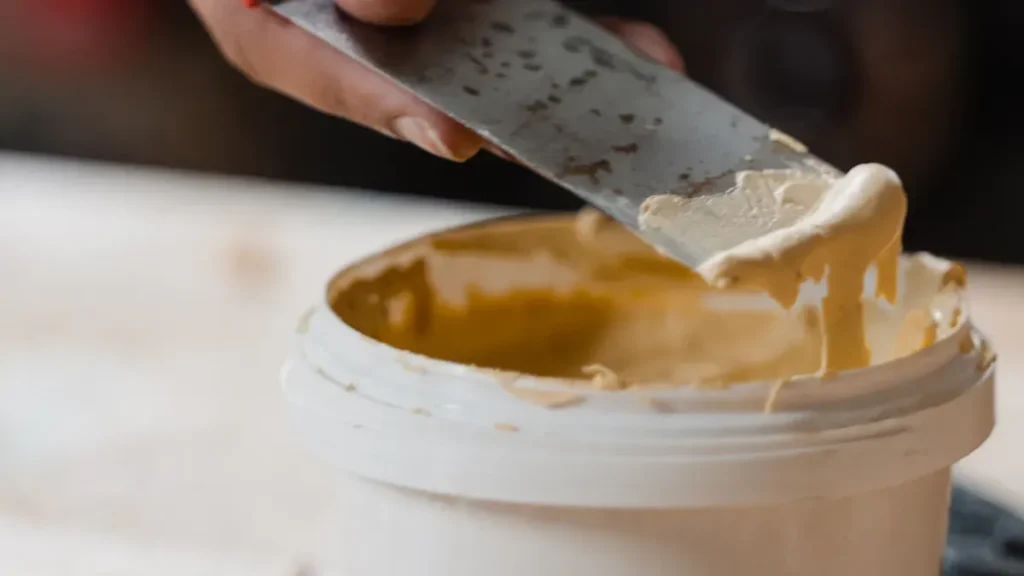
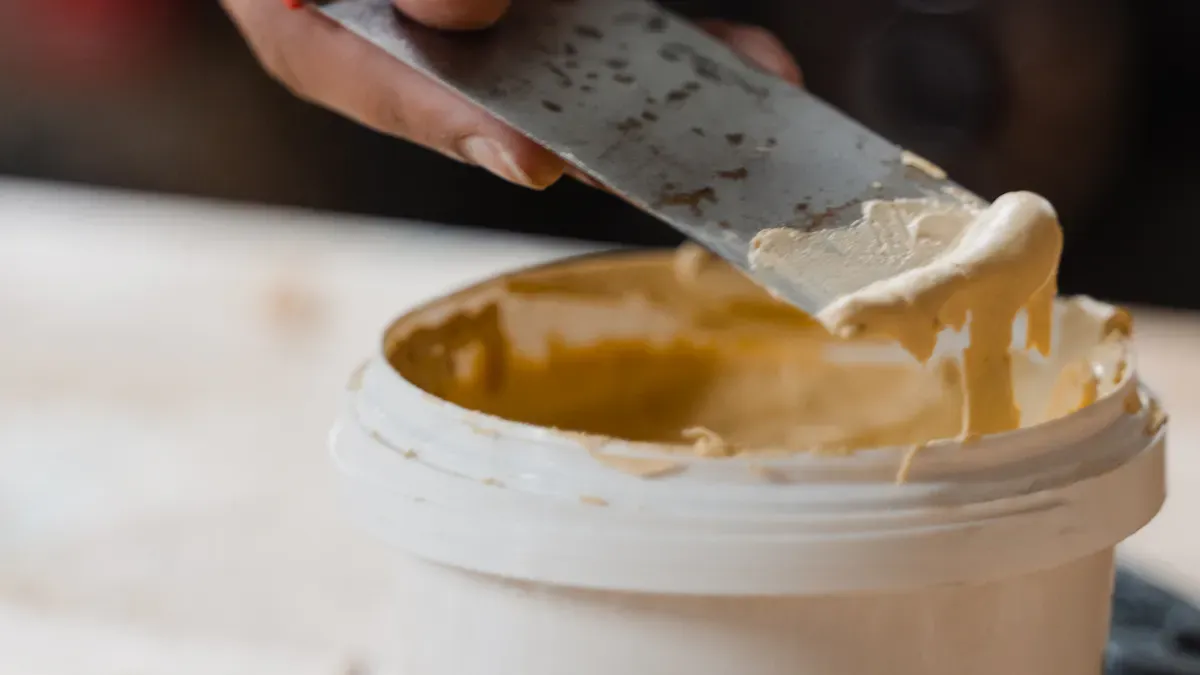
Spackle for Concrete offers a practical solution for your concrete repair needs. It’s easy to apply and provides a strong bond, making it perfect for filling cracks and holes. Proper surface preparation is crucial. Cleaning the area thoroughly and using the right application techniques can ensure your repairs last.
Material | Average Cost per Ounce | Price Range per Ounce |
|---|---|---|
Joint Compound | $0.03 – $0.68 | |
Spackling Paste | $0.56 | $0.18 – $1.18 |
Key Takeaways
Thoroughly clean the concrete surface before applying spackle. This ensures better adhesion and a longer-lasting repair.
Apply spackle in thin layers, allowing each layer to dry completely before adding the next. This prevents uneven surfaces and enhances durability.
Allow at least 24 hours for spackle to cure before painting or sealing. Proper curing is essential for a strong and lasting finish.
Surface Preparation for Spackle
Cleaning the Area
Before you dive into applying spackle for concrete repairs, you must ensure the area is clean. A clean surface promotes better adhesion, which is crucial for a lasting repair. Here’s how to effectively clean your concrete surface:
Remove Loose Debris: Start by sweeping or vacuuming the area to eliminate dust, dirt, and any loose particles. This step is vital because even small debris can interfere with the bond of the spackle.
Use a Suitable Cleaning Solution: For stubborn stains, consider using a stiff-bristled brush along with a degreaser designed for concrete. This will help you tackle oil and grease stains that could hinder adhesion.
Consider Acid Etching: If your concrete surface is glossy, you might need to etch it using a 10-15% Muriatic Acid solution. This process creates a rough texture, allowing the spackle to grip better.
Final Rinse: After cleaning, rinse the area thoroughly with water and let it dry completely. A damp surface can actually help with adhesion, but it should not be wet when you apply the spackle.
Tip: Always wear safety goggles and gloves when working with cleaning agents or acid solutions to protect yourself from harmful chemicals.
Assessing Damage
Once your surface is clean, it’s time to assess the damage. Look for cracks, holes, or any other imperfections that need attention. Here’s what to do:
Identify Cracks and Holes: Inspect the concrete closely. Fill any cracks and holes with a suitable epoxy filler. Make sure the filler penetrates deeply to ensure a solid foundation for your spackle.
Check for Residual Adhesives: Sometimes, old wallpaper adhesive or other residues can remain on the surface. Even if they seem minor, these can cause bubbles in your new finish. Ensure you remove any such materials.
Sand Down Protrusions: If you notice any protruding pieces, sand them down. This step prevents water infiltration and ensures a smooth surface for your spackle application.
Following these steps will set you up for success. Proper surface preparation is key to achieving a durable and effective repair with spackle for concrete.
Applying Spackle for Concrete
Tools Needed
Before you start applying spackle for concrete repairs, gather the right tools. Having the right equipment makes the process smoother and helps you achieve a professional finish. Here’s a list of essential tools you’ll need:
Wire- or stiff-bristle brush
Caulk gun
Trowel
Putty knife or broad knife
Goggles
Gloves
Using high-quality tools can enhance your efficiency and lead to a better outcome. For instance, a good drywall knife helps you achieve a smooth, primed surface, which is crucial for any painting job you might plan afterward.
Step-by-Step Application
Now that you have your tools ready, let’s dive into the step-by-step process of applying spackle to your concrete surface. Follow these steps for optimal results:
Prepare the Area: Start by removing any loose debris around the hole. If you see any fibers sticking up, push them down toward the hole with the handle of your putty knife.
Stir the Spackling: Open your spackling compound. If it looks dry, stir it with a small putty knife until it becomes smooth and creamy.
Fill the Hole: Use your putty knife to apply a small amount of spackling in ¼-inch layers. It’s important to let each layer dry before adding the next one. Slightly mound the final layer to ensure a smooth finish.
Smooth It Out: After applying the last layer, wipe off your putty knife, dip it in water, and lightly smooth the spackling. This step helps create an even surface. Allow it to dry completely.
Sand When Dry: Once the spackling is dry, sand it down using medium-grit sandpaper first, then finish with fine-grit sandpaper. This will give you a smooth surface ready for painting or sealing.
Use a Mesh Patch When Needed: For deeper holes, consider using a wall repair patch kit. Apply spackling over the patch, feathering the edges to blend it seamlessly with the surrounding concrete.
Remember, patience is key! Allow each layer to dry fully before moving on to the next step. Rushing can lead to uneven surfaces and poor adhesion.
Spackling Tips: Avoid common mistakes like overestimating the cure time. Always follow the manufacturer’s instructions for the best results.
By following these steps, you’ll be well on your way to making effective concrete repairs with spackle.
Finishing and Curing
Sanding for Smoothness
After applying spackle, you want to achieve a smooth finish. Here’s how to do it effectively:
Apply Thin Layers: Start with thin layers of spackle. This approach prevents excessive buildup and makes sanding easier.
Sand Thoroughly: Once the spackle dries, use fine-grit sandpaper to smooth the surface. A light-duty sander can also help you achieve that professional look.
Feather the Edges: When sanding, feather the edges of the spackled area. This technique creates a seamless transition between the patched area and the surrounding concrete.
Make sure to remove any loose debris before you start sanding. Wiping the surface with a cloth or lightly sanding it can ensure a smooth application.
Curing Time and Maintenance
Curing is crucial for the durability of your repairs. The time it takes for spackle to cure can vary based on environmental factors.
Temperature has a major effect on the pace of this reaction: warmer conditions speed curing, while colder conditions slow it. For a strong, long-lasting surface, concrete should cure as quickly and consistently as possible; therefore, it must be protected against low temperatures that slow the curing process.
Typically, you should allow spackle to cure for at least 24 hours before applying any paint or sealant. During this time, keep the area dry and avoid any heavy traffic.
For maintenance, store your spackle properly. Here are some tips:
Storage Tip | Description |
|---|---|
Shelf Life | Spackle lasts 6-9 months once opened when stored properly; unopened can last up to 12 months. |
Storage Conditions | Store in a cool, dry location, away from direct sunlight and heat sources. |
Lid Maintenance | Keep the lid tight to prevent air exposure and drying out. |
Water Method | Pour half an inch of water over the surface before closing to extend shelf life. |
Cleanliness | Scrape the bucket sides clean before storage to avoid contamination. |
Disposal | Discard any compound showing mold, bad smells, or hardened texture. |
By following these finishing and curing steps, you’ll ensure that your spackle for concrete repairs holds up beautifully over time.
Using spackle for concrete repairs can be straightforward if you follow the right steps. Start with thorough surface preparation to ensure a strong bond. Apply the spackle carefully, allowing each layer to dry. Finally, don’t skip the curing process; it’s vital for durability. With these tips, you can confidently tackle your repair projects!
Remember:
Surface Preparation: Essential to remove all loose materials for a strong bond.
Bonding Methods: Use effective techniques for lasting repairs.
Product Compatibility: Choose the right materials for optimal results.
FAQ
What is spackle used for in concrete repairs?
Spackle fills cracks and holes in concrete, providing a smooth surface for painting or sealing.
Can I use pre-mixed concrete patch instead of spackle?
Yes, a pre-mixed concrete patch works well for larger repairs, while spackle is ideal for smaller cracks.
How long does spackle take to dry?
Spackle typically dries within 24 hours, but drying time may vary based on temperature and humidity.
See Also
Epoxy Or Latex Which Is Best For Concrete Repairs
The Complete Guide To Mastering Concrete Crack Patching
Choosing The Right Epoxy Patch For Your Concrete Project
