

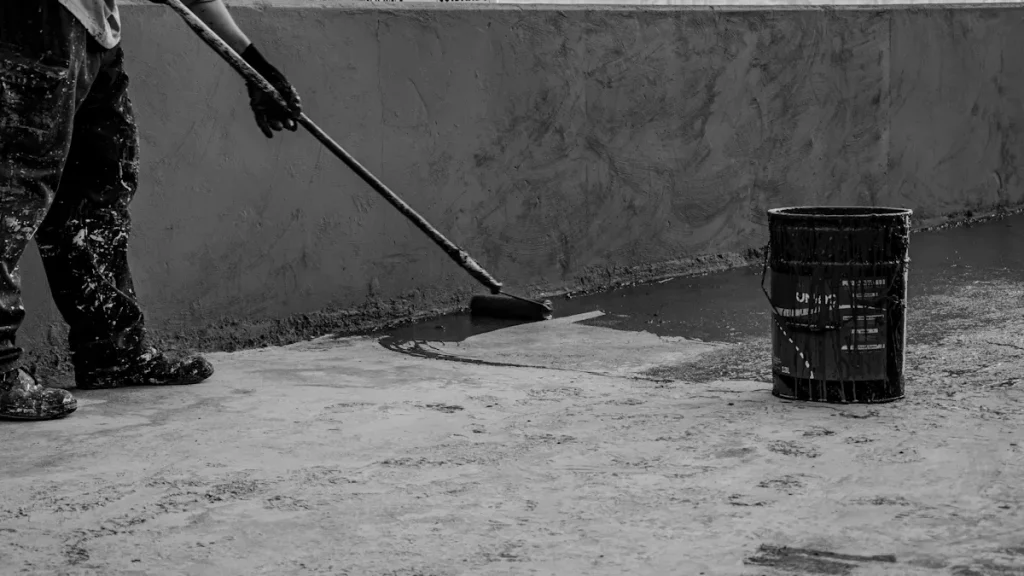
Selecting the right concrete sealer is very important. It helps your warehouse last longer and stay safe. A good sealer protects the concrete and helps work get done better. Picking the best concrete sealer can lower maintenance costs a lot.
Think about these questions:
How does your sealer choice affect surface strength?
What does it mean for safety in busy areas?
Which type of sealer fits your needs best?
Here’s a quick look at some benefits of using the right warehouse concrete sealer:
Benefit | Description |
|---|---|
Surface Durability | Makes the concrete last longer, so repairs are needed less often. |
Cuts down on maintenance costs by reducing damage and wear on the floor. | |
Safety in High-Traffic Areas | Increases grip and lowers slip risks, making it safer for workers. |
By answering these questions, you can choose what works best for your warehouse.
Key Takeaways
Picking the right concrete sealer makes it last longer. It also cuts down on maintenance costs, which saves you money later.
Learn about the different types of sealers. Penetrating sealers stop moisture. Film-forming sealers create a protective layer.
Choose sealers based on your warehouse’s setting. Indoor sealers help with scuffs. Outdoor sealers deal with moisture and UV rays.
Regular care, like cleaning and resealing, keeps your concrete looking good. It also helps the sealer last longer.
Spending money on good sealers, like the BANDě Concrete Protective Sealer, makes things safer. It also lowers repair costs in the long run.
Concrete Sealer Types
When you choose a concrete sealer for your warehouse, knowing the different types is very important. Each type has special uses and offers different benefits. Let’s look at the main kinds of concrete sealers.
Penetrating Sealers
Penetrating sealers go deep into the concrete surface. They react with the concrete and create a strong barrier below the surface. This sealer helps stop moisture from coming in and keeps dirt out. Common types include silanes, siloxanes, and silicates. These sealers keep the concrete looking natural without changing its feel.
Benefits of Penetrating Sealers:
They let air and moisture escape, which helps stop mold and mildew.
They work well in wet places, like warehouses with humidity.
Sealer Type | Additional Notes | |
|---|---|---|
Penetrating Sealers | Highly breathable, allowing moisture vapor to escape, preventing mold and mildew. | Suitable for high moisture environments like pools and humid climates. |
Film-Forming Sealers
Film-forming sealers make a protective layer on top of the concrete. They make the concrete stronger and better looking. Common types include acrylics and polyurethanes. These sealers are liked for their shiny finish and protection against chemicals.
Applications:
Film-forming sealers are often used in warehouses because they have a shiny, strong coating and resist chemicals.
Limitations:
They can trap moisture if not put on right, which may cause peeling or bubbling.
When wet, they can be slippery unless mixed with grit.
Specialty Sealers
Specialty sealers include products like epoxy and polyurethane sealers. These sealers have special features for specific needs.
Aspect | Epoxy | Polyurethane |
|---|---|---|
Durability | Very strong but can crack | Great at resisting wear and flexible |
Chemical Resistance | Good for water and alkalis | Better for solvents and acids |
UV Resistance | Limited | Excellent, keeps gloss and color stable |
Heat Resistance | Up to 120°C | Up to 248°C |
Application Suitability | Best for industrial settings | Great for busy commercial areas |
Among these choices, the BANDě Concrete Protective Sealer is a great option. This water-based sealer goes deep into the concrete and forms crystals that make it stronger. It provides long-lasting waterproofing and stops mildew, making it a smart choice for warehouses. Users have seen big improvements in strength and lower maintenance costs after using BANDě.
Knowing these types of concrete sealers will help you make a good choice for your warehouse. Each type has its pros and cons, so think about what you need when picking the right sealer.
Applications for Warehouses
Choosing the right concrete sealer for your warehouse depends on if you will use it inside or outside. Each place has different needs that affect how well the sealer works and how long it lasts.
Indoor Use
For indoor areas, you need a sealer that stops scuffs, scratches, and chemicals. An indoor concrete sealer usually has stronger resins. These sealers help keep the concrete looking good while giving enough protection. They often have lower moisture resistance, so they work best in dry places.
Outdoor Use
Outdoor areas need a different kind of sealer. You want a sealer that can handle moisture, UV rays, and changing temperatures. Outdoor concrete sealers use softer resins made to deal with these issues. They provide better moisture resistance and can survive tough weather.
Here’s a quick comparison of indoor and outdoor sealers:
Feature | Indoor Sealers | Outdoor Sealers |
|---|---|---|
Resin Type | Stronger resins | Softer resins |
Moisture Resistance | Lower moisture resistance | Higher moisture resistance |
UV Exposure | Not made for UV rays | Made to resist UV rays |
Temperature Fluctuations | Less able to handle temperature changes | More able to handle temperature changes |
Protection Focus | Scuffs, scratches, and chemicals | Moisture, UV, and temperature changes |
Temperature changes can cause cracks or color changes in concrete. Outdoor sealers have UV stabilizers to stop damage from sunlight. This helps them keep their look and function over time.
By knowing these differences, you can pick the best sealer for your warehouse needs. Whether you need an indoor sealer for a stable area or an outdoor sealer for tough jobs, making the right choice will improve the strength and safety of your warehouse.
Choosing the Right Concrete Sealer
Picking the right concrete sealer means thinking about some important things. You need a sealer that fits your warehouse’s needs. Here are the main points to think about:
Durability and Longevity
Durability is very important for any warehouse concrete sealer. You want a product that can handle heavy machines and lots of foot traffic. For busy areas, polyurethane sealers are often the best choice. They are very strong and resist wear and chemicals. This makes them great for places with spills and constant movement.
When looking at how long different sealers last, think about this:
Acrylic Sealers: 1–3 years (best for indoor areas or decorative looks)
Penetrating Sealers: 5–10 years (good for industrial and outside areas)
Epoxy or Urethane Sealers: 5–10+ years (heavy-duty and chemical-resistant uses)
Choosing a sealer that lasts longer can save you money over time. The industrial flooring market is worth $10.5 billion in 2023, showing how important it is to protect your floors instead of replacing them.
Maintenance Needs
Taking care of concrete is key to keeping your warehouse in good shape. Different sealers need different amounts of care. Here are some general tips:
Routine Cleaning: Clean weekly or monthly with gentle cleaners.
Periodic Resealing: Reseal busy areas every 2-3 years.
Preventive Measures: Check and reseal every 6-12 months.
Prompt Repairs: Fix chips and cracks right away.
Some sealers need less maintenance, which is a big plus. For example, penetrating sealers usually need to be reapplied less often than film-forming sealers. This helps you keep a clean and safe space with less work.
Environmental Factors
The environment affects how well sealers work. Things like humidity and chemical exposure can change how effective your sealer is. Here’s how:
Environmental Factor | Impact on Concrete Sealers |
|---|---|
High Humidity | Affects how sealers cure and bond, which can lower effectiveness. |
Chemical Exposure | Can harm concrete if sealers are not applied correctly. |
Moisture Ingress | Bad for concrete strength; sealers help stop moisture movement. |
Temperature Fluctuations | Stress protective coatings; sealers must stay flexible to avoid cracking. |
You should also think about rules and regulations. For example, OSHA standards may require that sealers meet safety rules for busy areas. Knowing these factors will help you pick a sealer that protects your concrete and meets necessary rules.
Benefits of Protective Sealers
Waterproofing and Mildew Resistance
Using a protective sealer has many benefits for your warehouse. One big advantage is waterproofing. A good sealer stops moisture from getting into the concrete. This helps prevent cracks and keeps your floors strong. It also keeps the concrete dry, which lowers the chances of mold growing. Here are some important points about waterproofing and mildew resistance:
Stops moisture from getting into concrete, which helps prevent cracks.
Keeps concrete dry, lowering the chances of mold growth.
Structural Reinforcement
Protective sealers also make your warehouse floors stronger. They harden and protect the concrete, making it tougher against heavy machines like forklifts and pallet jacks. This protection is very important in busy places. Here are some benefits of using protective sealers for structural reinforcement:
They help reduce damage from heavy machines.
Sealers stop moisture from getting in, which can weaken concrete.
They help save money by needing less maintenance.
Also, sealers create a layer that takes on daily wear and tear. This layer makes the concrete surface stronger against impacts and heavy loads. Sealers fill in pores to create a barrier that stops stains from oils, grease, and other liquids.
Investing in good protective sealers, like the BANDě Concrete Protective Sealer, gives long-lasting protection. This product not only makes the concrete stronger but also cuts down on long-term maintenance costs. By picking the right sealer, you make your workplace safer and improve returns for your business.
Picking the right concrete sealer for your warehouse is very important. Think about things like how long it lasts, how much care it needs, and the environment. Here are some main points to remember:
Pros:
Simple to apply.
Cons:
Can wear out in busy areas.
Fixing it can be expensive.
Avoid mistakes like not preparing the surface or not following instructions. Use good sealants that fit your warehouse’s needs. This helps it last longer and cuts down on maintenance costs. Look at your specific situation and make smart choices to keep your investment safe.
FAQ
What is the best type of concrete sealer for a warehouse?
The best type depends on what you need. For busy areas, use polyurethane sealers because they are strong. If you need to stop moisture, penetrating sealers are good. Check your warehouse’s conditions to make the right choice.
How often should I reapply concrete sealers?
How often you need to reapply depends on the type of sealer. Usually, film-forming sealers need to be reapplied every 2-3 years. Penetrating sealers can last 5-10 years. Regular checks help you know when to reapply.
Can I apply a concrete sealer myself?
Yes, many concrete sealers are easy to use and made for DIY projects. Follow the instructions from the manufacturer closely for the best results. Make sure to prepare the surface well for the best stick.
Are concrete sealers environmentally friendly?
Many new concrete sealers, like the BANDě Concrete Protective Sealer, are water-based and safe. Always look at product labels for VOC rules and safety ratings to make sure you pick an eco-friendly choice.
How do I prepare my concrete surface before sealing?
Start by cleaning the surface well. Get rid of dirt, grease, and old sealers. Fix any cracks or damage. Let the concrete dry completely before putting on the sealer for the best stick.
See Also
Selecting The Ideal Concrete Densifier For Your Warehouse
Discovering The Most Suitable Concrete Sealer For You
A Comprehensive Guide To Selecting Concrete Protective Sealers
The 2025 Handbook For Selecting The Right Concrete Sealer
The Definitive Guide To Concrete Sealers For Industrial Floors
