

Protecting your masonry surfaces from water damage is crucial for maintaining their strength and appearance. Utilizing masonry waterproofer paint for concrete walls offers numerous advantages. This specialized paint is designed to withstand harsh weather conditions, preventing colors from fading and peeling even in challenging environments. It effectively manages moisture by allowing water vapor to escape while keeping water out, thereby reducing the risk of blistering and mold formation. Additionally, it fills small cracks, providing a smooth finish and enhancing the surface’s aesthetic with a pleasing color and texture. These attributes contribute to its longevity, meaning you won’t need to repaint frequently, ultimately saving on maintenance costs.
Key Takeaways
Check your masonry surfaces for water damage before painting. Look for stains, crumbling mortar, or mold.
Clean the surface well to help the paint stick. Remove dirt and old paint before you start.
Pick the right masonry waterproofer paint for your surface type. This helps protect against moisture.
Apply at least two coats of paint for the best waterproofing. Let each coat dry properly before adding another.
Regularly check and take care of your painted surfaces. This helps find problems early and makes your waterproofing last longer.
Preparation
Assessing the Surface
Before you use masonry waterproofer paint, check the surface carefully. Look for signs of water damage. These signs can show hidden problems. Common signs are:
Water stains or blooming on outside walls
Crumbling mortar or loose bricks
Damp or musty smells inside your home
Mold in the basement or crawl spaces
These signs help you see how bad the moisture problems are. They also guide your repairs. Remember, you must follow the manufacturer’s moisture guidelines. Just looking is not enough; you need to use proper tests to make sure the surface is ready for treatment.
Cleaning the Area
Cleaning the masonry surface is very important for the paint to stick well. Start by getting rid of any loose dirt, debris, or old paint. Here are some cleaning steps to follow:
Rinse the surface with water to remove loose dirt.
Use a cleaning solution and let it sit for a few minutes.
Rinse the surface again and dry it with a cloth to reduce blooming.
For tougher stains, you can use phosphoric acid masonry cleaners or hydrochloric acid. If you use hydrochloric acid, mix one part acid with ten parts water. Apply it carefully and scrub off any residue. Always rinse well with water afterward and neutralize any leftover acid with a mix of one cup household ammonia to one gallon of water.
Repairing Damages
Before you apply any waterproofer paint, fix any damage to the masonry. This includes:
Repointing worn-out mortar joints
Replacing cracked or missing bricks or stones
Finding matching bricks or stones or a good substitute if needed
Patching cracks and holes is very important. Make sure the walls are dry, with moisture not over 15%. Use products like DRYLOK® Fast Plug® for patching. Wet the area to be patched and back chisel the spots in an inverted ‘V’ shape for better hold.
Choosing the Right Product
Choosing the right masonry waterproofer paint is key for lasting results. Think about the type of surface you are working on. Here’s a quick table to help you decide:
Surface Type | Key Considerations | Recommended Products |
|---|---|---|
CMU Block | Needs proper surface prep to avoid uneven absorption. | Block surfacer, Loxon XP |
Smooth Concrete | Needs special primer/sealer for sticking; durability is important. | Self-cleaning masonry coatings |
Stucco Exteriors | Must be flexible to handle small cracks over time. | Elastomeric coatings, Sherlastic |
EIFS | Needs breathable coatings to manage moisture well. | Loxon® XP |
Brick | Should let vapor escape while blocking moisture. | Breathable acrylic, elastomeric coatings |
For the best moisture protection, think about using the BANDě Wall & Floor Moisture Barrier. This product is eco-friendly and water-based. It goes into the cement and forms gel crystals that block moisture. It creates a strong moisture-proof layer that lasts, making it a great choice for new and old walls and floors.
By following these preparation steps, you will be ready for a successful application of masonry waterproofer paint. This will help keep your surfaces safe from moisture damage.
Application Techniques
Tools and Equipment
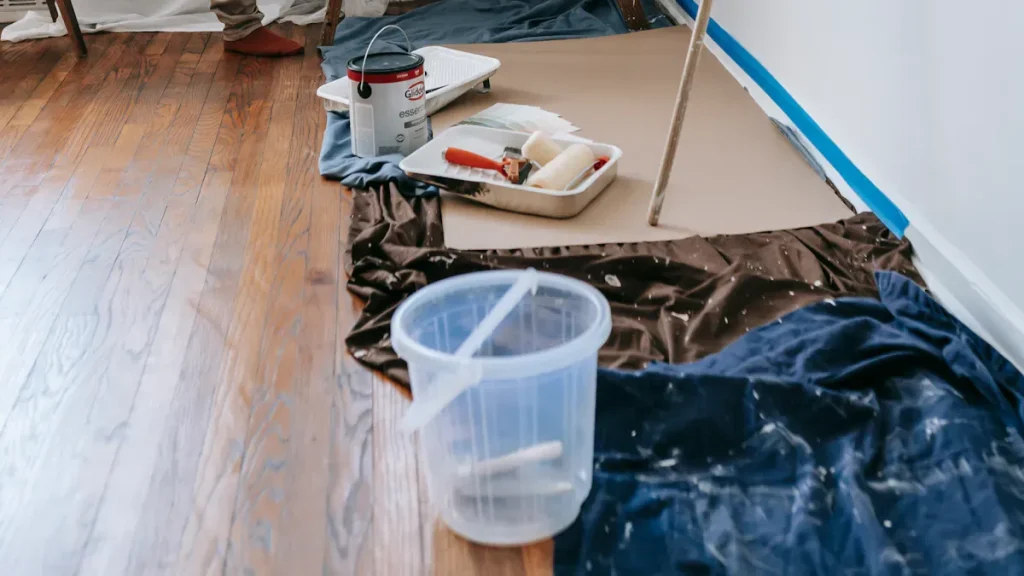
Using the right tools is very important for applying masonry waterproofer paint well. Here’s a list of items you should gather before starting your project:
Stiff-bristle brush or broom for cleaning
Pressure washer or hose for rinsing surfaces
Bucket for mixing and carrying paint
Roller and extension pole (or paint sprayer) for large areas
Paintbrush for corners and edges
Drop cloths or plastic sheeting to protect surrounding areas
Gloves and safety goggles for personal protection
Using these tools helps you get a clean and professional finish. Starting with good materials sets your project up for success. This leads to longer-lasting results and better protection from weather and exposure.
Proper Mixing
Mixing your masonry waterproofing paint correctly is very important. If you mix it wrong, it can cause problems like not being waterproof and not sticking well. Here are some tips for mixing properly:
Follow the manufacturer’s instructions on the label for the right water-to-paint ratio.
Stir thoroughly to make sure everything blends well. This stops clumping and ensures even consistency.
Avoid adding extra water beyond what is recommended. Wrong water-cement ratios can create holes that let water in.
Taking time to mix properly will make your application work better and ensure a strong waterproof layer.
Application Methods
You can choose from different application methods to cover masonry waterproofer paint evenly. Here are the best techniques:
Hand Applied: This method is great for small to large projects. It allows for detail work and avoids overspray.
Rollers: Use rollers for thin films. Back-rolling helps keep thickness even.
Squeegees: These work well for smooth coverage on flat surfaces.
Brushes: Use brushes for hard-to-reach areas.
Spray Applied: This method is best for big projects. It needs skilled workers and careful equipment use.
Plural-component sprayers: These need no premixing and reduce runs, making them good for overhead work.
Air-assisted airless sprayers: These are efficient with low pressure, cutting down crew size and operator fatigue.
Choosing the right application method affects how long and well your masonry waterproofing paint lasts.
Layering for Best Results
Layering your masonry waterproofer paint is key for maximum protection. You need at least two coats to guarantee waterproofing. After the second coat, check for pinholes and add more coats if needed. Here’s why layering matters:
Layering with waterproof mortar makes a denser structure that lowers porosity. Better adhesion stops water from moving along surfaces, improving overall water resistance.
Applying multiple layers not only strengthens the waterproof barrier but also makes the paint last longer against harsh weather.
By following these application techniques, you will make sure that your masonry waterproofer paint for concrete walls works well, giving long-lasting protection against moisture damage.
Tips for Best Results
Weather Considerations
Weather is very important when using masonry waterproofing paint. Try to paint when it’s 70°F and 50% humidity. These are the best conditions for the paint to work well. Pick a day that’s not too hot or cold, and not rainy. Bad weather can make the paint not stick or dry right.
Remember, painting in bad weather can cause problems.
Timing Between Coats
Timing is key when using masonry waterproofing paint. Let the first coat dry before adding the second. Here’s a table for drying times:
Condition | Dry to Touch | Ready for Second Coat |
|---|---|---|
Normal (70°F, 50% humidity) | 2–4 hours | 8–12 hours |
Follow these times for good waterproofing. If you add the second coat too soon, it might not work well. After three hours, the first coat is dry, so you can add the next one.
Safety Precautions
Safety is very important with masonry waterproofing paint. Follow these steps:
Use air line respirators in small spaces to avoid bad fumes.
In tanks, make sure there’s fresh air and use respirators.
Even in big areas, wearing respirators is smart.
These safety tips help keep you safe while using masonry waterproofing paint.
Maintenance
Regular Inspections
Checking your masonry waterproofer paint regularly is very important. You should look at your surfaces at least two times a year. Watch for signs that show you need to do maintenance or reapply the paint. Here are some signs to look for:
White, chalky stuff on walls
Cracks in foundation walls or patios
Peeling or bubbling paint
If you find these problems early, you can fix them before they get worse. This helps keep your masonry safe from water damage.
Cleaning the Surface
Cleaning the surface often is key for your masonry waterproofer paint to last. A clean surface helps the paint stick better when you reapply it. Use gentle cleaning methods to avoid hurting the masonry. Follow these steps to clean effectively:
Choose a cleaner based on the manufacturer’s instructions.
Watch how long the cleaner sits to avoid damage.
Rinse well to get rid of any cleaning products.
Regular cleaning keeps surfaces clean and dry, which is important for good waterproofing. It stops problems like loose material and chalky stuff that can hurt the paint’s effectiveness over time.
Touch-Up Techniques
Touch-ups are needed to keep your masonry surfaces strong. If you see areas where the paint is gone or moisture has gotten in, do these steps:
Clean the area well.
Let it dry completely.
Put on a new coat of masonry waterproofer paint.
By fixing these spots quickly, you can make your waterproofing paint last longer and keep your masonry looking great.
Taking care of your masonry waterproofer paint with regular checks, cleaning, and touch-ups will help protect against water damage for a long time.
To sum up, keeping your masonry surfaces safe from moisture damage is very important. You learned how to prepare, apply, and maintain properly.
Check the surface for any damage.
Clean well before putting on paint.
Pick the right product for what you need.
Remember, checking regularly and doing touch-ups keeps your surfaces looking good.
Act now to protect your masonry. With the right steps, you can make sure it stays safe from moisture damage for a long time.
FAQ
What is the best way to prepare surfaces before applying masonry waterproofing paint?
Preparing the surface well is very important. First, clean the area completely. Remove dirt and old paint. Fix any damage like cracks or loose bricks. Make sure the surface is dry and has no water coming in before you paint basement walls.
How many coats of basement waterproofing paint should I apply?
For the best results, use at least two coats of basement waterproofing paint. This creates a strong barrier against moisture. Let the first coat dry fully before adding the second. Look for pinholes and add more coats if needed.
Can I use masonry waterproofing paint for DIY basement waterproofing projects?
Yes, you can use masonry waterproofing paint for DIY basement waterproofing. Just follow the manufacturer’s instructions closely. Use the right tools and methods for applying it. Make sure to prepare the surface properly to get a mold-resistant finish.
How do I maintain the effectiveness of waterproofing paint products?
Regular checks are very important. Look for signs of damage like peeling or bubbling paint. Clean the surface often to remove dirt and debris. Touch up areas where the paint has worn off to keep its protective qualities.
What should I do if I encounter active water intrusion in my basement?
Fix active water intrusion quickly. Find out where the problem is coming from and repair it. Use waterproofing products like BANDě Wall & Floor Moisture Barrier for extra protection. Make sure the surface is dry before you apply any paint.
See Also
Essential Tips for Selecting Concrete Masonry Primers in 2025
Top Five Concrete Masonry Primers to Use in 2025
Choosing The Ideal Flexible Waterproof Sealer For Your Projects
Your Essential Guide to Effective Concrete Dustproofer Sealers
