


A concrete sealer is essential for maintaining the strength and appearance of your surfaces. It offers long-term protection against wear, weather, and stains. Choosing the right sealer not only makes your concrete more durable but also helps enhance the beauty of the finish. Whether for functionality or beauty, selecting wisely ensures lasting results.
Key Takeaways
Penetrating sealers provide invisible protection, making them ideal for outdoor surfaces exposed to moisture and freeze-thaw damage.
Acrylic sealers enhance the beauty of decorative concrete and are perfect for quick projects, but they may require regular maintenance indoors.
Epoxy and polyurethane sealers offer durable, high-build finishes, with epoxy excelling in abrasion resistance and polyurethane being ideal for high-traffic areas.
Concrete Sealers Overview
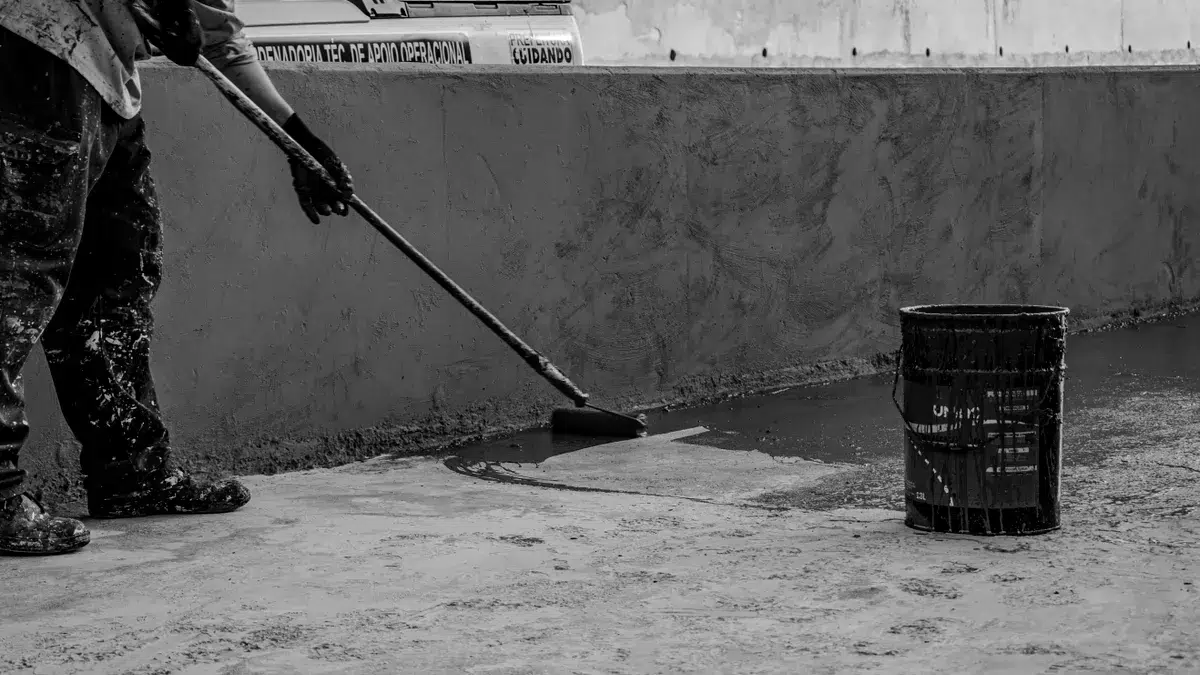
Concrete sealers play a vital role in protecting your surfaces from damage and enhancing their longevity. They create a barrier that prevents moisture, chemicals, and stains from penetrating the concrete. This protection is crucial for both residential and commercial applications.
You will find various types of concrete sealers available, each designed for specific needs. Understanding these types helps you choose the right one for your project. Here’s a quick overview of the most common types of concrete sealers:
Sealer Type | How They Work | Primary Uses | Type of Finish | Performance |
|---|---|---|---|---|
PENETRATING SEALERS | Penetrate and react chemically within the capillaries of the concrete to shield against moisture penetration and deicing chemicals. | Exterior concrete surfaces subject to corrosion and freeze-thaw damage. Where a natural, matte finish is desired. | Provide invisible protection without changing the surface appearance or leaving a sheen. | Provide excellent protection against outdoor exposure conditions. Most products are also breathable, allowing moisture vapor to escape. |
ACRYLICS | Form a thin protective film on the concrete surface. Available in both solvent- and water-based formulations. | Both exterior and interior concrete. On projects where easy application and economy is important. To enhance the beauty of colored, stamped or exposed-aggregate concrete. On fast-track projects, since acrylics often dry to the touch within an hour. | Available in a range of sheen levels. Solvent-based acrylics generally enhance color better than water-based products. | Provide good protection against water and chloride intrusion, but usually wear faster than polyurethanes and epoxies. Solvent-based acrylics generally perform better than water-based products for outdoor use. On indoor surfaces, softer acrylic sealers usually require regular maintenance with several coats of a sacrificial floor finish, or wax, to prevent wear and black heel marks. |
POLYURETHANES | Form a high-build protective film on the concrete surface. Available in both solvent- and water-based formulations. | Both exterior and interior concrete. On floors in high-traffic areas, to provide good resistance to scuffs and staining. To enhance the beauty of colored, stamped or exposed-aggregate concrete. Concrete countertops. | Available in a range of sheen levels. Finish is transparent and non-yellowing. | Nearly twice as thick as acrylic sealers, and produce a very durable chemical- and abrasion-resistant finish. Most urethanes are moisture intolerant until they cure, so no water should be present on the surface when the sealer is applied. |
EPOXIES | Form a high-build protective film on the concrete surface. Most are two-component products mixed prior to application. | On floors in high-traffic areas. Cement-based overlays. Concrete countertops. May yellow with UV exposure, so generally limited to interior use. | Available clear or pigmented, if you wish to add color. Most products impart a glossy finish. | Produce a hard, long-wearing, abrasion-resistant finish. Also offer excellent water repellence, but some products are impermeable and could trap moisture in the concrete. |
Selecting the right concrete sealer not only provides protection but also enhances the beauty of your decorative concrete finishes. By understanding the types of concrete sealers available, you can make informed decisions that suit your specific needs.
Penetrating Concrete Sealers
How They Work
Penetrating concrete sealers operate through a unique chemical process. They contain active ingredients like silanes, siloxanes, silicates, and siliconates. When applied, these compounds react within the capillaries of the concrete. This reaction forms a protective barrier that effectively shields the concrete from moisture penetration and deicing chemicals. As a result, you gain enhanced durability and longevity for your surfaces.
Primary Uses
You will find that penetrating concrete sealers are particularly effective in specific environments. Here are some of their primary uses:
They excel in areas prone to moisture and deicing chemicals.
These sealers are ideal for exterior concrete surfaces that face corrosion and freeze-thaw damage.
They provide invisible protection, ensuring that the surface appearance remains unchanged.
Their breathable nature allows moisture vapor to escape, preventing trapped water from causing damage.
Finish and Performance
The finish of penetrating sealers is typically invisible, which means they do not alter the aesthetic of your decorative concrete finishes. This characteristic makes them an excellent choice for maintaining the original look of your surfaces. In terms of performance, penetrating sealers offer:
Excellent water repellence, keeping your concrete dry and protected.
Resistance to various environmental factors, ensuring long-lasting protection.
Enhanced density and compressive strength of the concrete surface, which contributes to overall durability.
By choosing penetrating concrete sealers, you ensure that your concrete surfaces remain protected while retaining their natural beauty.
Acrylic Concrete Sealers
How They Work
Acrylic concrete sealers function by forming a protective film on the surface of the concrete. They come in both solvent-based and water-based formulations, allowing you to choose based on your project needs. When you apply an acrylic sealer, it creates a high-build protective film that enhances the surface’s durability. This film acts as a barrier against moisture, stains, and chemicals, ensuring that your concrete remains in excellent condition.
Primary Uses
Acrylic sealers are versatile and suitable for various applications. Here are some primary uses:
Interior and Exterior Surfaces: You can use acrylic sealers on both indoor and outdoor concrete surfaces.
Decorative Concrete Finishes: They work exceptionally well on stamped and stained concrete, enhancing the overall appearance.
High-Traffic Areas: These sealers are ideal for floors in high-traffic areas, providing the necessary protection against wear and tear.
Fast-Track Projects: If you need a quick solution, acrylics dry to the touch within an hour, making them perfect for projects with tight timelines.
Finish and Performance
The finish of acrylic sealers varies, offering a range of sheen levels from matte to glossy. This flexibility allows you to select a type of finish that complements your decorative concrete finishes. In terms of performance, acrylic sealers provide:
Good Protection: They effectively guard against water and chloride intrusion, helping to maintain the integrity of your concrete.
Durability: While they may wear faster than polyurethanes and epoxies, solvent-based acrylics generally perform better outdoors.
Maintenance: For indoor surfaces, you may need to apply several coats of a sacrificial floor finish or wax to prevent wear and black heel marks.
By choosing acrylic concrete sealers, you ensure that your surfaces not only look great but also withstand the test of time.
Epoxy Concrete Sealers
How They Work
Epoxy concrete sealers consist of two components that you mix before application. This combination creates a high-build protective film that adheres strongly to the concrete surface. The chemical reaction during curing forms a hard, long-wearing finish. This finish provides excellent abrasion resistance and water repellence, making it ideal for various applications.
Primary Uses
You can use epoxy sealers in several scenarios, including:
High-Traffic Areas: They are perfect for driveways and patios where heavy foot or vehicle traffic occurs.
Cement-Based Overlays: Epoxy sealers work well on overlays, providing a durable surface.
Concrete Countertops: Their strong finish enhances the appearance and longevity of countertops.
Finish and Performance
Epoxy sealers deliver a glossy finish that enhances the appearance of decorative concrete finishes. They are known for their durability and resistance to wear. Here’s a quick overview of their features:
Feature | Description |
|---|---|
Composition | Typically two-component products mixed prior to application. |
Forms a high-build protective film that is hard and long-wearing. | |
Abrasion Resistance | Produces an abrasion-resistant finish. |
Water Repellence | Offers excellent water repellence; some may be impermeable. |
Application Areas | Suitable for high-traffic areas, cement-based overlays, and countertops. |
Epoxy sealers typically require longer curing times compared to polyurethane sealers. They become touch dry within 2-4 hours, but complete curing may take up to 48 hours. This extended curing time ensures that you achieve a robust and durable finish.
By selecting epoxy concrete sealers, you ensure that your surfaces remain protected while enhancing their overall appearance.
Polyurethane Concrete Sealers
How They Work
Polyurethane concrete sealers create a robust protective film on the surface of your concrete. They come in both solvent-based and water-based formulations. When you apply a polyurethane sealer, it forms a high-build layer that adheres strongly to the concrete. This layer provides excellent resistance against abrasion, chemicals, and moisture. The curing process allows the sealer to develop a durable finish that enhances the longevity of your surfaces.
Primary Uses
You can use polyurethane sealers in various applications, particularly in outdoor environments. Here are some primary use cases:
Use Case Type | Description |
|---|---|
Wet Areas | Suitable for bathrooms, shower trays, laundries, toilets, and spas. |
External (non-exposed) | Ideal for balconies, roof-decks, sill or window flashings, podiums, and planters. |
External (exposed) | Applicable in non-trafficable areas such as walls and planters. |
Tanking | Effective for retaining walls, landscaped areas, ponds, and water features. |
Surface Compatibility | Can be applied to various stable surfaces including block, brick, and concrete. |
Finish and Performance
The finish of polyurethane sealers is typically transparent and non-yellowing, which helps maintain the aesthetic of your stamped or stained concrete. Many aliphatic polyurethane coatings offer excellent UV protection properties. This prevents chalking and changes in appearance due to UV exposure. In terms of performance, polyurethane sealers provide:
A durable, chemical-resistant finish.
Enhanced protection against wear and tear, making them ideal for driveways and patios.
A moisture intolerant nature until fully cured, ensuring that no water is present during application.
By choosing polyurethane concrete sealers, you ensure that your surfaces remain protected while enhancing their overall appearance.
Comparison of Types of Concrete Sealers
Key Differences
When selecting a concrete sealer, understanding the application methods and performance characteristics is crucial. Here’s a comparison of the main types of concrete sealers:
Type of Sealer | Application Method | Primary Uses | Finish Type | Performance |
|---|---|---|---|---|
Penetrating | Penetrates and reacts chemically within concrete capillaries | Exterior surfaces, corrosion protection | Invisible, matte finish | Excellent outdoor protection, breathable |
Acrylic | Forms a thin protective film on the surface | Interior and exterior, enhances beauty | Various sheen levels | Good water protection, wears faster than others |
Polyurethane | Forms a high-build protective film | High-traffic areas, enhances beauty | Transparent, non-yellowing | Durable, chemical-resistant finish |
Epoxy | Forms a high-build protective film, two-component | High-traffic areas, countertops | Clear or pigmented, glossy | Hard, abrasion-resistant, excellent water repellence |
Best Uses for Stamped and Stained Concrete
For stamped concrete surfaces, industry experts recommend using acrylic sealers. They enhance the beauty of the stamped patterns while providing adequate protection. Polyurethane sealers also work well due to their durability and resistance to scuffs and stains.
For stained concrete, consider the following options:
Acrylics: They form a thin protective film and dry quickly, making them suitable for both interior and exterior applications.
Polyurethanes: These sealers provide a high-build protective film, offering superior durability and chemical resistance.
Choosing the right concrete sealer is crucial for protecting your surfaces and enhancing their longevity. Each type of sealer offers unique benefits tailored to specific applications. Consider your project requirements carefully. This approach ensures you select the best concrete sealer for your needs, leading to lasting results.
FAQ
What is the best type of concrete sealer for outdoor use?
For outdoor surfaces, penetrating sealers offer excellent protection against moisture and deicing chemicals while maintaining a natural appearance.
How often should I reapply concrete sealers?
Reapplication depends on the type of sealer and environmental conditions. Generally, you should reapply every 1 to 3 years for optimal protection.
Can I apply a sealer over stained concrete?
Yes, you can apply sealers over stained concrete. Ensure the surface is clean and dry for the best adhesion and performance.
See Also
Epoxy Or Latex Which Is Better For Concrete Repair
The Ultimate Guide To Concrete Densifiers, Hardeners, And Sealers
How To Choose The Best Concrete Sealer For You
Top Concrete Protective Sealers To Elevate Your Surfaces In 2025
