

Concrete sealer paint protects and enhances your concrete floors. It prevents common issues like cracking, dusting, and chemical corrosion. As you consider flooring options, remember that sealing painted surfaces is crucial for durability. The demand for low-maintenance, environmentally friendly solutions continues to grow, driven by urbanization and infrastructure upgrades.
Key Takeaways
Concrete sealer paint protects floors from stains, moisture, and cracks, extending their lifespan by up to 20 years.
Proper surface preparation and thin, even coats are essential for a smooth and durable finish when applying sealer paint.
Regular cleaning and timely resealing keep sealed concrete floors looking great and lasting longer.
Benefits of Using Concrete Sealer Paint
Enhanced Durability and Longevity
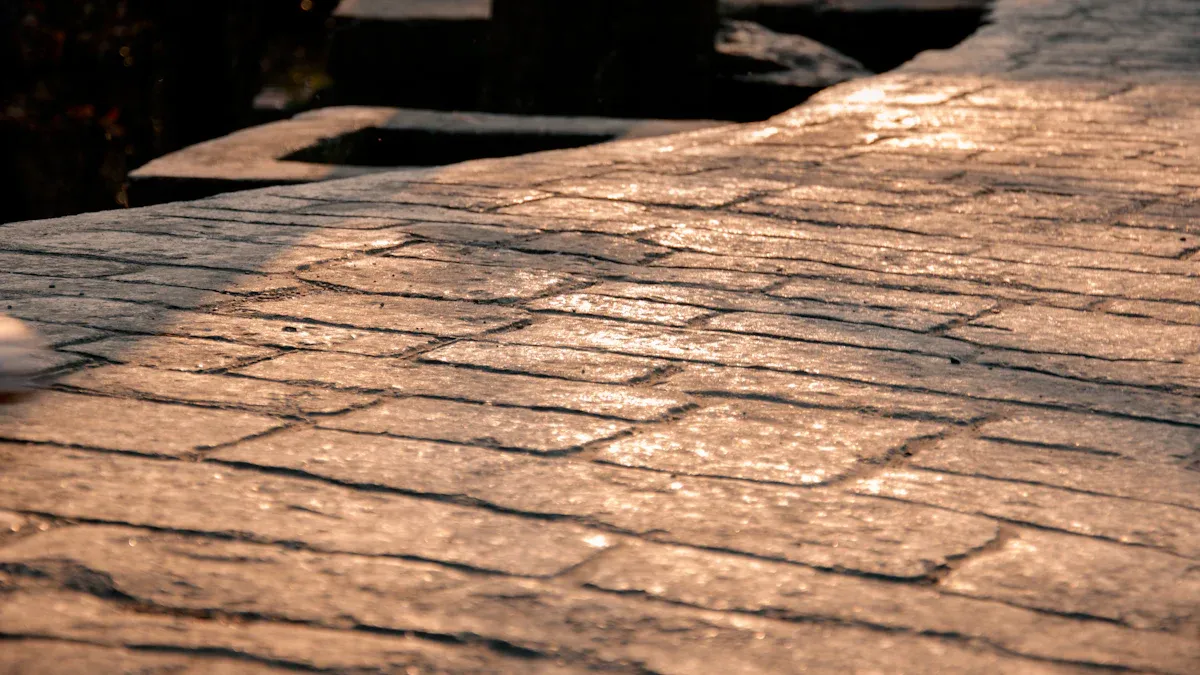
When you apply concrete sealer paint, you significantly extend the lifespan of your floors. Sealing prevents staining, cracking, and wear, creating a protective barrier against moisture, chemicals, and UV damage. Consider the following:
Sealed surfaces prevent deterioration and spalling.
Untreated concrete shows wear within 5 years, while sealed can last up to 20 years.
Without sealing, concrete can develop cracks and water damage in 2-3 years.
Condition | Average Lifespan |
|---|---|
Unsealed Concrete | 5 years |
Sealed Concrete | 20 years or more |
Protection Against Stains, Moisture, and Chemicals
Concrete sealer paint offers robust protection against stains, moisture, and chemical spills. It forms a non-porous barrier that resists abrasions and heavy traffic. This protection is crucial for maintaining the integrity of your floors:
Penetrating sealers block pores in concrete to prevent water and salt ingress.
Topical sealers enhance surface appearance and provide a barrier against stains and spills.
Type of Sealer | Mechanism of Action | Benefits |
|---|---|---|
Penetrating Sealers | Block pores in concrete to prevent water and salt ingress. | Excellent durability, does not alter surface appearance, allows moisture vapor to pass through. |
Topical Sealers | Form a polymeric film on the surface of concrete. | Enhance surface appearance, provide a barrier against stains and spills, easier to apply. |
Low-Maintenance and Cost-Effective Solution
Using concrete sealer paint reduces the frequency of repairs and maintenance interventions. The protective barrier created by the sealer prevents water intrusion, staining, and deterioration, which can save you significant time and money:
Proper sealing can extend the lifespan of concrete by 5-10 years and reduce maintenance costs by up to 40%.
Sealed concrete lasts 200% longer than unsealed concrete in freeze-thaw climates, reducing the frequency of repairs.
Seal new concrete immediately, ideally within 28 days of pour completion, after the concrete has reached full strength. Apply densifier first, then penetrating sealer as appropriate for the use zone. Do not wait until the floor shows visible wear or contamination.
By choosing concrete sealer paint, you ensure your floors remain durable, protected, and visually appealing for years to come.
Types of Concrete Sealers
Acrylic Sealers for Versatility
Acrylic sealers are popular for their affordability and ease of application. They require minimal surface preparation, mainly cleaning the concrete. You can use them on both interior and exterior surfaces. However, they typically last only 2-3 years, especially outdoors. Here are some key points:
Advantages:
Easy to apply, making them suitable for DIY projects.
Enhance the beauty of concrete while providing water resistance.
Disadvantages:
Moderate durability, requiring reapplication every 1-5 years.
Less slip resistance compared to other sealers.
Aspect | Advantage/Disadvantage | Details |
|---|---|---|
Durability | Disadvantage | |
Cost | Disadvantage | Costs 30-50% more than asphalt emulsion, making it impractical for large lots with tight budgets. |
Epoxy Sealers for Heavy-Duty Protection
Epoxy sealers provide robust protection, making them ideal for industrial settings. They create a dense barrier resistant to chemicals, oils, and abrasions. You can expect a lifespan of 5-10 years with proper application. Key benefits include:
Advantages:
Excellent chemical resistance, suitable for warehouses and laboratories.
High adhesion strength and impact resistance.
Disadvantages:
Longer drying times and can only be used on fully cured concrete.
Polyurethane Sealers for High Traffic Areas
Polyurethane sealers excel in high-traffic environments. They offer exceptional durability and flexibility, making them ideal for retail spaces and public areas. Regular re-coating helps maintain their protective qualities. Here are some highlights:
Advantages:
Superior abrasion resistance compared to acrylics and epoxies.
UV resistant, ensuring color stability and gloss.
Disadvantages:
Requires multiple layers for optimal performance.
Environmental Considerations and VOC Standards
When selecting a concrete sealer paint, consider VOC emissions. Regulations like the EPA Clean Air Act and CARB set limits on VOCs to reduce pollutants. Choosing low-emission products not only benefits the environment but also ensures compliance with building standards.
Regulation | Description |
|---|---|
EPA Clean Air Act (CAA) | Sets nationwide limits on VOC emissions to reduce pollutants. |
CARB | Governs strict VOC limits, influencing national brands to adhere to these standards. |
By understanding the types of concrete sealers available, you can make an informed choice that meets your needs while protecting the environment.
How to Apply Concrete Sealer Paint
Preparing the Surface for Sealing
Before applying concrete sealer paint, you must prepare the surface properly. This step ensures optimal adhesion and long-lasting results. Follow these steps:
Clean the Surface Thoroughly: Start by using a power washer for exterior surfaces. For indoor floors, sweep and mop to remove dust and debris. If you encounter grease stains, use a degreaser. For stubborn stains, consider a concrete cleaner.
Repair Any Damage: Inspect the surface for cracks or holes. Patch these areas with a concrete repair product and allow the repairs to dry completely.
Etch the Surface (If Necessary): If you are working with new concrete, etch the surface to improve adhesion. Use a commercial etching solution or muriatic acid, following safety guidelines.
Tip: Ensure the surface is clean and porous for proper adhesion. Contaminants like dust, dirt, and oil can hinder the performance of your concrete sealer paint.
Applying Thin, Even Coats
Applying the sealer in thin, even coats is crucial for achieving the best results. Here’s how to do it effectively:
Start from one corner of the surface and work your way across.
Use a ⅜-inch nap roller for even coverage. This roller helps avoid puddles or heavy areas during application.
Apply the sealer in thin layers to prevent bubbling and streaks. Manufacturers generally recommend applying two coats for optimal results. A third coat may be necessary for exceptionally porous surfaces.
Allow the first coat to dry completely, typically for 1-2 hours, before applying additional coats.
Recommended Technique | Description |
|---|---|
Use to brush out any puddling while applying sealer. | |
Conventional paint roller | Recommended for most sealers, especially with slip-resistant additives. |
Lint-free rollers | Best for water-based applications to avoid lint release. |
Multiple thin coats | Recommended for better control and a smooth finish. |
Ensuring Proper Ventilation During Application
Proper ventilation is essential during the application of concrete sealer paint. Inadequate ventilation can lead to health risks. Here are some key points to consider:
Respiratory hazards: Exposure to VOCs and solvents can lead to asthma or lung cancer.
Skin hazards: Concrete sealers can cause skin irritation and chemical burns. Always wear gloves and wash your hands thoroughly after handling.
Eye hazards: Protect your eyes from potential injuries by wearing protective eyewear.
Safety Reminder: Work in a well-ventilated area to replace indoor air with fresh air. This practice minimizes exposure to harmful fumes. If ventilation is low, consider using masks or respirators to reduce inhalation risks.
Guidelines for Ventilation Requirements during Sealer Application |
|---|
Ensure adequate ventilation during application and drying. |
Tips for Achieving a Smooth Finish
To achieve a smooth and even finish when applying concrete sealer paint, follow these techniques:
Apply in thin, even coats to avoid puddles and heavy application.
Back-roll with a ⅜-inch nap roller to even out the coating.
Work in small, manageable sections to maintain a wet edge.
By following these steps, you can ensure that your concrete sealer paint application is successful, providing both protection and aesthetic enhancement to your floors.
Maintenance Tips for Sealed Concrete Floors
Regular Cleaning and Care
To keep your sealed concrete floors looking great, follow these cleaning tips:
Dry Sweep: Start by using a microfiber dust mop or a soft-bristle broom to remove dust and debris.
Pre-Treat Stains: Use a pH-neutral concrete cleaner to pre-treat any stains.
Wet Mop: Employ the two-bucket method for mopping. One bucket should hold the cleaning solution, while the other is for rinsing.
Scrub Stubborn Areas: For tough spots, use an automatic floor scrubber on a low-speed setting.
Rinse and Dry: Rinse the floor thoroughly and allow it to air dry completely.
Burnish if Needed: If your floor is polished, consider burnishing to restore its shine.
Cleaning Method | Description |
|---|---|
Microfiber dust mops | Trap fine dust and prevent scratching |
Soft-bristle brooms | Sweep without damaging sealed surfaces |
pH-neutral cleaners | Maintain shine without chemical damage |
Two-bucket mopping system | Minimizes dirt re-deposition |
Automatic floor scrubbers | Thorough cleaning without abrasion |
When and How to Reapply Sealer
Reapplying sealer is essential for maintaining your floors. The frequency depends on several factors, including the type of sealer, traffic levels, and environmental conditions. For high-traffic areas, resealing may be necessary every 1-3 years. In contrast, less-used surfaces might only need resealing every 5 years. Always check for signs of wear, such as dullness or staining, to determine when to reapply.
Avoiding Common Maintenance Mistakes
Avoid these common mistakes to ensure your sealed concrete floors remain in top condition:
Improper Surface Preparation: Always clean and prepare the surface before applying sealer to avoid uneven application.
Wrong Type of Sealer: Choose a sealer that suits your specific environment and traffic levels.
Neglecting Spills: Clean up spills promptly to prevent damage and costly repairs.
By following these maintenance tips, you can enhance the durability and appearance of your sealed concrete floors for years to come.
Concrete sealer paint offers numerous benefits, including enhanced durability, protection against stains, and aesthetic improvement. When selecting a sealer, consider these factors:
Match the sealer type to your specific job requirements.
Prepare the surface thoroughly for optimal results.
Assess traffic levels and environmental conditions.
Proper application and maintenance ensure long-lasting results. Choose wisely to protect your floors effectively!
FAQ
What is concrete sealer paint used for?
Concrete sealer paint protects floors from stains, moisture, and chemicals while enhancing their appearance.
How often should I reapply concrete sealer paint?
Reapply concrete sealer paint every 1-5 years, depending on traffic levels and environmental conditions.
Can I apply concrete sealer paint myself?
Yes, you can apply concrete sealer paint yourself with proper surface preparation and application techniques.
See Also
The Complete Handbook for Protecting Your Concrete Floors
Top Concrete Sealers to Enhance Your Surfaces in 2025
Ten Outstanding Concrete Sealers for Surface Protection
