

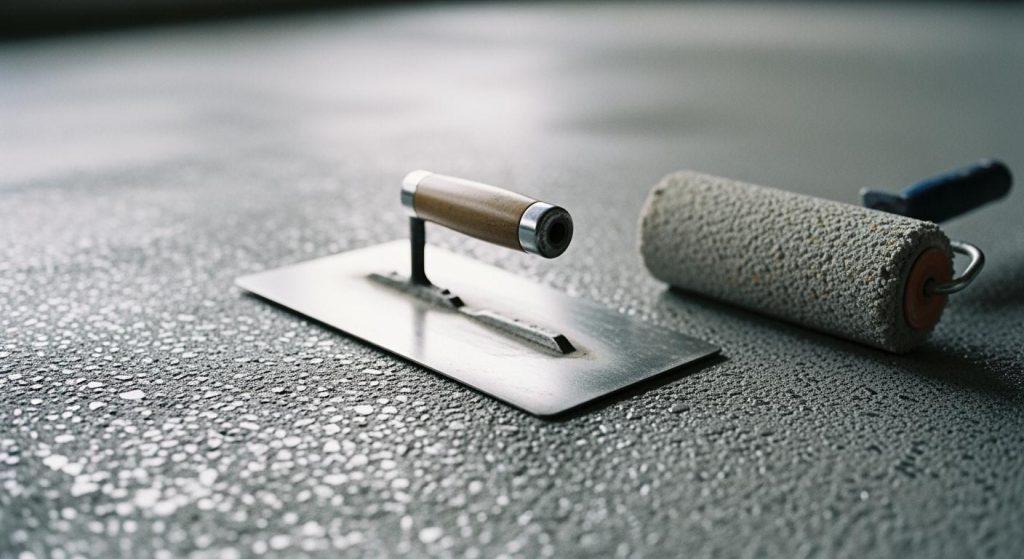
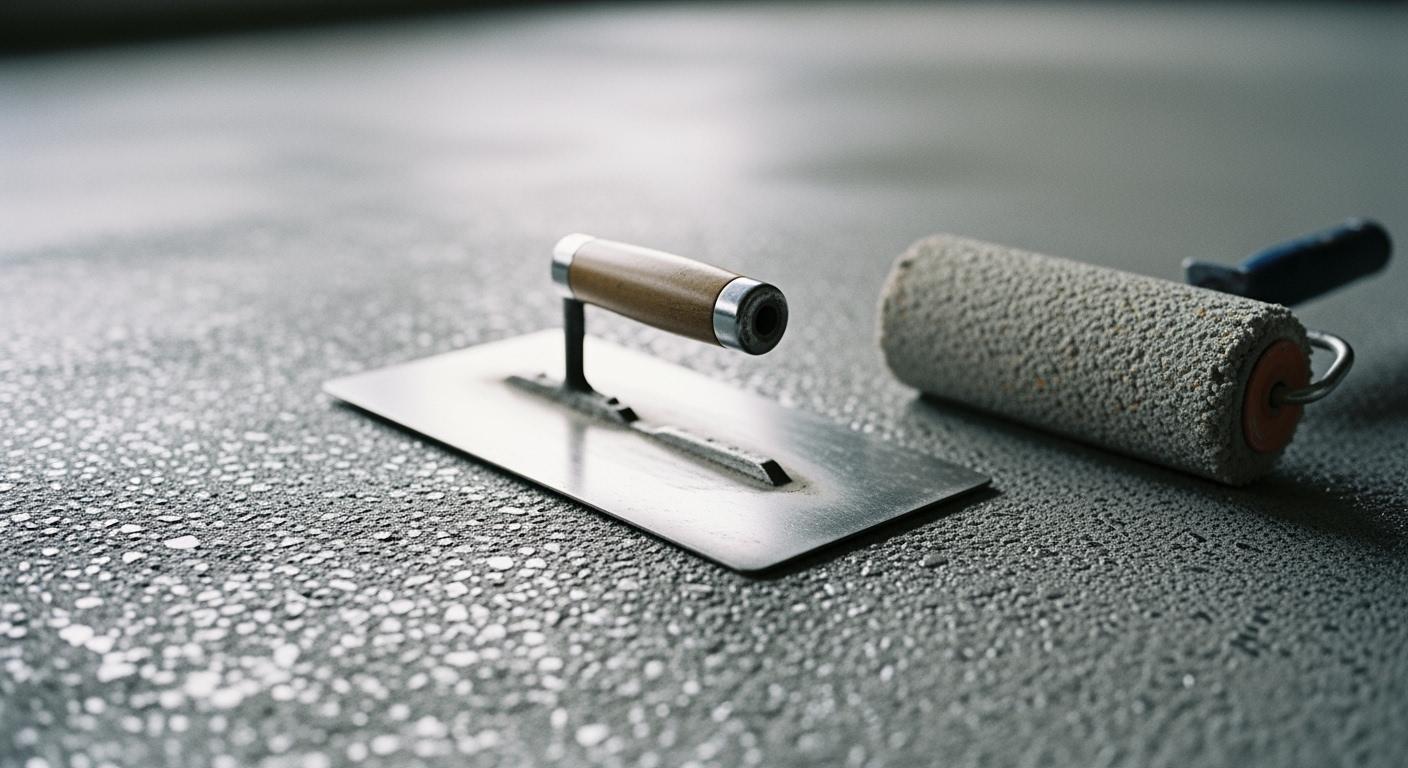
Concrete plays a crucial role in construction, and its durability is vital for long-lasting structures. You might wonder how to enhance this durability. That’s where floor hardeners come into play! Have you considered the benefits they offer? What makes them essential for your projects?
Key Takeaways
Floor hardeners significantly enhance concrete durability, increasing abrasion resistance by 25–50%. This makes them ideal for high-traffic areas.
Using floor hardeners reduces dust formation and maintenance costs, creating a cleaner and safer environment for both industrial and residential spaces.
Proper application and curing of floor hardeners are crucial for maximizing their effectiveness, ensuring long-lasting and visually appealing concrete surfaces.
What is a Floor Hardener?

A floor hardener is a specialized material that enhances the durability and performance of concrete surfaces. You apply it to fresh concrete to improve its hardness, abrasion resistance, and overall longevity. By using a floor hardener, you can significantly extend the life of your concrete floors, making them suitable for various applications.
Types of Floor Hardeners
There are several types of floor hardeners available, each with unique compositions and benefits. Here’s a quick overview:
Metallic Floor Hardeners: These contain well-graded ferrous aggregates. They provide denser toughness and durability, making them ideal for heavy-duty applications.
Non-Metallic Floor Hardeners: These use silicate or water-based solutions. They allow deeper absorption into the concrete, enhancing surface performance without the risk of rust.
Pigmented Floor Hardeners: These come with various pigments to improve the aesthetic appearance of your floors while maintaining their durability.
Type | Composition | Characteristics |
|---|---|---|
Metallic | Well-graded ferrous aggregates | Provides denser toughness and durability |
Non-metallic | Silicate or water-based solutions | Allows deeper absorption and enhances surface performance |
Pigmented | Various pigments | Improves aesthetic appearance of floor surfaces |
Benefits of Floor Hardeners
Using floor hardeners offers numerous advantages:
Enhanced Durability: They improve the concrete’s resistance to wear and tear, making it last longer.
Dustproofing: Floor hardeners seal the surface, reducing dust formation and keeping your environment cleaner.
Cost-Effectiveness: By extending the lifespan of your concrete, you save on maintenance and repair costs.
Improved Aesthetics: Pigmented options can enhance the look of your floors, making them more visually appealing.
Incorporating a floor hardener into your concrete projects can lead to significant improvements in performance and longevity.
Benefits of Using Floor Hardeners
Enhanced Durability
When it comes to concrete floors, durability is everything. You want a surface that can handle heavy loads, resist wear, and last for years. That’s exactly what a floor hardener delivers. By strengthening the surface, it increases the abrasion resistance of your concrete by an impressive 25–50% compared to untreated surfaces. This makes it perfect for high-traffic areas like warehouses, parking lots, and industrial facilities.
Floor hardeners also enhance impact resistance, ensuring your floors can withstand the daily grind of machinery, foot traffic, and even accidental drops. Whether you’re working in a factory or managing a commercial space, this added toughness means fewer repairs and replacements over time.
Tip: Investing in a high-quality shake hardener not only boosts durability but also protects your concrete floor from oil and grease stains, making it easier to clean and maintain.
Dustproofing and Maintenance
Concrete floors without a proper finish can create a lot of dust. This isn’t just a cleaning hassle—it can also affect air quality and equipment performance. Floor hardeners act as a sealer, locking in the surface and preventing dust formation. This keeps your workspace cleaner and safer for everyone.
Maintenance becomes a breeze too. Treated floors resist oil and grease, making spills easier to clean. Plus, they’re less prone to damage from chemicals or heavy machinery. Over time, this translates to significant cost-effectiveness. For example, densified floors require minimal upkeep, saving you money on repairs and replacements.
Here’s a quick look at how floor hardeners reduce maintenance costs:
Benefit | Description |
|---|---|
Reduced Repairs | Treated floors are less likely to crack or chip, cutting down on repair expenses. |
Easier Cleaning | Resistance to oil, grease, and chemicals simplifies cleaning routines. |
Extended Lifespan | A stronger surface means your concrete floor lasts longer, even under heavy use. |
Note: Regular cleaning and inspections can further extend the life of your floor. Use protective pads under heavy equipment to avoid scratches and keep your floor looking its best.
By choosing a floor hardener, you’re not just improving the durability of your concrete. You’re also creating a low-maintenance, dust-free environment that saves you time and money in the long run.
How Floor Hardeners Work
Mechanisms of Action
When you apply a floor hardener, it interacts with the concrete in a fascinating way. The chemicals in the hardener dissolve in water and react with the calcium carbonate (lime) present in the concrete. This reaction forms a compound known as C-S-H gel, which contains silicate ions. This gel acts as a catalyst, initiating a chemical reaction that strengthens the concrete from within.
This C-S-H gel fills the tiny pores on the concrete surface, creating a hard shell. This process not only enhances the strength of the concrete but also makes it more durable, allowing it to resist wear and tear effectively.
Performance Enhancements
The performance of your concrete floors improves significantly when you use a floor hardener. You can expect a massive increase in abrasion resistance, which means your floors can handle heavy traffic without showing signs of wear. This is especially important in industrial settings where heavy machinery operates daily.
Here’s how different flooring types perform under various conditions:
Flooring Type | Performance Under Temperature Fluctuations | Chemical Resistance |
|---|---|---|
Epoxy | Degrades under high heat; rigid, prone to cracking | High strength, suitable for stable environments |
PU | Flexible, excellent resistance to thermal shock | Good, varies by formulation |
PU flooring is flexible and can expand and contract with temperature changes, preventing cracks and damage.
It is best suited for environments with temperature changes and dynamic loads.
PU offers excellent resistance to high temperatures and thermal shock.
By choosing the right floor hardener, you not only enhance the durability of your concrete but also improve its overall performance. This means fewer repairs, lower maintenance costs, and a longer lifespan for your floors.
Application of Dry Shake Floor Hardener
Surface Preparation
Before applying a dry shake floor hardener, you need to prepare the surface properly. Start by ensuring the concrete slab is clean and free of debris. Any dust, oil, or contaminants can affect the bond between the hardener and the concrete. Here are some steps to follow:
Clean the Surface: Use a broom or vacuum to remove loose particles.
Moisten the Concrete: Lightly mist the surface with water. This helps the dry shake floor hardener adhere better.
Check for Levelness: Ensure the surface is flat. Uneven areas can lead to issues during application.
Curing Techniques
Curing is crucial for the performance and longevity of your dry shake floor hardener treatment. Proper curing helps alleviate shrinkage cracking and retains moisture, which is vital for the durability of the hardened surface. Here are some effective curing methods:
Curing Compounds: Apply a curing compound to seal the surface and retain moisture.
Wet Curing: Keep the surface damp for several days. This method is especially effective in hot or windy conditions.
Remember, maintaining surface regularity is essential, especially in large-scale projects. You might face challenges like heavy foot traffic or exposure to corrosive chemicals. Addressing these issues early on can save you time and money later.
Tip: Always follow the manufacturer’s guidelines for the best results. Proper application and curing can significantly enhance the effectiveness of your dry shake floor hardener.
By taking these steps, you ensure that your concrete floors not only look great but also stand the test of time.
Real-World Impact of Floor Hardeners
Industrial Applications
Floor hardeners have transformed industrial facilities by creating indestructible industrial floors that withstand heavy machinery and constant use. Many businesses have reported significant improvements in operational efficiency. Here are some key benefits:
Benefit | Description |
|---|---|
Protects floors from damage due to heavy machinery and equipment. | |
Seamless and dust-free surfaces | Reduces cleaning time and improves hygiene in the workplace. |
Easy cleaning and maintenance | Lowers maintenance efforts and costs over time. |
Reduced long-term repair costs | Minimizes the need for frequent repairs, thus reducing downtime. |
You can see how these advantages lead to a safer and more productive work environment. For instance, anti-slip surfaces enhance safety, while seamless designs prevent dust and bacteria buildup.
Residential Use Cases
In residential settings, floor hardeners offer durability and aesthetic appeal. Homeowners appreciate how these products enhance the longevity of their concrete floors. You can enjoy a beautiful, low-maintenance surface that stands up to daily wear and tear.
Consider these benefits for your home:
Enhanced durability against foot traffic and spills.
Reduced maintenance frequency, saving you time and money.
Improved aesthetics with pigmented options that brighten your space.
By choosing a floor hardener, you not only protect your investment but also create a welcoming environment that lasts for years.
To wrap it up, floor hardeners are a game-changer for concrete durability. They strengthen surfaces, reduce maintenance, and extend the lifespan of your floors. Whether you’re managing an industrial facility or upgrading your home, choosing the right floor hardener ensures long-term value. Why not consult an expert today and make your concrete floors last a lifetime?
FAQ
What is the best time to apply a floor hardener?
You should apply a floor hardener during the finishing stage of concrete placement for optimal results.
Can I use floor hardeners on existing concrete?
Yes, you can apply floor hardeners on existing concrete, but surface preparation is crucial for effective bonding.
How long does it take for a floor hardener to cure?
Typically, floor hardeners cure within 7 days, but full strength develops over 28 days.
See Also
Understanding Concrete Floor Hardeners: Their Purpose And Operation
Essential Insights On BANDě Concrete Floor Hardener You Should Have
Defining Floor Hardeners: Their Functionality And Importance Explained
Top 5 Simple Tips For Choosing Concrete Hardener In 2025
A Comprehensive 2025 Guide To Choosing The Right Concrete Hardener
