


Hydraulic cement plays a crucial role in concrete repair. Its ability to set quickly and bond effectively raises the question: will hydraulic cement bond to concrete? This characteristic makes it ideal for various projects. You will find it useful in applications such as filling cracks, waterproofing, and repairing structures. Understanding proper application techniques ensures successful results in your repair endeavors.
Key Takeaways
Hydraulic cement bonds effectively to concrete, even in wet conditions, making it ideal for repairs in moisture-prone areas.
Proper surface preparation is crucial. Clean the area thoroughly to ensure strong adhesion and avoid common mistakes that can lead to repair failure.
Mix hydraulic cement to a putty-like consistency for optimal strength. Avoid overmixing or undermixing to ensure effective application.
Hydraulic Cement Overview
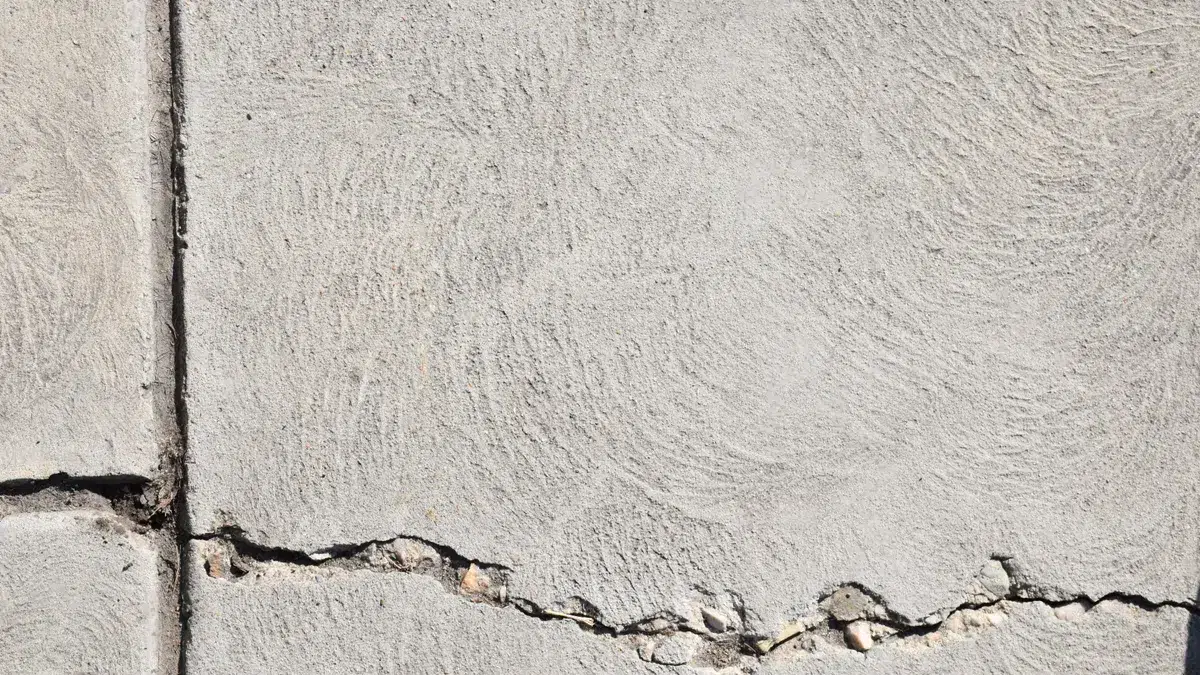
Will Hydraulic Cement Bond to Concrete?
Yes, hydraulic cement will bond to concrete effectively. This bonding occurs due to the chemical reactions that take place when hydraulic cement comes into contact with water. Unlike non-hydraulic cement, which requires dry conditions and carbon dioxide to set, hydraulic cement can harden even in wet environments. This property makes it a preferred choice for various applications, especially in areas prone to moisture.
Key Properties of Hydraulic Cement
Hydraulic cement possesses several unique properties that enhance its performance in concrete repair. Here are some of the key characteristics:
Chemical Composition: Hydraulic cement contains specific materials that react with water to form a solid mass. This reaction allows it to set and harden in various moisture levels, including groundwater and complete submersion.
Setting Time: The duration it takes for hydraulic cement to set and harden is crucial for construction scheduling. Quick-setting options allow for faster repairs and less downtime.
Soundness: This property refers to the ability of hydraulic cement to resist deformation and cracking. Soundness is essential for ensuring long-term durability in concrete structures.
Compressive Strength: Hydraulic cement can withstand significant axial loads, which is vital for maintaining structural integrity in construction projects.
Property | Description |
|---|---|
Setting Time | The duration it takes for the cement to set and harden, crucial for construction scheduling. |
Soundness | The ability of cement to resist deformation and cracking, essential for long-term durability. |
Compressive Strength | The measure of the cement’s ability to withstand axial loads, important for structural integrity. |
Chemical Composition | The specific materials and compounds in the cement that react with water to form a solid mass. |
These properties make hydraulic cement a high-quality option for various applications in concrete repair. Understanding these characteristics will help you choose the right type of cement for your specific construction requirements.
Preparing for Application
Surface Cleaning Techniques
Before applying hydraulic cement, you must prepare the surface properly. Start by cleaning the area to remove dust, laitance, and any coatings. This step is crucial for ensuring optimal adhesion of the hydraulic cement to the concrete. After cleaning, dampen the surface to a saturated-surface-dry (SSD) condition. This moisture helps the cement bond effectively, enhancing the repair’s durability.
Tools for Effective Application
Having the right tools makes your application process smoother. Here’s a list of essential tools and materials you will need:
Trowel: Use this for spreading and smoothing the hydraulic cement.
Wire Brush: This helps remove loose debris and old concrete.
Bucket: A sturdy container is necessary for mixing the cement.
Mixing Paddle: This tool ensures a consistent mixture when combining the hydraulic cement with water.
Safety Gear: Always wear gloves and goggles to protect yourself during the application.
Proper surface preparation and the right tools significantly impact the success of your concrete repair project. Neglecting these steps can lead to common mistakes, such as sealing a wet wall or using the wrong repair materials. Always address deeper structural problems before applying hydraulic cement to avoid future issues.
Step-by-Step Application of Hydraulic Cement
Mixing Hydraulic Cement
Mixing hydraulic cement correctly is crucial for achieving optimal strength and workability. Follow these steps to ensure a successful mixture:
Stop the Water: If water is actively leaking, your first task is to halt it. Use hydraulic cement for this purpose.
Mix the Cement: Combine a small amount of hydraulic cement according to the package instructions until it reaches a putty-like consistency.
Apply the Cement: Firmly press the mixed cement into the crack or hole where the water is coming through, holding it in place until it hardens.
Widen the Crack: For a stronger bond, widen the crack using a hammer and chisel to create a V-shaped groove, removing any weak concrete.
Clean the Area: Use a stiff wire brush to clear out debris and dust from the crack.
Mix and Apply Quickly: Due to the rapid setting time of hydraulic cement, mix only what you can use immediately and press it firmly into the crack.
When mixing hydraulic cement, pay attention to the water-to-cement ratio. For most applications, the optimal ratio typically ranges from 0.40 to 0.60. Here’s a quick reference table for different application types:
Application Type | Recommended Water-Cement Ratio |
|---|---|
General concrete work | 0.4 – 0.6 |
High strength concrete | 0.35 – 0.45 |
Durable marine structures | < 0.45 |
Application Techniques for Repairs
Applying hydraulic cement effectively ensures long-lasting repairs. Here are some best practices to follow:
Surface Preparation: Thoroughly clean and prepare the repair area for optimal results. This step is vital for ensuring a strong bond.
Temperature, Mixing, and Hold Times: Use small batches that match ambient and substrate temperature. In hot conditions, use cool water and shorter mixes to prevent flash-setting. In cold conditions, temper materials and extend hold time until the plug resists pressure.
Substrate Prep and Geometry: Successful repairs start with proper channel preparation. Square the shoulders for bearing, widen narrow V-scratches, and ensure the area is clean to sound concrete.
Be aware of common challenges during application. Temperature shifts can affect hydration rates, and bond failures may occur due to substrate issues like dust or coatings. To overcome these challenges, adjust batch sizes based on ambient temperature and ensure proper surface preparation by removing laitance and ensuring sound concrete.
By following these steps and techniques, you can achieve effective repairs with hydraulic cement, ensuring your concrete structures remain strong and durable.
Tips for Successful Concrete Repairs
Curing Hydraulic Cement
Curing plays a vital role in maximizing the strength and durability of hydraulic cement repairs. Here are some effective curing methods you should consider:
Maintain Moisture: Proper curing helps maintain moisture, which supports strength development. Keep the surface wet for at least one hour after application.
Thermal Curing: Methods like steam curing or autoclaving can accelerate the curing process. These techniques enhance early age compressive strength.
Temperature Awareness: Temperature shifts can alter hydration rates. Warm substrates speed up setting, while cold conditions slow it down.
Environmental Factors to Consider
When working with hydraulic cement, you must consider various environmental factors to prevent premature failure. Here are some key points:
Moisture: Excess moisture can weaken the bond and lead to failure if not managed properly.
Temperature Changes: The rigid nature of hydraulic cement makes it susceptible to cracking under stress from temperature fluctuations.
Structural Movement: Hydraulic cement lacks flexibility, which can result in premature failure when subjected to structural movement.
Environmental Factor | Implication for Hydraulic Cement Repairs |
|---|---|
Moisture | Can weaken the bond and lead to failure if not properly managed |
Temperature changes | Rigid nature makes it susceptible to cracking under stress |
Structural movement | Lack of flexibility can result in premature failure |
By understanding these curing methods and environmental factors, you can enhance the quality and long-term strength of your concrete repairs.
Common Mistakes to Avoid
Overmixing and Undermixing
Mixing hydraulic cement requires precision. Overmixing can lead to a loss of workability, making it difficult to apply. On the other hand, undermixing results in a poor bond and weak repairs. You should aim for a consistent, putty-like texture. This balance ensures that the cement adheres properly to the concrete surface. Remember, hydraulic cement is rigid and inflexible. It cannot accommodate the natural expansion and contraction of concrete, which may lead to cracking if mixed improperly.
Ignoring Surface Preparation
Proper surface preparation is crucial for successful repairs. If you neglect this step, your repair may not withstand environmental stresses, leading to early failure. Hydraulic cement does not adhere effectively to dirty or poorly prepared surfaces. Dust, rust, and loose materials can prevent proper adhesion. This weak bond increases the risk of water intrusion and deterioration over time. Always clean and prime the surface before applying hydraulic cement. This practice enhances the quality and longevity of your repairs.
Here are some common mistakes to avoid:
Poor Adhesion: Failing to clean the surface can lead to weak bonds.
Limited Durability: Improper mixing can shorten the lifespan of patches.
Unsightly Appearance: Repairs may not blend well with surrounding concrete.
By avoiding these mistakes, you can ensure that your concrete repairs are effective and long-lasting.
In summary, working with hydraulic cement requires attention to detail and safety. You must follow proper techniques to ensure strong and durable repairs. Always prioritize surface preparation and use the right tools.
Here are some safety precautions to keep in mind:
Safety Precaution | Description |
|---|---|
Skin | Prevent skin contact; wash skin when contaminated; remove when wet or contaminated. |
Eyes | Prevent eye contact; irrigate immediately if contact occurs. |
Breathing | Ensure fresh air; use appropriate respirators based on exposure levels. |
Swallowing | Seek medical attention immediately if ingested. |
Respirator Use | Use specific respirators based on the concentration of cement dust (e.g., N95, P100). |
To improve your skills, practice on mock projects and ensure you work on clean concrete. With time and experience, you will gain confidence in your concrete repair abilities.
FAQ
What is hydraulic cement used for?
Hydraulic cement is used for repairing concrete structures, filling cracks, and waterproofing areas prone to moisture.
How long does hydraulic cement take to set?
Hydraulic cement typically sets within 30 minutes to 1 hour, depending on environmental conditions and the specific product used.
Can I use hydraulic cement for outdoor repairs?
Yes, you can use hydraulic cement for outdoor repairs. Its ability to bond in wet conditions makes it ideal for various construction projects.
See Also
Essential Techniques for Effective Concrete Crack Repair
Comprehensive Strategies for Durable Cement Crack Sealing
Understanding the Distinctions Between Hydraulic and Regular Concrete
Selecting the Ideal Cementitious Crack Sealer for Your Needs
The 2025 Handbook for Selecting Top Cementitious Repair Mortars
