


When you explore concrete options, you will encounter hydraulic cement and regular concrete. Hydraulic cement hardens through a chemical reaction with water, while regular concrete relies on drying. Understanding these differences is crucial for your construction projects, especially in environments where moisture is a factor. Choosing the right type can impact durability and longevity.
Key Takeaways
Hydraulic cement hardens quickly and works well in wet conditions, making it ideal for urgent repairs and projects exposed to moisture.
Regular concrete is versatile and cost-effective but can weaken in damp environments, leading to issues like surface scaling and cracking.
Choosing the right type of concrete for your project is crucial for ensuring durability and performance, especially in challenging conditions.
What is Hydraulic Cement?
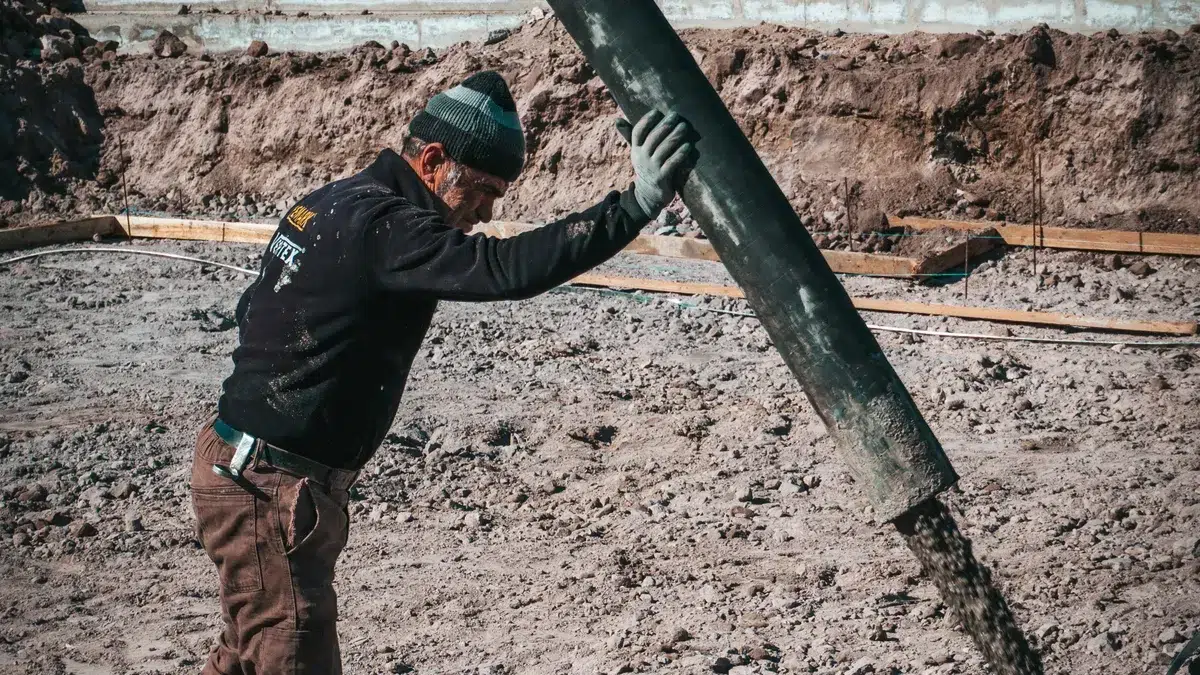
Hydraulic cement is a type of cement that sets and hardens when mixed with water. It undergoes a chemical reaction, allowing it to cure even in wet conditions. This unique property makes hydraulic cement ideal for various construction projects, especially those exposed to moisture.
Properties of Hydraulic Cement
Hydraulic cement possesses several key properties that distinguish it from regular cement:
Fast Setting: Hydraulic cement sets quickly, making it suitable for urgent repairs.
Water Resistance: It can harden underwater, which is crucial for projects in damp environments.
Durability: This type of cement offers high strength and longevity, ensuring structures withstand harsh conditions.
The chemical composition of hydraulic cement includes several essential components:
Component | Function |
|---|---|
Portland Cement | Main binder, providing strength and durability |
Calcium Silicates (Alite, Belite) | Reacts with water to form calcium silicate hydrate, enhancing strength |
Calcium Aluminates | Helps the cement set quickly and improves water resistance |
Additives/Fillers | May include fine sand, limestone, or other minerals to enhance properties |
Water | Initiates the chemical process that allows setting and hardening |
Applications in Damp Environments
Hydraulic cement finds extensive use in various applications, particularly in damp environments. Here are some common uses:
Dams: Hydraulic cement is crucial in constructing dams, especially in spillways, which manage water flow effectively.
Marine Construction: Its ability to harden underwater makes it ideal for building bridges, harbors, and aqueducts.
Emergency Repairs: You can use hydraulic cement for quick patching in situations where time is of the essence.
Historically, hydraulic cement has played a significant role in construction. The Romans were pioneers in using a form of hydraulic cement known as pozzolana. This mixture, made from volcanic ash, lime, and seawater, allowed them to build iconic structures like the Colosseum and the Pantheon. Their innovative use of hydraulic cement showcased its durability and effectiveness in marine environments.
In modern infrastructure projects, hydraulic cement continues to be a vital material. It is commonly used in:
Spillways: These structures utilize roller-compacted concrete for durability and effectiveness in managing water flow.
Grade Control Structures: Soil-cement applications help reduce water velocity, minimizing erosion and protecting infrastructure.
Geotechnical Applications: Hydraulic cement is essential in dam and levee rehabilitation, addressing seepage issues through slurry cutoff walls and cementitious grouting.
By understanding the properties and applications of hydraulic cement, you can make informed decisions for your construction projects, especially in challenging environments.
What is Regular Concrete?
Regular concrete is a composite material made from a mixture of fine and coarse aggregates, Portland cement, and water. This combination undergoes a process called hydration, where the cement reacts chemically with water. This reaction is essential for developing strength in the concrete. The aggregates provide volume and structural integrity, while water binds the materials together.
Properties of Regular Concrete
Regular concrete has several notable properties:
Strength: After 28 days of curing, regular concrete typically achieves an average compressive strength of around 4,000 to 5,000 psi (approximately 27.6 to 34.5 MPa). This strength is a common standard in the construction industry.
Versatility: You can use regular concrete in various applications, including sidewalks, driveways, and building foundations.
Cost-Effectiveness: Regular concrete is often more affordable than specialized types, making it a popular choice for many projects.
Limitations in Wet Conditions
While regular concrete is widely used, it has limitations when exposed to wet conditions:
Overhydration and Weakening of Concrete: Excessive water can dilute the cement paste, reducing strength and durability.
Surface Scaling and Dusting: Too much water can weaken the surface layer, leading to flaking and dusting.
Formation of Weak Surface Layers: Overwatering can create a weak surface layer (laitance) that lacks durability.
Uneven Moisture Distribution: Improper water application can cause differential drying, leading to internal stresses and potential cracking.
Increased Risk of Shrinkage Cracks: While it may prevent surface cracks, excessive moisture can increase the risk of internal shrinkage cracks.
Understanding these properties and limitations helps you make informed decisions when selecting concrete for your construction projects.
Key Differences Between Hydraulic and Regular Concrete

Strength and Durability
When comparing strength and durability, hydraulic cement stands out, especially in harsh environments. It exhibits enhanced durability due to its ability to resist moisture and chemical attacks. Research shows that hydraulic concrete demonstrates superior strength in moisture-prone areas compared to regular concrete. The incorporation of pozzolanic materials in hydraulic cement reduces porosity and water absorption, which is critical for resisting harsh environmental conditions.
Evidence Summary | Details |
|---|---|
Enhanced Durability | Hydraulic concrete shows superior strength and durability in moisture-prone areas compared to regular concrete. |
Pozzolanic Materials | Incorporation of pozzolanic materials reduces porosity and water absorption, critical for resisting harsh environmental conditions. |
Long-term Performance | Studies indicate that hydraulic concrete reduces maintenance needs and extends the lifespan of structures in aggressive environments. |
In contrast, regular concrete can be more fragile and susceptible to damage in damp environments. This difference makes hydraulic cement the preferred choice for foundations and outdoor projects that need to withstand harsh weather.
Setting Time and Workability
Setting time and workability are crucial factors in choosing the right concrete for your project. Hydraulic cement typically sets faster than regular concrete, making it ideal for urgent repairs. You can expect hydraulic cement to harden quickly, allowing you to resume work without long delays.
Several factors influence the workability of hydraulic concrete compared to regular concrete:
Factor | Description |
|---|---|
Water-to-cement ratio | Affects consistency; too much water leads to segregation, while too little results in low workability. |
Coarse and fine aggregates | Size, shape, and gradation influence consistency; aggregates make up 60-80% of the mix. |
Admixtures and additives | Can alter consistency by increasing or decreasing fluidity. |
Temperature and weather | Extreme conditions can affect setting time and consistency. |
Workability | Measure of how easily concrete can be mixed, placed, and compacted; closely related to consistency. |
While hydraulic cement offers quick setting times, regular concrete may require longer curing periods. This difference can impact your project timeline, especially in emergency situations.
Specialized Applications
Hydraulic cement excels in specialized applications, particularly in emergency repairs. You can use it effectively in scenarios such as:
Stopping water leaks in concrete walls, floor tanks, or foundations.
Providing expedited repairs for areas where waiting for traditional curing is not feasible.
Repairing damaged structures like bridges, dams, and buildings.
The quick setting time of hydraulic cement allows for immediate repairs, which is crucial for sealing leaks and preventing further damage. Regular concrete, while versatile, may not provide the same level of performance in these urgent situations.
In summary, hydraulic concrete excels in wet conditions, offering rapid setting and durability. Regular concrete suits various applications but struggles in moisture. Selecting the right type for your project ensures longevity and performance. Always consider your environment and specific needs when making your choice. 🏗️
FAQ
What is the main advantage of hydraulic concrete?
Hydraulic concrete sets quickly and hardens in wet conditions, making it ideal for urgent repairs and damp environments.
Can I use regular concrete in wet areas?
You can use regular concrete in wet areas, but it may weaken and suffer from surface scaling or cracking.
How long does hydraulic concrete take to set?
Hydraulic concrete typically sets within a few hours, allowing you to resume work quickly compared to regular concrete.
See Also
Understanding The Differences Between Hydraulic And Regular Concrete
Comparing Epoxy And Latex: Which Is Best For Concrete Repair?
Exploring The Distinctions Between Densifiers And Hardeners In Concrete
Comprehensive Overview Of Various Concrete Waterproofing Techniques
Defining Concrete Hardeners: Their Function And Importance Explained
