


Floor hardener, or what is floor hardener, is a crucial material applied to fresh concrete to enhance its surface strength and durability. This dry-shake product bonds with concrete, forming a dense, abrasion-resistant layer. In 2026, you will see its importance grow as it significantly improves the longevity and performance of concrete surfaces.
Key Takeaways
Floor hardeners improve concrete surfaces by increasing strength and durability, making them ideal for heavy traffic areas.
Using floor hardeners reduces maintenance needs and costs, providing long-term savings for industrial and commercial spaces.
Choosing sustainable floor hardeners with low VOCs contributes to healthier indoor environments and aligns with green building practices.
What is Floor Hardener?
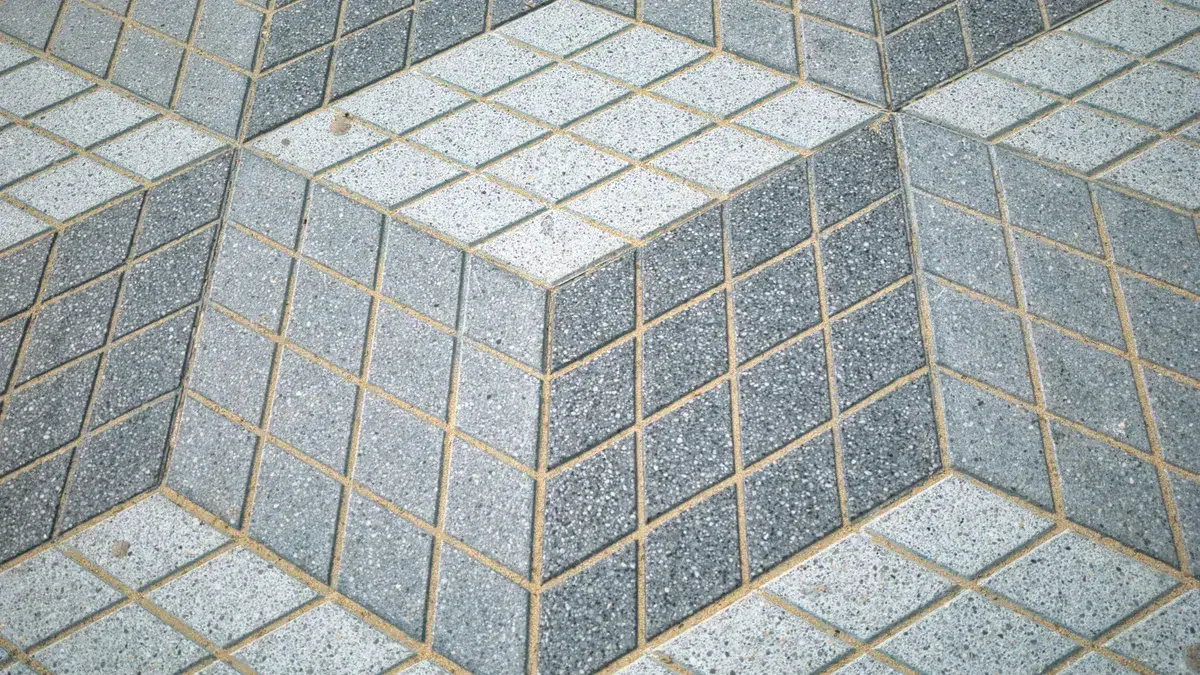
Floor hardener is a specialized product designed to enhance the durability and performance of concrete surfaces. It typically consists of a blend of fine-grained nonmetallic aggregates, plasticizers, binding agents, and coarser sand. These components work together to improve the concrete’s compressive strength, reduce water absorption, and increase impact resistance.
Benefits of Floor Hardener
Using floor hardener offers numerous advantages, especially in industrial and commercial settings. Here are the top five benefits:
Increased Durability: Floor hardeners significantly enhance resistance to damage from heavy machinery and foot traffic.
Improved Strength: They increase compressive strength, which reduces the risk of cracking under heavy loads.
Reduced Maintenance: Floor hardeners lower maintenance needs by sealing the surface against spills and stains.
Cost-effective: Investing in floor hardeners proves more economical than repairing or replacing damaged floors.
Aesthetically Pleasing: They come in various colors and finishes, allowing for a more attractive surface.
These benefits make floor hardeners a valuable addition to any concrete project.
Applications of Floor Hardener
You can apply floor hardeners in various settings, including warehouses, factories, and retail spaces. Their versatility allows for use in both new constructions and renovations. Here are some common application methods:
Prepare the Surface: Clean the floor thoroughly and repair any damage before applying the hardener.
Apply the Floor Hardener: Mix the product and apply it evenly using a sprayer or squeegee, ensuring full coverage.
Finishing: Allow the final layer to dry completely and consider adding a sealer for added protection.
Different manufacturers create floor hardeners with varying compositions. For instance, dry shake hardeners typically consist of a mix of hard-wearing aggregates, cement, and various additives. In contrast, liquid hardeners utilize silicate compounds that chemically react with concrete to improve its density and hardness.
Component | |
|---|---|
Fine-grained nonmetallic | Enhances compressive and flexural strength |
aggregates | |
Plasticizers | Reduces water absorption |
Binding agents | Improves impact resistance |
Coarser sand | Decreases water absorption and increases overall durability |
In addition to enhancing performance, floor hardeners also contribute to environmental sustainability. Many floor hardeners are water-soluble inorganic compounds, which means they meet today’s demands for health and safety. They often come with various environmental certifications, ensuring that they align with green building practices.
Types of Floor Hardener
Dry Shake Hardeners
Dry shake hardeners are popular for enhancing the durability of concrete floors. You apply them directly to freshly poured concrete. This method allows the hardener to bond with the surface, creating a strong, abrasion-resistant layer. The main components include hard-wearing aggregates and additives, which improve wear resistance and reduce dusting.
Here are some key benefits of dry shake applications:
High Durability: Ideal for heavy traffic areas, they withstand significant wear and tear.
Superior Surface Strength: They create a hard surface that resists cracking and damage.
Customization: You can add pigments for color variations, enhancing aesthetic appeal.
Aspect | Dry Shake Hardener |
|---|---|
Durability | High durability, excellent for heavy traffic areas |
Surface Strength | Superior surface hardness, ideal for industrial use |
Timing of Application | Must be applied to wet concrete at a precise time |
Liquid Hardeners
Liquid hardeners offer a different approach to strengthening concrete floors. You can apply them to both new and cured concrete. These products penetrate the surface and react chemically with the concrete, enhancing its density and hardness. Common compounds in liquid hardeners include sodium silicate and lithium silicate.
The advantages of liquid surface hardeners include:
Ease of Application: They are less labor-intensive and can be applied quickly.
Good Durability: Suitable for medium-duty areas, they still provide significant protection.
Flexibility: You can apply them at various stages of the curing process.
Aspect | Liquid Hardener |
|---|---|
Ease of Application | Easy to apply, less labor-intensive |
Penetration Depth | Penetrates deeper into the concrete |
Maintenance | Easy maintenance, often improves with age |
Both types of floor hardeners play vital roles in enhancing the performance of concrete floors, making them suitable for various applications.
Importance in 2026
As you look toward 2026, the relevance of floor hardeners in modern construction becomes increasingly clear. These products not only enhance the durability of concrete surfaces but also align with the growing emphasis on sustainability and technological advancements in the industry.
Sustainability Considerations
Sustainability plays a crucial role in construction today. You may notice that manufacturers are actively addressing environmental concerns related to floor hardener production. They focus on creating products that minimize environmental impact while maximizing performance. Here are some key features of modern floor hardeners:
Feature | Description |
|---|---|
Fast-curing | Shortened waiting time between application steps |
Low-VOC | Reduced volatile organic compounds emissions |
Increased sustainability | Less odor and reduced fuel consumption |
These advancements not only improve the performance of floor hardeners but also contribute to healthier indoor environments. By choosing floor hardeners with low VOCs, you help reduce air pollution and create safer spaces for occupants.
Market Trends
The market for floor hardeners continues to evolve. You will see a growing demand for high-performance surface protectors that offer enhanced durability and aesthetic appeal. As industries expand and construction projects increase, the need for robust flooring solutions becomes more critical.
Several trends are shaping the future of floor hardeners:
Increased Customization: You can expect more options for colors and finishes, allowing for personalized designs in commercial and industrial spaces.
Technological Integration: Innovations in materials science lead to stronger and more efficient formulations. This means you can achieve better results with less product.
Focus on Health and Safety: As awareness of environmental issues rises, you will find more products that prioritize health and safety, ensuring that your flooring choices align with green building practices.
In summary, floor hardeners play a vital role in modern construction. They enhance concrete durability, reduce maintenance needs, and offer aesthetic options. As you plan your projects for 2026, consider factors like intended use, concrete condition, and environmental conditions. By selecting the right floor hardener, you can ensure long-lasting and resilient surfaces.
FAQ
What is the main purpose of using floor hardener?
Floor hardener enhances concrete’s strength and durability, making it resistant to wear, impact, and stains.
How do I apply floor hardener?
You apply floor hardener by mixing it with water and spreading it evenly on freshly poured concrete.
Can I use floor hardener on existing concrete?
Yes, you can use liquid hardeners on cured concrete to improve its density and surface strength.
See Also
Understanding Floor Hardeners: Their Function and Purpose
Concrete Floor Hardeners: Overview of Their Use and Functionality
Essential Information About BANDě Concrete Floor Hardeners
Choosing the Right BANDě Floor Hardener for 2025 Projects
A Detailed Comparison of Industrial Floor Hardeners for 2025
