


Choosing the right concrete sealer is crucial for maintaining your home’s surfaces. A quality sealer enhances durability by preventing colour fading and protects against harsh weather conditions. You should consider factors such as surface type, location, and desired finish. This ensures the best results for your concrete sealer in the United States.
Key Takeaways
Choose the right type of concrete sealer based on your surface and desired finish. Penetrating sealers are ideal for natural looks, while film-forming sealers enhance colour and shine.
Consider environmental factors when selecting a sealer. For areas with freeze-thaw cycles, penetrating sealers allow moisture to escape, preventing damage.
Evaluate your budget and the longevity of sealers. Investing in a durable product can save money on repairs and maintenance in the long run.
Concrete Sealer Types
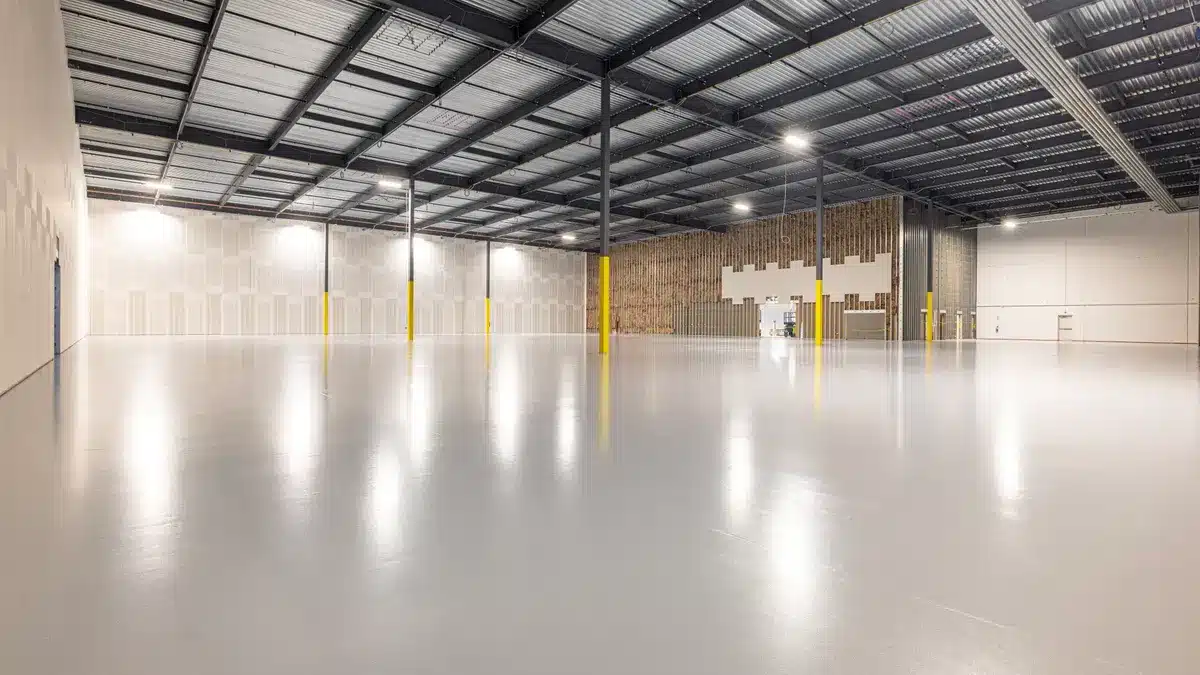
When selecting a concrete sealer, understanding the two primary types—penetrating sealers and film-forming sealers—can significantly influence your choice.
Penetrating Sealers
Penetrating sealers work by chemically reacting with the concrete to form a hydrophobic barrier. This barrier prevents moisture and harmful substances from infiltrating the concrete while allowing vapour to escape. As a result, these sealers do not alter the surface appearance, making them ideal for exterior concrete surfaces where a natural, matte finish is preferred.
Applications of Penetrating Sealers:
Driveways: Protect against moisture and chemical intrusion.
Sidewalks: Enhance durability and safety in wet conditions.
Patios: Maintain the original appearance while providing protection.
The benefits of using penetrating sealers include:
They block out moisture and chemicals.
They are safe for icy and wet environments.
They do not alter the surface texture.
Film-Forming Sealers
In contrast, film-forming sealers, such as solvent-based acrylic sealers, create a thin, visible film on the surface of the concrete. This film enhances colour and adds a satin to high-gloss sheen, making them suitable for decorative surfaces like stamped or stained concrete. However, they can trap moisture, leading to potential issues like blushing if not applied correctly.
Applications of Film-Forming Sealers:
Decorative Surfaces: Ideal for stamped or stained concrete where an enhanced appearance is desired.
Interior Floors: Provide a glossy finish and moderate protection against stains and water penetration.
The performance characteristics of these sealers include:
They last between 1 to 3 years before requiring a recoat.
They can enhance the aesthetic appeal of your concrete surfaces.
Feature | Penetrating Sealers | Film-Forming Sealers (Acrylic) |
|---|---|---|
Chemical Composition | React chemically to form a hydrophobic barrier | Creates a thin, visible film on the surface |
Appearance | Does not change appearance or sheen | Enhances colour, adds satin to high-gloss sheen |
Durability | Lasts 5 to 10 years on horizontal surfaces | Lasts 1 to 3 years before needing recoat |
Moisture Management | Allows moisture vapour to escape, preventing peeling | Can trap moisture, leading to blushing |
Coverage | 150 to 300 square feet per gallon | 200 to 400 square feet per gallon |
Cost | $30 to $60 per gallon | $25 to $50 per gallon |
By understanding these differences, you can make an informed decision about which type of concrete sealer best suits your needs in the United States.
Best Concrete Sealers in 2023
When it comes to selecting the best concrete sealers, you want to ensure that you choose products that offer exceptional performance and value. Based on consumer ratings and expert reviews, here are some of the top-rated options for 2023.
Best Overall Concrete Sealer
For those seeking the best overall concrete sealer, Super Seal-M Water Repellent stands out. This product excels in providing a robust protective layer while enhancing the appearance of your concrete surfaces. It offers the following key features:
Water Repellent: Effectively prevents water penetration, reducing the risk of damage from freeze-thaw cycles.
Durability: Lasts up to three years, making it a reliable choice for both indoor and outdoor applications.
Ease of Application: You can apply it with a roller or sprayer, ensuring a smooth finish.
In addition to its protective qualities, Super Seal-M enhances the visual appeal of your concrete, making it an excellent choice for driveways, patios, and walkways.
Best Value Concrete Sealer
If you are looking for a cost-effective option without compromising quality, consider MasonrySaver Heavy Duty Water Repellent. This sealer provides excellent value for money, offering a balance of performance and affordability. Here are some of its notable features:
Long-lasting Protection: This sealer creates an invisible barrier against water penetration and staining, lasting up to five years.
Versatile Application: Suitable for various surfaces, including brick, stone, and concrete, it adapts well to different environments.
Eco-friendly: With low VOC content, it is a safer choice for both you and the environment.
Choosing a product like MasonrySaver not only prolongs the lifespan of your concrete surfaces but also reduces long-term repair costs.
Product Name | Description |
|---|---|
Super Seal-M Water Repellent | My Best Overall Concrete Sealer |
Restore-A-Garage Epoxy Coatings | My Concrete Epoxy Coating |
Supreme Shield SB-600 | My Wet-Look Concrete Sealer |
MasonrySaver Heavy Duty Water Repellent | My All-Purpose Concrete Sealer |
User reviews and ratings play a significant role in influencing your selection of concrete sealers in the United States. Positive feedback fosters trust in products like Super Seal-M and MasonrySaver, while negative reviews can deter potential buyers. Therefore, it is essential to consider user experiences alongside product specifications when making your decision.
By evaluating these top-rated products, you can confidently choose the best concrete sealers that meet your needs and enhance the longevity of your concrete surfaces.
Best Stamped Concrete Sealer
When it comes to selecting the best stamped concrete sealer, you have several excellent options that enhance both protection and appearance. Two standout products are Super Seal 30 and Supreme Shield SB-600.
Top Products for Stamped Concrete
Product Name | Type | Finish Type | Characteristics |
|---|---|---|---|
Solvent-based acrylic | Wet Look | UV, stain, and abrasion resistance | |
Supreme Shield SB-600 | Solvent-based acrylic | Satin | Durable and effective for various weather conditions |
Both of these sealers provide significant benefits for stamped concrete surfaces. They enhance protective qualities by reducing water ingress and minimising staining, which is crucial for maintaining the integrity of the concrete. Additionally, these sealers prolong the lifespan of the surface and reduce the frequency of reapplication. They also improve the visual appeal of stamped patterns and colours, ensuring that your surfaces remain vibrant and attractive over time.
Application Tips for Stamped Sealers
To achieve the best results with your stamped concrete sealer, follow these application tips:
Begin with a clean, dry surface and verify the weather window before applying sealer.
Apply in moderate temperatures and avoid direct sunlight exposure during curing.
Use a compatible, low-viscosity sealer and adhere to the manufacturer’s nominal coverage rate.
Stir thoroughly to achieve a uniform viscosity without introducing air bubbles.
Pour or spray in controlled passes perpendicular to stamped patterns, then back-roll to even out thickness.
Maintain a consistent pace to prevent lap lines and ensure complete edge coverage.
Identify the substrate’s porosity and pre-wet the surface if necessary.
Allow the first coat to become tack-free before applying a second coat.
By following these guidelines, you can ensure that your stamped concrete sealer performs optimally, providing both protection and aesthetic enhancement.
Key Features to Consider
Durability and Longevity
When selecting a concrete sealer, durability and longevity are paramount. You want a product that withstands the test of time and environmental factors. Laboratory tests show that different sealers offer varying levels of stain resistance and performance against environmental challenges. For instance, a table comparing sealers reveals that some provide excellent resistance to freezing rain and mud, while others may struggle with de-icing salts.
Sealer Type | Stain Resistance (0-5) | Performance Against Environmental Factors |
|---|---|---|
Sealer A | 5 | Excellent against freezing rain, mud |
Sealer B | 3 | Moderate resistance to de-icing salts |
Sealer C | 0 | Poor performance, stained after washing |
The average lifespan of high-quality concrete sealers under typical residential conditions varies. Water-based acrylic sealers typically last 2–3 years, while polyurethane options can extend up to 5 years. Understanding these differences helps you make an informed choice.
Sealer Type | Typical Lifespan* |
|---|---|
Water-based acrylic (with silane additive) | 2–3 years |
PU 1K (polyurethane) | 3–5 years |
Solvent-based acrylic | 2–4 years |
Application Method
The application method significantly impacts the effectiveness of your chosen concrete sealer. You should follow these steps for optimal results:
Clean the surface properly to ensure all dirt and oil are removed.
Apply thin coats using a roller or sprayer for even coverage.
Consider weather conditions, sealing only in ideal temperatures.
By adhering to these guidelines, you enhance the performance of your stamped concrete sealer and prolong its lifespan. Additionally, consider the environmental impact of your choice. Water-based sealers are generally more eco-friendly than solvent-based options, which often contain higher VOC levels.
Tip: Always check the manufacturer’s instructions for specific application recommendations to achieve the best results.
Buyer’s Guide for Concrete Sealers
Assessing Your Needs
When selecting a concrete sealer, you must assess your specific needs based on various factors. Consider the following:
Type of Sealer: Options include penetrating, acrylic, or epoxy sealers.
Environmental Conditions: Assess VOC levels and moisture for safe application.
Location: Determine if the application is indoors or outdoors.
Appearance Preferences: Decide between glossy or matte finishes.
Protection Level: Choose between penetrating and film-forming sealers based on your requirements.
Climate Considerations: In freeze-thaw areas, opt for penetrating sealers to allow moisture escape. For hot environments, select UV-resistant sealants to prevent degradation.
For outdoor polished concrete, a penetrating sealer or a silane/siloxane sealer ensures protection against weather elements.
Budget Considerations
Your budget plays a crucial role in selecting the right concrete sealer. High-quality sealers vary in price, and understanding the cost can help you make an informed decision. Here’s a breakdown of average costs:
Type of Sealer | |
|---|---|
Acrylic | $16–$75 |
Polyurethane | $25–$110 |
Epoxy | $40–$175 |
Investing in a durable sealer can save you money in the long run. Sealants extend the lifespan of driveways by providing a protective layer against elements like UV rays, water, and oil spills. They simplify cleaning by creating a non-porous barrier that resists stains. Additionally, sealants protect against weather conditions, reducing the risk of freeze-thaw damage and degradation from sun exposure.
By carefully assessing your needs and budget, you can choose a concrete sealer that meets your requirements and enhances the longevity of your surfaces.
Choosing the right concrete sealer is essential for maintaining your home’s surfaces. Consider factors such as environmental conditions, traffic levels, finish preferences, and application methods. For instance, a stamped concrete sealer can enhance both protection and aesthetics.
To make an informed decision, you should:
Understand the local climate and its effects on sealer performance.
Assess usage and traffic levels to choose the right sealer type.
Evaluate different types of sealers based on specific needs.
Consult with professionals for tailored advice.
By considering these factors, you can select a sealer that benefits your home in the long run.
FAQ
What is the best time to apply concrete sealer?
You should apply concrete sealer during dry weather, ideally when temperatures range between 10°C and 30°C.
How often should I reseal my concrete surfaces?
Reseal your concrete surfaces every 1 to 3 years, depending on the type of sealer and environmental conditions.
Can I apply sealer over old sealer?
Yes, you can apply new sealer over old sealer, but ensure the surface is clean and free from contaminants.
See Also
Discovering The Ideal Concrete Sealer For Your Requirements
A Comprehensive Guide To Selecting The Right Concrete Sealer
The Ultimate 2025 Handbook For Selecting Concrete Sealers
