


Eco-friendly practices in construction matter more than ever. You can enhance your projects’ sustainability by using concrete densifiers, such as the concrete densifier Canada offers. These products not only help you achieve LEED certification in Canada but also improve the durability of your concrete surfaces. Consider the following LEED credits that concrete densifiers can help you earn:
LEED Credit | Description |
|---|---|
MR Credit 1 | Building Reuse: Stonhard flooring systems can be used to rehabilitate an existing building and lessen the need for new facilities. |
MR Credit 2 | Construction Waste Management: Reduce waste up to 85% through Stonhard’s unique packaging by minimizing metal can waste and recyclable packaging. |
MR Credit 4.1 | Recycled Content: Stonhard offers products formulated using recycled glass aggregate. |
MR Credit 6 | Rapidly Renewable Materials: Stonhard offers products that are formulated and designed with rapidly renewable bio-based materials. |
EQ Credit 4.2 | Low Emitting Materials: Most of Stonhard’s products meet and exceed VOC requirements for floor coatings. |
Key Takeaways
Using eco-friendly concrete densifiers can help you achieve LEED certification in Canada, enhancing your project’s sustainability.
Proper surface preparation and application techniques are crucial for maximizing the effectiveness of concrete densifiers.
Choosing the right type of densifier, such as lithium or natural options, can improve durability and reduce environmental impact.
Types of Concrete Densifiers in Canada
Concrete densifiers come in various types, each offering unique benefits for enhancing the durability and sustainability of your concrete surfaces. Here are the primary types of eco-friendly concrete densifiers available in Canada:
Silicate Concrete Densifiers
Silicate concrete densifiers are among the most common options. They work by penetrating the concrete and chemically reacting with free lime to form additional calcium silicate hydrate (C-S-H). This reaction increases the density and hardness of the concrete, making it more resistant to wear, staining, and moisture.
Types of Silicate Densifiers:
Potassium silicate
Lithium silicate
For example, the LithiCon 15 Concrete Floor Densifier is a lithium silicate-based hardener and sealer. It reduces dusting, protects against abrasion, and resists oil, grease, and water absorption. This product is safer than conventional sodium or potassium silicate hardeners, making it an excellent choice for eco-conscious projects.
Lithium Concrete Densifiers
Lithium concrete densifiers are a subset of silicate densifiers. They offer superior performance due to their smaller particle size, which allows for deeper penetration into the concrete. This results in a more effective hardening process.
Benefits of Lithium Densifiers:
Enhanced durability
Improved resistance to moisture and stains
Lower environmental impact
These densifiers provide a permanent change to the concrete, eliminating the need for periodic reapplication. This feature makes them a cost-effective solution for long-term projects.
Natural Densifiers
Natural densifiers are an emerging option in the market. They utilize organic materials to enhance the properties of concrete. These products are often derived from renewable resources, making them an attractive choice for environmentally conscious builders.
Advantages of Natural Densifiers:
Biodegradable and non-toxic
Reduced environmental footprint
Effective in improving surface hardness
Natural densifiers may not penetrate as deeply as their silicate counterparts, but they still provide significant benefits in terms of sustainability and safety.
Environmental Benefits of Applying Concrete Densifiers
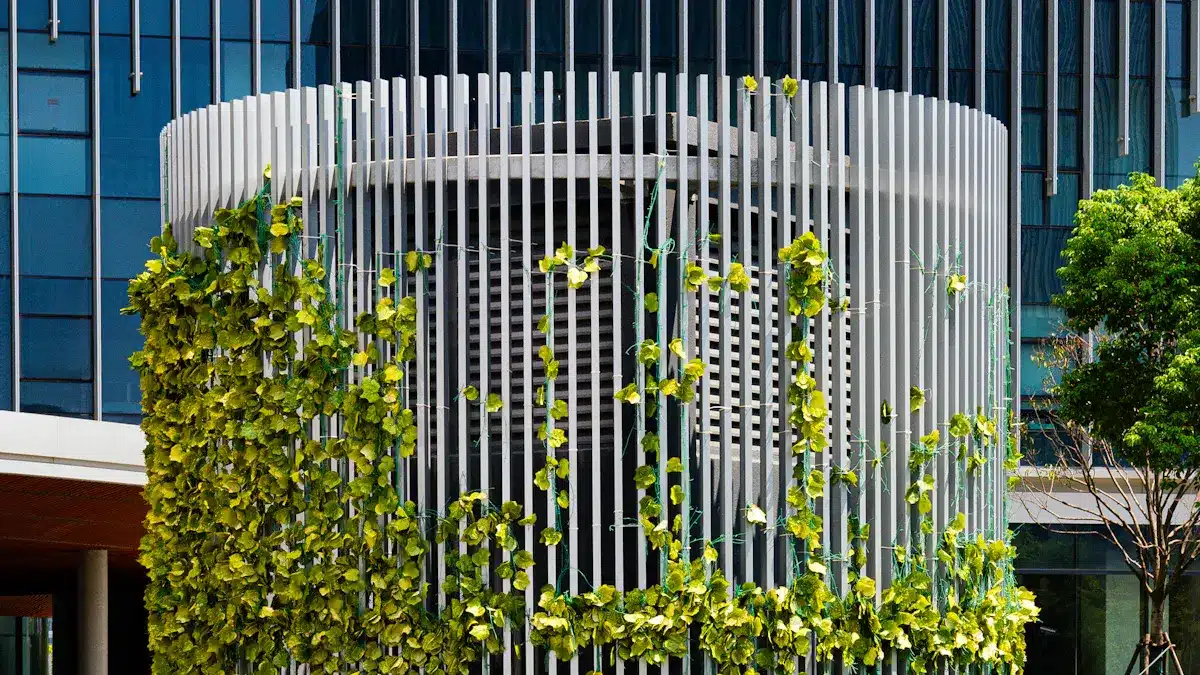
Sustainability Impact
Using concrete densifiers significantly enhances the sustainability of building materials in Canada. These products protect against chemical attacks, which improves durability and lifespan. They also resist staining and permeable fluids, reducing maintenance needs. Here’s a quick overview of how concrete densifiers contribute to sustainability:
Feature | Benefit |
|---|---|
Enhances durability and lifespan | |
Resistance to staining and permeable fluids | Reduces maintenance needs |
Wear and degradation resistance | Lowers lifecycle costs |
Reduction of VOCs
Concrete densifiers also play a crucial role in improving indoor air quality. By eliminating the need for chemical sealers and adhesives, they reduce harmful VOC emissions. This leads to healthier environments for occupants. Additionally, polished concrete does not support mold growth and is easy to clean with non-toxic products. This further enhances indoor air quality by minimizing hazardous materials.
Longevity of Concrete Structures
Applying concrete densifiers extends the service life of your concrete surfaces. Regular applications help maintain the integrity of polished concrete floors, especially in high-traffic areas. This preventive maintenance is vital in harsh Canadian climates. The densifiers add strength, stop efflorescence, and reduce dusting, all of which enhance the lifespan of concrete structures.
How to Apply Concrete Densifier for Best Results
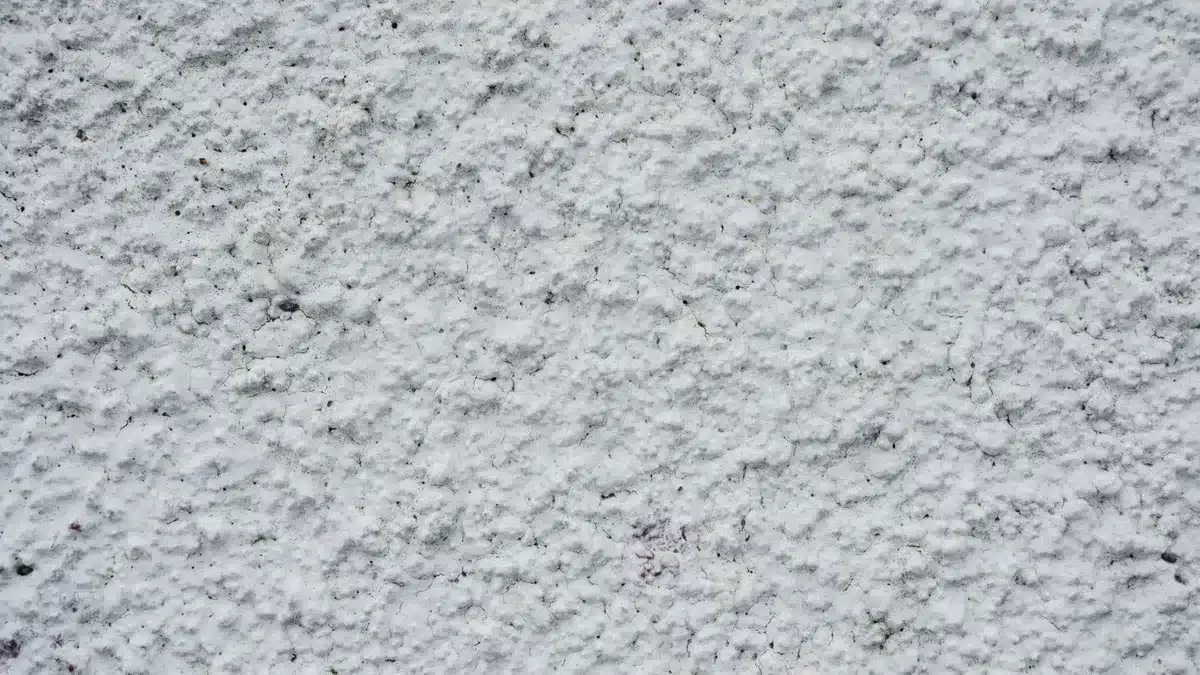
Applying concrete densifiers correctly is crucial for achieving optimal results. Follow these steps to ensure you maximize the benefits of your densifier.
Surface Preparation Techniques
Before you apply concrete densifier, prepare the surface thoroughly. A clean surface enhances the effectiveness of the densifier. Here are some recommended techniques:
Muriatic acid etching: This method is a minimum requirement for light-duty areas. It helps remove contaminants and prepares the surface for densification.
Diamond grinding: Ideal for less aggressive needs, this technique ensures a smooth finish and enhances the surface profile.
Shot blasting: Recommended for thicker systems, shot blasting provides an aggressive surface profile for better adhesion.
Additionally, ensure the surface is free from debris, dirt, and any previous sealers. Repair any cracks or damage before applying the densifier. This step is vital for achieving a durable and long-lasting finish.
Application Methods
Choosing the right application method impacts the performance of your concrete densifier. Here’s a table summarizing effective application tools and methods:
Tool Type | Application Method |
|---|---|
Standard Roller | For applying most penetrating sealers |
Low Pressure Sprayer | Ideal for even application of sealers |
Broom | Useful for spreading sealers |
Microfiber Pad | For detailed application |
Squeegee | Helps in smoothing out the surface |
Brush | For precision application |
Floor Scrubber | Recommended for certain densifying sealers |
High Speed Polisher | For achieving best results with some sealers |
When you apply concrete densifier, consider the following tips:
Aim for an application temperature range of 40°F to 125°F for optimal adhesion.
Ensure the concrete surface is dry before application, although it may be slightly damp for certain products.
Apply the densifier immediately after completing surface preparation for the best results.
Timing and Curing Considerations
Timing plays a significant role in the effectiveness of your densifier. Here are some guidelines to follow:
Apply densifier after the 200-grit resin-bond diamond for best results, especially after stain or dye application.
For soft to medium concrete, densify after the 80-grit diamond.
For medium-hard to hard concrete, densify around the 200- to 400-grit range.
If using acid stains, apply the densifier after the stain has been applied, rinsed, and neutralized.
Proper curing is equally important. Poor curing practices can lead to weak and dusty surfaces. Here are some key points to remember:
Insufficient curing can result in a porous surface, making it more susceptible to damage.
A dusty appearance often indicates surface degradation, which can compromise the integrity of the concrete.
Ensure the surface remains wet for at least 20 minutes during application to maximize penetration.
By following these steps, you can effectively apply concrete densifier and enhance the durability and sustainability of your concrete surfaces.
Selecting eco-friendly concrete densifiers is crucial for achieving LEED certification in Canada. These products enhance sustainability and durability in your construction projects. Consider the following benefits:
Feature | Benefit |
|---|---|
Compatibility with Type 1L | Supports low-carbon construction practices |
Improved Workability | Enhances mix responsiveness and reduces rework |
Sustainability | Aids in achieving green building goals |
By choosing these options, you promote a healthier environment and contribute to a more sustainable future. 🌱
FAQ
How do I apply concrete densifier?
To apply concrete densifier, clean the surface thoroughly and use a roller or sprayer for even distribution.
When should I apply concrete densifier?
You should apply concrete densifier after surface preparation, ideally when temperatures range from 40°F to 125°F.
Can I apply densifier on existing concrete?
Yes, you can apply densifier on existing concrete surfaces to enhance durability and resistance.
See Also
Top Concrete Sealers for Harsh Canadian Winter Weather
2025 BANDe Guide: Selecting Ideal Polished Concrete Densifiers
2025 Guide to Concrete Dust Sealers for Businesses
Selecting the Right Concrete Densifier for Warehouse Flooring
Understanding Lithium Densifiers and Their Impact on Concrete
