


Assessing the safety of your warehouse floor is crucial. Neglecting commercial concrete floor maintenance can lead to serious risks, such as accidents and operational delays. Regular preventative floor maintenance protects your staff and equipment. Consider the state of your floors. Are they safe enough for daily operations?
Key Takeaways
Regularly inspect your warehouse floor for cracks and spalling. Early detection prevents costly repairs and enhances safety.
Maintain flat and level surfaces to reduce accidents and operational delays. This ensures safe equipment operation and protects your goods.
Implement a robust floor maintenance plan to comply with safety regulations. This proactive approach reduces accident risks and avoids penalties.
Types of Floor Damage
Cracks and Spalling
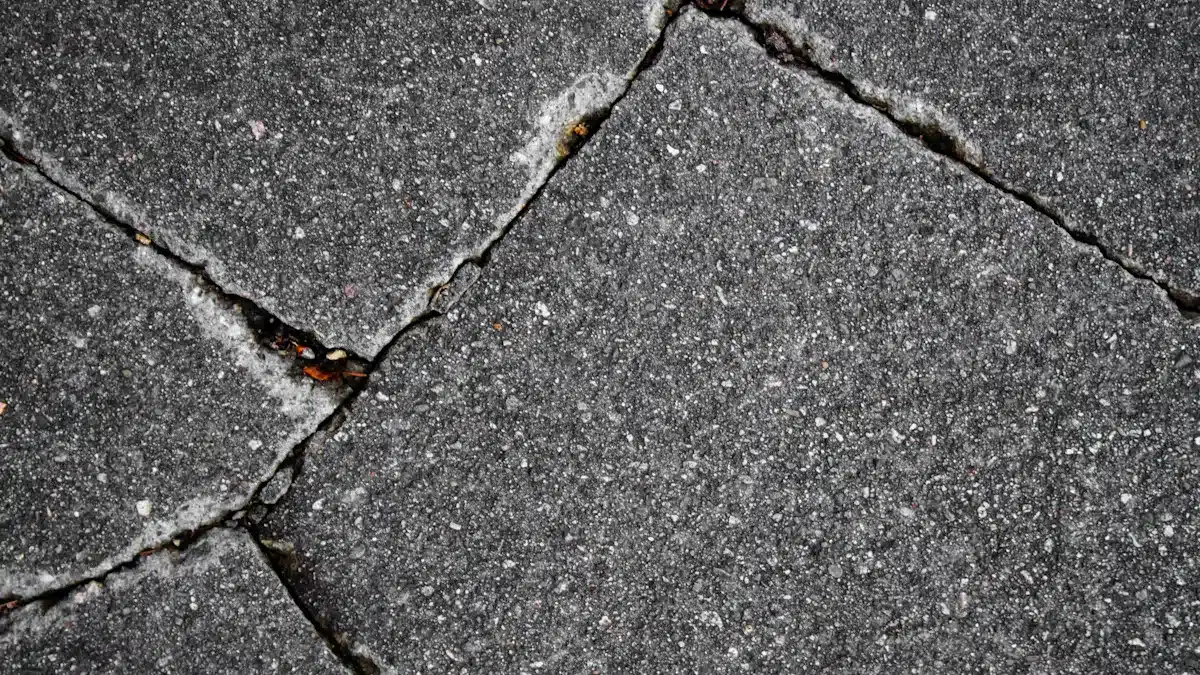
Cracks and spalling are common issues that can severely impact your warehouse floor. Cracks often develop due to temperature changes, moisture variations, and heavy loads. Over time, these cracks can lead to spalling, which manifests as circular or oval depressions along joints. This damage occurs when repeated stress causes the concrete to break down.
Tip: Regularly inspect your floors for cracks. Early detection can prevent further deterioration and costly repairs.
Spalling not only affects the aesthetics of your floor but also poses safety risks. Accumulated dirt in cracks can obscure important markings, increasing the likelihood of accidents. Furthermore, spalling can lead to joint breakdown, which may compromise the integrity of your flooring system.
Uneven Surfaces
Uneven surfaces present another significant concern. They can arise from various factors, including heavy machinery movement and poor installation. An uneven floor can lead to operational delays and increased wear on your materials handling equipment.
Consequences of uneven surfaces include:
Increased maintenance costs due to equipment strain.
Higher chances of accidents, leading to potential injuries.
Damage to goods as they may shift or fall during handling.
Maintaining flat and level floors is crucial for ensuring safety and efficiency in your warehouse operations. According to industry standards, proper flatness and levelness are essential for the safe operation of forklifts and other equipment.
Note: Regular maintenance can help you avoid these issues and ensure a safe working environment.
Importance of Warehouse Floor Maintenance
Safety Compliance
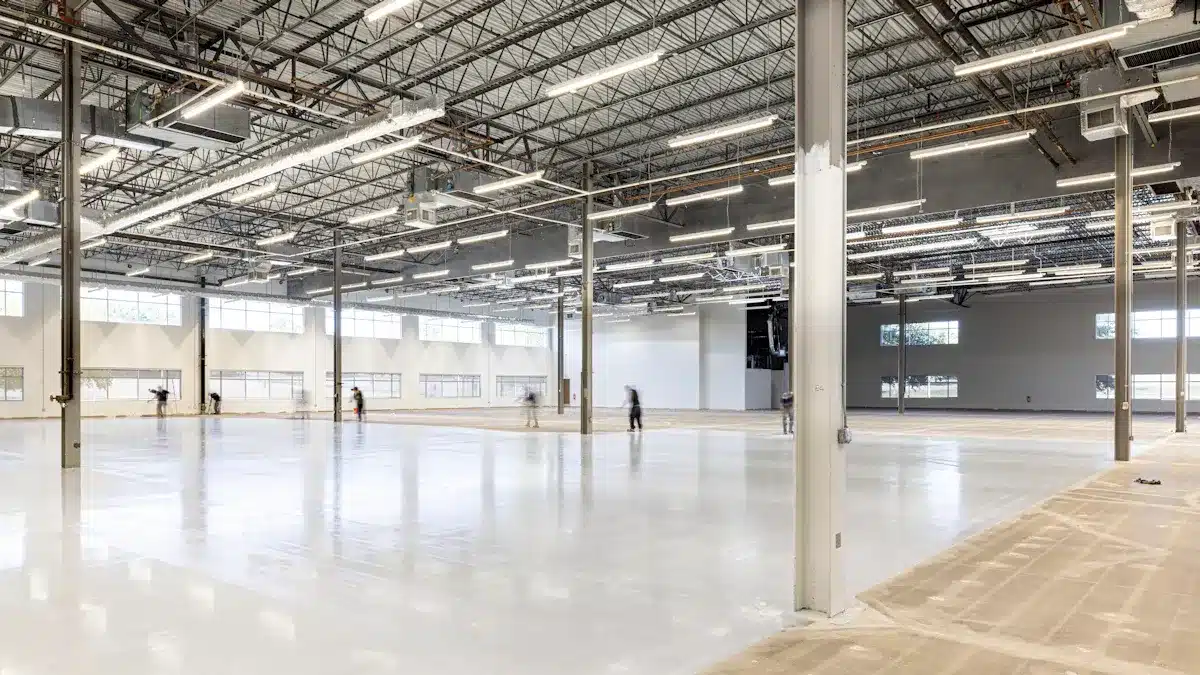
Maintaining your warehouse floor is essential for ensuring safety compliance. You must adhere to various legal requirements that govern workplace safety. These regulations often include:
Personal Protective Equipment (PPE): Regular updates on necessary PPE to address new risks.
Vehicle Safety: Training for vehicle operators, speed limits, and regular servicing.
Slips and Trips Prevention: Precautions like securing cords, proper shelving, and clear aisles.
Welfare Facilities: Safe break areas and legal requirements for toilets.
Lighting and Temperature: Minimum lighting levels of 100 Lux and temperature regulations.
Handling Goods: Training and control measures to prevent injuries during manual handling.
By implementing a robust floor maintenance plan, you can significantly reduce the risk of accidents. Regular inspections and maintenance help you meet OSHA standards, which set guidelines for safe equipment operation and proper use of PPE. Compliance with these regulations not only prevents accidents but also avoids costly penalties.
Tip: Schedule routine audits and compliance training to maintain safety standards. This proactive approach helps you identify potential hazards before they lead to incidents.
Cost-Effectiveness
Investing in warehouse floor maintenance proves to be cost-effective in the long run. Regular maintenance practices help you avoid expensive repairs and operational disruptions. Here are some key benefits:
Preventive Maintenance: Regular cleaning removes debris that can cause wear, preserving flooring integrity.
Surface Protection Treatments: These enhance durability and maintain the finish, extending the lifespan of your flooring.
Controlled Maintenance Costs: Integrating maintenance into a broader facilities management strategy leads to predictable expenses.
Neglecting your warehouse floor can lead to increased insurance premiums. Unsafe conditions raise the risk perception for insurers, resulting in higher costs. Moreover, accidents and claims are more likely in poorly maintained environments, prompting insurers to adjust premiums accordingly.
Note: Establish a floor maintenance plan that includes daily visual checks, weekly inspections, and annual expert evaluations. This strategy ensures you catch issues early and maintain a safe working environment.
Warehouse Floor Repairs and Services
Maintaining a safe and efficient warehouse floor requires timely and effective repairs. You have several options for addressing issues like cracks and spalling. Understanding these repair techniques can help you choose the best solution for your facility.
Repair Techniques
When it comes to warehouse floor repairs, various techniques can effectively address damage. Here are some of the most effective methods:
Aspect | Description |
|---|---|
Expert Assessment | Professionals assess visible and underlying issues, ensuring comprehensive repairs. |
Advanced Materials | Use of high-quality materials like epoxy resin and polyurethane for durability. |
Tailored Solutions | Custom repair strategies based on the specific needs of each warehouse floor. |
Minimized Downtime | Fast-curing materials and efficient processes reduce operational disruptions during repairs. |
Long-Lasting Results | Proper repairs enhance floor durability, decreasing future damage likelihood. |
These techniques ensure that your warehouse floor remains safe and functional. Regular assessments by professionals can help you identify issues before they escalate, allowing for timely interventions.
Commercial Concrete Floor Maintenance
Investing in commercial concrete floor maintenance is essential for prolonging the life of your flooring. One popular option is epoxy coatings. These coatings offer numerous advantages:
Advantage | Description |
|---|---|
Durability | Epoxy coatings are extremely hard wearing, providing solid protection for the concrete floor. |
Cost-effectiveness | They can save money in the long run on repairs and extend the life of the warehouse floor. |
Chemical Resistance | Epoxy flooring can withstand continued exposure to chemicals without damage. |
Safety | Ideal for environments like pharmaceutical facilities due to its resistance to harsh elements. |
Impact Resistance | Epoxy floors can withstand heavy machinery movement and recover from impacts effectively. |
Ease of Maintenance | Epoxy floors are easy to install and clean, reducing maintenance time and boosting production. |
Another option is polyurea, which has its own set of benefits. Compared to epoxy, polyurea offers high durability and low maintenance requirements. It cures quickly, making it ideal for busy warehouses.
Feature | Polyurea | Epoxy |
|---|---|---|
Durability | High durability, abrasion & wear resistance | Moderate durability, less resistant to wear |
Curing Time | Fast curing time | Longer curing time |
Maintenance | Low maintenance requirements | Higher maintenance needs |
Suitability | Ideal for heavy traffic areas | Suitable but less optimal for heavy traffic |
Choosing the right material for your warehouse floor can significantly impact safety and efficiency. Professional services can help you select the best options based on your specific needs.
Regular maintenance of your warehouse floor is vital for safety and efficiency. Neglecting this can lead to serious risks, including slips and trips. Consider these key aspects:
Key Aspect | Evidence |
|---|---|
Health and Safety Compliance | 30% of non-fatal workplace injuries in 2022/23 were due to slips, trips, and falls (HSE). |
Operational Efficiency | 23% higher throughput efficiency in facilities with routine floor cleaning (2021 study). |
Take action now. Assess your floors regularly and address any issues promptly. This proactive approach will enhance safety and improve overall operations.
FAQ
What are the signs that my warehouse floor needs maintenance?
Look for cracks, spalling, or uneven surfaces. Regular inspections help you identify these issues early.
How often should I inspect my warehouse floor?
Inspect your warehouse floor at least once a month. Regular checks prevent minor issues from becoming major problems.
Can I perform floor repairs myself?
You can handle minor repairs, but professional services ensure thorough and lasting solutions for significant damage.
See Also
Top Floor Hardening Options for UK Industrial Spaces
Optimal Floor Hardening Solutions for Philippine Warehouses
Selecting The Ideal Concrete Densifier For Warehouse Flooring
Simple Guide To Anti-Slip Tile Treatments For Safety
Understanding Floor Hardener: Benefits For Industrial Flooring
