


Choosing the right epoxy flooring is crucial for both durability and aesthetics in Thailand’s unique climate. High humidity and temperature fluctuations can impact your flooring’s performance. Consider various types of epoxy, their benefits, and local factors before making a decision. Your investment in an epoxy floor Thailand will pay off in the long run.
Key Takeaways
Choose the right type of epoxy flooring based on your space’s needs. Solid epoxy is best for high-traffic areas, while water-based epoxy suits residential spaces.
Consider Thailand’s climate when selecting epoxy flooring. High humidity can affect performance, so ensure proper moisture testing before installation.
Budget wisely for installation. Get multiple quotes, check warranty terms, and plan for additional costs to avoid surprises.
Types of Epoxy Flooring

Solid Epoxy
Solid epoxy flooring stands out for its durability and strength. This type of flooring is ideal for industrial settings where heavy machinery operates. You can expect solid epoxy to withstand high loads and resist chemicals effectively. Its self-leveling feature ensures a smooth surface, making it easy to clean. If you need a flooring solution that can handle tough conditions, solid epoxy is a great choice.
Water-Based Epoxy
Water-based epoxy offers a more environmentally friendly option. This type contains fewer volatile organic compounds (VOCs), making it safer for indoor use. You can apply water-based epoxy in residential spaces, such as garages or basements. It dries quickly and provides a glossy finish that enhances the aesthetic appeal of your home. However, it may not be as durable as solid epoxy in high-traffic areas.
Solvent-Based Epoxy
Solvent-based epoxy is known for its strong adhesion and chemical resistance. This type works well in both industrial and residential applications. It provides a tough surface that can handle spills and stains. However, you should consider proper ventilation during installation due to the higher VOC content.
To help you choose the right type, here’s a quick comparison of epoxy flooring characteristics for industrial versus residential use:
Characteristic | Result |
|---|---|
Self-Leveling | Yes |
Suitable for Industrial Use | Yes |
High | |
Chemical Resistance | Yes |
Easy to Clean | Yes |
By understanding these types of epoxy flooring, you can make an informed decision that suits your specific needs.
Benefits of Epoxy Floor Thailand
Durability and Longevity
Epoxy flooring offers exceptional durability, making it a top choice for various applications in Thailand. This flooring type withstands heavy loads and resists wear and tear better than many other options. For instance, epoxy flooring has superior compressive strength, which is crucial in industrial settings. In fact, compared to other popular flooring types, epoxy flooring stands out for its longevity.
Here’s a quick comparison of durability among different flooring types:
Flooring Type | Durability | Key Characteristics |
|---|---|---|
Epoxy | High | Superior compressive strength, suitable for heavy-duty environments like industrial factories and warehouses. |
PU | Moderate | Weather resistance and flexibility, ideal for areas with temperature variations. |
Investing in an epoxy floor Thailand means you can expect a long-lasting solution that minimizes the need for frequent replacements.
Aesthetic Appeal
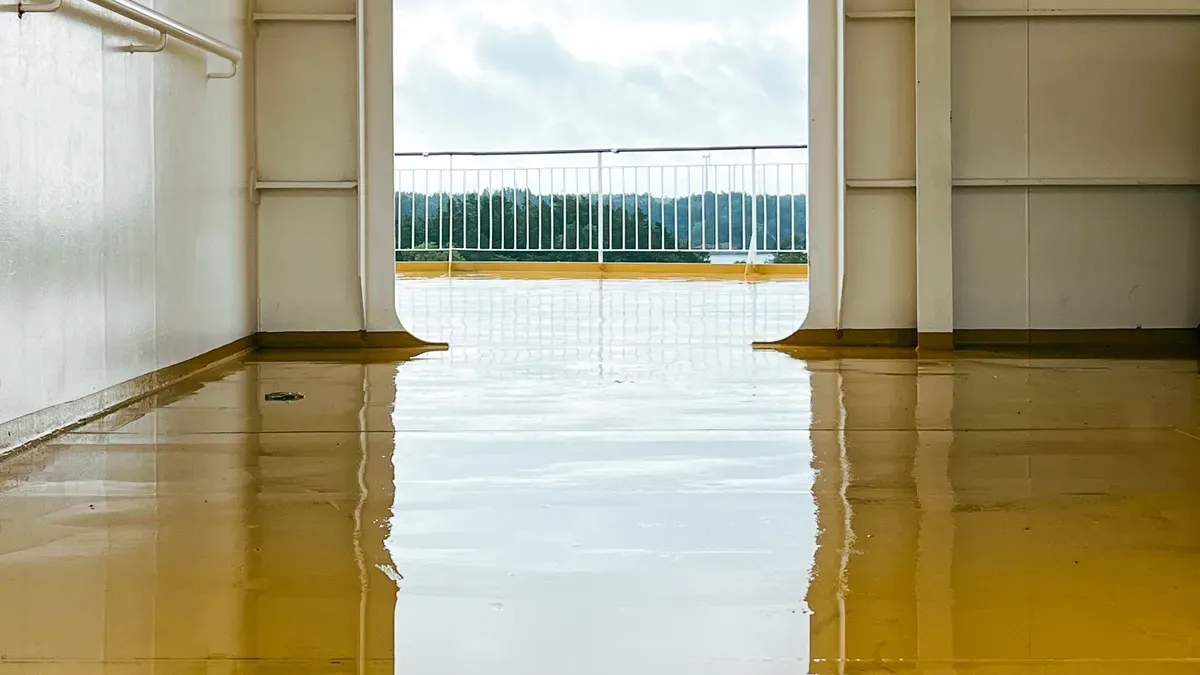
Epoxy flooring enhances the visual appeal of any space. You can choose from a wide range of colors and finishes to match your design preferences. Whether you want a sleek, modern look or a more traditional style, epoxy can accommodate your vision. The glossy finish of epoxy flooring not only looks attractive but also reflects light, making spaces appear larger and brighter.
Moreover, the aesthetic versatility of epoxy flooring allows you to create unique designs. You can incorporate decorative flakes or metallic pigments to achieve a customized appearance that stands out.
Easy Maintenance
Maintaining an epoxy floor Thailand is straightforward. The seamless surface prevents dirt and grime from accumulating, making cleaning a breeze. Regular sweeping and occasional mopping are usually sufficient to keep your floor looking pristine.
However, it’s essential to ensure proper installation to avoid common maintenance challenges. Many issues arise from poor installation practices, such as inadequate evaluation of the substrate or excessive moisture. By choosing a reputable installer, you can minimize these risks and enjoy the benefits of easy maintenance.
Additionally, the durability of epoxy flooring reduces the frequency of replacements, saving resources and minimizing waste. Sustainable practices in epoxy flooring production further enhance its appeal. These practices include monitoring and reducing waste during manufacturing and using water-based technologies to decrease harmful VOC emissions.
Practical Selection Tips
Assessing Your Space
Before choosing epoxy flooring, evaluate your space carefully. Consider the size, layout, and purpose of the area. For instance, a large industrial warehouse requires different flooring than a small residential garage. Measure the dimensions of your space to determine how much material you need.
Also, think about the existing flooring. If you have a concrete slab, ensure it is in good condition. Cracks or moisture issues can affect the performance of your epoxy floor. You might need to repair these problems before installation.
Considering Foot Traffic
Foot traffic plays a significant role in your epoxy flooring choice. High-traffic areas, such as commercial spaces or factories, require more durable options. Solid epoxy flooring is ideal for these situations due to its strength and resistance to wear.
For residential spaces with moderate foot traffic, water-based epoxy can be a suitable option. It offers a balance between aesthetics and durability. However, if you expect heavy use, opt for a more robust solution.
Budgeting for Installation
Budgeting is crucial when selecting epoxy flooring. Installation costs can vary based on the type of epoxy, the size of the area, and the complexity of the job. Here are some tips to help you budget effectively:
Get Multiple Quotes: Contact several installers to compare prices. This will give you a better understanding of the market rates.
Consider Warranty Terms: Some companies offer warranties that cover both materials and workmanship. For example, TKI Coating provides an installation warranty, while 949 Supplies adopts Stonhard’s Single Source Warranty. These warranties can save you money in the long run.
Plan for Additional Costs: Factor in potential expenses like surface preparation, repairs, and finishing touches. These can add up quickly, so it’s wise to include them in your budget.
By following these practical selection tips, you can make an informed decision about your epoxy flooring. Remember, investing time in planning will lead to a successful installation that meets your needs.
Climate Considerations for Epoxy Flooring
Humidity Effects
Thailand’s high humidity significantly impacts your choice of epoxy flooring. Humidity can lead to several issues, such as moisture-related blisters in the floor coating. You may also encounter problems if there is no water vapor membrane under the ground floor slabs. Uncertain moisture conditions can affect the performance of your epoxy floor Thailand. Here’s a quick overview of common issues caused by humidity:
Common Issues Caused by Humidity for Epoxy Flooring |
|---|
Moisture-related blisters in floor coating |
Missing water vapor membrane under the ground floor slabs |
Uncertain moisture conditions of / under the floor slabs |
Uncertainty about if a concrete floor is dry enough for the coating works |
To avoid these problems, ensure proper moisture testing before installation. This step helps you determine if the concrete is dry enough for the epoxy application.
Local Regulations
When selecting epoxy flooring, you must comply with local regulations. Thailand has specific standards for construction materials, including flooring. These regulations ensure safety and quality. Familiarize yourself with these standards to avoid potential issues during installation. Consulting with local experts can help you navigate these requirements effectively.
Choosing Quality Brands
Selecting a reputable brand is crucial for your epoxy flooring project. Quality brands often provide better durability and performance. Look for brands that have a strong presence in the Thai market and offer products specifically designed for high humidity environments. Research customer reviews and seek recommendations to ensure you choose a reliable option.
By considering these climate factors, you can make an informed decision that enhances the longevity and performance of your epoxy flooring.
Choosing epoxy flooring in Thailand requires careful consideration. Focus on these key factors:
Durability: Ensure your flooring withstands wear and tear, especially in high-traffic areas.
Appearance: Select finishes that match your aesthetic preferences.
Specific Needs: Consider the environment, whether commercial or residential.
By taking your time and evaluating these aspects, you can find the perfect epoxy flooring solution for your space.
FAQ
What is the best type of epoxy flooring for high humidity?
Solid epoxy flooring works best in high humidity. It offers superior durability and resistance to moisture-related issues.
How long does epoxy flooring last?
With proper installation and maintenance, epoxy flooring can last 10 to 20 years, depending on usage and environmental conditions.
Can I install epoxy flooring myself?
While DIY installation is possible, hiring a professional ensures better results. Professionals have the experience to handle surface preparation and application effectively.
See Also
Discovering The Ideal Epoxy Concrete Patch For Your Needs
Acrylic Or Epoxy Anti-Slip Coatings: A 2025 Comparison
Top Floor Hardening Options Available In The Philippines
Selecting The Right Concrete Densifier For Warehouse Floors
A Comprehensive Guide To Selecting Concrete Protective Sealers
