


Choosing the right wall coating is crucial for your health and comfort. Different types of paint, such as water-based inorganic wall paint for interior projects, can significantly impact indoor air quality. For example, some coatings emit volatile organic compounds (VOCs), which can lead to health issues. Understanding these differences will help you make informed decisions when selecting wall paint for your space.
Key Takeaways
Inorganic wall coatings offer superior durability and require less maintenance, lasting over ten years with proper care.
Latex paint is budget-friendly and easy to apply, making it a popular choice for residential and commercial projects.
Choosing inorganic coatings improves indoor air quality due to zero VOC emissions, promoting a healthier living environment.
Inorganic Wall Coatings
Composition and Characteristics
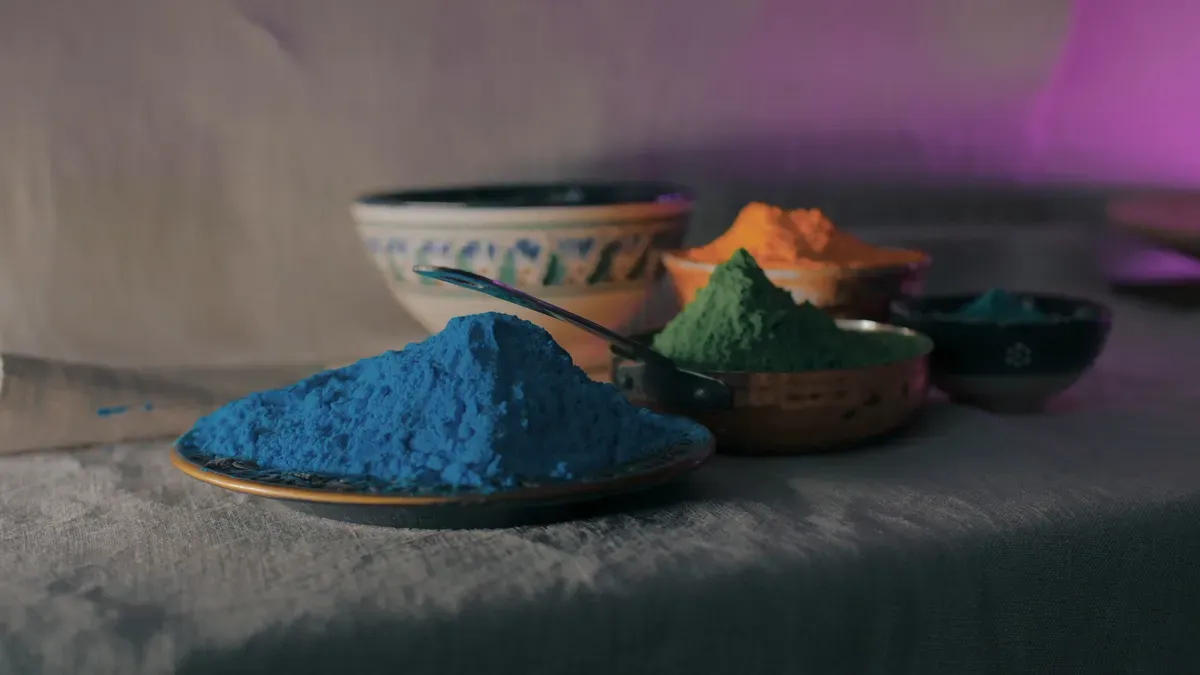
Inorganic wall coatings stand out due to their unique composition. These coatings primarily consist of materials like potassium silicate, inorganic pigments, and inorganic fillers. Unlike traditional paints, which often contain organic compounds, inorganic wall coatings limit their organic content to about 5% by weight. This difference significantly impacts their durability and lifespan.
Here’s a quick comparison of the components:
Component | Inorganic Wall Coatings | Traditional Paints |
|---|---|---|
Main Ingredients | Potassium silicate, inorganic pigments, inorganic fillers | Organic pigments, various resins |
Organic Content | Limited to 5% by weight | Higher organic content |
Durability | High | Moderate |
Lifespan | Long-lasting, less maintenance | Shorter lifespan, more frequent touch-ups |
The high performance coatings derived from inorganic materials offer exceptional durability. They resist fading and wear, making them ideal for various environments. Additionally, these coatings often feature a water-based formulation, which enhances their application and reduces environmental impact.
Health Benefits of Inorganic Coatings
Inorganic wall coatings provide several health benefits that make them an excellent choice for indoor spaces. Here are some key advantages:
Antifungal Properties: These coatings reduce fungal attachment and enhance water repellence, helping to prevent mold growth.
Zero VOCs: Inorganic coatings are formulated without volatile organic compounds, improving indoor air quality by eliminating harmful gases.
Photocatalytic Process: This process generates negative oxygen ions that neutralize indoor air pollutants like formaldehyde and benzene, contributing to a healthier living environment.
Non-toxic Composition: The limited organic content ensures that harmful chemicals are not released over time, protecting the health of occupants.
By choosing inorganic wall coatings, you not only enhance the aesthetic appeal of your space but also promote a healthier indoor environment.
Latex Paint
Composition and Characteristics
Latex paint is a popular choice for many homeowners and professionals due to its unique composition. This type of paint primarily consists of water, pigments, and synthetic resins. The water serves as a solvent, allowing for easy application and quick drying. The pigments provide color, while the resins bind the components together, ensuring durability and adhesion.
Here’s a quick overview of the key aspects of latex paint:
Aspect | Evidence |
|---|---|
Safety | Latex paints are preferred for their lower toxicity and volatile organic compound (VOC) content, making them safer than solvent-based paints. |
Performance | Flat latex paints have poor stain and soil resistance due to their porous nature, which allows stains to penetrate easily. |
Improvement in Properties | Additives like polyfluorourethane can enhance stain resistance and cleanability without compromising other desirable properties. |
The choice of raw materials and their concentrations significantly influences the overall performance and safety of the paint. You should consider the labeling of these materials to ensure you select a high-quality product.
Flexibility and Application
One of the standout features of latex paint is its flexibility. This characteristic allows it to adapt to the expansion and contraction of surfaces caused by temperature changes. Such flexibility helps prevent cracking, which is crucial for maintaining the integrity of the paint over time. Acrylic latex paints are particularly noted for their ability to remain flexible even after drying, enhancing their suitability for various surfaces.
Here are some reasons why latex paint is a great choice for your projects:
It is commonly used for both interior and exterior applications due to its flexibility.
Its quick drying time and ease of application make it a preferred choice for professional painters.
The flexibility of latex paint contributes to its cost-effectiveness and accessibility for various painting projects.
When applying latex paint, following the manufacturer’s recommendations ensures the best results. Here’s a simple guide to help you:
Use a 50/50 overlapping pattern for pinhole-free coverage across 3 coats.
Allow each coat to air dry to a matte finish before applying the next.
Maintain a spray distance of 6” – 8” from the surface.
For rigid surfaces, sand with 320-grit sandpaper and clean with isopropyl alcohol before painting.
For flexible surfaces, mix FLEX Additive with Maker Pro Paint™ in a 1:1 ratio to enhance elasticity and resistance to cracking.
Thin paint with distilled water if necessary, with specific ratios for different application methods.
By understanding the composition and application techniques of latex paint, you can make informed decisions that enhance your painting projects.
Application Techniques
Applying Inorganic Wall Coatings
To achieve the best results with inorganic wall coatings, follow these steps:
Clean the Surface: Start by thoroughly cleaning the surface to remove dirt and dust.
Repair Damage: Fix any cracks, voids, or holes in the structure to ensure a smooth finish.
Apply Primer: Use a primer coat and wait until it becomes tacky.
Layering: Apply waterproofing materials in even layers.
Curing: Allow each layer to cure fully before applying the next.
Testing: After full curing, conduct water or adhesion tests to ensure effectiveness.
These techniques enhance the final appearance and durability of the coating. For instance, using the right type of defoamer can significantly impact the finish. Here’s a quick overview:
Type of Defoamer | Key Features | Application in Wall Coatings |
|---|---|---|
Silicone Defoamer | High efficiency, low dosage | Effective in acrylic and polyurethane paints |
Polyether Defoamer | Excellent compatibility, minimal surface defects | Common in waterborne acrylic emulsions |
Mineral Oil Defoamer | Cost-effective, balanced foam control | Suitable for economical wall paints |
Applying Latex Paint
When applying latex paint, you can achieve optimal results by following these best practices:
Surface Preparation: Clean surfaces with soapy water to ensure proper adhesion and avoid air bubbles.
Timing for Coats: Wait at least four hours before applying a second coat to prevent an uneven finish.
Environmental Considerations: Ensure low humidity and optimal temperatures (50-85°F) for best results.
These steps not only improve the paint’s adhesion but also enhance its cleanability. Latex paint is known for its easier cleaning properties, making it a popular choice for many projects.
By understanding these application techniques, you can ensure a successful painting project, whether you choose inorganic wall coatings or latex paint.
Durability Comparison
Inorganic Coatings Durability
Inorganic wall coatings offer long-lasting protection. They require less maintenance compared to latex paint, making them ideal for busy homeowners. You can clean these coatings easily, often needing just a soft cloth or sponge along with an acidic cleaner for stains. Their durability shines through as they resist fading, chipping, and peeling. With proper care, inorganic coatings can last up to ten years or more, significantly lowering upkeep costs. This superior protection means you spend less time worrying about repainting.
Latex Paint Durability
Latex paint is recognized for its durability, featuring a long-lasting finish that resists common issues like cracking, peeling, and blistering. This quality makes it particularly well-suited for high-traffic areas. While latex paint provides better durability than many other options, it may not match the longevity of inorganic coatings. You might find yourself needing to repaint every few years, especially in areas that experience heavy wear.
Environmental Impact
Eco-Friendliness of Inorganic Coatings
Inorganic wall coatings offer several eco-friendly benefits that make them a sustainable choice for your projects. Here are some key points to consider:
Inorganic coatings enhance the durability and longevity of building materials, contributing to sustainable practices.
They reduce energy consumption by reflecting UV and infrared radiation, minimizing heat absorption.
These coatings require less maintenance due to their resistance to dirt, mold, and mildew, further supporting sustainability.
Additionally, inorganic coatings often come with environmental certifications, ensuring their eco-friendliness. Here’s a quick overview of some certifications you might find:
Certification | Description |
|---|---|
LEED | Leadership in Energy and Environmental Design, a green building certification program. |
Green Seal | Certifies products that meet rigorous environmental standards. |
Environmental Concerns with Latex Paint
While latex paint has made strides in reducing its environmental impact, it still poses some concerns. The production and disposal of latex paint generate hazardous waste and contain volatile organic compounds (VOCs). In Alberta, Canada, about 5-10% of the 30 million liters of paint sold annually ends up as hazardous waste. In the USA, over 16 million gallons of latex paint are disposed of each year, contributing to significant environmental issues. Many of these paints contain harmful substances like lead and mercury, which require proper waste management.
Recent advancements have led to the development of low-emission paints, particularly those using bio-acrylic polymers. These formulations significantly reduce harmful emissions compared to traditional options. However, they still cannot match the zero VOC emissions found in inorganic coatings.
By understanding these environmental impacts, you can make informed choices that align with your sustainability goals.
Cost-Effectiveness
Costs of Inorganic Wall Coatings
Inorganic wall coatings often come with a higher upfront cost compared to latex paint. However, their long-lasting durability can lead to savings over time. You may pay more initially, but you will likely spend less on maintenance and repainting. The longevity of these coatings can exceed ten years, making them a wise investment for your home.
Costs of Latex Paint
Latex paint generally offers a more budget-friendly option. Here are some typical costs you might encounter:
Interior Work: Approximately $1.08 per square foot for professional painting services in Chicago.
Exterior Work: Around 82 cents per square foot for similar services.
Material Costs: Latex paint is often less expensive than acrylic paint due to its use of cost-effective materials like vinyl.
This cost advantage makes latex paint a popular choice for large commercial projects. You can achieve a fresh look without breaking the bank.
Suitable Applications for Interior Projects
Water-Based Inorganic Wall Paint for Interior Projects
You can use water-based inorganic wall paint for various interior projects. This type of paint excels in settings where safety and durability are paramount. Here are some ideal applications:
Schools & Educational Institutions: This paint provides a safe, durable, and non-toxic wall solution, making it perfect for classrooms.
Hospitals & Healthcare Facilities: Its hygienic and mildewproof properties ensure a clean environment, essential for patient care.
Luxury Apartments & Hotels: The high-end finish offers long-lasting aesthetics, enhancing the appeal of upscale living spaces.
Premium Office Buildings: This paint delivers a professional appearance with robust durability, suitable for high-traffic areas.
Best Uses for Latex Paint
Latex paint is versatile and works well in many interior settings. You can use it in residential and commercial spaces due to its flexibility and ease of application. Here are some common uses:
Living Rooms and Bedrooms: Latex paint allows for a wide range of colors and finishes, making it ideal for personal spaces.
Kitchens and Bathrooms: Its moisture-resistant properties help maintain a fresh look in areas prone to humidity.
Children’s Rooms: The low toxicity of latex paint makes it a safe choice for spaces where kids play and learn.
By understanding these applications, you can choose the right paint for your interior walls, ensuring both beauty and functionality.
In summary, both inorganic wall coatings and latex paint offer unique benefits. If you prioritize durability and health, choose inorganic coatings. For flexibility and cost-effectiveness, latex paint is ideal. Assess your specific needs to make the best choice for your space. 🏡
FAQ
What is the main difference between inorganic wall coatings and latex paint?
Inorganic wall coatings contain minimal organic content, while latex paint uses water and synthetic resins, affecting durability and health benefits.
Are inorganic wall coatings safe for indoor use?
Yes, inorganic wall coatings are safe. They contain zero VOCs and non-toxic materials, promoting better indoor air quality.
How long do inorganic wall coatings last compared to latex paint?
Inorganic wall coatings can last over ten years with proper care, while latex paint typically requires repainting every few years.
See Also
Comparing Inorganic And Organic Wall Coatings For 2025
Exploring The Chemistry Behind Inorganic Anion Wall Paints 2025
Creating Healthy Homes With Inorganic Anion Wall Paint 2025
Dulux Or Behr Which Interior Wall Paint Is Best 2025?
Utilizing Inorganic Seven-Color Wall Coating For Eco-Friendly Living
