

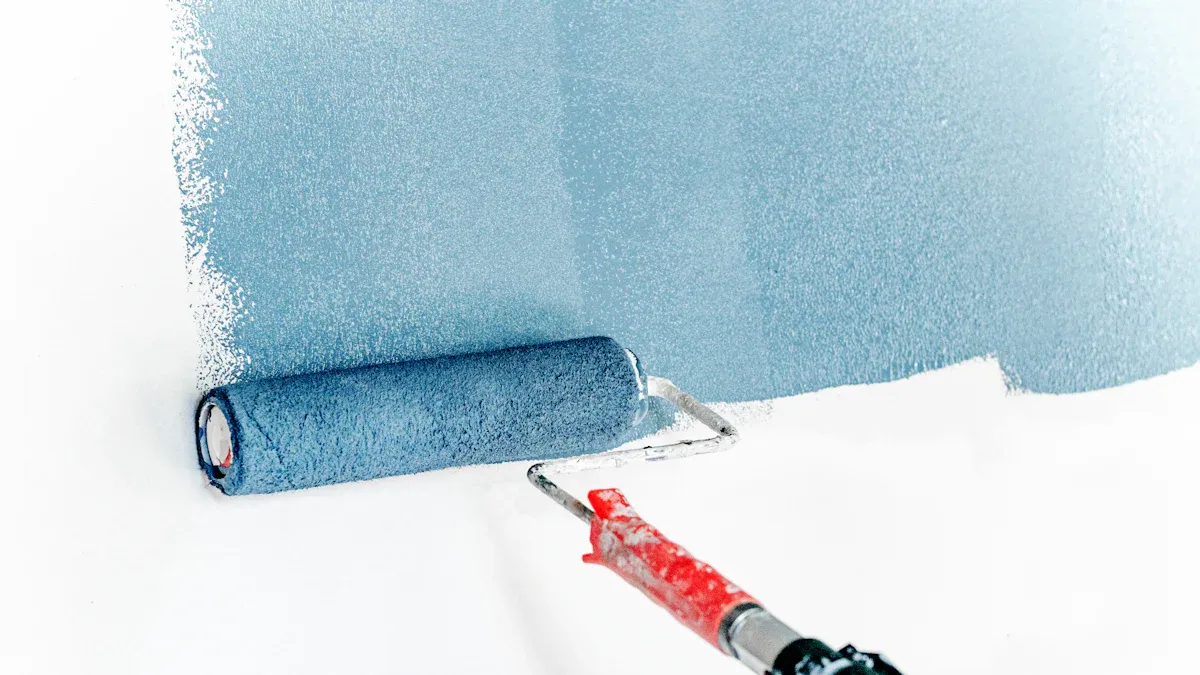
When you think about wall finishes, you may ask, “What is different about inorganic wall coatings and latex paint?” Knowing these differences is important for making good choices. Inorganic wall paint is made from strong minerals. It resists UV rays and fading very well. Latex paint is easy to apply. It has bright colors but may not last as long. By looking at things like durability, benefits, and where to use them, you can choose the best product for your space.
Key Takeaways
Inorganic wall coatings last longer. They need less upkeep than latex paint.
Latex paint is simple to use. It comes in many colors but might need more touch-ups.
Inorganic coatings make air better and are good for the environment.
Pick inorganic coatings if you want them to last and save money over time.
Think about what you need and your budget when picking these paints.
Inorganic Wall Paint Features
Composition and Benefits
Inorganic wall paint has important parts that help it work well. Here are the main ingredients:
Potassium silicate: This helps the paint stick well and keeps water out.
Inorganic pigments: These colors make the paint last longer and stay bright.
Inorganic fillers: They improve the paint’s texture and how it performs.
Organic content: Limited to 5% by weight, this helps the environment.
One special product is the BANDě Negative Oxygen Ion Inorganic Art Coating. This coating makes your walls look nice and cleans the air in your home. It traps and removes harmful things like VOCs, formaldehyde, and PM2.5, which helps indoor air quality. Research shows that negative oxygen ions from this paint can help you think better and feel less tired. Studies found that kids with asthma had fewer attacks during negative ion therapy.
Choosing inorganic wall paint is a good choice for the environment. These coatings often have environmental certifications, which means they help create a healthier home. For example, many inorganic paints meet standards like ENERGY STAR and Green Seal, which support energy saving and less pollution.
Application Techniques
To apply inorganic wall paint, you need to prepare and use the right methods. Here are some important steps to follow:
Surface Preparation: Make sure the surface is clean and free of dirt. This may include washing and degreasing.
Mixing: Mix the paint well according to the instructions for the best results.
Application: Use a brush, roller, or sprayer to spread the paint evenly. Watch the Dry Film Thickness (DFT) to avoid problems like cracks.
Curing: Let the paint cure properly. This step is very important for getting the best durability and performance.
By following these steps, you can get the most out of inorganic wall coatings, making sure they look good and last a long time.
Standard Interior Latex Paints
Composition and Benefits
Standard interior latex paints are easy to use and flexible for walls. These paints have important parts that help them work well:
Ingredient Type | Description | Performance Impact |
|---|---|---|
Pigments | Give color and thickness; includes main and extra pigments. | Affects color quality and how long it lasts. |
Binders | Help hold pigments together and stick to surfaces. | Influences how strong and smooth the finish is. |
Solvents | Liquids that make the paint easy to work with. | Affects how easy it is to apply and how fast it dries. |
Additives | Improve features like sticking and UV protection. | Makes the paint last longer and work better. |
Latex paints are popular because they are simple to use. You can apply them easily with brushes or rollers for a nice finish. They dry fast, which saves time for both DIYers and professional painters. There are many colors and finishes to choose from, so you can match any style easily.
Application Techniques
Applying standard interior latex paints is simple. Start by cleaning the surface and making sure it is dry. This helps the paint stick better and last longer. When you paint, use smooth strokes with a brush or roller for an even look. Latex paints dry quickly, so you can finish your project faster.
Latex paints are safer than oil-based ones because they are less flammable. They are not fireproof, but some types have special ingredients for limited fire resistance. For better fire safety, look for paints labeled as ‘fire-retardant.’
Environmental Impact
Latex paints have many good points, but their environmental effects matter too. These paints have chemicals like propylene and vinyl acetate, which can harm air quality and health. Propylene can cause headaches and dizziness, while vinyl acetate may irritate your eyes and breathing. Also, throwing away latex paint adds to hazardous waste. Recycling helps reduce these problems and is a better choice for the environment.
By knowing about the parts, benefits, and environmental effects of standard interior latex paints, you can make smart choices for your walls. Whether you want easy application or many design options, latex paints are a good choice for your indoor projects.
High Performance Coatings Comparison
Durability and Lifespan
When you think about durability, inorganic wall coatings are better. These coatings protect well against UV rays, moisture, and damage from the environment. They can last for many years without needing to be painted again. On the other hand, latex paints need touch-ups every few years. This difference affects how much maintenance you will have to do.
Here’s a quick comparison of durability and lifespan:
Feature | Inorganic Wall Coatings (e.g., BANDě Negative Oxygen Ion Coating) | Latex Paints |
|---|---|---|
Lifespan | Made to last for many years | Needs touch-ups every few years |
Maintenance Costs | Much lower because they are durable | Higher because of frequent care |
Protection Against Elements | Great protection against UV rays and moisture | Limited protection, can fade easily |
By choosing inorganic coatings, you get long-lasting protection and lower maintenance costs. You won’t have to repaint as often, which saves you time and money.
Cost-Effectiveness
For cost-effectiveness, inorganic wall coatings might cost more at first. But they are a smart choice over time. Their long lifespan and less need for maintenance mean lower overall costs. You will repaint less and do fewer touch-ups, which saves you money.
Think about these long-term benefits of inorganic coatings:
Long-lasting protection from UV rays and moisture.
Less maintenance than regular paints.
Energy savings by reflecting heat.
In contrast, latex paints might look cheaper at first, but their total costs can add up because of regular maintenance and repainting. This cost-benefit comparison shows that inorganic wall coatings are a better choice in the long run.
Inorganic Interior Wall Coating Applications
Residential Use
In homes, inorganic wall coatings have many uses. They make your home look nice and improve air quality. Here are some ways to use them:
Children’s Rooms: These coatings are safe. They don’t have harmful VOCs. They keep the air healthy for kids.
High-End Villas: Fancy homes like these coatings. They last long and look special.
Mold-Prone Areas: Bathrooms and kitchens need these coatings. They stop mold and mildew. This keeps the air clean.
Inorganic coatings let moisture out. This stops mold from growing. They last a long time. You won’t repaint often. This saves time and money.
Commercial and Industrial Use
In businesses, inorganic coatings work well in tough places. They are strong and last long. Here are some good things about them:
Moisture Resistance: These coatings use special silica. They stop paint from cracking. They resist wetness and mildew. They are good for damp places.
Durability: These coatings are made to handle hits and scratches. Places using them have less damage.
Low Maintenance: They last up to 10 years. This cuts maintenance costs by 30%. This helps work go on without stopping.
Many new inorganic coatings have low-VOC standards. This helps builders make cool building fronts. It also keeps indoor air healthy.
Choosing inorganic coatings is smart. They make spaces look good and work well.
Inorganic wall coatings and latex paints are different in many ways. Here are some things to think about when you choose:
Durability: Inorganic coatings are strong and last a long time. Latex paints might need touch-ups more often.
Lifespan: High-performance coatings do not crack or peel easily. This means you repaint less often.
Maintenance Requirements: Latex paints wear out quickly, especially in busy places. This can cost more in the long run.
Cost-Effectiveness: Inorganic coatings cost more at first, but they last longer and need less care. This can save you money later.
When picking a wall coating, consider what you need, your budget, and where you will use it. By thinking about these things, you can make a smart choice for your space.
FAQ
What are the main differences between inorganic wall coatings and latex paint?
Inorganic wall coatings are made from minerals. They are strong and help clean the air. Latex paint is water-based and easy to use. It comes in many colors but needs touch-ups more often.
How long do inorganic wall coatings last?
Inorganic wall coatings can last over 10 years if applied and cared for correctly. This means you won’t need to repaint as often.
Are inorganic wall coatings safe for indoor use?
Yes, inorganic wall coatings, like BANDě Negative Oxygen Ion Inorganic Art Coating, are safe indoors. They have low VOCs and help clean the air, making them great for homes.
Can I apply latex paint over inorganic wall coatings?
Yes, you can put latex paint over inorganic wall coatings. Just make sure the surface is clean and ready for the best stickiness.
How do I maintain walls painted with inorganic coatings?
To keep inorganic coatings looking good, wipe them with a damp cloth. Don’t use strong chemicals to keep their look and quality.
See Also
Comparing Inorganic And Organic Wall Coatings For 2025
Discovering Inorganic Anion Wall Paints For Healthier Homes
Exploring The Chemistry Behind Inorganic Anion Wall Paints
Utilizing Inorganic Seven-Color Wall Coating For Eco-Friendly Living
Reasons Behind The Rise Of Inorganic Seven-Color Wall Coatings
