


Anti-mould properties in inorganic anion wall paint in the UK play a crucial role in facility management. These properties help maintain a healthy environment by preventing mould growth. Facility managers can now utilise advanced chemical analysis techniques to evaluate these properties effectively. Understanding these aspects ensures better maintenance and longevity of facilities.
Key Takeaways
Prioritise anti-mould properties in wall coatings to protect the health of occupants and reduce absenteeism.
Invest in high-quality inorganic coatings to prevent mould growth and save on long-term repair costs.
Utilise advanced chemical analysis techniques to assess the performance and effectiveness of wall coatings.
Why Anti-Mould Matters
Health Risks
Mould growth poses significant health risks in facilities. Exposure to mould can lead to various respiratory issues and allergic reactions. The following health implications are particularly concerning:
Allergic rhinitis and conjunctivitis
Asthma exacerbation
Hypersensitivity pneumonitis
Effects of mycotoxins produced by mould
Individuals with pre-existing conditions, such as asthma or allergies, may experience heightened sensitivity to mould. This can lead to increased absenteeism among staff and reduced productivity. Facility managers must prioritise anti-mould properties in wall coatings to safeguard the health of occupants.
Economic Consequences
The economic impact of mould growth extends beyond health concerns. Mould often indicates prolonged moisture exposure, which can lead to structural issues within a facility. This situation complicates insurance underwriting and can result in higher premiums. Increased repair costs may arise from the need to address mould-related damage. Furthermore, repeated water incidents can diminish tenant confidence in properties, negatively impacting their market value.
Facility managers should consider these economic factors when selecting inorganic anion wall paint in the UK. Investing in high-quality coatings with effective anti-mould properties can ultimately save costs and protect the integrity of the facility.
Inorganic Pigments Overview
Types of Pigments
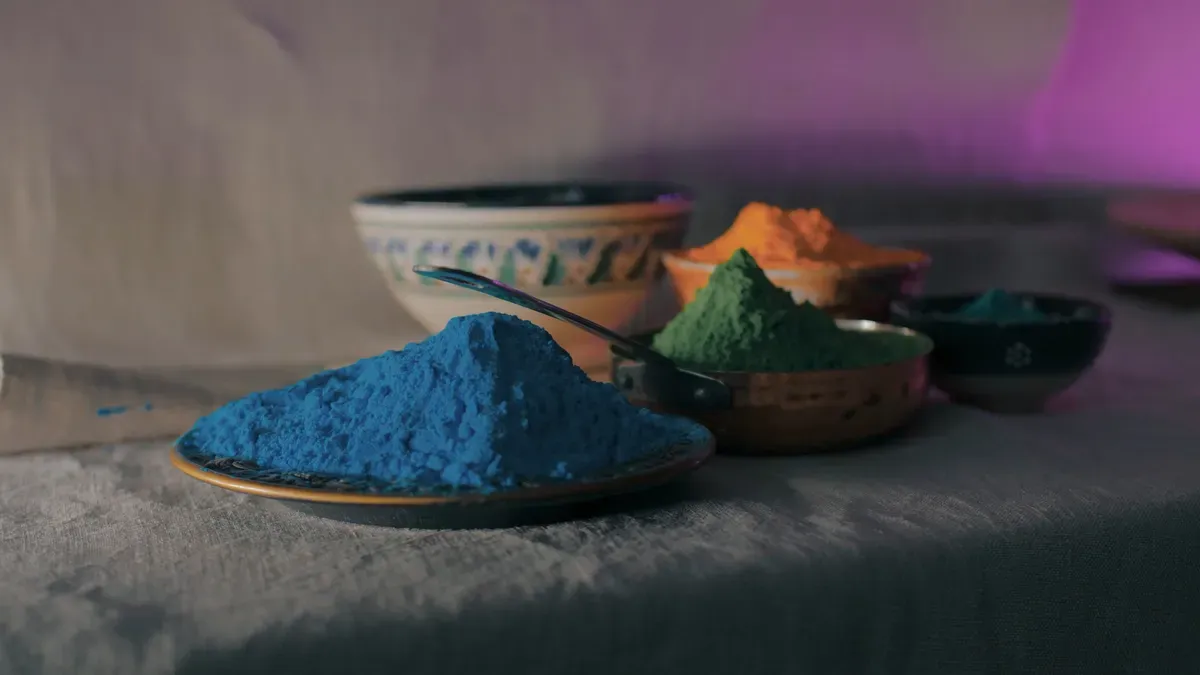
Inorganic pigments play a vital role in wall coatings. They come in various forms, each offering unique benefits. Common types include:
Calcium carbonate: Often used as a filler, it enhances the texture of coatings.
Titanium dioxide: Known for its excellent opacity and brightness, it provides long-lasting colour.
Iron oxide pigments: These pigments offer a range of shades, contributing to aesthetic durability.
Blanc fixe (precipitated barium sulphate): This pigment improves the coating’s overall performance.
These pigments are valued for their heat stability, making them suitable for high-temperature applications. They also provide functional effects, such as corrosion protection and infrared reflection.
Function in Coatings
Inorganic pigments significantly enhance the durability of wall coatings. They resist UV exposure better than organic pigments, ensuring long-lasting colour and opacity. This resistance helps maintain the aesthetic appeal of facilities over time.
Additionally, titanium dioxide stands out for its ability to reflect light, which can improve energy efficiency in buildings. Iron oxide pigments contribute to colour stability, ensuring that coatings remain vibrant despite environmental factors.
Latest Techniques in Chemical Analysis
X-Ray Fluorescence (XRF)
X-Ray Fluorescence (XRF) serves as a powerful tool for analysing inorganic pigments in wall coatings. This technique allows facility managers to obtain detailed information about the elemental composition of coatings without damaging the samples. XRF analyses can pinpoint specific points on colour painting boards using advanced spectrometers. For instance, the Niton XL2–960 GOLDD XRF spectrometer operates at a maximum voltage of 45 kV and a current of 100 µA. It utilises beam filters called collimators, which eliminate the need for a vacuum pump or helium atmosphere. Under these conditions, the radiation intensity remains low, ensuring that the X-rays do not harm the paintings. This capability makes XRF an invaluable method for the chemical analysis of inorganic pigments, enabling facility managers to make informed decisions regarding coating selection and maintenance.
Raman Microscopy in the Identification of Pigments
Raman microscopy plays a crucial role in the identification of pigments within wall coatings. This technique employs Raman spectroscopy to provide detailed spectral data about the molecular composition of materials. However, facility managers should be aware of certain limitations associated with this method.
Fluorescence interference can obscure spectral data, particularly in materials with complex organic compositions.
Analyzing pigments mixed with binders and degradation products complicates the interpretation of spectral data.
Heavily degraded materials may produce weak Raman signals, making analysis difficult.
Despite these challenges, Raman microscopy remains a valuable technique for pigment identification, especially when combined with other analytical methods.
Neutron Activation Analysis (NAA)
Neutron Activation Analysis (NAA) offers another advanced method for assessing the composition of anti-mould wall coatings. This technique involves bombarding a sample with neutrons, resulting in the formation of radioactive isotopes from the elements present. NAA focuses on the atomic nuclei rather than the chemical form, allowing for precise determination of element concentrations without altering the sample’s properties. This capability is particularly beneficial for facility managers seeking to understand the elemental makeup of coatings and ensure their effectiveness against mould growth. By employing NAA, facility managers can enhance their knowledge of the materials used in their facilities, leading to better maintenance practices and improved indoor air quality.
Practical Applications of Analysis
Assessing Performance
Analytical techniques play a crucial role in assessing the performance of anti-mould coatings. Facility managers can evaluate several key metrics to ensure the effectiveness of these coatings. The following table outlines the most relevant performance metrics:
Metric | Description |
|---|---|
Moisture Resistance | Ability to prevent water penetration under controlled conditions, tested for water absorption. |
Vapour Permeability | Rate at which water vapour escapes, crucial to prevent condensation within wall cavities. |
Adhesion Strength | Verified through tensile and peel tests to ensure a robust bond with the substrate. |
Durability | Long-term performance assessed through accelerated weathering tests simulating various exposures. |
Cost-Efficiency | Economic analysis comparing initial costs, maintenance intervals, and lifespan against alternatives. |
By focusing on these metrics, facility managers can make informed decisions regarding the selection of inorganic anion wall paint in the UK. This ensures that the coatings not only resist mould growth but also maintain their integrity over time.
Quality Control
Quality control measures are essential for ensuring the effectiveness of anti-mould wall coatings. Facility managers should implement the following practices:
Ensure proper ventilation in kitchens and bathrooms.
Clean gutters regularly to prevent water overflow.
Repair leaks promptly.
Use dehumidifiers in damp-prone areas.
Understanding the best application techniques is crucial for maximising the benefits of anti-mould paints. Proper surface preparation and the right tools ensure that the coatings adhere effectively and provide long-lasting protection. To fully benefit from the powerful condensation control and mould resistance of these coatings, facility managers must execute the job with precision.
Addressing Buyer Needs
Water Vapour Permeability
Water vapour permeability plays a crucial role in the effectiveness of anti-mould wall coatings. High water vapour permeability allows moisture to escape from walls, preventing condensation and subsequent mould growth. Facility managers should aim for coatings that meet specific standards for vapour permeability. The following table outlines the classifications and standards relevant to this property:
Classification | Standard |
|---|---|
V1 | EN ISO 7783-2 |
W3 | EN ISO 1062-3 |
Highly breathable anti-mould paints, such as those based on silicate or lime, facilitate the escape of moisture vapour. This characteristic is essential for long-term performance, as it prevents moisture accumulation that could compromise the coating’s mould resistance. By managing water vapour permeability, facility managers can ensure that coatings maintain their integrity and performance over time.
Ingredient Transparency
Ingredient transparency is another critical factor for buyers of inorganic anion wall paint in the UK. Facility managers increasingly seek coatings that disclose their components. This transparency fosters trust and allows for informed decision-making. Buyers can assess the safety and environmental impact of the products they choose.
Moreover, clear ingredient lists help facility managers avoid potential allergens or harmful substances. This knowledge is vital for maintaining a healthy indoor environment. As awareness of health and safety issues grows, manufacturers must prioritise ingredient transparency to meet buyer expectations.
In summary, anti-mould properties in inorganic wall coatings significantly impact facility management. Facility managers should utilise advanced chemical analysis techniques to enhance decision-making. Key takeaways include:
On-site testing offers immediate feedback.
Laboratory testing ensures compliance certification.
A hybrid approach balances speed and depth.
Future trends in anti-mould technology, such as IoT sensors and smart solutions, will further improve management practices.
FAQ
What are the benefits of using analytical techniques in art conservation?
Analytical techniques in art conservation help identify materials and assess the condition of artworks, ensuring proper preservation methods.
How does infrared spectroscopy in conservation science work?
Infrared spectroscopy in conservation science analyses the molecular composition of materials, aiding in the identification of pigments and binders.
What is a sampling strategy for pigment analysis?
A sampling strategy for pigment analysis involves selecting representative samples from artworks to ensure accurate results during scientific examination of art.
See Also
Discovering Inorganic Anion Wall Paints for Healthier Homes
Comparing Inorganic and Organic Wall Coatings for 2025
Understanding Inorganic Anion Wall Paints: A 2025 Overview
A Comprehensive Guide to Moisture Barriers for Walls and Floors
Selecting Optimal Moisture Barriers for Walls and Floors in 2025
