


Textured decorative wall finishes have surged in popularity, transforming ordinary spaces into extraordinary ones. These innovative techniques not only enhance visual appeal but also reflect a shift towards authenticity in design. Homeowners today seek unique textures that offer both style and practicality, making textured finishes a smart choice for modern living.
Key Takeaways
Textured wall finishes like Venetian plaster and skip trowel enhance the visual appeal of your home while providing durability and low maintenance.
Applying techniques such as knockdown texture can conceal wall imperfections, creating a warm and inviting atmosphere in any room.
Emerging trends like limewash and air-purifying coatings not only beautify your walls but also contribute to a healthier indoor environment.
Venetian Plaster Techniques
Venetian Plaster Benefits
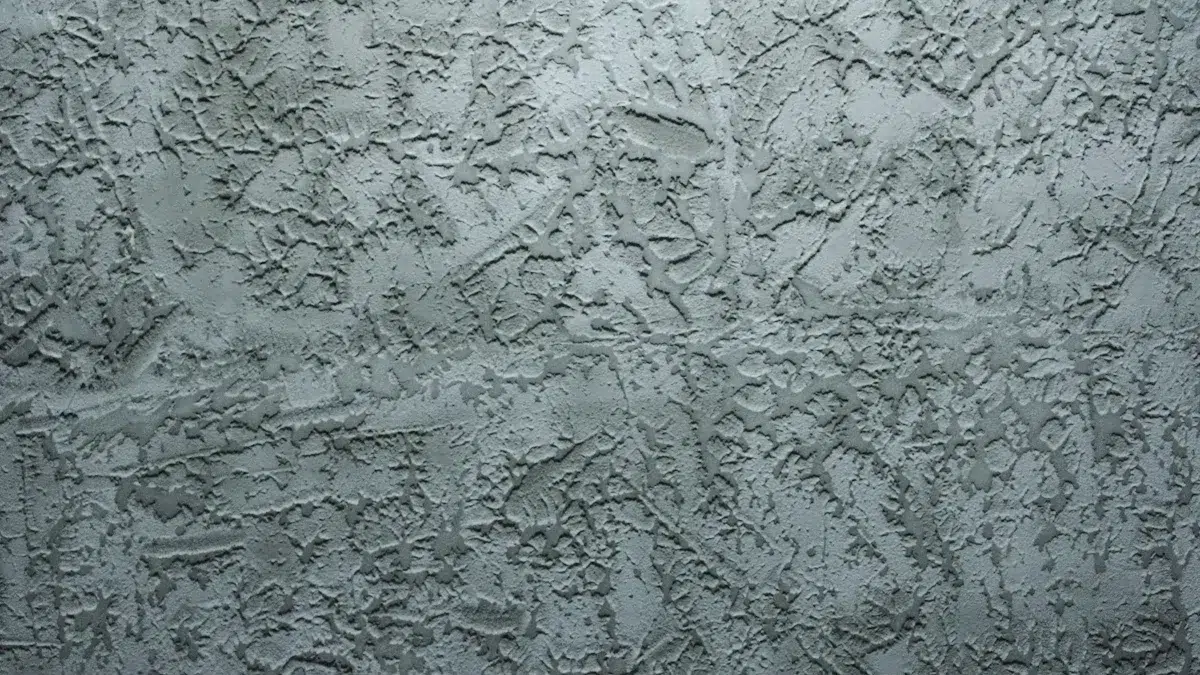
Venetian plaster stands out as a premier choice for textured decorative wall finishes. Its artistic appeal lies in its ability to transform walls into stunning works of art. You can achieve unique textures and depths that regular plaster or paint simply cannot match. This technique allows you to create finishes that mimic polished marble or soft matte appearances, providing dynamic visual effects. The interaction with light gives Venetian plaster a sophisticated glow, enhancing the elegance of any room.
Consider these key benefits:
Unique textures and depth that create artistic wall finishes.
Versatile finishes ranging from high-gloss to matte.
Enhanced light reflection that adds a sophisticated glow.
Seamless application on curved and intricate wall designs.
Properly maintained Venetian plaster can last over 50 years, significantly outlasting conventional drywall systems. Its low maintenance requirements and rare need for repairs make it a long-term investment for your home.
Application Methods
Applying Venetian plaster involves several distinct steps that differ from traditional plaster methods. Here’s a simple breakdown:
Surface preparation: Ensure the substrate is sound, clean, dry, and primed, fixing any imperfections.
Base coat application: Apply the first thin layer with a steel trowel to establish adhesion.
Build-up coats: Add two to three additional coats in varying directions to build depth.
Burnishing: Compress the surface with a steel trowel while the plaster is partially cured to create polish.
Waxing and sealing: Apply protective wax or sealer to deepen colour and protect the surface.
These steps create a finish that not only enhances your design but also elevates the overall aesthetic of your space.
Skip Trowel and Modern Textures
Advantages of Skip Trowel
Skip trowel texture has gained traction in modern drywall design trends due to its unique benefits. This technique not only enhances the aesthetic appeal of your walls but also offers practical advantages. Consider the following benefits:
Advantage | Description |
|---|---|
Hides Wall Imperfections | Covers cracks and dents, making it ideal for older homes. |
Enhances Aesthetic Appeal | Adds depth and warmth, creating a cosy, high-end look. |
Highly Customizable | Allows for adjustments in texture and works with various paints. |
Increases Home Value | Unique textures stand out in real estate, appealing to buyers. |
Durable & Long-Lasting | Resists peeling and minor dents better than smooth drywall. |
Works Well with Different Colours | Complements any paint colour, enhancing the overall look. |
Easy to Maintain & Repaint | Simple cleaning and repainting without damaging the texture. |
How to Apply Skip Trowel
Applying skip trowel texture requires a few straightforward steps to achieve optimal results. Follow this guide to create stunning walls:
Preparing the Wall: Clean the wall, remove dust and grease, apply primer, and let it dry fully.
Mixing the Joint Compound: Add water to the compound until smooth but not runny; a thick, creamy mix is ideal.
Applying the Base Layer: Spread a thin layer of compound with a trowel at a slight angle, working in small sections.
Creating the Skip Trowel Effect: Lightly drag the trowel across the surface, lifting it slightly to create the skipped look.
Drying & Curing Time: Allow it to dry completely before painting, which may take one or two days.
Final Touches & Painting: Sand gently for a smooth finish and apply paint in thin layers, typically two coats.
Skip trowel texture, especially the Spanish Lace finish, adds depth and character to walls, enhancing visual interest. This technique balances modern minimalism with organic, artisan-inspired design, making it a perfect choice for contemporary interiors.
Knockdown Texture for Subtle Elegance
Benefits of Knockdown Texture
Knockdown texture has become a popular choice for achieving subtle elegance in decorative wall finishes. This technique offers a rustic, stucco-like appearance that enhances your room’s visual appeal without overwhelming it. You will appreciate how it effectively conceals imperfections, creating a warm and inviting atmosphere. This versatility makes knockdown texture suitable for various interior styles, from contemporary to traditional.
Here are some key benefits of choosing knockdown texture for your walls:
Visual Appeal: The unique texture adds depth and character, making your walls a focal point.
Conceals Flaws: It hides minor imperfections, ensuring your walls look flawless.
Easy Maintenance: Cleaning is straightforward, requiring only a damp cloth to remove dust and dirt.
Customisable: You can adjust the texture to suit your personal style, whether you prefer a more pronounced or subtle finish.
Application Process
Applying knockdown texture is a manageable DIY project. Follow these steps to achieve stunning results:
Prepare the Surface: Clean the wall and apply a primer to ensure proper adhesion.
Mix the Compound: Combine joint compound with water until you achieve a thick, creamy consistency.
Apply the Base Layer: Use a trowel to spread a thin layer of the compound across the wall.
Create the Knockdown Effect: After the compound dries slightly, use a knockdown knife to flatten the peaks, creating the desired texture.
Finish Up: Allow the texture to dry completely before painting.
With these steps, you can transform your walls into elegant, textured masterpieces that elevate your home’s aesthetic.
Latest Trends in Drywall Finishes
As you explore the latest trends in drywall finishes, two standout options are limewash and Italian plaster. These materials have gained immense popularity in modern wall design due to their unique textures and durability. Limewash, in particular, offers a timeless aesthetic that enhances the character of your interiors. It provides natural breathability, allowing walls to “breathe” and reducing moisture build-up, which is essential for maintaining a healthy indoor environment.
Limewash and Italian Plaster
Limewash and Italian plaster, including Venetian plaster, are increasingly favoured for their sustainable and artistic qualities. These materials not only deliver a rich, organic aesthetic but also stand out for their permanence and versatility. Homeowners appreciate how limewash paint can be customised in various colours and textures, allowing you to create a unique look that reflects your personal style.
Benefits of Limewash:
Eco-friendly and non-toxic, making it safe for indoor use.
Naturally mould-resistant, contributing to a healthier living space.
Offers a soft, matte finish that enhances light diffusion, creating a warm atmosphere.
Benefits of Italian Plaster:
Provides a luxurious, polished look that mimics marble or stone.
Highly durable, ensuring long-lasting beauty with minimal maintenance.
Allows for intricate designs and textures, adding depth to your walls.
As interior design trends shift away from temporary finishes, lime plaster and Venetian plaster emerge as top choices for those seeking both beauty and functionality. These materials not only enhance visual appeal but also serve practical purposes, such as improving insulation and energy efficiency. Textured wall finishes like these help maintain consistent internal temperatures, which is especially beneficial for older homes lacking cavity insulation.
Air-Purifying Coatings
Another exciting trend in drywall finishes is the introduction of air-purifying coatings. These innovative products, such as BANDě Negative oxygen ion inorganic art coating, utilise advanced technology to improve indoor air quality. By releasing negative oxygen ions, these coatings capture and purify harmful volatile organic compounds (VOCs) and other pollutants, creating a healthier living environment.
Key Features of Air-Purifying Coatings:
Health Benefits: They actively reduce allergens and toxins in the air, promoting better respiratory health.
Durability: These coatings are designed to withstand wear and tear, ensuring long-lasting performance.
Aesthetic Appeal: Available in various finishes, they can complement any interior design style while enhancing the overall look of your walls.
The growing demand for eco-friendly and functional innovations in drywall finishes reflects a broader trend towards sustainability and safety in home design. As you consider your options, remember that these emerging trends not only elevate the aesthetic of your space but also contribute to a healthier and more energy-efficient home.
Comparison of Textured Walls
When considering textured walls for your home, you must weigh various factors, including cost, maintenance, visual impact, and functionality. Each textured finish offers unique advantages, and understanding these can help you make an informed choice.
Cost and Maintenance
The cost of textured walls varies significantly based on the technique and materials used. Here’s a breakdown of what you can expect:
Finish Type | Estimated Cost per Square Foot | Maintenance Requirements |
|---|---|---|
£5 – £15 | Requires occasional waxing and cleaning to maintain shine. | |
Skip Trowel | £3 – £8 | Easy to repaint; minor repairs blend well with existing texture. |
Knockdown Texture | £2 – £6 | Simple cleaning; repairs are straightforward due to texture. |
Textured finishes often require less maintenance than smooth finishes. For instance, textured walls can hide imperfections, making them more forgiving regarding visible damage. Repairs are easier as they blend well with existing texture, unlike smooth finishes, which require meticulous work to maintain their appearance.
Visual Impact and Functionality
The visual impact of textured walls can vary greatly depending on the technique you choose. Here’s how different textures compare:
Venetian Plaster: Features an elegant, polished look that resembles marble, achieved through multiple layers and a burnishing technique.
Skip Trowel: Creates irregular patterns with a rustic, Mediterranean feel, resulting in a more casual appearance.
Knockdown Texture: Offers a stucco-like finish with peaks and valleys, contributing to a textured and less refined aesthetic.
In terms of functionality, textured walls provide several benefits over smooth finishes. For example, textured surfaces help absorb sound, reducing echo and noise in commercial spaces. This creates a softer auditory environment that enhances focus and comfort.
Moreover, textured finishes significantly enhance wall durability. They are designed to withstand impacts from high-traffic areas, vandalism, and environmental factors. The thicker basecoats and stronger materials used in textured finishes contribute to their longevity.
However, you should also consider potential challenges. Highly personalised or bold textures might not appeal to everyone, potentially affecting the resale value of your property. Additionally, textured surfaces can trap moisture, increasing the risk of mould or mildew, especially in humid areas.
To maintain your textured walls, follow these simple steps:
Remove dust with a vacuum or soft dusting brush.
Mix a suitable cleaning solution.
Wipe from top to bottom, working the solution into the textured surface.
Wipe again with a clean, damp cloth.
By understanding the costs, maintenance, visual impact, and functionality of textured walls, you can confidently choose the best option for your modern home.
Incorporating innovative textured wall techniques can transform your space into a stylish haven. Techniques like Venetian plaster, skip trowel, and knockdown texture not only enhance aesthetics but also improve durability. Embrace these designer wall texture ideas to create a warm atmosphere that reflects the latest 2025 design trends.
Textured Wall Finishes are revolutionising modern interior design, moving beyond traditional paint and wallpaper to create spaces that engage more senses, particularly touch. Imagine walls that not only visually appeal but also invite a tactile experience, enhancing the ambiance of any room. <<<
FAQ
What is the best textured wall finish for a modern home?
You should consider Venetian plaster for its elegance or skip trowel for a rustic charm. Both techniques enhance aesthetics and durability.
How do I maintain textured walls?
Simply dust regularly and clean with a damp cloth. For deeper cleaning, use a mild solution and avoid harsh chemicals.
Can I apply these textures myself?
Yes, many techniques like skip trowel and knockdown texture are DIY-friendly. Follow the application steps carefully for the best results.
See Also
BANDě: Expert Wall Coatings For Beautiful Interiors In 2025
Begin Your Healthy Home Journey With Inorganic Paints In 2025
Five Best BANDě Epoxy Coatings For Indoor Spaces In 2025
Utilising Seven-Colour Inorganic Coatings For An Eco-Friendly Home
Discovering The Chemistry Behind Inorganic Anion Paints In 2025
