


Creating a safe living environment for your family is crucial. Traditional wall coatings often contain harmful volatile organic compounds (VOCs) that can jeopardise indoor air quality. Studies show a strong link between household paint use and serious health issues, including increased cancer incidences and childhood asthma. Eco-friendly options, such as natural-fibre textured decorative wall coatings, offer a sustainable alternative, ensuring a healthier home atmosphere.
Key Takeaways
Opt for eco-friendly wall coatings to protect your family’s health by reducing exposure to harmful chemicals and improving indoor air quality.
Choose low-VOC or zero-VOC paints to minimise harmful emissions, ensuring a safer environment for children and those with respiratory issues.
Select natural-fibre textured coatings for a sustainable and aesthetically pleasing option that enhances your home’s air quality and overall well-being.
Traditional Coating Risks
Health Implications
Traditional wall coatings often contain harmful chemicals that pose significant health risks to you and your family. Exposure to these substances can lead to various health issues, including:
Headaches
Nausea
Dizziness
Respiratory symptoms, particularly in sensitive groups like children and those with asthma
Long-term exposure has been linked to neurological conditions and cancer
These health implications highlight the importance of considering safer alternatives. By opting for eco-friendly wall finishes, you can significantly reduce the risk of these adverse health effects.
Indoor Air Quality
The impact of traditional wall coatings on indoor air quality is profound. Volatile organic compounds (VOCs) released from these coatings can lead to several immediate and long-term health problems. The effects of VOCs on indoor air quality include:
Causing eye, nose, and throat irritation
Leading to headaches and nausea
Prolonged exposure can damage the central nervous system
Traditional oil-based paints typically have high levels of VOCs, while water-based latex paints generally contain lower levels. However, even low-VOC or zero-VOC paints can still emit some VOCs. To improve your indoor air quality, consider the following tips:
Ensure proper ventilation during and after painting.
Use protective gear while applying paint.
By making informed choices, you can create a healthier air quality in your home, reducing the risks associated with traditional coatings.
Environmental Concerns
The production and disposal of traditional wall coatings also raise environmental concerns. The chemicals involved contribute to air pollution and can harm ecosystems. Key environmental impacts include:
VOCs contributing to ground-level ozone, a harmful air pollutant
Carbon dioxide emissions during production, contributing to climate change
Nitrogen oxides leading to smog formation and respiratory issues
Habitat loss due to mining operations disrupting local ecosystems
Water pollution from runoff contaminating water sources
To mitigate these impacts, consider responsible disposal methods for leftover paint. You can:
Take it to a Hazardous Waste Facility for safe handling.
Participate in local paint recycling programs.
Use up leftovers to minimise waste.
By choosing eco-friendly wall finishes, you not only protect your family’s health but also contribute to a healthier planet.
Benefits of Eco-Friendly Coatings

Non-Toxic Materials
Choosing eco-friendly wall finishes means opting for non-toxic materials that safeguard your family’s health. These materials not only enhance the aesthetic appeal of your home but also contribute to a safer indoor environment. Some of the most popular non-toxic materials used in eco-friendly wall coatings include:
Lime Plaster: This material is antibacterial, breathable, and free from volatile organic compounds (VOCs).
Clay Plaster: Known for its warm and earthy tones, clay plaster is entirely organic and safe for indoor use.
Mineral Paints: These eco-friendly options contain low levels of VOCs, making them a healthier choice for your home.
Microcement: This versatile and stylish option provides a modern finish while remaining non-toxic.
By selecting these non-toxic wall finishes, you significantly reduce exposure to harmful pollutants. Health organisations have highlighted that using low-VOC paint helps protect family health by minimising the risk of respiratory issues. Studies have linked traditional paint fumes to various health problems, emphasising the importance of maintaining improved indoor air quality.
Sustainability
Eco-friendly wall coatings also embody sustainability, making them a responsible choice for environmentally conscious homeowners. The manufacturing processes of these coatings often involve sustainable practices that reduce their environmental impact. Here are some key sustainable practices associated with eco-friendly wall coatings:
Sustainable Practice | Description |
|---|---|
Low VOCs | Paints that emit fewer volatile organic compounds, improving indoor air quality. |
Natural Ingredients | Use of natural components in paint formulations, reducing environmental impact. |
Renewable Energy in Production | Adoption of renewable energy sources during the manufacturing process to lower carbon footprint. |
Responsible Sourcing | Ensuring that raw materials are sourced sustainably and ethically. |
Efficient Manufacturing | Streamlined processes that minimise waste and energy consumption during production. |
Recyclable Packaging | Use of packaging that can be recycled, contributing to a circular economy. |
These practices not only enhance the sustainability of eco-friendly wall coatings but also contribute to improved indoor air quality. For instance, inorganic wall coatings with zero VOC formulas prevent the release of harmful compounds. They actively absorb pollutants and odours, resulting in fresher indoor air. Homes using these coatings have reported measurable benefits for respiratory health, including a significant reduction in asthma symptoms and improved overall air quality.
By choosing eco-friendly wall finishes, you make a sustainable choice that benefits both your family and the planet.
Types of Eco-Friendly Coatings
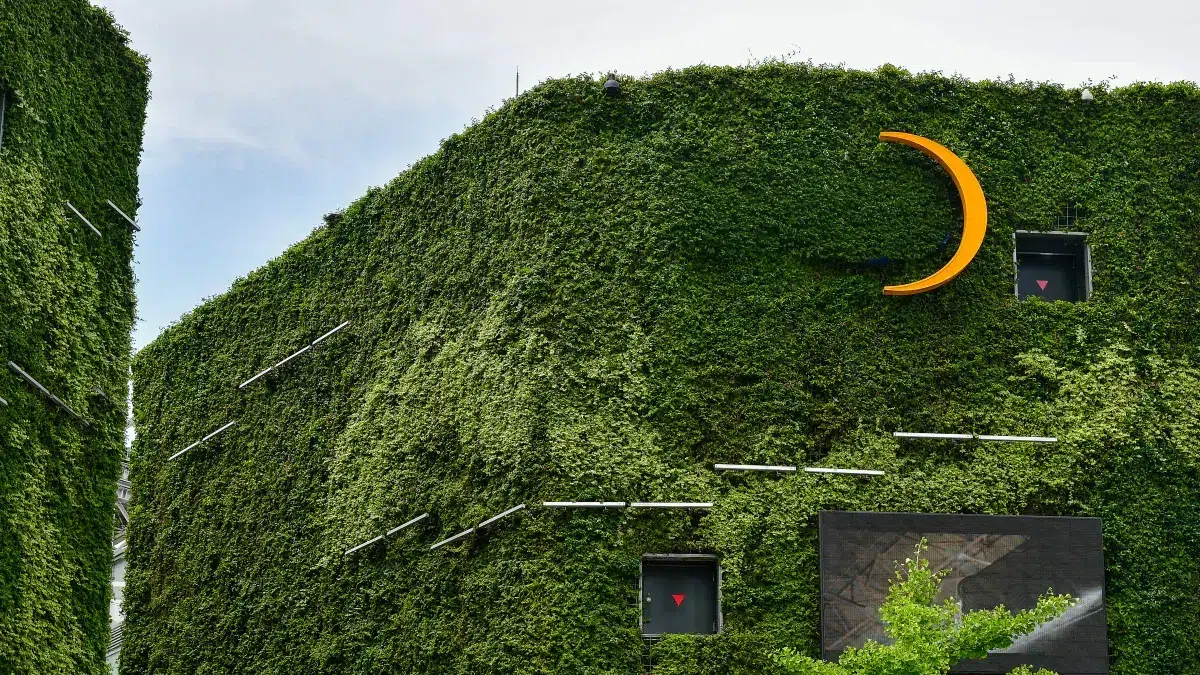
Natural-Fiber Textured Coatings
Natural-fiber textured decorative wall coatings offer a unique blend of aesthetics and functionality. These coatings utilise materials derived from plants, providing a sustainable option for your home. Here are some popular natural fibers used in these coatings:
Natural Fiber | Benefits |
|---|---|
Jute | Biodegradable, enhances aesthetics |
Hemp | Sustainable, improves indoor air quality |
Sisal | Soundproofing, promotes sustainability |
By choosing natural wall finishes, you not only beautify your space but also contribute to a healthier indoor environment. These materials are breathable and help regulate humidity, which can further enhance your home’s air quality.
Low-VOC Options
Low-VOC paints are another excellent choice for eco-conscious homeowners. These paints contain significantly reduced levels of volatile organic compounds, making them safer for both your family and the environment. The following table illustrates the VOC content of various paint types:
Type of Paint | VOC Content |
|---|---|
Conventional Paint | Very High (often 150+ g/l) |
Low-VOC Paint | Low (under 30 g/l) |
Zero-VOC Paint | Trace Amounts (under 5 g/l) |
Opting for low or zero volatile organic compounds ensures that you minimise harmful emissions in your home. Certifications such as Green Seal and GREENGUARD verify the low-VOC status of these eco-friendly wall finishes, giving you peace of mind regarding their environmental impact.
In addition to health benefits, biodegradable coatings further enhance sustainability. They reduce VOC emissions, improve indoor air quality, and utilise natural materials that contribute to overall health and well-being.
Practical Tips for Families
Choosing the Right Coating
Selecting the right eco-friendly wall coating is essential for creating a family-friendly home. Consider the following criteria when making your choice:
Natural Colour Palettes: Opt for calming colours that promote relaxation.
Mix Textures for Visual Interest: Combining different textures adds depth and warmth to your space.
Prioritise Durability in High-Traffic Areas: Choose finishes that withstand wear and tear, ensuring longevity.
Combine with Eco-Friendly Décor: Create a cohesive design that enhances your home’s aesthetics.
Go for Low-Maintenance Surfaces: Select coatings that require minimal upkeep, making daily life easier.
Safety Precautions
When applying eco-friendly wall coatings, prioritising safety is crucial. Follow these essential precautions to ensure a safe working environment:
Ensure adequate ventilation to prevent the buildup of flammable vapours.
Eliminate all ignition sources, including naked flames and sparks, in the vicinity of the application area.
Provide full respiratory protection for painters, such as air-fed hoods or pressure-fed masks.
Ensure that suitable protective clothing, including overalls and gloves, is worn by all personnel.
Prohibit smoking while handling or applying coatings.
Wash hands thoroughly before eating or smoking.
In case of skin contact, wash the affected area immediately with soap and water.
If paint splashes into the eyes, rinse immediately with water and seek medical attention.
Have rescue equipment with an independent air supply available for emergencies.
Maintain a head count of personnel working in the area to ensure safety.
By following these guidelines, you can create a safer environment while enjoying the benefits of eco-friendly wall coatings.
In summary, eco-friendly wall coatings offer significant advantages for your family’s health and the environment. These coatings reduce harmful VOC emissions, improve indoor air quality, and support sustainable practices. By choosing eco-friendly options, you contribute to a healthy home design that prioritises safety and well-being. Make informed choices today for a brighter, healthier future.
FAQ
What are eco-friendly wall coatings?
Eco-friendly wall coatings use non-toxic materials that improve indoor air quality and reduce environmental impact, ensuring a healthier living space for you and your family.
How do I choose the right eco-friendly coating?
Consider factors like durability, texture, and colour. Opt for low-VOC or natural-fibre options to enhance aesthetics while promoting a safe indoor environment.
Are eco-friendly coatings more expensive?
While initial costs may be higher, eco-friendly coatings often save money long-term through durability and reduced health-related expenses, making them a wise investment.
See Also
Utilising Inorganic Seven-Colour Wall Coating For Eco-Friendly Living
Discovering Inorganic Anion Wall Paint For Healthier Homes In 2025
The Rising Popularity Of Inorganic Seven-Colour Wall Coating In America
Comparing Inorganic And Organic Wall Coatings For 2025
BANDě: Perfecting Decorative Wall Coatings For Impressive 2025 Interiors
