

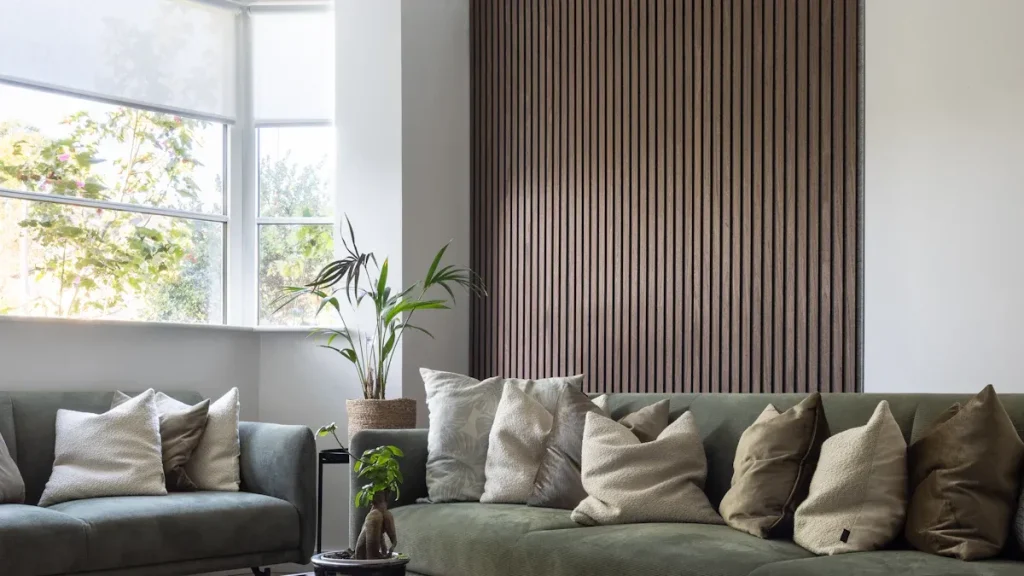
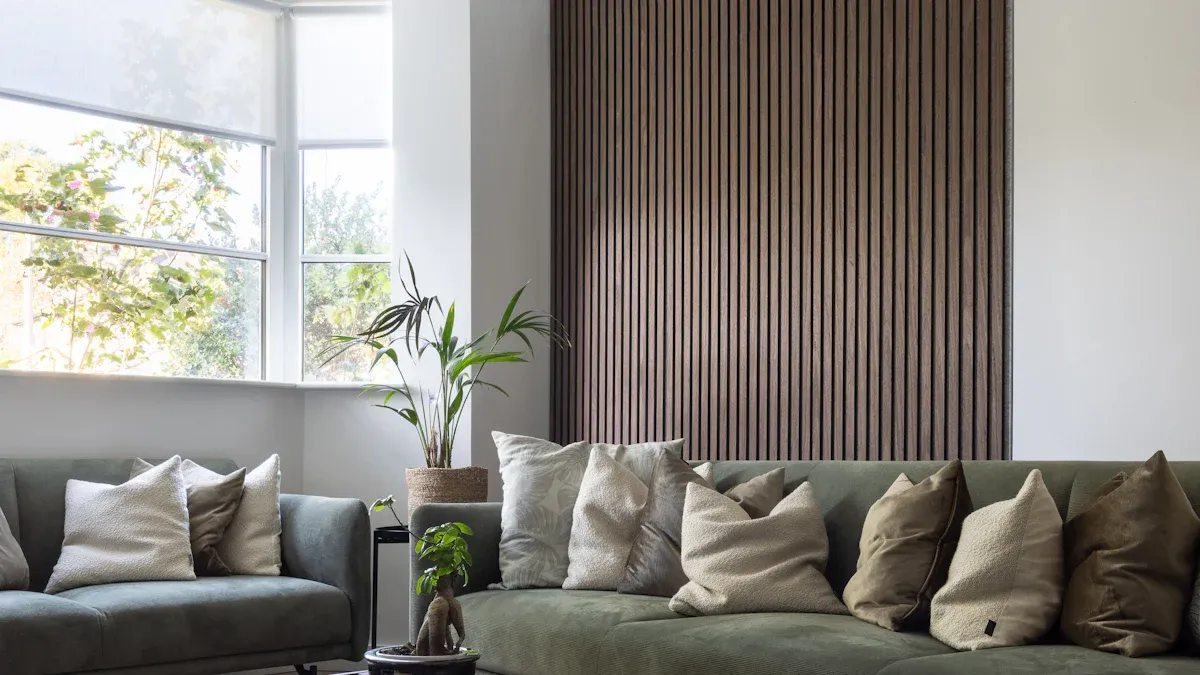
Choosing the right commercial textured wall finishes in the Philippines can transform your business environment. These finishes enhance aesthetics and improve functionality. Consider how the right choice can create a welcoming atmosphere for customers or boost employee morale. What style resonates with your brand? How will you balance beauty and practicality in your space?
Key Takeaways
Choose materials that enhance both the look and durability of your space. This ensures your walls are visually appealing and long-lasting.
Consider the design and layout of wall panels to improve the flow and structure of your space. A well-planned design can create a more inviting atmosphere.
Always check local building codes when selecting wall panels. Compliance ensures safety and protects your business from potential legal issues.
Business Needs
Aesthetic Requirements
When selecting textured wall panels, consider how they enhance your business’s aesthetic appeal. The right commercial textured wall finishes in the Philippines can create a unique atmosphere that reflects your brand identity. For instance, textured wall panels can:
Create an immersive atmosphere that enhances the overall dining experience.
Contribute to a visually appealing environment that aligns with your brand’s identity.
Encourage guests to engage with the space, making it memorable and shareable on social media.
These elements not only attract customers but also foster a sense of belonging and comfort.
Functional Needs
Functionality is just as important as aesthetics. Textured wall panels offer several practical benefits, especially in high-traffic commercial areas. Here’s a quick look at how they improve durability and maintenance:
Feature | Benefit |
|---|---|
Impact Resistance | Textured wall panels resist impacts, making them suitable for high-traffic areas. |
Scratch Resistance | They are less likely to show wear and tear from frequent contact. |
Chemical Resistance | These panels withstand exposure to various chemicals, ideal for commercial settings. |
Waterproof | Prevents mold and mildew growth, essential for hygiene in commercial spaces. |
Easy to Clean | Simple maintenance with just a damp cloth, ensuring cleanliness is easily maintained. |
By choosing the right finishes, you ensure that your walls not only look great but also stand the test of time.
Material Options for Wall Panels
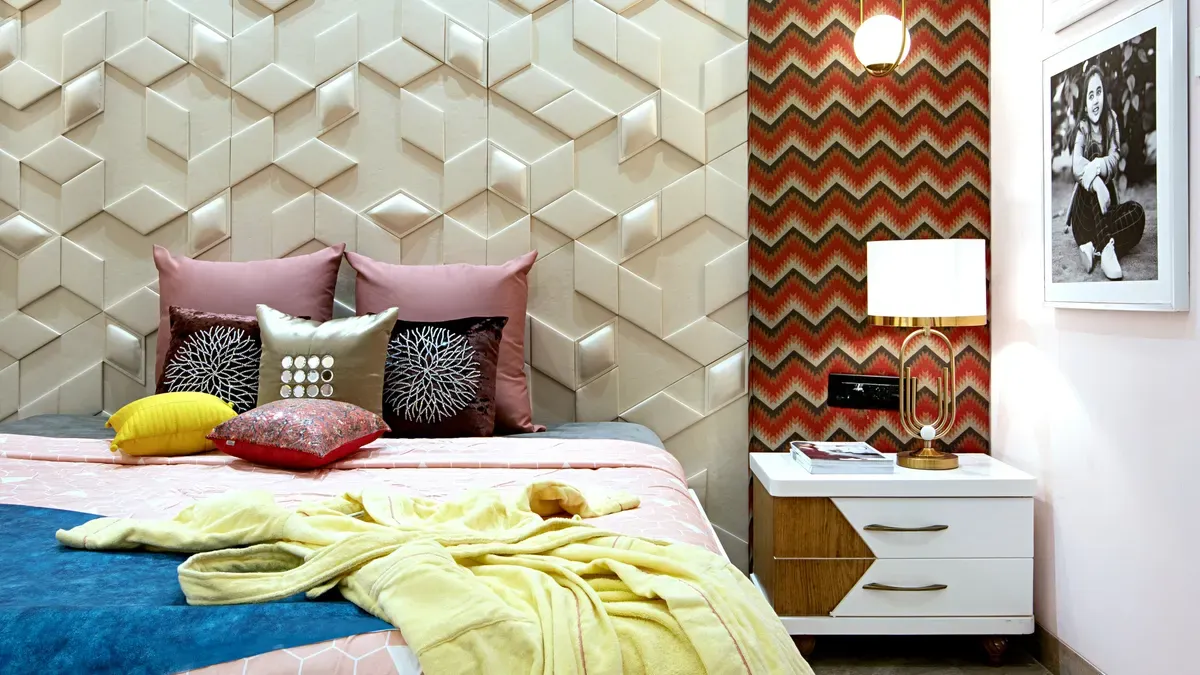
Commercial Textured Wall Finishes
When selecting textured wall panels, you have several material options that can enhance both aesthetics and functionality. Here are some popular choices:
Material Type | Key Features | Applications |
|---|---|---|
Durable, aesthetic appeal, eco-friendly, moisture resistant, pest resistant | Dividers, wall features, ceiling accents | |
Wood-Plastic Composite (WPC) | Combines wood and plastic for long-lasting performance and easy maintenance | High-humidity areas like kitchens and bathrooms |
These materials not only provide a unique look but also ensure durability in commercial settings. For instance, slatted wood panels can create a warm, inviting atmosphere, while WPC is ideal for areas prone to moisture.
When considering costs, remember that prices can vary widely between suppliers. Factors such as delivery fees and installation support can add hidden costs. Additionally, the choice of material impacts both aesthetic appeal and long-term expenses. Here are some key points to keep in mind:
Wall area and coverage affect costs, as materials are priced per square meter.
Installation complexity can increase costs, especially for walls with multiple sections or irregular shapes.
Design complexity also influences pricing; simple designs tend to be more cost-effective than intricate ones.
To find the best rates, compare multiple suppliers. Consider bulk purchases for lower per-piece rates. Choose materials suited for your climate to avoid higher maintenance costs.
Acoustic Wall Panels
Acoustic wall panels play a crucial role in managing sound in commercial environments. These panels absorb sound and reduce echo, which improves internal speech clarity. However, they do not block sound from entering or leaving a room; soundproofing requires different techniques. Here are some essential points regarding acoustic wall panels:
Effectiveness is influenced by factors such as material type, thickness, and placement.
Covering 15-20% of wall space is a good starting point for reducing echo in standard rooms.
The noise reduction coefficient of these panels varies based on their design and material.
For offices, consider using an office acoustic panel to enhance productivity. These panels can significantly improve the work environment by minimizing distractions caused by noise.
Incorporating acoustic treatments into your design can lead to a more pleasant atmosphere for both employees and customers. By choosing the right acoustic wall panel, you can create a space that fosters communication and collaboration.
Wall Panel Design Considerations
Design for Living Room Spaces
When designing living room spaces in commercial properties, you must consider several key elements for your wall panel design. The right choices can significantly enhance the ambiance and functionality of your space. Here are some important factors to keep in mind:
Choice of Materials: Select materials that offer both durability and aesthetic appeal. High-quality materials ensure that your panels withstand wear while looking great.
Texture and Color: The texture and color of your wall panels play a crucial role in shaping the visual appeal of the room. Opt for textures that add depth and sophistication, creating a more inviting atmosphere.
Lighting: Lighting can dramatically affect how textures are perceived. Use strategic lighting to highlight the unique features of your wall panels, enhancing the overall atmosphere.
Panel Layout: The orientation of your panels, whether vertical or horizontal, can influence the perception of room size and height. Vertical panels can make a space feel taller, while horizontal panels can create a sense of width.
Textured wall panels not only add visual interest but also create a harmonious balance with other design elements. For instance, they can complement polished marble flooring and modern furniture, making the area feel more inviting. Additionally, integrating organic elements, such as lush green walls, connects the interior to nature, promoting a soothing atmosphere.
Installation and Maintenance
Proper installation and maintenance of your wall panels are essential for ensuring their longevity and performance. Here are some recommended installation methods for textured wall panels in commercial settings:
Installation Method | Description |
|---|---|
Direct Gluing | This simple method works well for smooth, flat walls. Use construction adhesive for lightweight panels. |
Substructure Installation | This method provides stability for uneven walls. It involves using furring strips for a level surface and allows for insulation. |
Z-Clip Mounting Systems | Ideal for removable panels, this system allows easy access to utilities by interlocking clips on the wall and panel. |
Regular maintenance is also crucial. Clean your panels with a damp cloth to keep them looking fresh. Inspect them periodically for any signs of wear or damage. Addressing issues early can prevent costly repairs down the line.
By focusing on thoughtful wall panel design and proper installation, you can create a stunning and functional living room space that enhances your business environment.
Compliance and Sustainability
Building Codes
When you choose textured wall panels, you must consider local building codes. These codes ensure safety and quality in construction. They cover aspects like fire resistance, structural integrity, and accessibility. Adhering to these codes protects your business and enhances your reputation. Always check with local authorities or a professional to ensure compliance. This step helps you avoid costly fines and potential legal issues.
Eco-Friendly Choices
Sustainability is crucial in today’s business landscape. You can find many eco-friendly options for textured wall panels. Look for materials that use recycled content or sustainable sourcing. For example, some panels incorporate reclaimed wood or recycled plastics. These choices reduce waste and lower your carbon footprint.
Additionally, consider panels with low volatile organic compounds (VOCs). These products improve indoor air quality and create a healthier environment for your employees and customers.
By prioritizing sustainability, you not only contribute to environmental protection but also appeal to eco-conscious consumers. This approach can enhance your brand image and attract more customers who value quality and sustainability.
Incorporating sound-absorbing acoustic panels can also improve your space’s functionality. These panels help manage sound levels, creating a more pleasant atmosphere. You can achieve both aesthetic appeal and acoustic quality while supporting sustainable practices.
Selecting the right textured wall panels is vital for your business. Consider these key takeaways:
Material choices impact aesthetics and functionality.
Design applications affect space structure and flow.
Compliance with building codes is essential.
Consulting suppliers can provide benefits like high durability, minimal maintenance costs, and aesthetic versatility. Reach out to manufacturers for tailored solutions that meet your unique needs.
FAQ
What are textured wall panels made of?
Textured wall panels often consist of materials like wood, plastic composites, or specialized acoustic materials. Each option offers unique benefits for your space.
How do I maintain textured wall panels?
You can maintain textured wall panels by cleaning them with a damp cloth. Regular inspections help catch any wear or damage early.
Can I install textured wall panels myself?
Yes, you can install textured wall panels yourself. However, consider hiring a professional for complex designs or uneven surfaces to ensure quality results.
See Also
BANDě: Expert Wall Coating Solutions for Beautiful 2025 Interiors
Selecting Ideal Moisture Barriers for Walls and Floors in 2025
Guidelines for Selecting the Right Concrete Densifier for Warehouses
Top Floor Hardening Options for UK Industrial Warehouse Spaces
