


Choosing the right exterior decorative wall coating significantly impacts both the look of your building and its protection against the elements. Factors like durability, cost, and suitability for various building types play crucial roles in your decision. With so many options available, which products stand out as the best on the market?
Key Takeaways
Choose masonry paint for its durability and weather resistance. It lasts longer than standard paints and protects your home from moisture.
Consider cladding for a stylish and functional exterior. It enhances aesthetics while providing insulation and reducing maintenance costs.
Regularly maintain your wall coatings with cleaning and prompt repairs. This ensures long-lasting performance and keeps your home looking great.
Masonry Paint: A Popular Exterior Wall Coating
Features and Benefits
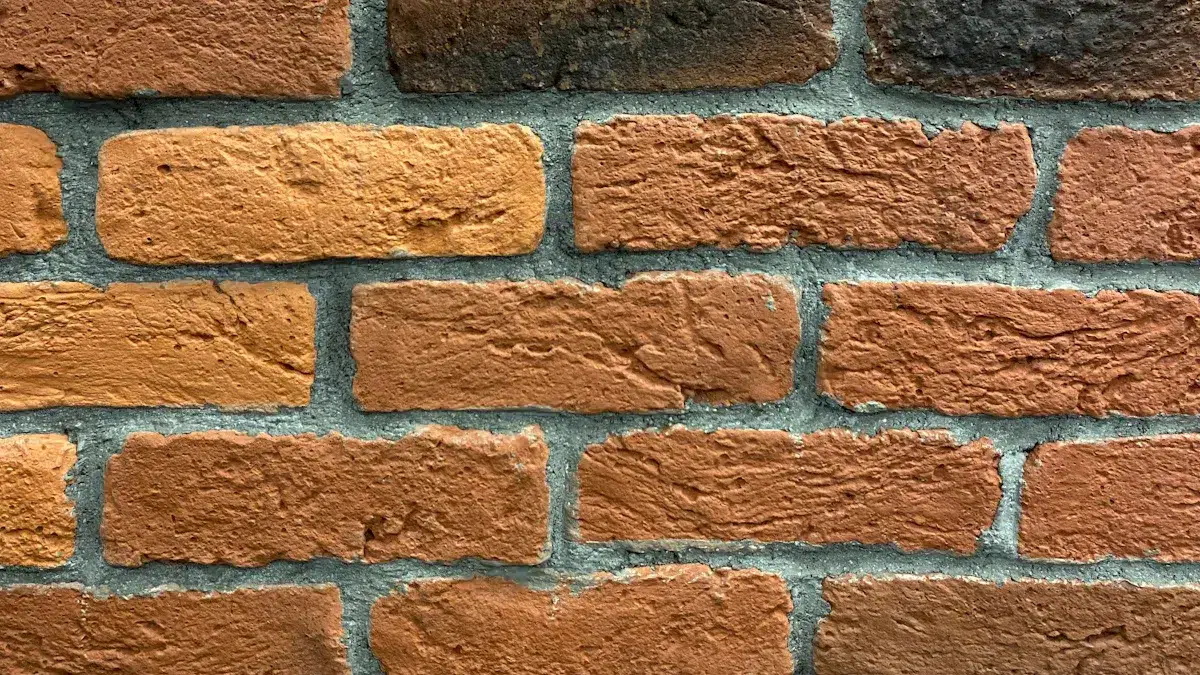
Masonry paint stands out as a top choice for exterior wall coatings due to its unique features and numerous benefits. Here’s a closer look at what makes it a popular option:
Feature/Benefit | Description |
|---|---|
Provides excellent coverage and durability. | |
Weather resistance | Protects against various weather conditions, ensuring longevity. |
Acrylic composition | Offers durability and a long-lasting finish. |
Water-based and environment-friendly | Safe for the environment and easy to clean up. |
Easy application | Simplifies the painting process for users. |
Breathing capability | Allows moisture to escape, preventing damage to the substrate. |
Alkali resistance | No need for neutralization, making it easier to apply on new concrete. |
Flexible and elastomeric membrane | Bridges hairline cracks, preventing water ingress. |
Long-lasting color | Maintains an attractive finish over time. |
These features make masonry paint an excellent choice for homeowners looking to enhance their property’s curb appeal while ensuring protection against the elements.
Pros and Cons
When considering masonry paint, it’s essential to weigh its advantages and disadvantages. Here’s a quick overview:
Pros:
Durability: Masonry paint typically lasts longer than standard paints. In moderate climates, it can last between 4-7 years, while harsher climates may see a lifespan of 3-5 years. This durability makes it a reliable choice for exterior applications.
Weather Resistance: It effectively waterproofs walls and bridges micro-size hairline cracks, ensuring your home remains protected from rain and moisture.
Easy Application: Designed for straightforward application, masonry paint enhances your painting experience, making it accessible even for DIY enthusiasts.
Cons:
Maintenance: While durable, masonry paint may require periodic touch-ups to maintain its appearance, especially in areas with extreme weather.
Limited Color Options: Some users find that the color palette for masonry paint is not as extensive as other types of exterior wall coatings.
Cladding: Stylish and Functional
Cladding serves as an exterior decorative wall coating that enhances both the aesthetics and functionality of your building. It provides a protective layer while allowing for creative design choices. Here are some key features of cladding:
Key Features
Description | |
|---|---|
Stone Cladding | Adds elegance and durability, ideal for tropical climates with minimal maintenance. |
Wood Cladding | Valued for natural elegance and eco-friendliness, blends well with tropical landscapes. |
Metal Cladding | Offers a modern aesthetic; aluminum is durable and requires minimal maintenance. |
Vinyl Cladding | Cost-effective, moisture-resistant, ideal for cleanliness and quick renovations. |
Fiber Cement Cladding | Durable and versatile, suitable for various applications, including exterior wall coatings. |
Advantages and Disadvantages
Cladding offers numerous advantages that make it a popular choice for homeowners:
Resilience to environmental factors: Cladding enhances your building’s resistance to temperature changes, water absorption, and pollution.
Energy efficiency: The insulation provided by cladding improves energy efficiency, optimizing the use of cooling appliances.
Reduced maintenance: Clad exterior walls require less upkeep, saving you costs over time.
Protection from elements: Cladding keeps your structure safe from rain, wind, and other external factors.
However, consider some disadvantages before making your decision:
The installation of wall cladding can be costly, especially for materials like concrete.
The process is complex and time-consuming, often requiring skilled labor.
While maintenance is generally low, repairing damaged cladding can be difficult and labor-intensive.
Roughcasting: A Textured Finish
Roughcasting offers a unique and textured finish that enhances the visual appeal of your building. This exterior decorative wall coating consists of a mixture of sand, cement, and aggregates, creating a durable surface that can withstand various weather conditions. Its versatility makes it suitable for different architectural styles, from traditional to modern designs.
Characteristics
Textured Appearance: Roughcasting provides a distinctive look that adds character to your home.
Durability: This coating is known for its long-lasting nature, resisting wear and tear over time.
Weather Resistance: Roughcasting protects your walls from moisture and harsh elements, ensuring your home remains safe.
Pros and Cons
When considering roughcasting, you should weigh its benefits against potential drawbacks:
Pros:
Aesthetic Appeal: The textured finish creates a visually interesting facade that can enhance curb appeal.
Low Maintenance: While roughcast walls require regular cleaning, they generally need less upkeep than smoother finishes. However, you should still be prepared for some maintenance tasks:
Regular cleaning is necessary to remove dirt and grime.
Prompt repairs are essential to prevent water infiltration from cracks or damage.
Recoating may be needed over time to maintain appearance and protective qualities.
Cons:
Initial Cost: The installation of roughcasting can be more expensive than other coatings.
Repair Challenges: If damage occurs, repairing roughcast can be labor-intensive and may require skilled professionals.
Roughcasting can be an excellent choice for those seeking a durable and attractive exterior wall coating. Its unique texture and protective qualities make it a worthy investment for your property.
Proteks: Advanced Protection
Proteks stands out as a high-performance exterior decorative wall coating designed to offer exceptional protection for your building. This innovative product excels in safeguarding against harsh weather conditions and mold growth, ensuring your property remains in top shape.
Key Features
Proteks boasts several impressive features that make it a preferred choice for homeowners:
High resistance to chemical and mechanical attack
Can be applied to vertical and horizontal substrates
Suitable for direct application on steel and concrete
Excellent adhesion
Smooth, glossy, and easy to clean surface
User-friendly mix ratio
These features contribute to a long-lasting paint job that not only enhances your building’s appearance but also provides robust waterproofing capabilities.
Advantages and Disadvantages
When considering Proteks, you should weigh its benefits against potential drawbacks:
Advantages:
The durability of Proteks ensures that your exterior walls withstand the test of time.
Its weather-resistant paint formulation protects against moisture and environmental damage.
You can enjoy a low-maintenance solution, as the smooth surface allows for easy cleaning.
Disadvantages:
Proteks may require a higher initial investment compared to other coatings.
For optimal results, professional application is recommended. While a DIY option exists, it may lack a guarantee.
By choosing Proteks, you invest in a product that promises long-term performance and protection for your home.
Best Exterior Paint Options
When it comes to selecting the best exterior paint, you want options that combine durability, aesthetic appeal, and protection against the elements. Here are some of the top-rated brands that professionals frequently recommend for their exceptional performance and color retention:
Recommended Brands
PPG Permanizer: This paint is known for its minimal fading and excellent resistance to peeling, making it a reliable choice for long-lasting beauty.
Sherwin-Williams Duration: Highly praised for its coverage and longevity, this paint ensures your home looks fresh for years.
Benjamin Moore Regal Select: Trusted for its resilience and smooth application, this brand offers a premium finish that stands the test of time.
Behr Pro e600: This option provides great performance at a lower price point, making it an excellent choice for budget-conscious homeowners.
Cost and Suitability
Understanding the cost and suitability of various types of exterior paints can help you make an informed decision. Here’s a breakdown of some of the best exterior paint features and their applications:
Paint Brand | Key Features | Price Point |
|---|---|---|
Excellent mildew resistance, color retention, and durability against fading | Premium | |
Behr Ultra | Great performance, durability, and value; paint-and-primer in one | Accessible |
Clark+Kensington | Strong performance, affordable, and effective against environmental factors | Affordable |
Sherwin-Williams Emerald | Exceptional durability, self-priming, and long-lasting finish | Premium |
Different types of exterior paints suit various climates and building types. Here’s a guide to help you choose the right paint for your needs:
Paint Type | Best For | Key Benefits | Application Tips |
|---|---|---|---|
Vinyl, wood, or fiber cement siding | Water-based, low-VOC, dries quickly, flexible | Paint in 50–85°F, use two coats, clean with soap and water | |
Acrylic Paint | Harsh sun or extreme temperature swings | Strong UV resistance, resists cracking and peeling | Clean annually, recoat every 5–7 years |
Weather-Resistant Paint | Coastal homes, mountains, sun-exposed areas | 100% acrylic latex, mildew-resistant, elastomeric | 7–10 years lifespan with proper prep |
Specialty Products | Various specialized needs | Anti-slip, heat-reflective, mold-resistant options | Read product labels for compatibility |
By choosing the best exterior paint, you ensure your home not only looks great but also withstands the test of time. Consider your specific needs and the unique features of each option to make the best choice for your property.
Choosing the right exterior decorative wall coating is crucial for your home’s protection and appeal. Prioritize functionality, aesthetics, and marketability. Consider options like masonry paint for durability or cladding for style.
Remember to maintain your coating with regular cleaning, inspections, and prompt repairs to ensure long-lasting performance.
Make your choice based on your unique needs and preferences!
FAQ
What is the best exterior wall coating for durability?
Masonry paint offers excellent durability and weather resistance, making it a top choice for long-lasting protection.
How often should I repaint my exterior walls?
You should repaint every 3 to 7 years, depending on the coating type and local weather conditions.
Can I apply these coatings myself?
Yes, many coatings, like masonry paint, are user-friendly and suitable for DIY projects. Just follow the manufacturer’s instructions for best results.
See Also
Transform Your Walls With BANDě’s Decorative Coating in 2025
Selecting The Ideal BANDě Exterior Paint For Your 2025 Home
Inorganic Vs. Organic Wall Coatings: A Comprehensive 2025 Guide
