


Effective moisture control in concrete is crucial for successful resin flooring. Professionals use under-slab or surface-applied concrete moisture barrier for resin flooring. The optimal choice depends on new construction versus existing slabs. Inadequate moisture protection causes significant moisture problems and costly moisture-related failures. Therefore, proper moisture mitigation is essential for durable resin floors.
Key Takeaways
Install under-slab barriers during new construction projects to prevent ground moisture from entering concrete foundations.
Apply liquid surface barriers on existing concrete slabs to stop moisture damage during floor renovation projects.
Test concrete moisture levels before installing resin floors to ensure proper bonding and long-lasting strength.
Concrete Moisture & Resin Flooring
Concrete Moisture Issues
Concrete is a porous material. It naturally holds moisture. This moisture can originate from the original mixing water. It also comes from the ground below the slab. Moisture moves through the concrete. It travels as liquid water or as moisture vapour. High levels of moisture vapour can cause significant moisture problems. Effective moisture control is essential before applying any resin system.
Resin Flooring: Moisture Damage
When excessive moisture is present, resin flooring systems suffer. This moisture weakens the bond between the resin and the concrete substrate. It leads to various types of damage. These moisture-related failures compromise the floor’s appearance and durability.
Here are common types of moisture damage observed in resin flooring installations:
Type of Moisture Damage | Underlying Cause | Resulting Surface Appearance / Defect |
|---|---|---|
Peeling | Damp or humid environmental conditions | The epoxy layer separates and peels off the base surface. |
Bubbling / Air Bubbles | Liquid droplets trapped in the concrete substrate | Trapped moisture weakens adhesive bond, forming air pockets under the coat. |
Amine Blush | Excess moisture in ambient air, concrete substrate, or the material | Creates a cloudy, dull appearance or a bluish-white surface film. |
Patchy Finish & Colour Disparities | Water/moisture contact on curing epoxy (e.g., dripping pipes/AC) | Uneven curing rates leading to inconsistent surface colour and finish. |
These issues highlight the critical need for proper moisture mitigation. High moisture vapour transmission rates directly impact resin performance. Addressing moisture is key to a successful and long-lasting installation.
Under-Slab Barriers

Under-Slab Concrete Moisture Barrier Defined
Under-slab barriers are typically robust sheet membranes or polyethylene poly-film. Installers place these materials directly on the sub-base before pouring the concrete slab. Their primary function is to act as a concrete moisture barrier for resin flooring. They prevent soil moisture and moisture vapour from rising into the concrete. This protection is crucial for the long-term integrity of the slab and any subsequent flooring.
New Build Installation
New construction projects are the ideal setting for under-slab vapour barrier installation. Workers lay the sheet vapour barriers across the prepared ground or aggregate base. They carefully overlap and seal all seams. This creates a continuous, impermeable layer. This process must occur before any concrete pouring begins. This timing ensures maximum effectiveness against ground moisture.
Advantages for New Projects
Under-slab barriers offer significant long-term benefits for new builds. They protect the concrete from various threats.
Threat without Barrier | Long-Term Impact | Benefit of Moisture Barrier |
|---|---|---|
High Vapor Diffusion | Raises concrete pH and alkalinity | Preserves flooring adhesive bonds and adhesion integrity |
Sub-slab Relative Humidity (~100%) | Mould, mildew, and concrete degradation | Maintains indoor air quality and structural component stability |
These barriers prevent invisible damage. They protect the foundation from gradual, long-term degradation. This degradation often causes insurance losses and warranty claims. They also regulate internal building humidity. This directly lightens the operational burden on HVAC equipment. Ultimately, a vapour barrier prolongs the lifespan of adhesive bonds. It prevents flooring systems from detaching over time. A high-performance moisture vapour barrier mitigates severe long-term concrete curling. It blocks continuous upward moisture transmission. Without this membrane, the bottom of the concrete slab absorbs persistent ground moisture. Meanwhile, the surface dries. This creates a permanent moisture gradient. This gradient destabilises the foundation over its entire lifespan.
Limitations & Considerations
Under-slab barriers present specific challenges. Installers must place them prior to pouring the concrete slab. This timing constraint makes them unsuitable for existing structures. Retrofitting an existing floor demands extensive demolition. It requires breaking up the current concrete. Workers must remove the old slab. They then completely rebuild the floor structure. This process consumes a substantial amount of time. It also requires significant financial investment and physical labour. This makes it impractically disruptive for standard renovations. Furthermore, restricted physical access makes repairs or maintenance on under-slab systems highly problematic. This leads to widely fluctuating project costs.
Surface-Applied Barriers
Surface Moisture Vapour Barriers Defined
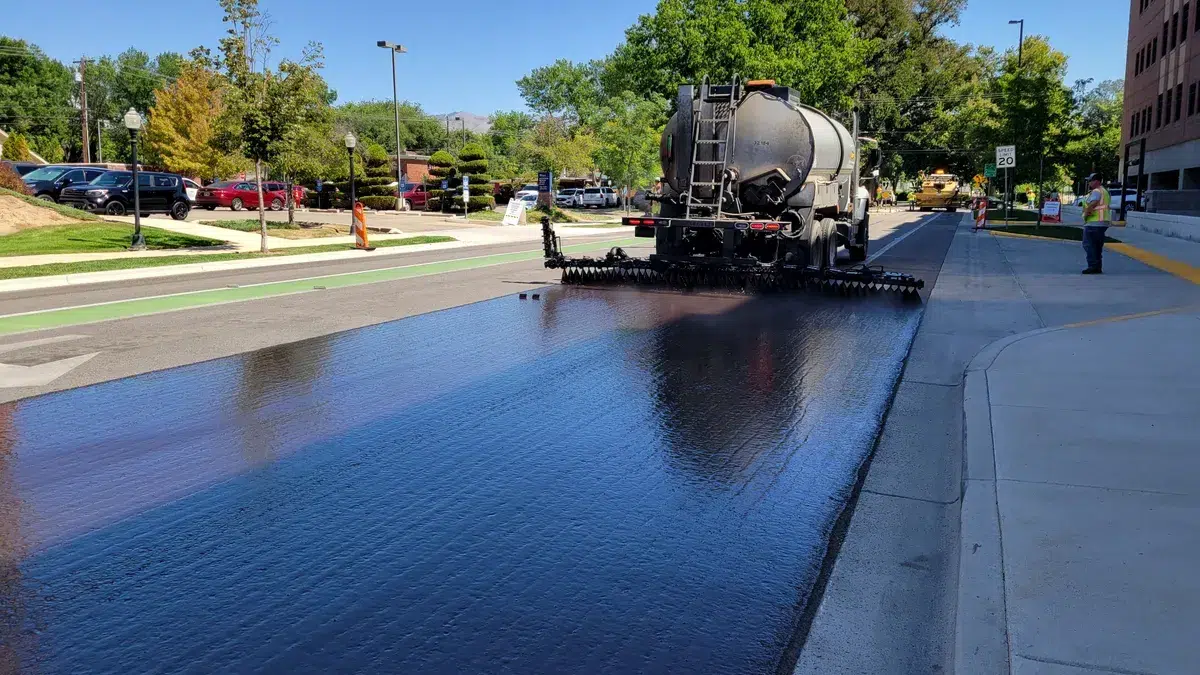
These are specialised epoxy primers or liquid moisture vapour suppressants. Workers apply them directly onto the top of the concrete slab. Advanced options exist, such as BANDě Flexible Waterproof Sealer. This environmentally friendly, water-based inorganic nanomaterial actively penetrates 3-5mm into cement substrates. It fills and seals pores within the internal structure. It tightly encapsulates concrete ions to form a dense, tempered glass-like structure. It also creates a flexible, impermeable, and waterproof layer on the surface. This dual-action provides permanent moisture-proof, waterproof, and impermeable properties. This effectively controls moisture vapour within the slab. These surface moisture vapour barriers are crucial for effective moisture control.
Existing Slab Application
Applicators use surface-applied moisture vapour barriers for existing concrete slabs. They apply these directly to the prepared surface. This method is ideal for renovation projects. It provides effective moisture mitigation without extensive demolition. This approach addresses existing moisture issues efficiently. This helps control overall moisture levels.
Advantages for Renovations
Surface-applied barriers offer many benefits for renovation projects. They form an impermeable layer on the concrete surface. This waterproof seal effectively retains water within the slab. It prevents moisture vapour from migrating to the edges. This protects floor coverings or walls from moisture damage. This method eliminates the expensive, messy, and lengthy process of excavating old concrete screed. It offers significant cost and time efficiency. Applicators can apply these barriers directly onto damp surfaces. This accelerates project timelines. Some products also provide a high-gloss, decorative finish in multiple colour options. This makes them ideal for commercial and industrial spaces. This type of concrete moisture barrier for resin flooring ensures long-term performance. It provides excellent moisture mitigation.
Limitations & Considerations
Surface-applied moisture vapour barriers are not always suitable. They require specific alternative treatments in certain situations. For example, they are not suitable for screeds containing calcium sulphate, anhydrite, or alpha-hemihydrate. Sealing these materials traps excess moisture inside. This causes the screed to break down and disintegrate. Floor slabs lacking an underlying damp-proof membrane also pose a challenge. Slabs exposed to rising groundwater or continuous sub-floor moisture vapour cannot rely on standard surface barriers alone. These situations demand specialised remediation to manage the moisture vapour effectively.
Concrete Prep for Barriers
Under-Slab Prep Essentials
Proper preparation is vital for under-slab barriers. Workers must ensure the sub-base is stable and free from sharp objects. They compact the ground or aggregate base thoroughly. This prevents punctures to the barrier material. Installers carefully lay the sheet membranes. They overlap and seal all seams according to manufacturer specifications. This creates a continuous, impermeable layer. This meticulous work prevents moisture vapour from rising into the concrete slab.
Surface Barrier Prep Crucial Steps
Applying surface moisture vapour barriers requires careful preparation. First, identify and address the origin of moisture. This includes ground moisture, humidity, or plumbing leaks. Fix any active water leaks before applying the barrier. Evaluate concrete moisture levels next. Perform slab condition testing to assess moisture content. This helps select the appropriate mitigation approach. Finally, decontaminate the surface. Thoroughly clean the floor to eliminate loose debris, dust, dirt, and oils. This guarantees proper membrane adhesion. Industry standards recommend a surface profile of ICRI CSP 2 to CSP 3. Achieved methods include bead-blasting, scarifying, or diamond grinding using 40-grit metal-bond pads.
Importance of Moisture Testing
Moisture testing is paramount before any barrier application. It ensures effective moisture control. Various moisture testing methods exist. In-situ RH testing uses probes or wireless sensors. This method offers precise internal readings. Anhydrous Calcium Chloride (CaCl) tests surface moisture. However, it does not evaluate deep internal slab moisture levels. The plastic sheet method also assesses surface moisture. It provides limited indication of overall slab condition. Handheld moisture metres offer quick, non-destructive checks. They evaluate the surface region without measuring deep internal RH. For accurate internal readings, drill small holes into the concrete subfloor. Insert testing sleeves and seal them for 72 hours. Then, insert a specialised relative humidity probe. This measures the stabilised relative humidity. This step is critical for managing moisture.
Choosing Your Moisture Barrier
New Construction Scenarios
For new construction projects, project managers typically choose under-slab barriers. These barriers prevent ground moisture and moisture vapour from entering the concrete slab from below. Installing a vapour barrier at this stage is a proactive measure. It establishes a robust defence against future moisture issues. This approach ensures the long-term performance of the resin flooring. It also protects the entire building structure from moisture damage. This initial investment in a high-quality under-slab system provides comprehensive moisture mitigation from the outset.
Existing Slab Scenarios
When dealing with existing concrete slabs, surface-applied moisture vapour barriers become the preferred choice. These barriers offer effective moisture mitigation without requiring extensive demolition. Several factors influence the selection of the correct surface-applied barrier.
Key Influencing Factor | Description & Impact on Selection |
|---|---|
Moisture Source & Amount | Identifying whether moisture stems from vapour, leaks, humidity, or ground moisture. Liquid leaks must be fixed prior to applying vapour barriers. |
Floor Age, Needs & Condition | Evaluates existing state (e.g., presence of old coatings, minor cracks) and allows installation without requiring full slab demolition. |
Surface Preparation & Cleanliness | Requires removal of debris, oils, and loose particles to guarantee proper barrier adhesion. |
Compatibility with Finished Flooring | The barrier system must match the intended top floor layer (tiles, coatings, decorative finishes) to ensure long-term performance. |
These considerations guide professionals in selecting the most appropriate concrete moisture barrier for resin flooring. They ensure successful moisture mitigation solutions for renovation projects.
Cost Implications
The cost implications for under-slab and surface-applied barriers differ significantly. Under-slab barriers generally incur lower material costs. However, their installation is tied to the initial construction phase. Any retrofitting requires substantial demolition, which increases expenses dramatically. Surface-applied moisture vapour barriers often have higher material costs per square metre. Yet, they offer considerable savings in labour and time for existing structures. They avoid the need for costly and disruptive slab removal. Project managers must weigh these initial outlays against potential long-term savings from effective moisture mitigation.
Longevity & Durability
Both types of barriers aim for long-term durability. Under-slab barriers, when correctly installed, offer permanent protection against ground moisture vapour. They become an integral part of the building’s foundation. Liquid or epoxy damp-proof membranes (DPM) typically offer a functional durability lasting between 10 and 20 years when correctly applied. Data regarding the precise lifespan of alternative under-slab barrier types (e.g., standard polyethylene or bituminous membranes) is not specified. Surface-applied moisture vapour barriers, particularly advanced formulations, also provide excellent longevity. They form a robust, impermeable layer that resists moisture ingress for many years. The lifespan of any barrier depends heavily on proper surface preparation and application techniques.
Application & Time
The application process and timeframes vary considerably. Under-slab barriers require installation during the initial construction phase. This integrates them into the concrete pouring schedule. Once the concrete is poured, no further access is possible. Surface-applied barriers offer greater flexibility. Applicators can apply them to existing slabs after all necessary surface preparation. This process typically takes a few days, depending on the size of the area and the specific product. The rapid application of surface barriers minimises downtime for renovation projects. This allows for quicker progression to the resin flooring installation. This efficiency makes them a practical choice for projects with tight deadlines.
Resin Flooring System Compatibility
Barrier Type & Resin Adhesion
The chosen moisture barrier significantly impacts resin adhesion. Different barrier types present unique surface characteristics. Resin flooring systems require a clean, dry, and well-prepared substrate for optimal bonding. Under-slab barriers prevent moisture from entering the slab. This creates a drier environment for resin application. Surface-applied barriers, such as epoxy primers, provide a direct bonding surface for the resin. They form a robust layer. This layer prevents moisture vapour transmission. Compatibility between the barrier and the resin system is crucial. Manufacturers often specify compatible primers and topcoats. Adhering to these recommendations ensures strong, lasting adhesion. Incompatible materials can lead to delamination and premature failure of the resin floor.
Effective Moisture Mitigation
Achieving effective moisture mitigation requires a comprehensive approach. Long-term durability comes from applying advanced techniques and barriers directly to damp concrete slabs before resin installation. This approach, combined with high-tech mechanical surface preparation like grinding and shot blasting, guarantees optimal surface bonding. It also prevents long-term moisture failure.
To ensure long-term moisture mitigation effectiveness when combining a barrier with a resin flooring system, professionals follow several key strategies:
They conduct comprehensive substrate moisture testing and site evaluations before application.
They execute mechanical surface preparation using methods such as shot blasting or diamond grinding.
They apply appropriate damp-proof concrete moisture barrier for resin flooring alongside compatible primers.
They ensure full system design compatibility between the resin flooring and the underlying substrate.
These steps collectively create a resilient flooring system. They protect against the damaging effects of moisture vapour. This proactive strategy ensures the longevity and performance of the resin floor.
The optimal choice between under-slab and surface-applied moisture barriers is project-specific. Under-slab barriers excel in new builds, while surface-applied options suit existing floors. Always conduct thorough moisture testing and consult flooring professionals. Proper moisture control is paramount for resin flooring longevity and performance. Effective moisture mitigation prevents costly moisture issues. This ensures durable results.
FAQ
Can surface-applied barriers be used on new concrete?
No, surface-applied barriers are primarily for existing concrete slabs. New construction projects benefit most from under-slab systems.
What happens if a moisture barrier is not used?
Without a barrier, moisture can damage resin flooring. This causes peeling, bubbling, and poor adhesion. It compromises the floor’s durability.
How do professionals choose the right moisture barrier?
Professionals consider if the project is new construction or an existing slab. They always conduct thorough moisture testing. Consulting with flooring professionals helps select the correct vapour barrier.
See Also
Selecting Top Wall And Floor Damp Proofing For 2025 Projects
Comparing The Ultimate Moisture Barriers For Walls And Flooring Solutions
How To Apply Waterproof Coatings Perfectly On Every Single Surface
A Complete Homeowner Guide To Domestic Wall And Floor Tanking
Film Forming Or Penetrating Concrete Sealers For The Australian Climate
