


Industrial concrete cracks present a common challenge for facility managers. You face an immediate dilemma: should you attempt DIY industrial concrete crack repair or engage a professional? Making an informed decision is crucial. It balances immediate costs with long-term structural integrity and safety. This discussion will explore both approaches to concrete repair.
Key Takeaways
DIY repairs save money initially, but cheap materials often fail quickly on industrial concrete floors.
Professional contractors use advanced materials to restore structural strength and ensure long-term facility safety.
Facility managers should hire experts for cracks wider than 0.3mm or any major structural damage.
DIY Industrial Concrete Crack Repair: Pros and Cons
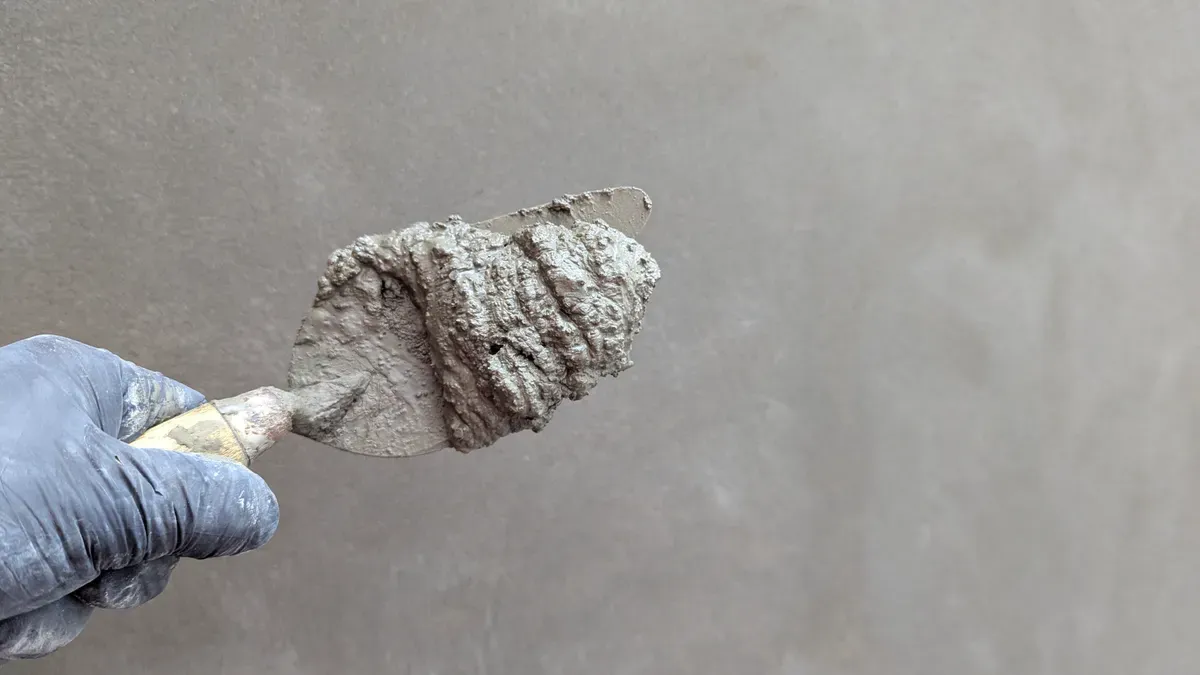
You face a common dilemma when addressing industrial concrete cracks. You might consider tackling the problem yourself. This approach, known as DIY industrial concrete crack repair, presents both advantages and disadvantages. Understanding these pros and cons helps you make an informed decision for your facility.
Upfront Savings and Control
Opting for DIY concrete repair often appears attractive due to significant upfront savings. You avoid professional labour costs. You also purchase materials directly, often choosing more affordable consumer-grade kits. This gives you direct control over your budget and the repair schedule. You can start the repair work immediately, fitting it around your operational needs. This immediate action can feel empowering, especially when dealing with minor cracks. You manage the entire process, from material selection to application, which appeals to many facility managers working with a tight budget.
Material Limitations and Repair Failures
While DIY offers initial savings, you must consider the limitations of consumer-grade materials. These products are generally less durable than professional-grade solutions. They often lack the strength and chemical resistance required for demanding industrial environments. Consequently, your DIY repair might fail after a short time. This leads to recurring cracks and further damage to your concrete surfaces. You then face the same problem again, needing another repair. This cycle of repeated fixes can quickly erode any initial savings. The original cracks might even worsen, requiring more extensive intervention later.
Safety Concerns and Hidden Costs
DIY concrete repair also introduces potential safety concerns. You might lack the specialised equipment or training to handle industrial-grade materials safely. Improper application can lead to ineffective repairs, creating trip hazards or compromising the structural integrity of your concrete. Furthermore, initial DIY savings are often offset by hidden long-term costs. Repeated repair attempts consume valuable time and resources. You might also incur costs from improper installation, leading to more significant damage or even operational downtime. Ultimately, a failed DIY attempt can necessitate professional intervention anyway, costing you more than if you had hired experts from the start.
Professional Concrete Repair: Benefits and Investment
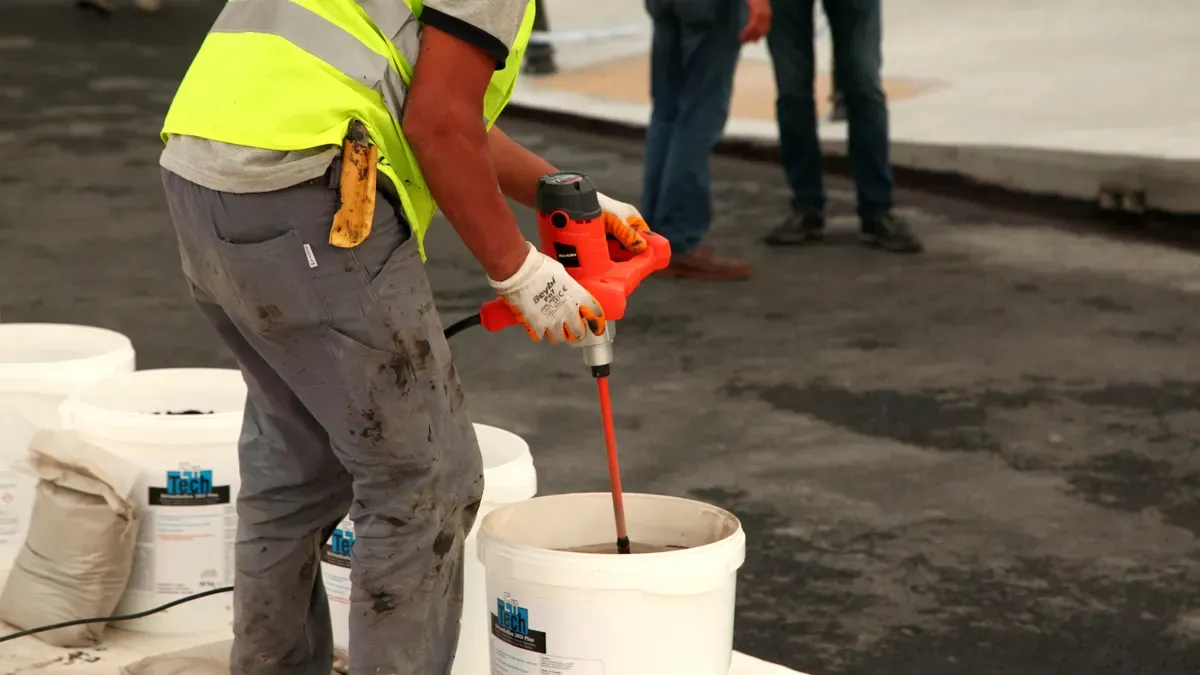
You might find that professional concrete repair carries a higher initial price tag. However, you gain superior reliability, longevity, and overall structural stability. Investing in professional services delivers long-lasting results. This approach ensures your concrete surfaces remain safe and functional for years.
Expert Knowledge and Specialised Equipment
Professional concrete contractors bring extensive knowledge and specialised equipment to every job. They understand the complexities of various concrete types and crack formations. Many professional craftworkers hold specific certifications. For example, the American Concrete Institute (ACI) offers certifications like Field Testing Technician – Grade I and Concrete Repair Technician. These validate their expertise in diagnostic evaluation and surface preparation. The International Concrete Repair Institute (ICRI) also provides credentials such as Concrete Repair Technician (CRT), which focuses on fault diagnosis and root-cause analysis.
You can also find professionals with the Concrete Repair Certificate (CRC). The International Masonry Institute (IMI) and ICRI jointly developed this programme. It verifies technicians possess the technical mastery for structural concrete repairs. They also ensure the repair blends seamlessly with the existing concrete structure. Furthermore, professionals often achieve various levels of NICET certification. For instance, NICET Level III requires over five years of experience, focusing on advanced testing and supervisory roles. This level of expertise ensures your repair is handled correctly from the start.
Enhanced Safety and Compliance Standards
Professional concrete repair prioritises enhanced safety and compliance standards. Experts follow strict industry guidelines and regulations. This minimises risks to your facility and personnel during the repair process. They use appropriate safety gear and implement safe work practices. This prevents accidents and ensures a secure working environment. You avoid the safety concerns and potential liabilities associated with DIY attempts. Professionals also ensure all repairs meet relevant building codes and industry standards. This protects your investment and maintains the integrity of your industrial facility.
Long-Term Durability and Advanced Solutions
Professional repair offers long-term durability for your industrial concrete. Experts use advanced materials and techniques that consumer-grade products cannot match. They often employ flexible caulk-type fillers or self-levelling sealants for cracks subject to ongoing movement. These materials provide a robust and lasting solution.
Consider the BANDě Cement Crack Sealer (Self-Healing Type). This innovative product utilises a bionic self-healing method. It forms an intelligent, bionic self-healing neural network system within the cement-based product. This ensures long-term effectiveness. Professionals also use high-modulus epoxy resins to restore structural strength in static cracks. For fluid leak sealing and moving crack remediation, they might apply polyurethane (PU) resins. These come in dynamic, flexible, hydrophilic, and hydrophobic variants. Acrylic resins are also used for precision injection and sealing. These advanced solutions ensure the repair withstands the rigours of an industrial environment. Professional industrial floor restoration providers, such as Central Flooring Services, commonly feature a 12-month defect warranty. This covers their repair operations. This warranty gives you peace of mind, knowing your investment in professional concrete repair is protected. You achieve long-lasting results and prevent future damage.
Cost Analysis: DIY vs Professional Concrete Crack Repair
Comparing Initial Outlay and Long-Term Value
You consider the initial outlay for any concrete repair. DIY concrete repair often seems cheaper at first. You purchase materials and kits, saving on labour. However, you must weigh this against long-term value. Professional concrete repair involves a higher upfront cost. This investment brings superior durability and longevity. You avoid repeated fixes and maintain structural integrity. Your budget benefits from a single, effective solution. This approach ensures your concrete surfaces remain sound for years.
The Real Cost of Failed DIY Attempts
You might attempt a DIY approach to save money. However, failed DIY attempts carry significant hidden costs. Poor material quality or incorrect application leads to quick failure. You then face further damage to the surface. This requires more extensive work on the surface. You spend more money and time on repeated efforts. These hidden expenses often exceed the initial savings. You also risk operational disruptions and safety hazards. Consider these cost considerations carefully. A failed diy concrete repair can quickly become more expensive than a professional job.
Return on Investment for Expert Services
Investing in professional services offers a clear return. You gain access to expert knowledge and advanced solutions. Professionals ensure a durable, long-lasting fix. This prevents future problems and costly re-fixes. You protect your facility’s structural integrity. This investment safeguards your assets and operations. You also minimise downtime and maintain safety standards. A professional solution provides peace of mind. It proves more cost-effective in the long run. You secure the longevity of your industrial concrete.
Choosing Your Concrete Repair Approach
You must carefully consider your approach to industrial concrete crack repair. This decision impacts your facility’s safety and longevity. Evaluate the specific characteristics of the damage.
Assessing Concrete Crack Types and Severity
You begin by assessing the type and severity of the cracks. Not all cracks are equal. Different crack types indicate different underlying issues.
Crack Type | Structural Morphology & Location | Mechanism / Severity Indicator |
|---|---|---|
Flexural Cracking | Vertical fissures starting at the bottom edge tapering upward in tension zones. | Caused by bending stresses in load-bearing members like beams. |
Diagonal Shear Cracking | 45-degree diagonal fissures near structural supports. | Critical indicator of shear capacity exhaustion; poses brittle failure risks. |
Compression Splitting | Vertical splitting or crushing in columns. | Indicates axial loads have exceeded the material’s compressive capacity. |
You also encounter shrinkage cracks. These form due to concrete volume changes. Dynamic cracks move continuously. British Standard BS 8110 classifies cracks exceeding 0.3mm as significant structural distress. This threshold helps you identify serious structural issues.
Crack Category | Subtype / Classification | Formation Timing & Characteristics | Physical Attributes & Causes |
|---|---|---|---|
Shrinkage Cracks | Plastic Shrinkage | Occurs in fresh concrete within 24–72 hours of placement during initial curing. | Random, roughly parallel lines wider at the surface; caused by rapid water evaporation. |
Shrinkage Cracks | Drying Shrinkage | Develops weeks or months after concrete hardens. | Uniformly distributed, range from hairline to wide; caused by volume loss over time (common near edges/corners). |
Dynamic / Load Cracks | Dynamic Cracks | Form post-construction; subject to continuous multi-plane movement. | Driven by dynamic loads, dead loads, thermal movement, and rotation. |
When to Opt for Professional Intervention
You should opt for professional intervention when cracks indicate significant damage or structural compromise. DIY methods suit only minor surface flaws. For anything beyond hairline cracks, professional concrete repair offers superior solutions.
Crack Severity / Size | Recommended Material / Method | Performance Notes |
|---|---|---|
Under 6mm | Epoxy or Cement Patching Compound | Formulates a high-strength bond; simple application process |
6mm to 12mm | Latex-based Patch or Polyurethane Sealant | Provides flexibility to accommodate active structural movement |
12mm to 25mm | Mortar | Designed for deeper openings; may require incremental layering |
Significant Structural Cracks | Routing & Sealing or Epoxy Injection | Restores structural support and dynamic tolerance |
Professionals use advanced techniques for severe damage. This includes crack injection or concrete resurfacing. They can even perform reinforcement for load-bearing elements.
Severity / Damage Type | Recommended Repair Technique | Operational Purpose |
|---|---|---|
Narrow Cracks (< 1/4 inch / 6mm) | Crack Injection (Epoxy / Resin / Polyurethane) | Sealing against moisture ingress and reinstating structural bond |
Severe Structural Damage | Reinforcement / Strengthening | Integrating rebar or fiber-reinforced polymers (FRP) on load-bearing elements |
Beyond Repair / Total Compromise | Concrete Replacement | Full removal of degraded sections and pouring new concrete |
Regulatory and Insurance Considerations
You must also consider regulatory and insurance implications. Professional repair ensures compliance with building codes. This protects your facility from potential liabilities. Insurance providers often require professional assessments and repairs for significant damage claims. Choosing a professional safeguards your investment and ensures adherence to industry standards.
You must carefully evaluate your industrial concrete crack repair needs. Consider the crack’s nature, resources, and safety. DIY offers immediate savings for minor issues. However, professional intervention provides more cost-effective and safer results over time for significant damage. This ensures the longevity of your concrete. Prioritise structural integrity and safety.
FAQ
What types of cracks can you fix with DIY methods?
You can fix minor hairline cracks on non-structural concrete surfaces yourself. Use a simple patching compound for these small issues.
When should you always call a professional for concrete repair?
You should always call a professional for structural cracks, wide fissures, or any damage that affects safety. They assess the problem correctly.
Does professional concrete repair cost more than DIY?
Professional concrete repair has a higher initial cost. However, it offers long-term value and prevents future damage, saving you money over time.
See Also
Comparing Epoxy And Latex Solutions For Durable Concrete Repair Projects
An Easy Step By Step Guide To Fixing Concrete Cracks
The Complete Expert Manual For Perfect Concrete Patching And Restoration
How To Choose The Ideal Epoxy Patch For Concrete Surfaces
Ultimate Mastery Guide For Applying Cement Crack Sealer That Lasts
