

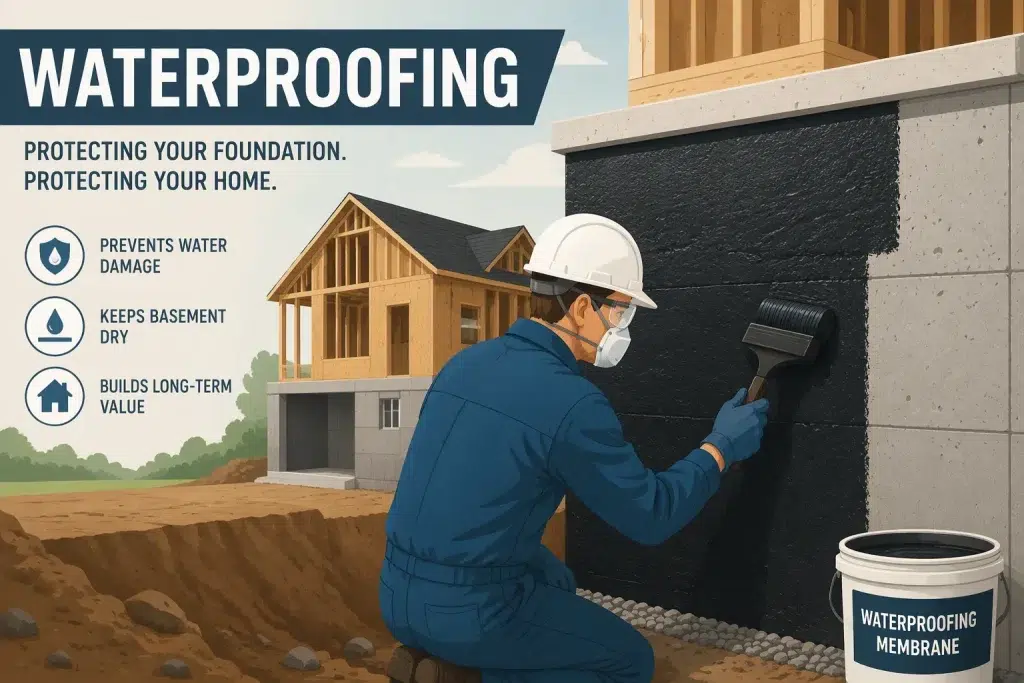
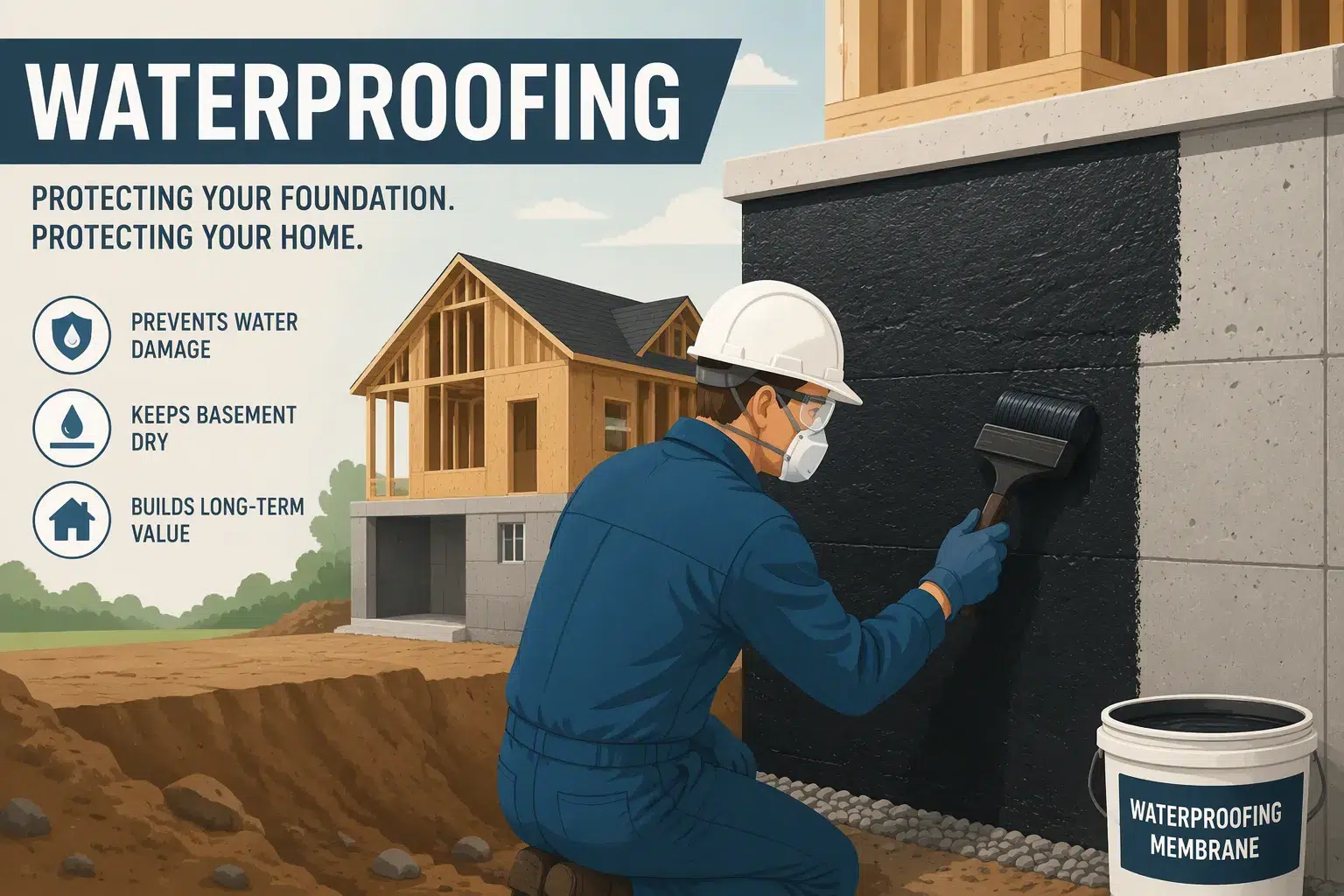
A waterproof coating for foundations acts like a raincoat for your home’s walls below ground. It keeps basements and crawl spaces dry, stopping structural damage and mold. About 60 percent of U.S. homes have wetness below ground. Unlike damp-proofing, which only blocks vapor, waterproofing fights liquid water and hydrostatic pressure. This guide explains how this coating works, how to apply it, and why it’s a smart buy.
Attribute | Damp Proofing | Waterproofing |
|---|---|---|
Vapor, capillary action | Liquid water, hydrostatic pressure | |
Pressure resistance | Low | High |
Lifespan | 5–20 years | 15–50 years |
Key Takeaways
Waterproof coating stops liquid water and pressure, but damp-proofing does not.
Getting the surface ready and fixing cracks the right way are key to making it work.
Waterproofing stops expensive damage, raises home value, and lasts for many years.
How Waterproof Coating for Foundations Works
A waterproof coating for foundations acts as the first shield in a full waterproofing setup. You put it right on foundation walls to block water before it gets to your basement or crawl space. This coating is part of a bigger plan, not a quick fix by itself. It moves water away from the building, guards the main waterproofing layer, and stops hydrostatic pressure from pushing against your walls.
Coating Types and Purpose
You have different coating choices, each with its own strengths. Bitumen-based coatings have a long history of toughness, especially for heavy-duty jobs. They bend a little, but they may lose that flexibility over time in extreme temperature swings. Waterproof mortars form a hard, cement-based shield that bonds chemically to concrete. Liquid Rubber Foundation Sealant offers the most flexibility, stretching and shrinking with building movement without cracking. That makes it perfect for foundations that shift or settle.
The 2021 International Residential Code (IRC) makes a key difference between damp proofing and waterproofing. The code demands waterproofing when hydrostatic pressure is present, while damp proofing works when it is not. This matters because waterproofing coatings create a sealed, water-tight layer against liquid water under pressure. Damp proofing only blocks capillary moisture.
Blocking Water and Vapor
Water hits your foundation in three main ways. Hydrostatic pressure happens when wet soil pushes water against your walls. Lateral pressure creates sideways force that leads to cracking and bowing. Capillary action pulls moisture up through porous concrete like a sponge. A good coating handles all three.
Water Intrusion Mechanism | How Coatings Prevent It |
|---|---|
Hydrostatic pressure (saturated soil pressure against walls/floor) | Exterior membranes stop water at the wall surface, preventing pressure from forcing water through cracks and joints. |
Lateral pressure (sideways force causing cracks/bowing) | Exterior membranes and drainage boards reduce soil contact and channel water away, minimizing pressure-induced structural damage. |
Capillary action (wicking through porous concrete) | Interior sealants and cementitious coatings fill concrete pores, reducing vapor transmission and dampness. |
Cementitious coatings are great at blocking vapor. They bond chemically, fill surface pores, and create a solid barrier. These coatings resist both positive pressure, where water pushes against the coated face, and negative pressure, where water pushes from behind.
Positive-side waterproofing stops water at the source before it reaches the wall structure. Experts agree this exterior application delivers the most effective protection. Negative-side waterproofing, applied to the interior, manages water that has already penetrated. It works as an emergency solution when exterior access is impossible.
For new construction, you want positive-side application. For existing foundations where digging out the exterior proves impractical, negative-side coatings offer a viable alternative. Understanding these mechanisms helps you choose the right waterproof coating for foundations and ensures your basement stays dry for decades.
Applying Waterproof Coating for Foundations
Application Steps and Prep
Getting the surface ready right is key to make sure your waterproof coating for foundations works well or fails fast. Start with a clean and dry surface. Take off all loose paint, tar, dirt, oil, and grease. Do not use soap or detergent. For new concrete, allow it to cure fully before you put on any coating.
Fix cracks before you coat them. A thin paint layer over a crack will break fast under water pressure. For cracks that are not structural, use polyurethane foam. For structural cracks, use epoxy injection. If your wall is still shifting, add carbon fiber reinforcement. Coatings by themselves cannot stop water from coming through cracks that are not fixed.
Parameter | |
|---|---|
Ambient temperature | Follow manufacturer’s recommended range |
Substrate temperature | Above freezing point |
Substrate vs. dew point | Above dew point by a safe margin |
Relative humidity | Below manufacturer’s maximum |
After you clean and fix cracks, put on a primer that matches your surface. Unfinished masonry that is damp needs a bonding primer. Dry concrete works with a standard masonry primer. Polystyrene surfaces need a special water-based primer. Then put on the coating with a brush, roller, or spray. You need at least two coats. Wait until it is dry to the touch before applying the next coat, following the manufacturer’s instructions. Allow sufficient curing time before backfilling and protect fresh surfaces from rain.
Most waterproofing failures happen because of common mistakes. Bad surface preparation makes the coating peel off. Wrong mixing ratios make the membrane weaker. Not fixing cracks and corners lets water get in at weak spots. Putting the coating on too thin gives poor protection. Always follow the maker’s instructions for how thick to apply and how to cure.
Key Benefits and Myths
A good waterproofing system stops structural damage and mold from growing. Without waterproofing, moisture gets into walls and floors, causing cracks and making the foundation weaker. Damp basements also give mold and mildew a perfect place to grow, which can cause allergies and breathing problems. A dry basement removes these health risks and gives you peace of mind.
Aspect | Without Waterproofing | With Waterproofing |
|---|---|---|
Mold | Growth | Prevention |
Structure | Damage | Integrity |
Health | Risks | Safety |
Costs | High repair costs | Cost savings |
Professional application costs vary based on the type of coating and complexity of the job. This cost removes a big issue when you sell your home. Buyers often worry about moisture, so having proof of a waterproofing system helps you in talks.
Know a few myths about waterproofing. First, waterproofing is not the same as damp-proofing. Damp-proofing stops moisture from wicking up but cannot fight water pressure. Waterproofing makes a thick, flexible barrier that can handle standing water. Second, a waterproof coating for foundations is not a fix for big structural cracks. You have to fix the crack first. Third, a pro’s opinion matters. A contractor checks your drainage, soil, and foundation type to suggest the right system. Not every coating works for every foundation, so expert advice helps you pick right.
Foundation waterproofing coating delivers a reliable barrier against water, hydrostatic pressure, and vapor. Proper surface preparation determines success. The benefits—a dry basement, higher home value, and structural protection—outweigh the costs.
Maintenance costs drop significantly
Property resale value increases
Insurance premiums may decrease
Climate-related damage becomes preventable
One homeowner delayed action on minor stains. A small repair became a major project, costing far more than proactive waterproofing.
Not every coating suits every foundation. Consult a qualified contractor with proper licensing, local experience, and clear warranties. Request a free inspection and ask about their recommended system. Protect your home today.
FAQ
Can I apply waterproof coating yourself?
You can put on some coatings on your own. Liquid rubber and cement-based types work for DIY jobs. But getting the surface ready is the most important step. Mistakes cause the coating to fail. For the best results, get a pro to do it.
How long does foundation waterproofing last?
Good waterproofing can last 15 to 50 years. How long it lasts depends on the type of coating, the soil around your home, and how well it was put on. Waterproofing systems, such as liquid rubber or membrane systems, last the longest. Check your foundation from time to time to spot issues early.
Does waterproofing work on existing foundations?
Yes, you can waterproof a foundation that is already built. Coatings put on the inside wall stop water that has already gotten in. To put coating on the outside, you need to dig up the soil. A contractor will look at your home and tell you the best way to do it.
See Also
Achieving Perfect Waterproof Coating on Every Surface
Complete Do-It-Yourself Guide to Basement Waterproofing
Definitive Handbook for Concrete Waterproofing Techniques
Top Flexible Waterproof Sealers for Residential Applications
Comprehensive Purchasing Guide for Concrete Densifiers and Sealers
