

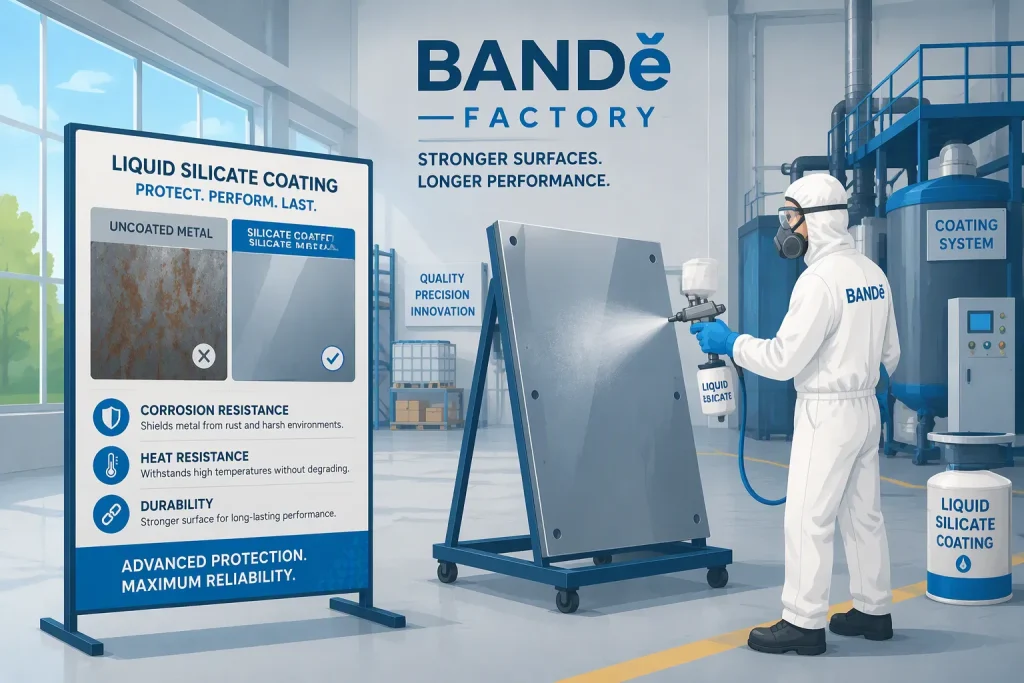
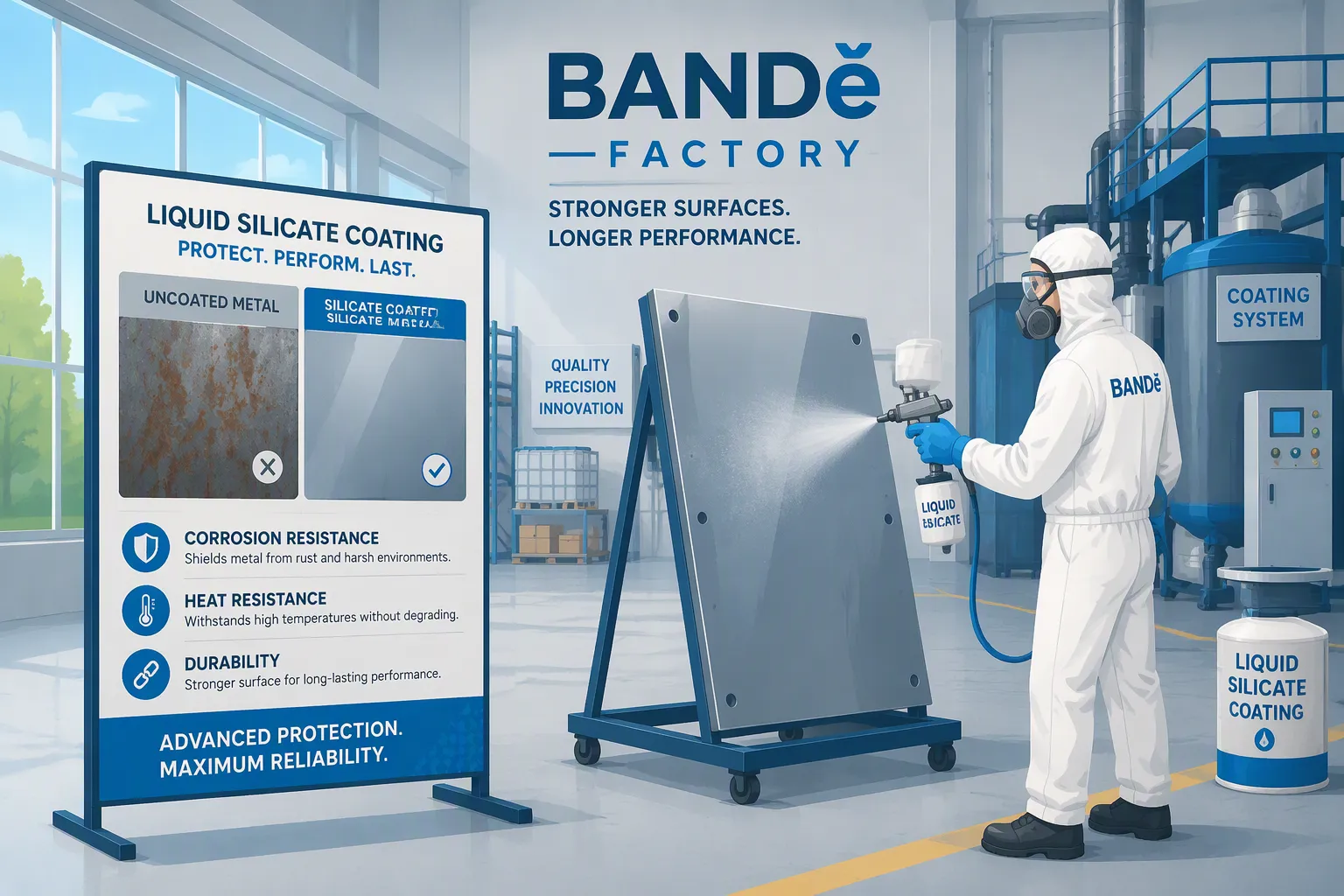
Are you tired of repainting your walls every few years? Silicate coatings offer a mineral-based solution. They work better than regular paints. The silicate coating market grows by 10.9% each year from 2026 to 2033. BANDě Factory makes top-quality silicate coatings. You can trust their skill for your facade. These coatings last longer and guard your walls naturally.
Key Takeaways
Silicate coatings form a chemical bond with surfaces, so they last longer and resist weather, acid rain, and wear.
They are safe for the environment, release no harmful chemicals, stop mold from growing, and make the air inside cleaner.
Use them on old or new buildings for protection that lets walls breathe and lasts a long time.
Key Advantages of the Silicate System
The silicate system works in ways that regular paints just can’t. It bonds chemically with mineral surfaces, forming a permanent layer instead of a film that peels off. This key difference is why silicate beats conventional options in every important way.
Durability and Chemical Resistance
Your facade constantly faces damage from sunlight, rain, and pollution. The silicate system handles these threats with great strength. Lab tests show that colloidal silica-based coatings last up to 40% longer than calcium carbonate fillers used in standard paints. You also wait 20-30% longer between repainting jobs, which means fewer projects and lower costs over time.
Metric | Colloidal Silica (vs. Calcium Carbonate) |
|---|---|
Durability improvement | Up to 40% higher |
Repainting interval extension | 20-30% longer |
Material volume required | 15-20% less by volume |
Scratch resistance | Superior |
Weatherability | Improved |
UV protection | Enhanced |
Acid rain is a serious danger to building materials. Silicate glass weather-resistant material stands up even to extreme acidic conditions. Testing involves soaking in 5% sulfuric acid at pH 1 for 168 hours, which is much harsher than typical acid rain at pH 4.0. Mass loss stays below 0.5 wt%, and surface roughness increases less than 0.2 μm. The high SiO₂/M₂O ratio above 25:1 reduces acid-susceptible sites, giving you natural resistance across the pH 3-5 range. This weather resistant performance means your walls keep their look for decades.
Eco-Friendly and Mold Prevention
Mineral silicate paints avoid synthetic polymer binders and solvents, and do not generate plastic micro-particles when they weather. They form a chemical bond with masonry and stucco, offering UV resistance and protection against mold and fungal growth.
This mineral silicate system lets walls breathe very well. Water vapor moves freely through the coating, so walls dry naturally. The high alkalinity creates an environment where mold can’t grow, which stops mold spores from settling. You avoid the toxic solvents found in regular paints, like toluene and xylene, which cause headaches, nausea, and breathing problems. Studies show children exposed to high VOC levels face four times greater risk of getting asthma.
The silicate coating has strong credentials. DIN EN 13501 classifies all silicate paints as A2-s1,d0, meaning they don’t burn. White shades contain no preservatives at all. Products meeting TÜV Nord criteria suit allergy sufferers. The paint industry cut VOC content from 250 g/L to under 50 g/L, but silicate systems go further by removing petroleum-based solvents completely. You get natural facade protection that keeps both your family’s health and the environment safe.
Silicate Coating Applications
The silicate system works for many different building types. You can use it on old stone walls or new bathroom tile. Both settings get the same core benefits. The coating bonds with mineral surfaces instead of just sitting on top. This makes it a great choice for both saving old buildings and creating new ones.
Preserving Historic Buildings
Old masonry walls act differently than modern drywall. Brick, stone, and mortar soak up water and let it out by drying. This natural cycle keeps the structure healthy. You must keep this breathability when you protect historic surfaces.
Vapor permeability matters here. You measure it in perms. A perm tells you how easily moisture passes through a material. A vapor retarder with 1.0 perm or less blocks this drying process. Trapped moisture leads to freeze-thaw damage when temperatures drop. Water expands as it freezes, cracking the masonry from inside. Solar heating on absorptive cladding pushes moisture toward the interior. A low-perm barrier traps that water, causing long-term durability problems.
Silicate coatings solve this issue. They allow high vapor flow while still protecting the surface. The coating also bonds chemically with calcareous substrates. Potassium silicate reacts with calcium salts like CaOH₂ in the substrate. This reaction turns them into hard, insoluble calcium silicate hydrates. The bond forms inside the substrate itself, not just on the surface.
Chemical Bonding Mechanism | Adhesion Performance Evidence |
|---|---|
Potassium silicate reacts with calcium salts, forming chemical bonds inside the substrate | Tensile bond strength goes over 125 psi, with 100% cohesive failure in the substrate |
The reaction makes the substrate harder, showing deep chemical integration | Weather resistance holds for 1200 hours with no breakdown or adhesion loss |
This deep integration means the coating becomes part of the wall. You get natural facade protection that lasts for decades without trapping moisture.
Enhancing Modern Living Spaces
Modern homes face different challenges. Bathrooms and kitchens stay humid for long periods. Bedrooms need clean air for healthy sleep. The silicate system delivers on both needs.
Indoor air quality starts with what you put on your walls. Traditional paints release 200-300 g/L of VOCs into your living space. Low-VOC options drop to 50 g/L or less. Zero-VOC products stay under 5 g/L. Silicate coatings measure just 0-3 g/L, nearly undetectable.
Paint Category | VOC Content (g/L) | Health/Environmental Benefit |
|---|---|---|
Traditional Paint | 200-300 | High off-gassing, linked to headaches and breathing irritation |
Low-VOC Paint | 50 or less | Fewer emissions, safer for indoor air |
Zero-VOC Paint | Less than 5 | Very small air quality impact |
Natural/Clay Paint (incl. silicate) | 0-3 | Almost no emissions, stops mold because of breathability |
Potassium silicate mineral paint works well for interior walls because of its natural makeup and long life. Organic mineral paints usually have no VOCs and stay breathable. Unlike acrylic latex paints that seal walls, mineral paint lets air pass through, preventing trapped moisture and lowering mold risks.
The high alkalinity of silicate stops mold before it starts. You get protection in humid rooms without chemical additives. The coating also resists scratches and weathering, so you repaint less often. This saves money and reduces waste over time.
You gain a healthy living space with little upkeep. The silicate system gives you strength, breathability, and safety in one application. Whether you restore history or build new, this coating delivers lasting facade performance.
The silicate system delivers unmatched durability and environmental safety. This mineral silicate technology offers zero VOC emissions and non-flammable materials. Your facade resists UV rays, acid rain, and wear. BANDě Factory’s silicate coating provides complete protection with a long service life. The silicate chemically bonds to mineral surfaces. Explore their product range and experience the difference.
FAQ
How long does silicate coating last on my walls?
You can wait 20-30% longer between repainting jobs than with regular paints. The coating bonds chemically with mineral surfaces, forming a permanent layer that stands up to UV rays, acid rain, and daily wear.
Can I apply silicate coating over existing paint?
First, you must strip off old organic paints. Silicate needs direct contact with mineral surfaces like brick, stone, or lime plaster to create its chemical bond. Putting it over existing paint stops proper adhesion and cuts breathability.
Is silicate safe for bedrooms and bathrooms?
Yes. Silicate gives off almost no VOCs at 0-3 g/L, much lower than traditional paints. Its high alkalinity stops mold growth on its own. You get clean indoor air without chemical additives or preservatives.
See Also
How To Apply Concrete Sealer In Warehouses And Factories
Selecting The Top Flexible Waterproof Sealant: A BANDě Guide
The Ultimate 2025 Guide To BANDě Inorganic Mineral Plaster Powder
Exploring Pengeras Lantai And Its Benefits For Industrial Floors
A Complete Guide To BANDě Industrial Polished Concrete Floors
