

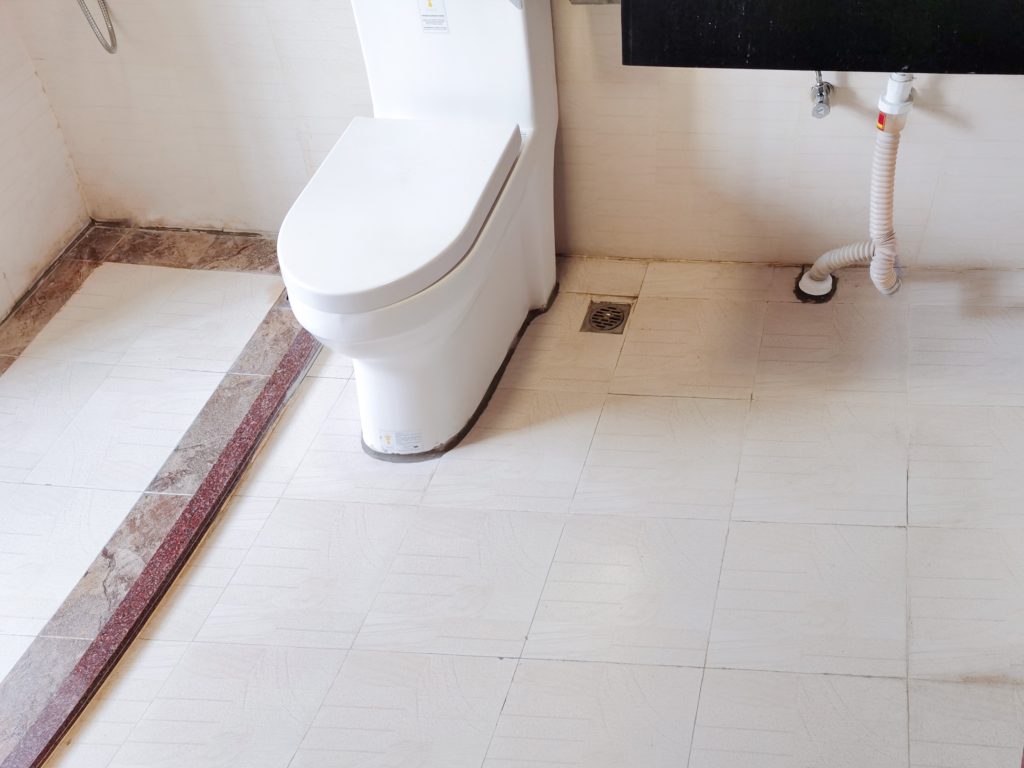
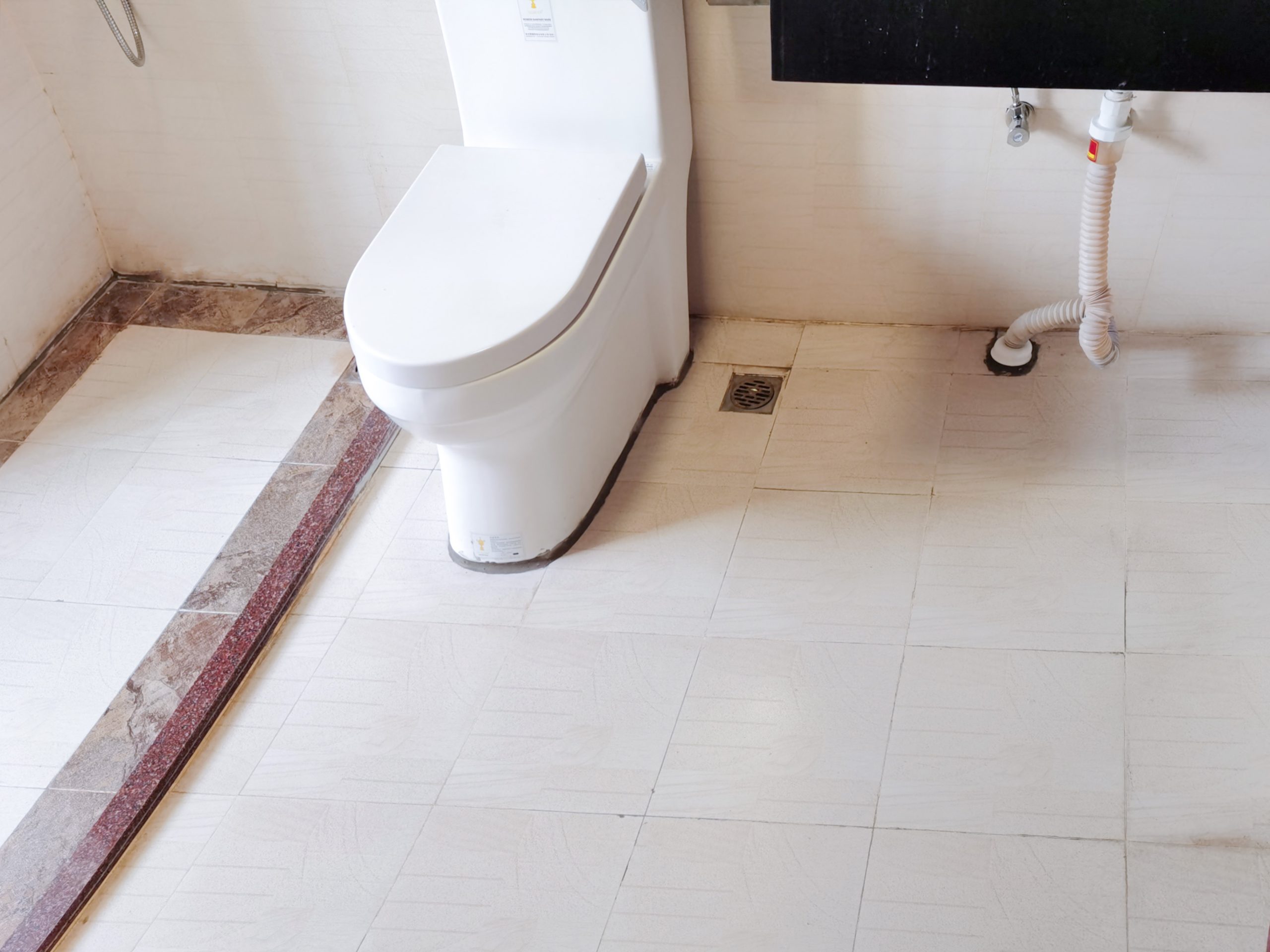
Water damage in bathrooms happens more often than you think, and knowing how to know if your bathroom has hidden water damage is crucial. It can lead to serious problems like breathing issues, skin rashes, and long-term health complications. Additionally, it can damage the structure of your home, weakening support beams and harming your home’s foundation. You might also face significant costs, as repair bills can range from $500 to $4,500. By learning how to know if your bathroom has hidden water damage, you can pay attention to the signs and avoid expensive repairs later.
Key Takeaways
Look for color changes on walls and ceilings. Yellow or brown spots usually mean leaks.
Check for damp smells. A strong odor can show mold, which is bad for health.
Watch your water bill carefully. A big jump may mean hidden plumbing leaks.
Check your bathroom often. Older homes should be checked every six months for water damage signs.
Act fast on visible mold or peeling paint. Quick action can stop serious health problems and expensive repairs.
How to Know If Your Bathroom Has Hidden Water Damage
Finding hidden water damage in your bathroom can help you avoid expensive repairs. Many homeowners miss signs until it is too late. Here are some important signs to look for:
Discoloration on Walls and Ceilings: Check for yellow, brown, or dark spots. These spots usually mean water is leaking.
Warped or Buckled Flooring: If your floor feels soft, bouncy, or uneven, moisture might have soaked into it.
Peeling Paint and Bubbling Wallpaper: These problems show that water is trapped behind the walls.
Watch for musty odors. A strong musty smell often means mold or mildew is growing. This can cause health problems if not fixed.
You should also keep an eye on your water bill. A sudden rise can mean there are hidden plumbing leaks. Many homeowners do not notice this sign, which can cause serious damage over time.
Check your bathroom often. For homes with new plumbing, check every two years. If your home is over 20 years old, check every six months. Homes older than 50 years should be checked twice a year.
Ignoring these signs can lead to big problems. Water damage is often a ‘silent threat.’ It can grow unnoticed behind walls and ceilings. You may only see signs after weeks or months of damage.
Visible Mold Growth
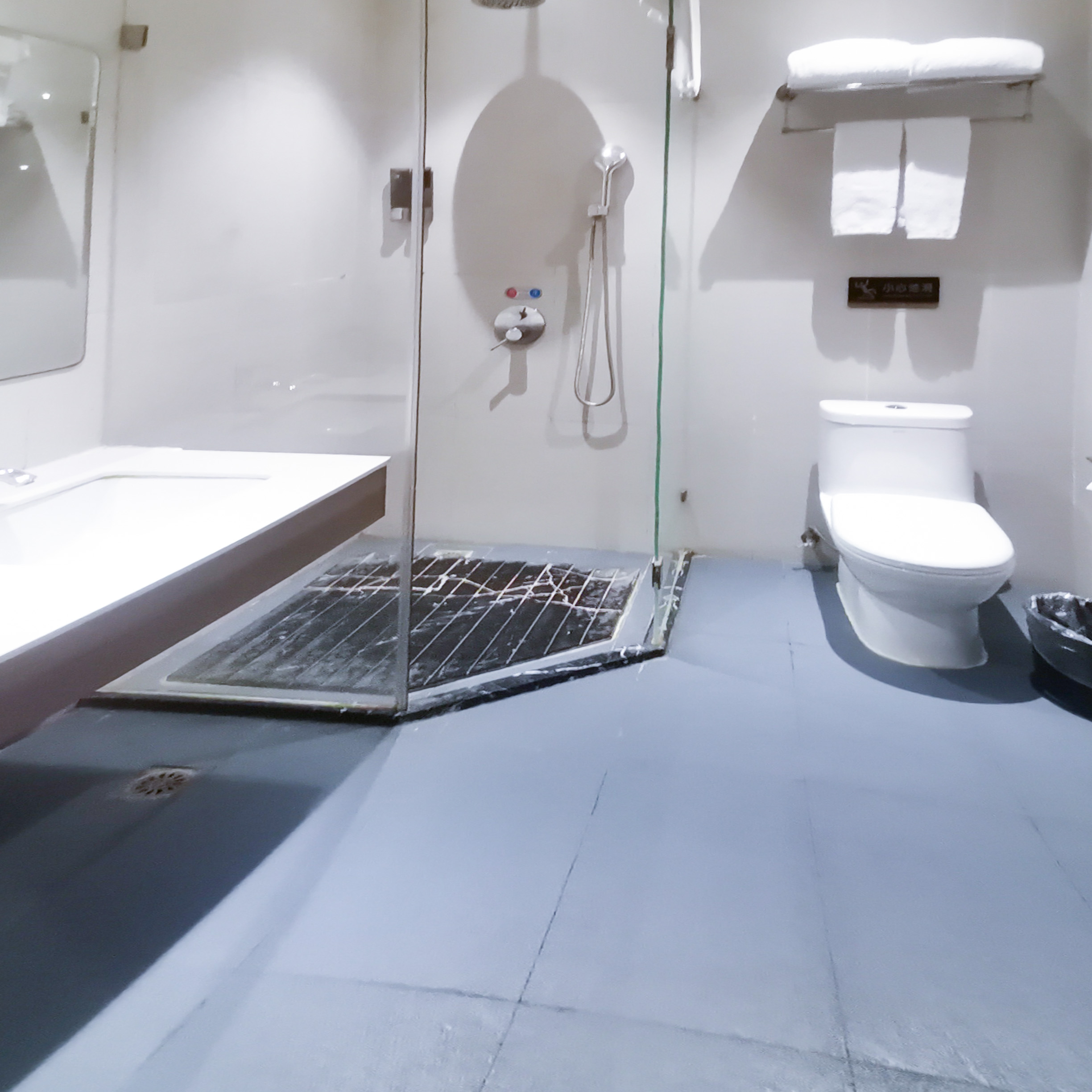
Seeing mold can mean there is serious water damage in your bathroom. Mold loves wet places, so bathrooms are perfect for it. You need to watch areas where water collects.
Common Areas for Mold
Mold usually shows up in certain spots, like:
Around sinks and faucets: Water splashes can help mold grow.
In shower corners: Heat and humidity make mold thrive.
Behind toilets: Leaks or moisture can cause mold here.
On walls and ceilings: Places with bad airflow are at risk.
You might find different types of mold in these areas. Common types include:
Stachybotrys: Dark green or brown, this mold can cause allergies and infections.
Cladosporium: Tiny black dots that may lead to asthma and allergy problems.
Aspergillus: Black with white and yellow spots, harmful for people with breathing issues.
Alternaria: Linked to mold infections and allergies in pets.
Ulocladium: Found on wet surfaces, can cause allergic reactions.
Aureobasidium: Grows on damp surfaces, can irritate allergies and asthma.
Chaetomium: Can be dangerous and lead to serious health problems.
Trichoderma: Often found in wet areas.
Health Risks of Mold
Not paying attention to visible mold can lead to serious health risks. Mold can cause breathing problems, skin rashes, and allergic reactions. You might have symptoms like coughing, sneezing, and itchy eyes.
Mold can start growing within 48-72 hours after water gets into the bathroom. Warmth and humidity speed up mold growth. If not cleaned up, visible mold can form within 3-12 days.
It is important to act quickly when you see mold. Fixing the problem early can help avoid health issues and more damage to your home.
Signs of a Hidden Water Leak
Finding a hidden water leak early can help you avoid big damage and high repair costs. Here are two common signs that show you might have a hidden water leak in your bathroom.
Soft or Spongy Walls
When you touch your bathroom walls, they should feel hard. If you find any soft or spongy spots, this means there is hidden water damage. Water can get into the walls and make them weak. You might also see paint peeling or bubbling in these spots. This damage usually happens because of broken pipes behind the walls. If you think there is a leak, check it out quickly.
Loose Tiles Near Showers
Another sign of a hidden water leak is loose tiles, especially near your shower. If tiles feel loose or you see cracks in the grout, water might be getting underneath. This can cause mold to grow and hurt your flooring. High water pressure or old seals and joints can make this happen. Look at the area around your shower often to find any problems early.
Tip: Check for signs of water leaks regularly. Finding them early can stop serious problems later.
By being careful and noticing these signs, you can fix hidden water leaks before they become big issues. Remember, ignoring these signs can cause serious water damage, which can harm both your health and your home.
Water Stains and Discoloration
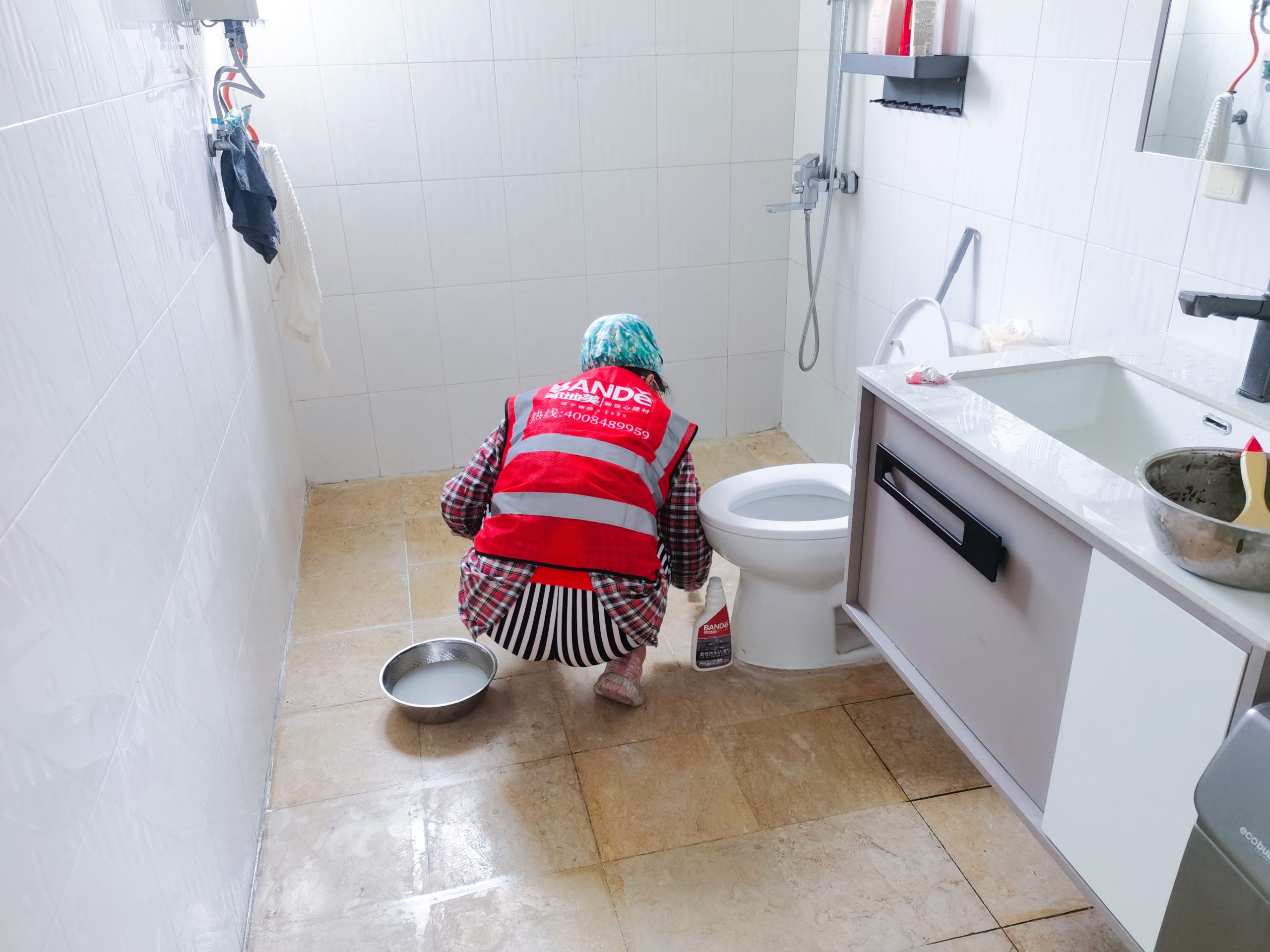
Water stains and discoloration on your bathroom surfaces can show hidden water damage. You need to pay close attention to these signs. They often mean there are leaks or condensation problems.
Identifying Stains on Ceilings
Look at your ceilings for visible water stains. These stains can look like yellow or brown spots. They usually form where moisture gathers. If you see these stains, check them out. They may mean water is leaking from pipes or the roof.
Tip: Watch for joint stains, as they are important signs of possible leaks. These stains often happen where materials meet, like around light fixtures or vents.
What Brown Spots Indicate
Brown spots on your bathroom walls or ceilings can mean serious issues. They often come from ongoing moisture. This moisture can cause structural damage and mold growth. Both of these problems can harm your health.
To tell the difference between water stains from leaks and those from condensation, look at this table:
Aspect | Likely Leak | Likely Condensation |
|---|---|---|
Source of moisture | Water leaking from pipes, roof, appliances, or outside runoff | Indoor humid air touching a cooler joint or surface |
Trigger events | Rainstorms, appliance cycles, toilet flushes, long showers | Steamy showers, cooking, seasonal humidity, temperature changes |
Typical joint locations | Below bathrooms, under roof openings, around plumbing fittings | On cold-water pipes, metal duct joints, window tops, outside corners |
Stain pattern | Rings, tracks, or growing blotches that may follow gravity | Diffuse hazy areas or repeated small spots on cold metal/pipe lines |
Primary risks | Structural damage, hidden mold, electrical dangers, contaminated water | Ongoing mold, high humidity, slow material decay |
By knowing these signs, you can act before small problems turn into costly repairs.
Peeling Paint and Bubbling
Peeling paint and bubbling on walls can show hidden water damage in your bathroom. These problems often come from moisture issues. When you see these signs, it’s important to check them out.
Causes of Paint Damage
Many things can cause paint damage in your bathroom:
Moisture from leaks or condensation: This is a big reason for bubbling paint on ceilings. You might notice water stains or discoloration on the ceiling, which means there are moisture problems.
Poor surface preparation: If you don’t clean or prime the surface well, it can cause bubbling. This includes missing cracks or not using primer before painting.
Low-quality paint: Using cheap paint can lead to bubbling. High humidity and leaks can let moisture seep into walls, causing bubbles.
When you see peeling paint or bubbling, take it seriously. These signs often mean that moisture is stuck under the surface, which can cause more damage.
Structural Integrity Concerns
Long-term water exposure can really hurt the structure of your bathroom. Here are some possible effects:
Effect | Description |
|---|---|
Deteriorating roof underlayment and decking | Can cause more water damage if the roof leaks during rain. |
Softened, warped, or bowed wood-frame components | Affects how well the structure holds weight and can cause uneven settling. |
Eroding concrete or brick foundation | Water can wear it down, creating defects and weakening the structure. |
Impaired wood siding | Signs include rotting, warping, and cracks. |
Water-logged insulation | Reduces how well the thermal envelope works. |
The longer moisture stays, the more complicated and costly the damage gets. Water moves and weakens materials, making it easier for mold to grow. Wood, drywall, and framing break down, leading to softening, rotting, or crumbling. Structural parts lose strength, causing sagging floors and unstable walls. Metal pieces can rust, making them weaker.
By fixing peeling paint and bubbling quickly, you can stop more damage and keep your bathroom safe and strong.
Musty Odors in the Bathroom
Musty odors in your bathroom can mean there is hidden water damage. These smells often show that mold is growing or that things are damp. You should pay attention to them. Finding where these musty or damp smells come from can help you fix the problems.
Sources of Musty Smells
Common sources of musty smells include:
Leaky Pipes: Water leaks from pipes can make things damp, which helps mold grow.
Poor Ventilation: Bathrooms without good airflow trap moisture, causing musty smells.
Wet Towels and Rugs: Leaving wet towels or rugs in the bathroom can add to bad smells.
Hidden Mold: Mold can grow behind walls or under floors, letting out musty smells into the air.
These odors can come from different types of mold. For example, Cladosporium can cause asthma and allergy problems. Penicillium can be harmful to people with weak immune systems. Stachybotrys, known as black mold, can cause breathing issues and headaches. Trichoderma can affect people with allergies, causing sneezing and coughing. Alternaria can lead to allergic reactions, while Ulocladium can cause breathing problems in sensitive people.
Importance of Addressing Odors
It is important to deal with musty odors quickly for your health and home. Ignoring these smells can lead to serious health risks. Being around musty odors for a long time can cause breathing problems, tiredness, and even depression.
Taking action can stop more damage to your bathroom. You should find out where the smells come from and fix any leaks or airflow problems. Cleaning and maintaining your bathroom regularly can also help keep it fresh and free from mold.
By being proactive, you can make sure your home is healthier for you and your family.
Increased Water Bills
A sudden rise in your water bills can mean there are hidden leaks in your bathroom. You should watch your water use closely to notice any strange changes. Here are some signs to look for:
A leak that you don’t see is a common reason for higher water bills.
A bigger bill without using more water is a clear sign of a leak.
A sudden jump in your utility costs should make you think about a possible leak.
If your bill goes up by 10–20 percent or more, check it out right away.
You might be shocked to find out that homeowners can see their water bills go up by 600% because of hidden leaks. For example, a toilet that runs can waste about 200 gallons each day. This can add about $27 more to your monthly bill, or $324 each year. If a broken flapper valve in your toilet causes the leak, it can waste the same amount, leading to a monthly increase of over $100 in water and sewer bills, which totals over $1,200 each year.
Monitoring Water Usage
To keep track of your water use, watch your monthly bills. Compare them to past months. If you see sudden jumps in your bills, take action. Look for leaks around your bathroom fixtures, like sinks, toilets, and showers.
Identifying Hidden Plumbing Leaks
Finding hidden plumbing leaks can save you money and stop damage. Look for signs like wet spots on walls or ceilings. You might also see mold or peeling paint. These signs usually mean there are leaks. If you think there is a leak in your water supply line, consider hiring a pro to check your plumbing. Finding leaks early can help you avoid expensive repairs and keep your home safe.
By being careful about your water use and checking any strange increases, you can protect your home from the harm of hidden plumbing leaks.
Curling Vinyl Flooring
Curling vinyl flooring can show that there is hidden water damage in your bathroom. If you see changes in the flooring, you need to check it out. Here are some signs of water damage that can cause curling vinyl:
Cracks, bubbles, or warps on the bathroom floor
Soft or spongy spots that mean the subfloor is damaged
Curling vinyl flooring or loose tiles near the tub
Damage from water splashes that get past shower doors or curtains
Warped walls and floors
Creaking floors that might mean structural problems
Vinyl can bubble because of moisture in the subfloor
These signs usually mean that moisture has gotten into the flooring or subfloor, causing damage. If you notice any of these signs, you should act fast to stop more issues.
Areas to Inspect
When looking for water damage, check specific areas in your bathroom:
Around the bathtub and shower: Look for leaks or water pooling. Check the seals and caulking for cracks or gaps.
Underneath the vinyl flooring: If you can, lift a corner of the vinyl to check the subfloor for moisture or damage.
Near sinks and toilets: Look for leaks or water stains that could show a problem.
Walls next to wet areas: Look for discoloration or soft spots that might mean water is getting in.
By checking these areas often, you can find problems early. Fixing water damage quickly can save you from expensive repairs and keep your bathroom safe.
Cracked Grout and Caulk
Cracked grout and caulk can cause serious hidden water damage in your bathroom. When these materials break, water can get behind tiles and walls. This can create big problems for your home.
Importance of Sealing
It is very important to seal joints and gaps well. Here are some reasons to pay attention to cracked grout and caulk:
Sealing Joints and Gaps: Cracks in grout and caulk do not seal joints properly. This lets water get behind tiles, causing hidden leaks.
Maintaining Structural Integrity: Broken grout can make tiles unstable. This can lead to water getting in and damaging your bathroom’s structure.
Preventing Mold and Mildew: Water that seeps through cracks makes a great place for mold to grow. Mold can harm your health and lead to expensive repairs.
To avoid these problems, check your grout and caulk for cracks regularly. Reapply sealant when needed to keep moisture out.
Areas Prone to Damage
Some areas in your bathroom are more likely to get damaged from cracked grout and caulk. Pay attention to these spots:
Around the Bathtub and Shower: Water splashes can weaken seals over time.
Near Sinks: Frequent use can wear down caulk.
Behind Toilets: Leaks can go unnoticed, causing damage nearby.
By watching these areas, you can find signs of water damage early. Fixing cracked grout and caulk quickly can help you avoid big repairs later.
Frequent Plumbing Issues
Frequent plumbing problems can cause hidden water damage in your bathroom. You need to pay attention to these issues to avoid expensive repairs. Here are some common plumbing problems you might see:
Water stains on walls or ceilings: Look for yellow or brown spots. These stains usually mean there is a hidden leak that gets bigger over time.
Musty smells: If you smell a strong musty odor, it could mean mold is growing behind walls or under floors because of hidden leaks.
Unusual sounds: Gurgling, dripping, or banging noises from behind the walls can show plumbing problems. These sounds often come from broken or loose pipes.
Types of Plumbing Problems
You might have different plumbing problems in your bathroom. Common issues include:
Leaky faucets: Dripping faucets waste water and can raise your bills.
Clogged drains: Slow drains can mean more serious plumbing issues. They can cause hidden damage over time, like rusting and corrosion of pipes.
Running toilets: A toilet that runs all the time can waste a lot of water.
Ignoring these problems can lead to big issues. For example, clogs that are not fixed can raise pressure in pipes, causing cracks and leaks. Stagnant water can help mold grow, which can hurt your indoor air quality.
Long-term Implications of Ignoring Issues
Neglecting plumbing problems can cause serious damage. You might have lower water pressure and face costly repairs. Slow drains often mean plumbing stress. If not treated, they can lead to complete clogs and even burst pipes.
Also, ignoring ongoing plumbing issues can harm pipes and cause corrosion. You might also deal with sewage backups, bad smells, and higher water bills. Fixing these problems quickly can save you from expensive emergency repairs and keep your bathroom safe.
By being careful and fixing plumbing issues early, you can protect your home from hidden water damage.
Hidden water damage can cause big problems in your bathroom. Important signs to watch for are mold, soft walls, water stains, and musty smells. If you see any of these signs, take action fast.
Tip: Use these steps to deal with possible water damage:
Set up a full home inspection.
Make a checklist for monthly checks.
Take photos to keep track of what you find.
Fixing issues quickly can help you avoid major damage and high repair bills. Keeping up with maintenance costs less than fixing bigger problems later. Stay alert to keep your home and health safe.
FAQ
What should I do if I find mold in my bathroom?
If you see mold, clean it right away. Use a mix of water and vinegar or a store-bought mold cleaner. Make sure the area is well-ventilated while you clean. If the mold is on a big area, think about hiring a pro.
How can I prevent water damage in my bathroom?
To stop water damage, check for leaks often. Keep good airflow in the bathroom and use materials that resist mold. Make sure the caulking and grout are in good shape around sinks, tubs, and showers.
How often should I inspect my bathroom for water damage?
Look at your bathroom every six months if your home is over 20 years old. For newer homes, check every two years. Regular checks help you find problems early.
What are the signs of a plumbing leak?
Signs of a plumbing leak include higher water bills, water stains on walls or ceilings, and musty smells. You might also see damp spots on floors or walls.
Can I fix minor water damage myself?
You can fix small water damage, like little leaks or mold spots, by yourself. But for bigger damage or plumbing problems, hire a pro to make sure it gets fixed right.
See Also
A Comprehensive Overview of Home Moisture Barriers
DIY Strategies for Effective Basement Waterproofing
Comparing Moisture Barriers for Walls and Flooring
