

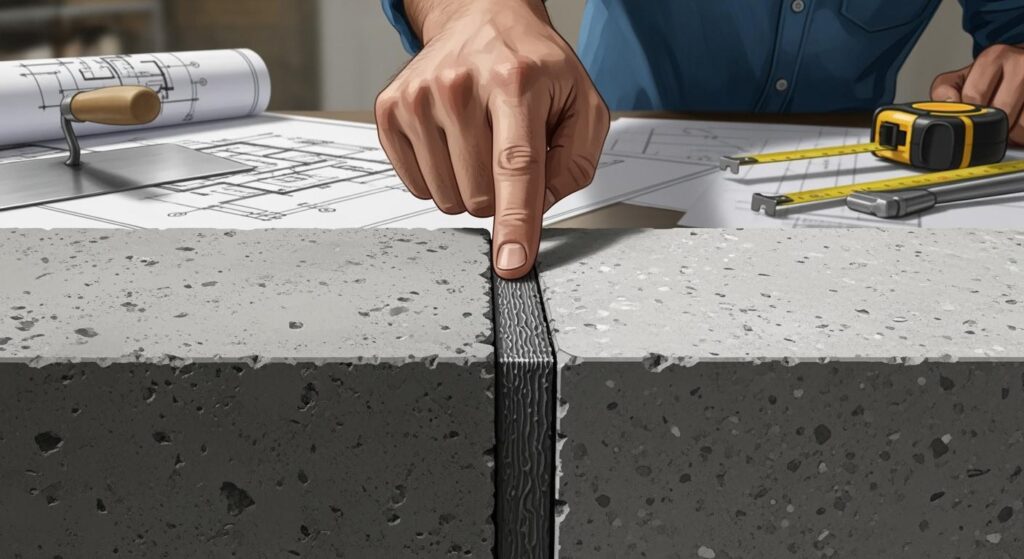
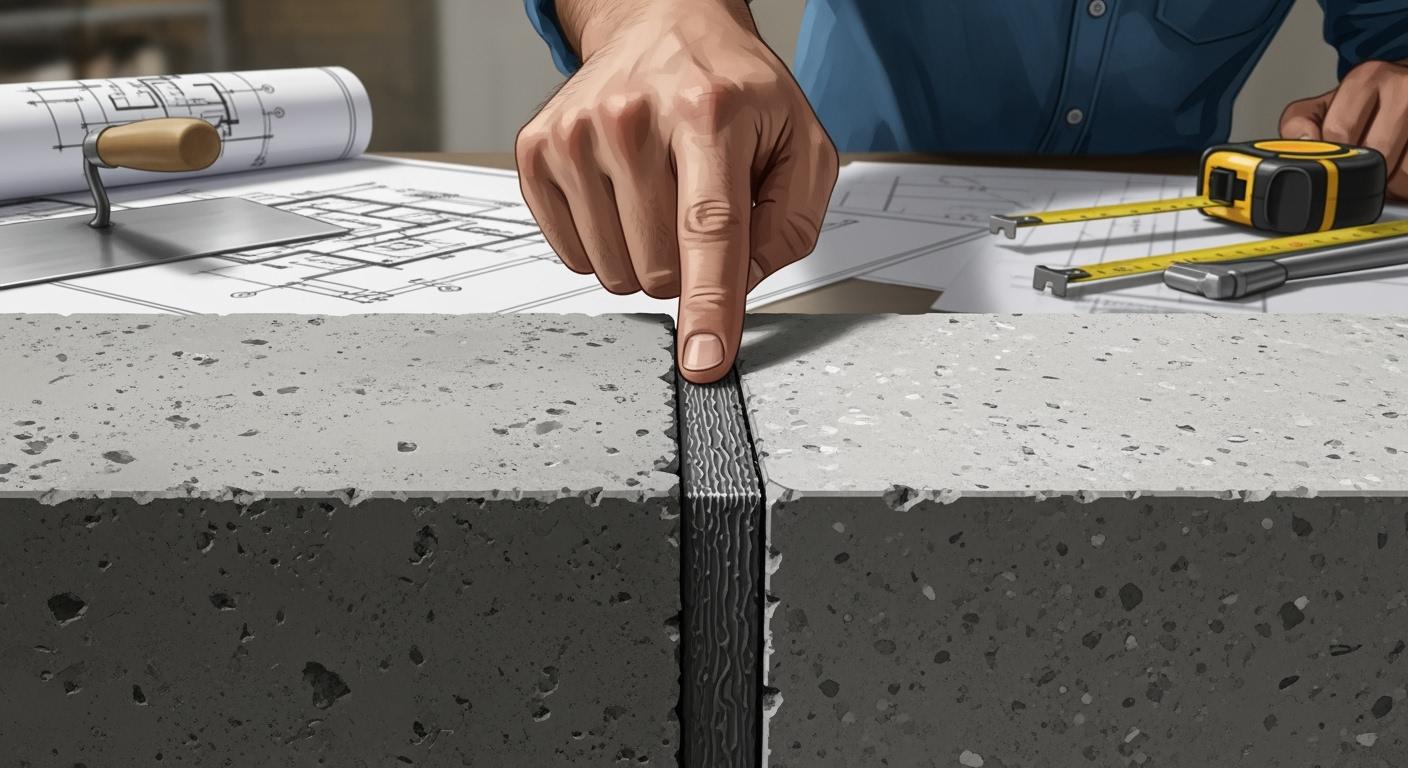
You know a strong concrete bond is crucial for project success. Selecting the correct concrete bonding agent can feel challenging. This guide simplifies your 2025 decision, ensuring optimal results. Understand your project specifics to leverage products like BANDě Concrete Bonding Agent effectively. This ensures long-term strength, durability, and excellent adhesion. You get a reliable concrete bonding adhesive and a strong concrete adhesive.
Key Takeaways
Choose the right concrete bonding agent for your project. Consider the surface, weather, and how strong you need the bond to be.
Prepare your surface well before applying any bonding agent. Clean it, make it rough, and check for moisture to ensure a strong bond.
Follow all instructions for mixing and applying the bonding agent. This helps it work best and keeps you safe.
Key Factors for Choosing a Concrete Bonding Agent
Choosing the right concrete bonding agent is a big step for your project’s success. You need to consider several crucial factors. These factors directly impact how well your concrete holds together and how long it lasts.
Substrate Compatibility
First, you must understand the surface you are working with. This is your “substrate.” Different concrete types and conditions need different bonding agents. For example, if your existing concrete has certain admixtures, like those for air-entrainment or water reduction, they usually won’t cause problems with epoxy bonding agents. However, if you have synthetic latex admixtures (like acrylic or PVA), you should test the bonding agent first to make sure they work well together. When you are bonding new concrete to old concrete, look for products that meet specifications like ASTM C881 Type II and ASTM C881 Type V. These standards ensure the concrete bonding agent is designed for such applications.
Environmental Conditions
The environment where you apply the bonding agent plays a huge role. Think about temperature and moisture. High temperatures, especially when combined with long curing times, can speed up the aging of epoxy resins. This makes the bond weaker over time. For instance, in hot climates where bridge decks can reach 70°C, this heat can cause the bond to soften or lose flexibility, leading to delamination. The resin’s structure changes, making it more brittle and less effective.
Moisture and humidity are also critical. Some adhesives struggle to cure or stay stable in very humid conditions. For wet or damp areas, you need moisture-resistant options. Urethane cement mortars, for example, offer strong protection against moisture. Epoxy-based bonding agents and primers are excellent choices for places with high moisture, like pool decks or commercial kitchens, because they offer superior adhesion and waterproofing. However, you should avoid PVA-based bonding agents in moist environments; they are not suitable for those conditions.
Bond Strength and Durability
You want a strong, lasting bond. The strength of your concrete bonding adhesive is vital for your project’s long-term success. How do you know if a concrete bonding adhesive is strong enough? Industry standards use specific tests to measure bond strength.
Flexural Beam Tests (ASTM C78): These tests check how well the bond handles bending forces.
Splitting Cylinder Tests (ASTM C496): These measure bond strength by pulling apart cylindrical concrete samples.
Slant-Shear Compression Tests (ASTM C882): This method evaluates how well the bond resists forces that try to slide one surface past another.
Direct Tension Pull-Off Tests (ASTM C1583): This test applies a direct pulling force to the bond. Many consider it a very good way to measure the bond’s performance, especially for the tensile strength of precast concrete connections.
Choosing a product that performs well in these tests ensures you get a durable concrete adhesive with excellent adhesion.
Application Methods and Drying Time
The way you apply the bonding agent and how long it takes to dry are also important. Proper application ensures the best adhesion.
Here’s a general process:
Clean the surface: You must thoroughly clean the existing concrete. Remove all dirt, dust, oil, and anything else that could prevent a good bond. Pressure washing or vacuum shot blasting works well for very dirty surfaces.
Prepare the agent: Shake the chemical and dilute it with water if the manufacturer’s instructions say so. Always follow their specific ratios.
Mix: Mix the diluted chemical according to the instructions. Pay attention to how long you have to use the mixture before it starts to set.
Apply and place: Apply the first layer of the concrete bonding agent to the surface. Then, immediately place your fresh concrete mix on top before the first coat dries.
Finish: Smooth out the concrete layer with a trowel and let it dry.
You can apply bonding agents using various tools like a brush, broom, spray, roller, or even a trowel for thicker adhesives. Some methods involve adding latex directly to the water for cement slurry or diluting a latex emulsion. Always check the product’s drying time. This ensures you apply the next layer or finish the job at the right moment for optimal performance.
Types of Best Concrete Bonding Agents
When you’re looking for the best concrete bonding agents, you’ll find a variety of options. Each one offers unique benefits for different projects. Understanding these types of concrete adhesives helps you pick the perfect one for your specific needs. Let’s explore the main categories of concrete adhesive and what makes them stand out.
Epoxy Bonding Agents
Epoxy bonding agents are champions of strength. You’ll often see them in heavy-duty or industrial applications because they create incredibly strong bonds and resist many chemicals. Think about places where you need a concrete adhesive that won’t quit, even under tough conditions. BANDě offers commercial-grade epoxy options that deliver this superior performance.
What makes epoxies so powerful? It’s all in their chemistry! They use special epoxy resins, which are materials with unique functional groups. These resins react with curing agents to form a super-strong, three-dimensional network.
Here’s a closer look at what goes into these powerful agents:
Component Type | Description |
|---|---|
Epoxy Resins | These are the main building blocks, ready to link up with other chemicals. |
Curing Agents | These are the activators. They react with the epoxy to create the strong bond. You’ll find two kinds: catalysts and hardeners. |
Catalysts | Think of these as tiny helpers. They start the bonding process, often used in very small amounts. |
Hardeners | These compounds, like amines or anhydrides, react directly with the epoxy. They shape the final strength and structure of your cured resin. |
The curing process for epoxy resins is fascinating. It involves many small reactions that turn a liquid resin into a solid, durable material. The best part? These reactions don’t create any unwanted by-products, so you get a smooth, void-free bond without needing extra pressure.
Some epoxy formulations can even cure with ultraviolet (UV) light! This is a cool trick used in specialized fields like optics and fiber optics.
Different epoxy systems cure in various ways, depending on what you need:
Epoxy System Type | Chemical Composition | Curing Mechanism/Conditions |
|---|---|---|
Two-part, Room Temperature Cured | Epoxy monomer + aliphatic amine curing agent | You mix these right before use. They cure at room temperature, taking minutes to hours to set. Full strength comes in 2–7 days, sometimes with a little extra heat treatment. |
Heat-Curing (Two-part) | Epoxy resin + less basic amines or anhydrides | These need heat to cure, sometimes up to 250°C. They give you more working time before they start to set. |
One-part Solid Adhesives | Epoxy polymers + high-temperature curing agents | These are often prepared as a melt, then cooled and ground into a powder. You cure them at high temperatures, and they can last a long time at room temperature. |
Epoxy Films | Thin film of epoxy + high-temperature curing agent | These are like sticky sheets, often with added toughening agents. You cure them with heat. |
Two-part Higher-Temperature Service | Bifunctional/multifunctional resins + aromatic and unmodified cycloaliphatic amines | These are for jobs needing high-temperature performance and require elevated-temperature curing. |
One-part Elevated-Temperature Curing Liquid/Paste | Mixture of bifunctional and multifunctional resins + non-catalyzed or imidazole catalyzed dicyanimide | You typically cure these at elevated temperatures, around 250–350 °F. |
Polyurethane Bonding Agents
Do you need flexibility? Then polyurethane bonding agents might be your go-to. These are fantastic for areas with movement or high humidity because they are inherently flexible and moisture-resistant.
Polyurethane adhesives are super adaptable. They can handle movement and vibration in your bonded structures without losing their grip or strength. This flexibility is a game-changer for applications where your surfaces might expand, contract, or experience mechanical stress.
Why are they so flexible? It’s their unique molecular structure! Polyurethane adhesives have both hard and soft parts. This special design gives them a fantastic combination of toughness and elasticity. They form strong bonds, but they also stay flexible. That’s a characteristic you won’t find in all concrete bonding adhesive options.
👉 Key Benefit: Polyurethane bonding agents offer amazing flexibility. This is a huge plus when you’re joining different materials like rubber, urethane, plastic, metal, or fabric. This flexibility helps you create industrial components with much better properties.
Acrylic Latex Bonding Agents
Acrylic latex bonding agents are incredibly versatile. You’ll find them commonly used as an interior primer or for general renovation projects. They significantly improve adhesion and are a popular choice for many construction tasks.
These agents are made from acrylic ester resins, which are polymers and copolymers of acrylic and methacrylic acids. They offer a range of properties, from soft and rubbery to hard plastics, and work similarly to SBR latex in cement mixes.
Here are some great advantages you get with acrylic latex bonding agents:
They boost bond strength, making your concrete adhesive more reliable.
They increase durability, especially when facing freeze/thaw cycles.
You’ll see less cracking because they improve the mortar’s flexural strength.
They make mortar more resistant to wear from rubber-wheeled traffic.
They increase the mortar’s tensile strength.
Repair mortars made with them offer better impact resistance.
They won’t re-emulsify when exposed to water, which means they stay strong even when wet.
PVA Bonding Agents
PVA bonding agents are excellent as an interior primer, especially for wall primer and ceiling primer applications. They are easy to use and provide good adhesion for various surfaces.
For example, PVA bonding agents like SikaPaver®-121 AE work well as primers to bond cement screeds, rendering, and plaster to many sound surfaces, including concrete. You can even use them effectively in hot and tropical climates, which is a big plus for projects in challenging environments.
BANDě Agents for Specific Project Needs
You need to match the right BANDě product to your project. This ensures you get the best concrete adhesive for your specific job.
New-to-Old Concrete Applications
You often need to add new concrete to old. BANDě offers solutions that create a strong, lasting bond. Our agents ensure the new concrete adheres perfectly to the existing surface. This prevents delamination and cracking. You get a seamless transition and a durable structure. Choosing the right BANDě product means you achieve the best concrete adhesive performance for these critical junctions.
Repair and Resurfacing
When your concrete shows wear, BANDě has the answer for effective concrete repair. Our specialized agents are perfect for patching, filling cracks, and resurfacing damaged areas. They act as a reliable concrete adhesive, ensuring the repair material bonds firmly. This restores the integrity and appearance of your surfaces. You can trust BANDě for durable concrete repair solutions.
Interior and Exterior Primers
Preparing your surface is key for any project. BANDě offers excellent primers for both interior and exterior use. These primers create an ideal base, enhancing the adhesion of subsequent coatings or overlays. They penetrate the surface, ensuring a strong bond. You get a reliable foundation, whether you are working inside or out.
Wet Area and Moisture Barrier Solutions
Working in wet areas demands specialized protection. BANDě provides solutions that act as effective moisture barriers. Our products ensure your concrete stays protected from water ingress.
Type | Key Features |
|---|---|
Standard Silicone Tape | Electrical insulation, moisture resistance |
Liquid Silicone Adhesive | Gap-filling, moldable, waterproof seal |
BANDě silicone adhesive tape creates a tight, water-resistant seal. This effectively prevents moisture from getting in. This feature is very helpful in outdoor installations, underground conduits, and humid places. It helps stop short circuits and corrosion. Its dielectric strength also makes things safer by preventing arcing and electrical leakage. In industrial settings, BANDě silicone adhesive tape protects control panels, motors, and moving parts. It guards against moisture, dust, and corrosive chemicals. This protection is vital for stopping contamination and making equipment last longer. This is true even in places with changing temperatures. You can rely on BANDě for the best concrete adhesive in challenging, wet environments. Our concrete bonding adhesive options give you superior protection.
Surface Preparation for Optimal Bonding
Even the best concrete bonding agents need proper surface preparation. You must prepare your surface correctly for effective adhesion. This step is crucial for your project’s long-term success.
Cleaning and Decontaminating Surfaces
You must thoroughly clean your concrete surfaces. Remove all debris before applying any concrete adhesive. You can dust the surface by brushing or vacuuming away any leftover debris. The surface does not need to be spotless, but it should be relatively clean. For smooth surfaces, you should roughen them up by grinding. This ensures a good bond.
Primary Use Case | |
|---|---|
Alkaline cleaners | Removing oil and grease, breaking down hydrocarbons |
Acidic solutions | Removing rust, mineral deposits, or efflorescence |
Cleaners with surfactants and emulsifiers | Lifting particulates and holding them in suspension |
Achieving Proper Surface Profile
You need to achieve the right surface profile. This is vital for any concrete bonding agent. Remove weak or deteriorated concrete down to sound concrete. You can use methods like bush-hammering or grit blasting. You should also remove dirt, dust, and curing compounds by sand or grit blasting. The concrete’s pull-off strength should be at least 200 psi for bonding applications. This ensures your best concrete bonding agents will perform optimally.
Addressing Moisture Content
Moisture content is a critical factor. You must address it before applying a concrete bonding adhesive. High moisture can weaken the bond. You can measure moisture using several methods:
Non-destructive electronic impedance meters
In situ relative humidity (RH) probes
Anhydrous calcium chloride moisture tests
These tests help you understand the moisture levels within your slab.
Penetrating Primer Benefits
A penetrating primer enhances adhesion significantly. It acts as a bonding agent, creating a strong connection between the concrete surface and the next coating. This enhanced adhesion helps prevent peeling or chipping. Primers often contain components that react chemically with the concrete, creating strong molecular bonds. These bonds penetrate deep into the substrate, anchoring the coating firmly to the surface. They also fill pores, creating a larger area for the epoxy to adhere. This ensures your best concrete bonding agents create a durable finish.
Application Techniques for Performance
You want your concrete bonding agent to work its best. Proper application makes all the difference. Follow these steps for maximum performance and durability.
Mixing and Application Best Practices
Always follow the manufacturer’s instructions for mixing your bonding agent. You need precise measurements. Mix thoroughly to ensure consistency. Apply the agent evenly. You can use a brush, roller, or spray. Make sure you cover the entire surface you want to bond.
Ensuring Proper Coverage and Curing
Achieving the right coverage rate is important. It ensures a strong, uniform bond. Different products have different requirements. For example, you can expect these coverage rates:
Product | Coverage Rate |
|---|---|
200-300 sqft per gallon | |
15-18 ft² (1.4-1.7 m²) |
Allow the bonding agent to cure properly. This means giving it enough time to dry and strengthen. Check the product label for specific curing times.
Troubleshooting Common Issues
Sometimes, issues arise. If your bond seems weak, you might have applied too little agent. Surface contamination also causes problems. Always clean your surfaces well. If the agent dries too fast, you might be working in hot, dry conditions. Adjust your application speed or timing.
Safety Precautions
Your safety comes first. Chemical bonding agents require careful handling.
Understand Risks: Be aware of VOCs, flammability, and skin/eye irritation.
Safe Workspace: Ensure good ventilation. Store adhesives away from heat. Label containers clearly.
Personal Protective Equipment (PPE): Use respirators or masks. Wear protective gloves. Put on safety goggles.
Handling and Application: Follow manufacturer instructions. Apply in a controlled manner. Clean spills immediately.
Emergency Response: Wash skin with soap and water for contact. Move to fresh air for inhalation. Rinse eyes thoroughly and seek medical help for eye exposure.
Disposal: Dispose of adhesives and containers according to local hazardous waste rules.
You protect yourself and your project by following these guidelines.
Choosing the right concrete bonding agent is vital for lasting projects. You now understand key factors for effective adhesion. Evaluate your needs carefully. Consider BANDě’s range for superior concrete adhesive performance, strong bonding, and excellent concrete bonding agent properties in 2025. We commit to innovation in concrete bonding adhesive technology.
FAQ
What is the best bonding agent for outdoor use?
For outdoor projects, you need a moisture-resistant bonding agent. Polyurethane or epoxy types work best. They handle weather changes and give you a strong, lasting bond.
Can I use a bonding agent on painted concrete?
No, you must remove all paint first. Bonding agents need a clean, porous surface to stick properly. Always prepare your surface well for the best results.
How long does a concrete bonding agent last?
A properly applied bonding agent can last for many years. Its lifespan depends on the product type, surface preparation, and environmental conditions. You get long-term durability.
See Also
Choosing the Best BANDě Concrete Sealer: Your 2025 Ultimate Guide
Essential Knowledge: Understanding Concrete Bonding Agents for Superior Adhesion
BANDě’s 2025 Guide: Top Concrete Densifiers and Hardeners Revealed
Discover BANDě’s Best Concrete Dustproofer Sealers: Your Essential Selection
Selecting the Best Flexible Waterproof Sealant: BANDě’s Expert Guide
