

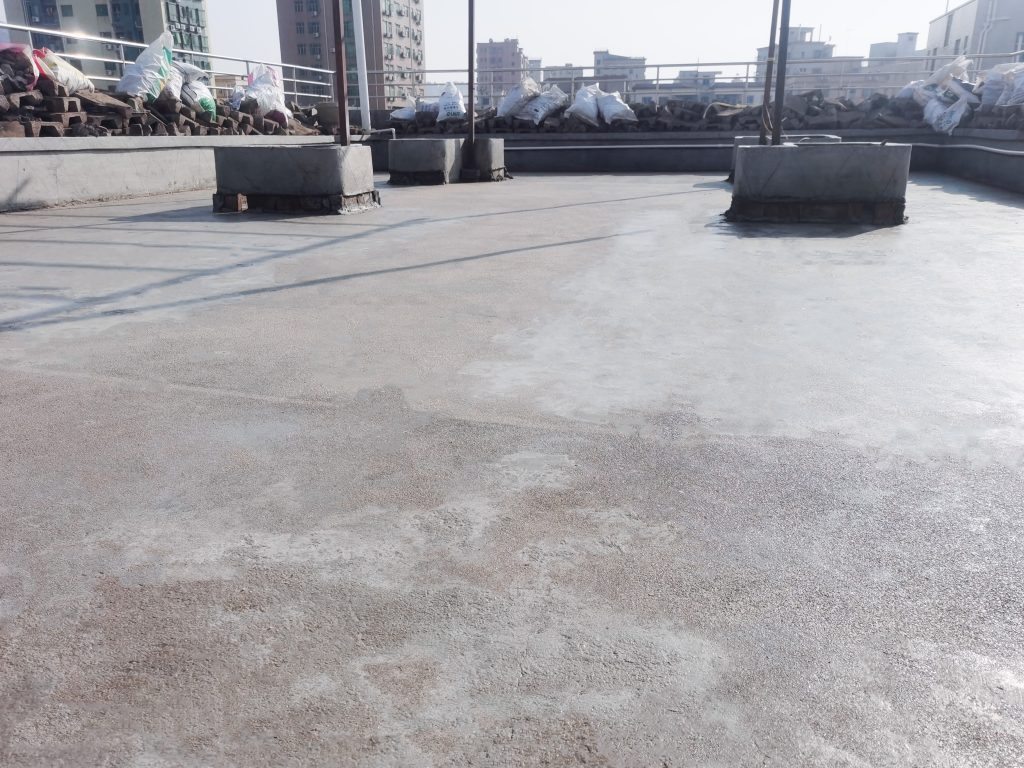
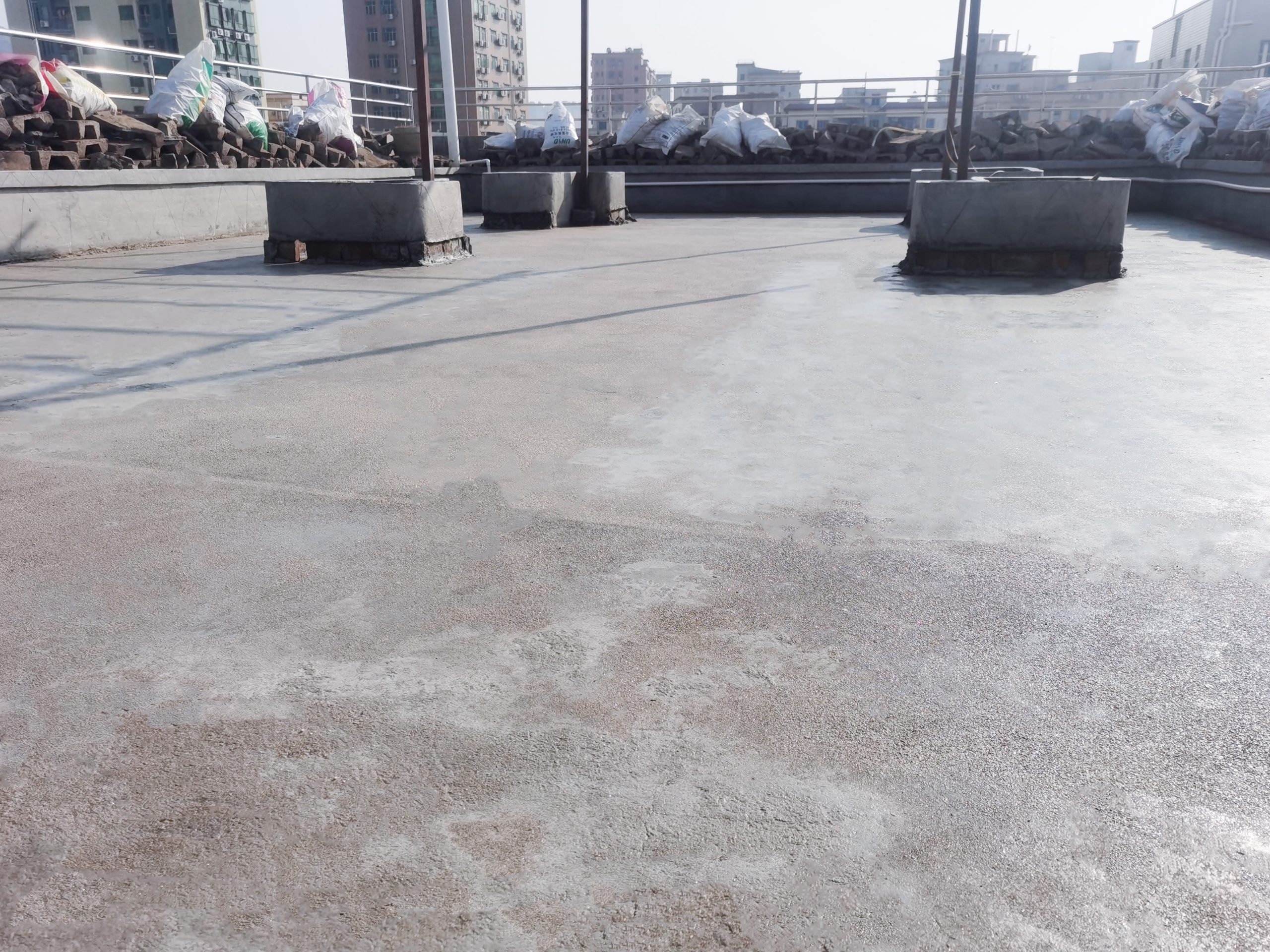
When you want to keep your home safe from water damage, the right waterproof sealant is very important. Flexible waterproof sealers are great because they can be used in many ways. Unlike regular sealants, they change with temperature and stick well to different surfaces. For example, flexible sealants usually work better than hard ones for sticking and being safe for the environment.
In this post, you will find five excellent flexible waterproof sealants that can help you with your hardest projects easily.
Key Takeaways
Pick flexible waterproof sealants to keep your home safe from water damage. They change with temperature and stick well to different surfaces.
Flex Caulk is great for sealing gaps around windows and doors. It dries quickly and sticks strongly, making it a favorite for many projects.
Titebond DuraMaster is very strong and can fill bigger gaps. It works on wet or dry surfaces, so it’s useful in many situations.
Liquid Rubber gives instant waterproofing and lasts more than 10 years. It is great for roofs and foundations, providing long-lasting safety.
Always think about the specific use and surface type when picking a sealant. This helps you choose the best product for your needs.
Sealant 1: Flex Caulk
Features
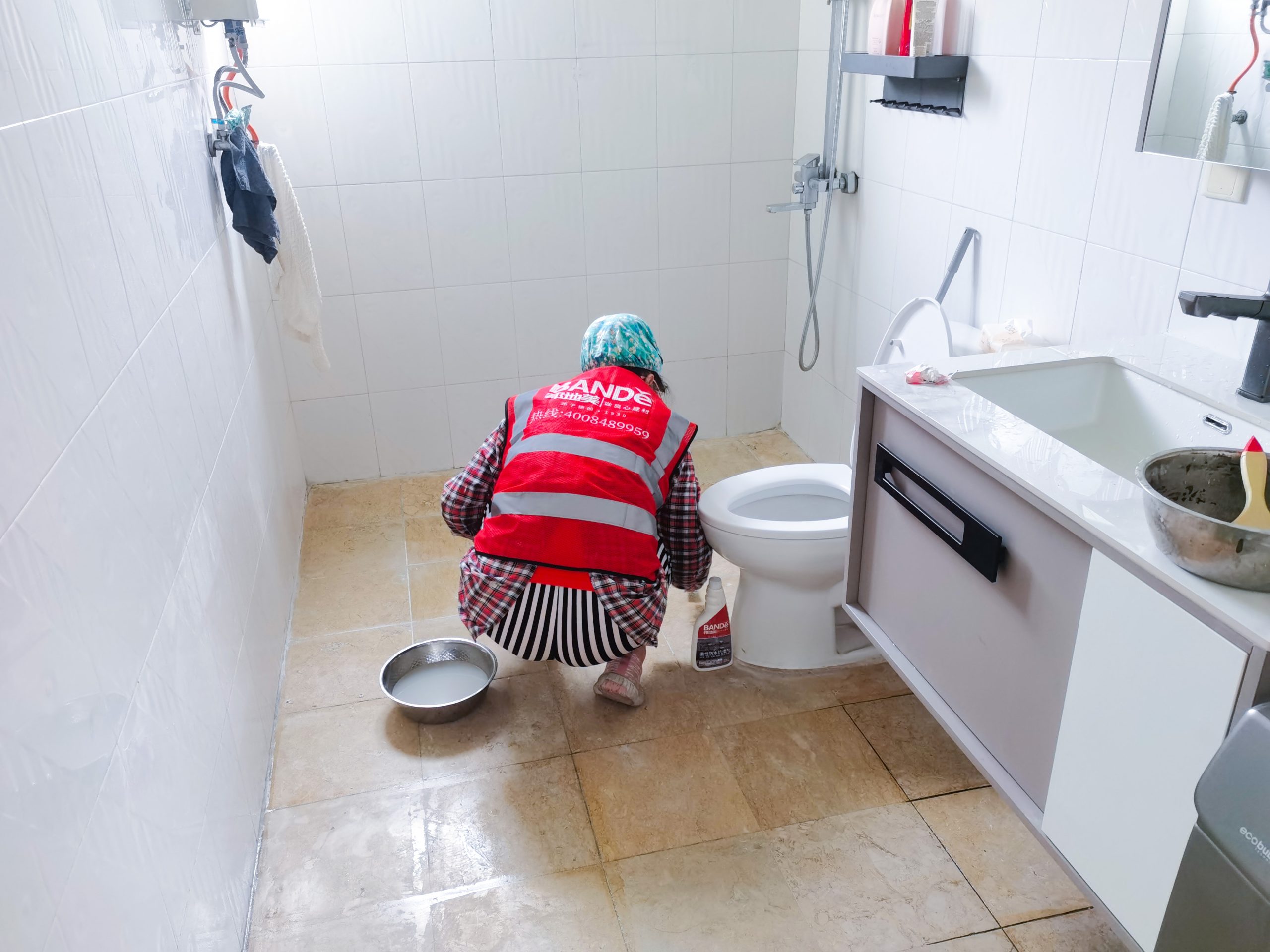
Flex Caulk is a top pick for flexible waterproof sealants. Its special liquid rubber mix helps it move with changes, which stops cracks and leaks. Here are some important features:
Flexibility: It can stretch up to five times its width. This makes it great for places that move.
UV Resistance: This sealant guards against sun damage. It ensures it lasts a long time.
Seamless Barrier: Flex Caulk makes a strong barrier that keeps water out.
Quick Drying: You won’t wait long for it to dry. This allows for fast use.
Pros and Cons
Like any product, Flex Caulk has good and bad points.
Pros:
It sticks well to many surfaces, like wood and baseboards.
It has high elasticity, which allows it to handle big joint movement without cracking.
It gives long-lasting protection against water damage.
Cons:
It might not work on all surfaces, so check if it fits before using.
Some users say it can be hard to remove after it dries.
Ideal Applications
Flex Caulk is very useful. You can use it in many projects, such as:
Sealing gaps around windows and doors to stop drafts.
Filling cracks in baseboards and trim, where it works best.
Waterproofing spots in kitchens and bathrooms, where moisture is a problem.
Experts suggest using Flex Caulk for jobs that need strong sticking and flexibility. Its ability to stretch and change makes it a good choice for both inside and outside work.
Remember, picking the right flexible waterproof sealant can really help protect your home from water damage!
Sealant 2: Titebond DuraMaster
Features
Titebond DuraMaster is a top choice among flexible waterproof sealants. It is known for its strong durability and great performance. This sealant has special features that many people love. Here’s a quick look at what makes it unique:
Feature | Description |
|---|---|
It can fully expand and contract without cracking. | |
4X durability | It lasts four times longer than regular sealants. |
Superior adhesion | It sticks well to many materials like vinyl, metal, and wood. |
Spans gaps up to 2 inches wide | It works for bigger joints and gaps. |
Permanently flexible | It stays reliable over time without cracking. |
UV-resistant, mold and mildew resistant | It protects against sun damage and mold growth. |
Fully waterproof once cured | It creates a strong seal against water. |
Applies to wet or dry surfaces | You can use it in different conditions. |
Easy cleanup with water | Cleaning up during use is simple. |
Paintable | You can paint it after it dries for a custom look. |
Low odor and VOC-compliant | It is safer for indoor and outdoor use. |
Pros and Cons
Titebond DuraMaster has both good and bad points.
Pros:
It lasts 4X longer than other strong acrylic latex sealants.
You can use it on wet or dry surfaces, making it useful for many projects.
Its strong sticking power ensures it bonds well to different materials.
Cons:
Some people think it costs more than other choices.
It may need careful application to avoid mess.
Ideal Applications
Experts suggest Titebond DuraMaster for many uses. Here are some good applications:
Feature/Capability | Description |
|---|---|
Type | Class 100 water-based elastomeric sealant for inside and outside use |
Gap Filling Capability | Can fill gaps up to two inches |
Movement Capability | Handles 100% expansion and 50% contraction, allowing for big joint movement |
Performance Rating | Gets the highest ASTM C-920 rating for sealant performance, Class 100/50 (expansion/contraction) |
You can use Titebond DuraMaster to seal windows, doors, and larger gaps in your home. Its flexibility and waterproof features make it a great choice for keeping your space safe from leaks and moisture.
Sealant 3: Liquid Rubber
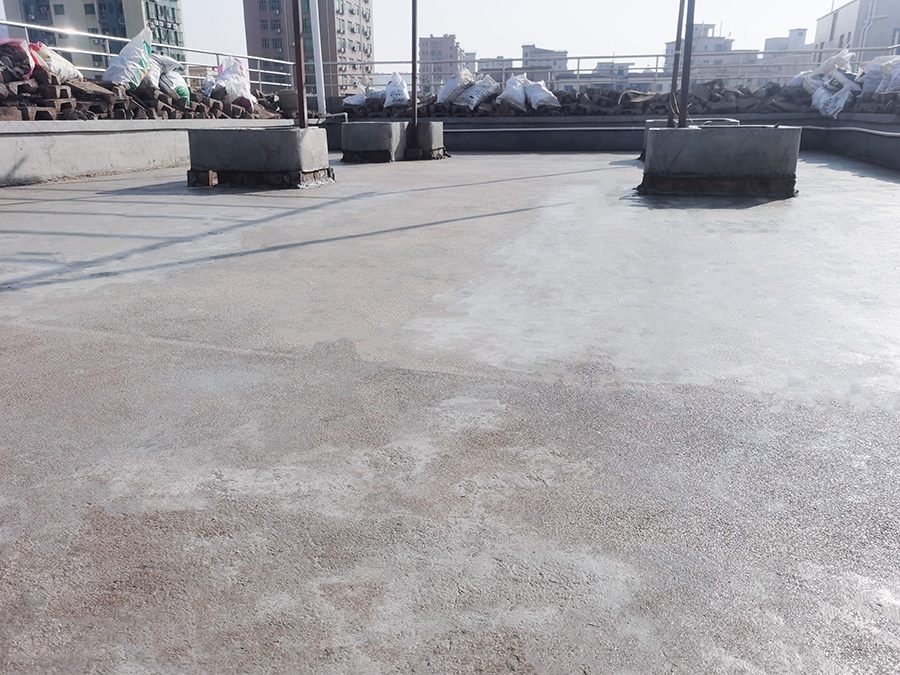
Liquid Rubber is a great choice for waterproofing jobs. It is easy to use and lasts a long time. Many DIY fans and experts like it. Here’s what you should know about this flexible sealant.
Features
Liquid Rubber has some special features that make it different from regular sealants:
Ease of Application: You can pour, roll, or spray it on surfaces. This makes it quick and easy to use.
Seamless Membrane: It forms one solid layer that stops leaks well.
Immediate Waterproofing: It becomes waterproof right after you apply it. This gives you quick protection.
Greater Flexibility: This sealant stays flexible, even when foundations shift. This helps stop cracks.
Longer Lifespan: If applied correctly, Liquid Rubber can last over 10 years. This makes it a smart choice.
Pros and Cons
Like any product, Liquid Rubber has good and bad points.
Pros | Cons |
|---|---|
Creates a strong, rubbery coating | Takes more time to apply |
Protects against UV rays | Needs a clean, dry surface |
Fully waterproof | |
Lasts longer (10+ years with proper use) | |
More affordable per square foot | |
Long-lasting and weatherproof | |
Can cover large areas | Great for roofs, basements, and decks |
Ideal Applications
Liquid Rubber is great for many uses. Here are some common applications:
Application Type | Description |
|---|---|
Roofing | Often used for roofs because it is waterproof and forms a solid layer. |
Important for building foundations and basements to stop moisture from coming in. | |
Innovative Uses | Changing construction with uses in roofs, basements, and foundations for strength. |
In real projects, Liquid Rubber has shown its value. For example, TRITOflex was used in one coat on a big EPDM roof. It provided a strong solution that lasts for decades. After 25 years, Liquid butyl rubber is known for its long life and great performance. It’s perfect for waterproofing roofs and foundations, giving you strong protection against leaks.
If you want a reliable sealant that is both flexible and strong, Liquid Rubber is a great option!
Sealant 4: Ferber Painting Flexible Sealant
Features
Ferber Painting Flexible Sealant is special because of its advanced polymer technology. This sealant sticks well and keeps water out, making it a great choice for many projects. Here are some important features that make it unique:
Rapid Drying Time: It dries quickly, so you can start your next task soon.
Resistance to Cracking: This sealant can handle water pressure up to 4 bar. It helps stop leaks and moisture.
Money-Back Guarantee: Ferber Painting gives a guarantee, so you feel good about your purchase.
Versatile Application: It sticks well to uneven surfaces, making it useful for many jobs.
Pros and Cons
Like any product, Ferber Painting Flexible Sealant has good and bad points.
Pros:
It has great sticking and waterproofing abilities.
Quick drying time helps you finish projects faster.
The money-back guarantee makes you feel confident in your choice.
Cons:
Some people may think it costs a bit more than other options.
You need to apply it carefully to avoid mess.
Ideal Applications
You can use Ferber Painting Flexible Sealant in many situations. Here are some good uses:
Sealing Gaps: It’s perfect for filling gaps around windows and doors to stop drafts and leaks.
Bathroom and Kitchen Use: Great for places with moisture, giving long-lasting protection against water damage.
Outdoor Projects: Its strength makes it good for outdoor jobs, where it can handle different weather.
With its great performance and customer support, Ferber Painting Flexible Sealant is a fantastic choice for anyone wanting to keep their home safe from leaks and moisture.
Remember, picking the right sealant can really help keep your space safe and dry!
Sealant 5: Seal Bond® 400
Features
Seal Bond® 400 is a strong waterproof sealant. It has many features that make it a good choice for different uses. Here’s what you can expect:
Feature | Description |
|---|---|
Excellent UV and weather resistance | It protects against sun and weather, making the seal last longer. |
Non-sag performance | It applies well on walls or ceilings without drooping. |
Permanently elastic across a wide range | It stays flexible from -40°F to 190°F, so it sticks well when temperatures change. |
These features help Seal Bond® 400 make strong, weatherproof seals. This is important for keeping roofs lasting longer. By stopping water from getting in, you can avoid leaks that cause expensive repairs.
Pros and Cons
Like any product, Seal Bond® 400 has good and bad points.
Pros:
It gives long-lasting protection against leaks.
Its flexibility in different temperatures helps it adjust well.
The non-sag feature makes it easy to use on many surfaces.
Cons:
Some people may think it costs a bit more than other sealants.
You need to prepare the surface well for it to stick properly.
Ideal Applications
Seal Bond® 400 is useful for many jobs. Here are some good uses:
Application Type | Description |
|---|---|
Windshield Bonding | Great for attaching windshields to cars, giving strength and flexibility. |
Marine Applications | It can handle water, saltwater, and sun, making it good for boats and docks. |
Windows and Doors | It makes airtight seals for saving energy and protecting against weather. |
It seals and bonds roof parts to create watertight systems. | |
Concrete Bonding | Used in building projects, offering flexibility and strength. |
With its great features and uses, Seal Bond® 400 is a top pick among waterproof roofing sealants. It not only protects your home but also helps keep your roof system strong for many years.
Choosing the right flexible waterproof sealant is very important. It helps keep your home safe from leaks and water damage. Here are some things to think about:
Consider the type of surface you will seal.
Check how much movement the sealant can take.
Look at the weather conditions it will face.
Know what you need it for.
Remember, picking a good quality sealant can save you trouble later. Whether you need it for inside moisture or outside projects, there is a great choice for you. Take your time to find the best product for your needs, and enjoy feeling safe from water damage.
Your home deserves the best protection against water damage!
FAQ
What is a flexible waterproof sealant?
A flexible waterproof sealant is a product that makes a strong barrier against water while allowing movement. It changes with temperature and surface shifts. This makes it great for many uses, both inside and outside.
How do I apply waterproof sealant?
To apply waterproof sealant, first clean the surface well. Use a caulking gun to apply it evenly. Fill in gaps and seams, then smooth it out with a tool or your finger. Let it cure according to the instructions on the label.
Can I paint over waterproof sealant?
Yes, many waterproof sealants can be painted after they are fully cured. Check the label to see if it works with paint. This lets you match the sealant to your decor while keeping its protective features.
How long does waterproof sealant last?
The life of waterproof sealant depends on the product and conditions. Usually, good sealants can last between 5 to 20 years. Regular checks and maintenance can help them work better for longer.
Is waterproof sealant safe for indoor use?
Most waterproof sealants are safe to use indoors, especially those marked as low-VOC or non-toxic. Always check the product details to make sure it is safe for indoor use.
See Also
The Ultimate Guide to Top Flexible Waterproof Sealers
BANDě’s Tips for Selecting the Ideal Waterproof Sealant
Choosing the Right Flexible Waterproof Sealer for Projects
Expert Techniques for Applying Waterproof Coatings Effectively
BANDě’s Comprehensive Guide to Selecting Concrete Sealers 2025
