


Winter can be very harmful to your concrete surfaces. If you do not protect them, they can get badly damaged. For example, freezing and thawing can create cracks. Water getting in makes this problem worse, especially when it freezes and expands. Using a winter concrete sealer can help protect your concrete from these tough conditions.
Key Takeaways
Look at the weather before pouring concrete. This helps stop freezing and makes sure it is strong.
Use a winter concrete sealer to guard against water damage. This keeps your concrete nice and makes it last longer.
Cover your concrete with blankets or heated boxes. This helps keep the right temperature for curing.
Plan for Cold Weather
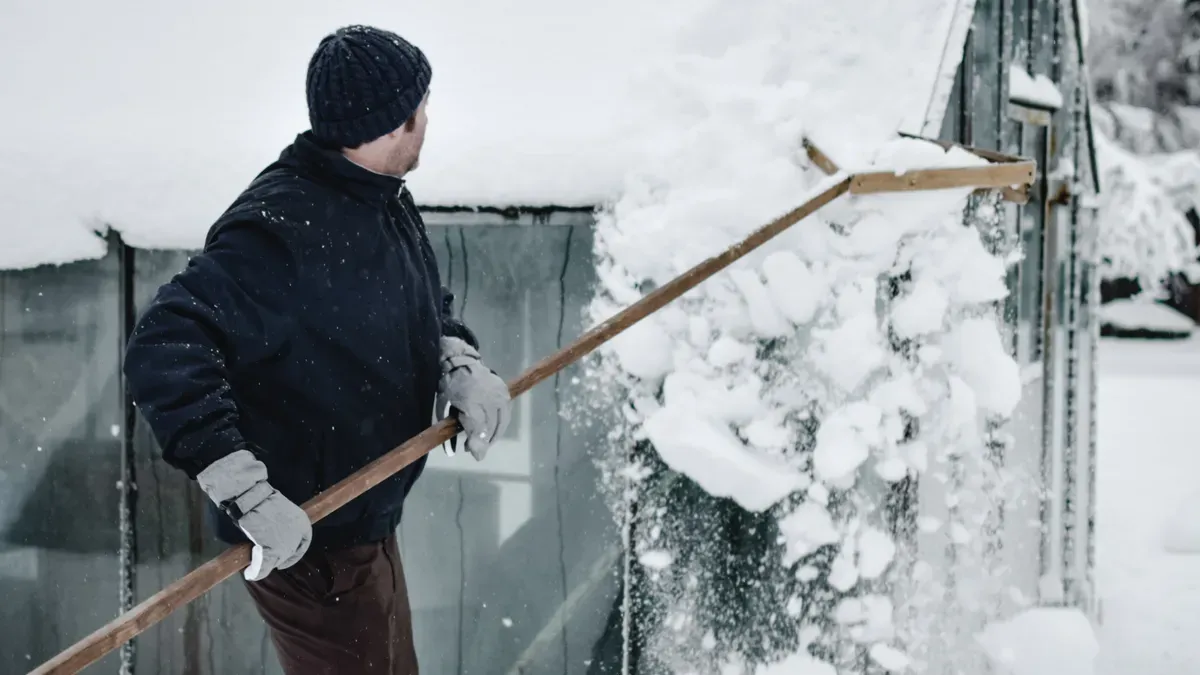
Check Weather Forecasts
Always check the weather before starting concrete work. This is very important for keeping your concrete strong. Good temperature control stops cracks and keeps strength. Here are some important points to think about:
Insulation is needed in very cold weather to avoid uneven setting.
The right mix and materials are important to stop damage.
Don’t rush the curing process to make sure the concrete gets strong enough.
Schedule Concrete Work
Planning your concrete work carefully can really help. The temperature is very important for your project’s success. Look at the table below for the best temperature ranges:
Temperature Range | Recommendations |
|---|---|
10°C to 21°C (50°F to 70°F) | Best for strong and lasting results |
Below 4°C (40°F) | Risks include slow strength and frost damage |
Above 32°C (90°F) | Risks include quick moisture loss and surface issues |
When it gets cold, think about using a winter concrete sealer. This product helps protect your concrete from tough winter weather, keeping it strong and safe.
Use the Right Materials
Winter Concrete Sealer
A winter concrete sealer is very important for protecting your concrete in cold months. This sealer makes a barrier that stops water from getting into the concrete. In places with freeze-thaw cycles, this protection is very important. Here are some good things about using a winter concrete sealer:
It helps stop tiny cracks from freezing water.
The sealer makes concrete last longer against tough winter weather.
It keeps your concrete looking nice by stopping color fading.
By using a winter concrete sealer, you can lower the chance of damage from freezing temperatures.
Cold-Weather Concrete Mix
Picking a cold-weather concrete mix has many benefits compared to regular mixes. These special mixes keep heat better, which helps with curing. Here’s a look at the benefits:
Benefit | Explanation |
|---|---|
Cold-weather mixes keep warmth, leading to better curing. | |
Reduced Thermal Shock | They lessen quick temperature changes, lowering the chance of cracks. |
Earlier Occupancy | Faster finishing can mean earlier move-in dates, saving money on rentals. |
Better Trade Access | Winter work can help find subcontractors since the market is quieter. |
Using a cold-weather concrete mix not only makes your concrete stronger but also helps keep your project on track, even in tough weather.
Insulate Your Concrete
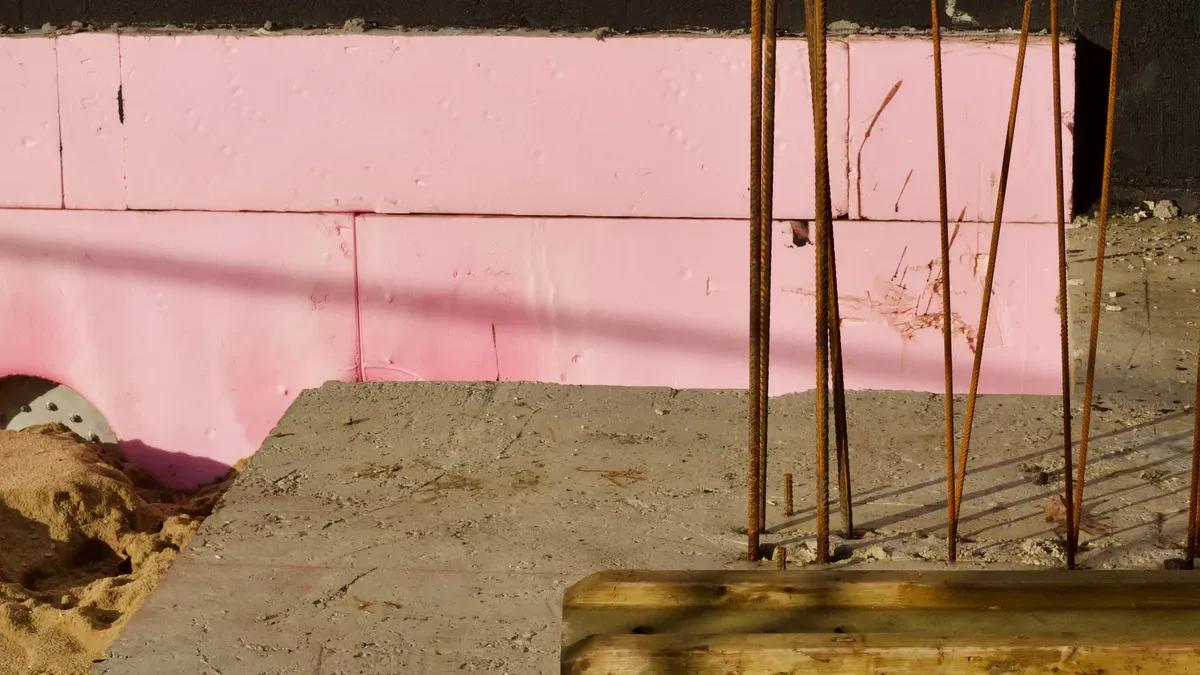
Insulating Blankets
Using insulating blankets is a smart way to keep your concrete safe in winter. These blankets help hold in heat from the curing process. They stop freezing, especially in the first three days after pouring. Here are some important benefits of insulating blankets:
They keep the concrete warm, which is very important for strength.
Layering these materials helps keep heat better.
Insulating blankets work well for vertical walls.
Method | Best Use Case | Impact on Strength | Labor Cost |
|---|---|---|---|
Insulating | Winter / Vertical Walls | High (stops freezing) | Moderate |
Covering your concrete with insulating blankets right after pouring is very important. This helps keep a steady curing temperature and lowers risks from cold weather. Experts say to insulate concrete to stop freezing until it reaches a strength of at least 3.5 MPa (500 psi). This stops tiny cracks and makes it last longer.
Heated Enclosures
Heated enclosures are another good way to cure concrete in cold weather. These enclosures create a controlled space that keeps the right temperatures. You can use them to protect your concrete from harsh winter weather. For example, at Carleton College in Minnesota, insulated concrete forms (ICFs) let workers place concrete even when it was -5°F (-15°C). The concrete stayed close to 100°F for 24 hours, showing how well heated enclosures work.
Using heated enclosures not only speeds up curing but also helps your concrete reach its full strength. This method is especially helpful when outdoor temperatures drop a lot. By using these insulation methods, you can protect your concrete and make sure it lasts through the winter months.
Monitor Conditions
Temperature Monitoring
Watching the temperature of your concrete is very important in winter. Checking it often helps make sure the concrete stays strong. Here are some key points to remember:
Concrete usually freezes at 4°C (39°F), which can hurt its strength.
Keeping a temperature of about 10°C (50°F) is best for curing.
Using thermal blankets or heaters can help keep concrete warm while it cures.
By checking these temperatures closely, you can stop freezing and make sure your concrete cures well.
Real-Time Adjustments
Using real-time weather data can really help your concrete curing process. Here’s how you can change things based on current conditions:
Method | Description | Benefits |
|---|---|---|
Hydration Monitoring Systems | Real-time sensors check internal temperature and moisture | Makes sure concrete reaches target strength before removing forms |
Maturity Method | Looks at time and temperature effects on strength development | Gives a simple way to check strength in real-time during construction |
Using these methods lets you change your curing plan as needed. For example, if temperatures drop suddenly, you can add more insulation or change curing times. Also, using thermocouples helps track temperature changes in real-time. This active approach ensures good quality concrete, even in tough winter weather.
By keeping an eye on things and adjusting your methods, you can protect your concrete and get the best results this winter.
Cure Concrete Effectively
Curing Methods
You need to pick the right curing methods to keep your concrete strong in winter. Here are some good techniques:
Insulating materials: Use things like polystyrene foam or straw to hold heat during hydration. This stops freezing.
Enclosures: Make a protective space around your concrete when it gets below -5°F (-21°C). This keeps the concrete warm.
Internal electric heating: Put coils in the concrete to keep a steady temperature above what is needed.
Covering: Protect new concrete with insulating materials to keep heat in.
Insulated forms: Use these with enclosures to check and keep the concrete temperature right.
Curing during production: Methods like steam heating can stop drying when warm concrete meets cold air.
Moisture-Retaining Techniques
Moisture-retaining techniques are very important for keeping hydration levels in concrete. This is key for strength and durability. Here are some good methods:
Curing blankets and thermal covers: These keep heat and moisture inside during early hydration, which is very important for cold-weather projects.
Protection from freezing: Concrete that gets to a strength of 500 psi will not be harmed by one freezing cycle. This means you can avoid damage if you cure it right.
Preventing rapid moisture evaporation: Keeping moisture in stops freezing and tiny cracks, which can hurt strength.
By using these curing methods and moisture-retaining techniques, you can make sure your concrete stays strong and lasts through the winter months.
Protect During the Pour
Avoid Extreme Cold
When pouring concrete in winter, stay away from extreme cold. Fresh concrete can freeze before it gets strong. This freezing can cause big problems, like ice crystals forming and cracks inside. Also, concrete sets slower in low temperatures, which can delay your project. To avoid these risks, make sure the ground and forms are clear of frost and ice. Remove any snow or ice from the area. If needed, warm up the ground first. Using hot water in your concrete mix can help too. Keep aggregates in a warm place and plan to use insulating blankets or heated enclosures. These steps will help you pour concrete well, even when it’s cold.
Use Windbreaks
Windbreaks are very important for protecting fresh concrete from harsh winter weather. They lower wind speed, which helps keep heat in the concrete. This is very important during curing. Keeping the temperature steady helps stop cracks and keeps the concrete strong. You can make windbreaks with tarps, plywood, or other materials. Place them around the pour area to block cold winds. By taking these steps, you can make your concrete stronger and have a successful winter pour.
Post-Pour Care
Covering Concrete
After you pour concrete, it is very important to cover it well. This keeps it warm and stops it from freezing. Here are some good ways to cover your concrete:
Heated enclosures: Use tents or tarps with heaters to make a warm space.
Insulated curing blankets: These blankets keep heat from hydration, which is great for different concrete surfaces.
Accelerating admixtures: Additives like calcium chloride can help the concrete get strong faster.
Timing pours: Plan to pour concrete when it is warmest during the day.
Ongoing monitoring: Use temperature probes to check that the concrete gets to safe strength levels.
By using these methods, you can keep your concrete safe from tough winter weather and help it cure well.
Keeping the Slab Dry
It is also very important to keep the concrete slab dry after pouring. Good curing stops problems like cracking, dusting, and less strength. Here are some key points to remember:
Well-cured concrete can last many years longer with fewer repairs.
Bad curing can cause dusting, early cracks, less load capacity, and higher maintenance costs.
Curing should start right after finishing and continue long enough for lasting strength.
Using materials like curing compounds can help keep moisture in and improve strength. By following these steps, you can make sure your concrete stays strong and lasts through the winter months.
Keeping your concrete safe in winter is very important. Here are some key tips: watch the temperatures, use good materials, and cure properly. By being careful, you can make your concrete last longer and spend less on repairs. Use these tips for great winter concrete protection and enjoy strong results. ❄️
FAQ
What temperature is too cold for pouring concrete?
Do not pour concrete when it is below 4°C (40°F). This helps stop freezing and makes sure it cures well.
How long should I keep concrete covered in winter?
Cover your concrete for at least 3 days. This keeps it warm and stops it from freezing while it cures.
Can I use regular concrete mix in winter?
It is better to use a cold-weather concrete mix. This mix holds heat better and helps stop freezing, which leads to stronger results.
See Also
A Comprehensive Handbook for Selecting Top Concrete Sealers
Five Simple Tips for Concrete Hardening Your Floors
Top Ten Concrete Sealers for Surface Protection You Need
The Definitive Resource for Concrete Waterproofing Techniques
