

Painting concrete, plaster, and masonry is hard. These surfaces are alkaline. Paint often peels off. It changes color. White spots can show. An inorganic colorful anti-alkali primer helps. It protects against alkali. This primer sticks well. It makes finishes last. Finishes look good. The primer stops paint problems. It makes coatings last. Coatings look nice. It resists damage well. This makes coatings work better. The primer works great. It lasts a long time. This primer is important. It makes coatings very strong.
Key Takeaways
This primer keeps paint safe. It stops damage from alkaline surfaces. This includes concrete. It stops peeling. It stops color changes.
It makes a strong connection. This is between the surface and the paint. The topcoat sticks better. It lasts longer.
The primer helps paint colors. They look real and bright. It stops dullness. It makes a smooth finish.
It stops water. It stops white salt spots. This keeps walls clean. It stops mold.
Using this primer helps paint last. It saves money. It is safe for people. It is safe for the environment.
Great Alkali Protection
Stopping Alkali Damage
Surfaces like concrete, plaster, and masonry are alkaline. This is a big problem for paint. These materials have alkaline stuff in them. This stuff can hurt the paint. An inorganic colorful anti-alkali primer protects well. This primer has special compounds. These compounds stop or block alkaline stuff. They keep alkali from reaching the top paint layer. For example, silica fume and fly ash mix with calcium hydroxide. This uses up hydroxide. It makes the surface less alkaline. Diatomaceous earth also has silica. This silica mixes with calcium hydroxide. It makes a stronger calcium-silicate-hydrate. This uses up calcium hydroxide. It lowers the alkalinity. Oxalic acid works another way. It grabs calcium ions. This lowers the pH. It forms calcium oxalate. Ferrous sulfate swaps calcium ions for iron ions. This makes iron hydroxide. These reactions fight alkali damage well. This primer works better than regular latex primers. It stops alkali and white spots.
Making Topcoat Last Longer
The primer makes a shield. This shield protects the topcoat. It stops alkali from hurting it. Alkali can break down paint. This makes paint fail fast. The inorganic colorful anti-alkali primer stops this. It keeps the topcoat strong. This makes the coating last longer. The primer helps the paint system work better. It makes the coating resist tough conditions. This means you paint less often.
Making Coatings Stronger
This primer makes coatings much stronger. It stops rust better. The special compounds make a strong layer. This layer stops chemicals from the surface. It also handles weather better. The primer stops peeling, bubbles, and color changes. These problems happen on alkaline surfaces. The primer’s strong protection keeps the coating good. It stays bright. This makes a great finish. It handles bad weather. The primer makes the whole paint system tougher.
Great Stickiness and Connection
Better Surface Grip
This primer makes a strong link. It connects the surface and paint. It has special parts. For example, polymer fatty amide helps it stick. It sticks to cement and mortar. These parts make a strong bond. They work on hard or bumpy surfaces. The primer fills tiny holes. This makes a firm base. This strong bond is key. It makes the paint last. The primer sticks very well. This makes the coating work better.
Stops Peeling
Bad stickiness makes paint peel. This is called delamination. This primer stops this problem. It makes a strong layer. This layer stops paint from lifting. The primer sticks very well. This keeps the topcoat on tight. This helps in wet or hot places. The primer holds the paint down. This keeps the coating nice.
Even Surface Ready
A smooth surface is important. It makes paint look good. This primer makes the surface even. It creates a smooth base. This base helps paint spread well. The primer also seals bumpy spots. This means less paint is needed. It makes painting easier. The primer is a fine, white powder. Workers mix it with water. This makes it easy to use. This helps make a smooth finish. It makes the paint work best.
Bright, Even Color
Real Color Look
Alkaline surfaces change paint colors. Alkali reacts with paint. This makes colors look dull. An inorganic colorful anti-alkali primer stops this. It makes a neutral wall. It keeps alkali from the topcoat. The primer has inorganic colors. These colors make a steady base. This base lets the topcoat show its true color. The primer stops alkali well. This keeps the color right. It makes the final paint look as planned.
Better Cover and Look
This primer makes the topcoat look better. It makes a smooth, solid layer. This layer hides surface marks. It gives the topcoat a smooth base. This base helps the topcoat spread. It also makes the topcoat cover more. The primer is a fine, white powder. When mixed, it makes a smooth base. This base makes the final color rich. It makes it look solid. The primer helps make a perfect finish.
Color Stays Good
Colors can fade without protection. Alkali from the surface hurts the paint. This causes dullness. The primer protects well. It stops alkali. This stops fading. The primer keeps the color bright for years. It keeps the coating looking good. This lasting color is a big plus. The primer stops alkali. This makes beauty last.
Moisture and Efflorescence Control
Barrier Against Moisture
The inorganic anti-alkali primer makes a strong wall. This wall stops water. It keeps water from soaking in. It makes a cover. This cover stops water from getting to the top paint. This water stop is key. It makes paint last long. The primer’s special mix helps. It blocks water well. This keeps the paint system whole. This primer works better in wet places.
Preventing Efflorescence
Alkaline walls often get white spots. This happens when salt moves to the top. Water carries the salt. The primer stops these salts. It keeps them from moving. This stops the white powder. This powder is called efflorescence. The primer’s strong wall helps. This stops salt from moving. It keeps walls clean. It makes the paint look better.
Mold and Mildew Resistance
Wetness can cause mold. It can also cause mildew. The inorganic anti-alkali primer fights these. It has properties that stop germs. It stops mildew. It stops wetness. This primer makes a place. Mold and mildew cannot grow there. Some primers use special stuff. This stuff kills germs. For example, Silver Bullet AM™ with Agion® Technology has a germ killer. It works against germs. It works against mold. It uses silver. Silver stops germs from growing. Other tech like . LapisShield™ has germ-killing tech. It has no heavy metals. Ascera™ has germ-killing tech. It is for oil-based paints. This helps keep inside air healthy. It also makes paint last. It helps paint fight weather. The primer fights these living threats. This makes paint cleaner. It makes paint last longer. It also stops rust.
Primer Benefits for Earth and Work
Paint Lasts Longer
This primer makes paint last much longer. This saves money. It saves on workers and stuff. The primer stops paint problems. It stops peeling. It stops cracking. These problems happen with old fillers. The primer stops these issues. The topcoat stays good. It stays bright for years. You paint less often. Owners save money. There is less mess. The primer works well for a long time. It is a good buy.
Use Less Stuff
This primer helps use less material. It is fine and white. It is easy to use. Workers can put it on smoothly. It sticks very well. The topcoat spreads better. It covers more area. The primer comes in one part. Workers add water. Then they mix it. This makes less waste. It keeps quality steady. The primer can go on new walls. These walls might not be fully dry. This makes projects faster.
The source says to let concrete dry for at least 30 days. Test wetness before painting.
But this primer helps when you cannot wait that long. This makes projects work better.
Safe and No Smell
This primer helps the Earth. It is new. It is for inside walls. It has no bad chemicals. It has no formaldehyde. It has no ammonia. The primer is natural. It is not harmful. It has no smell. It does not cause allergies. It is safe for people. It is safe for air inside. Some primers even clean the air. They stop wetness. They stop mold. This makes homes healthier. It makes work areas healthier. The primer is good for the Earth. It is a smart choice. It works well. It is safe. It is good for the Earth.
The inorganic anti-alkali primer is key. It paints alkaline walls. This primer protects from alkali. It sticks very well. The primer makes colors bright. It stops water damage. It stops white spots. The primer is good for Earth. These good things make paint last. It looks nice. It lasts a long time. This primer saves money. It lowers upkeep. It is a must-have. It gives great results. This primer makes paint last. It works well for everyone. It makes paint strong. It is vital for painting. It makes paint work better.
FAQ
What makes inorganic anti-alkali primer special?
This primer is new. It is for inside walls. It has no bad chemicals. It has no formaldehyde. It has no ammonia. It fixes old filler problems. It stops peeling. It stops cracking. This primer is safe. It works well for walls.
How does this primer improve indoor environments?
This primer does more. It cleans inside air. It stops wetness. It stops mold. Some kinds stop heat. They save energy. They lower noise. They stop fire. This primer makes a better space.
Where can people use this primer?
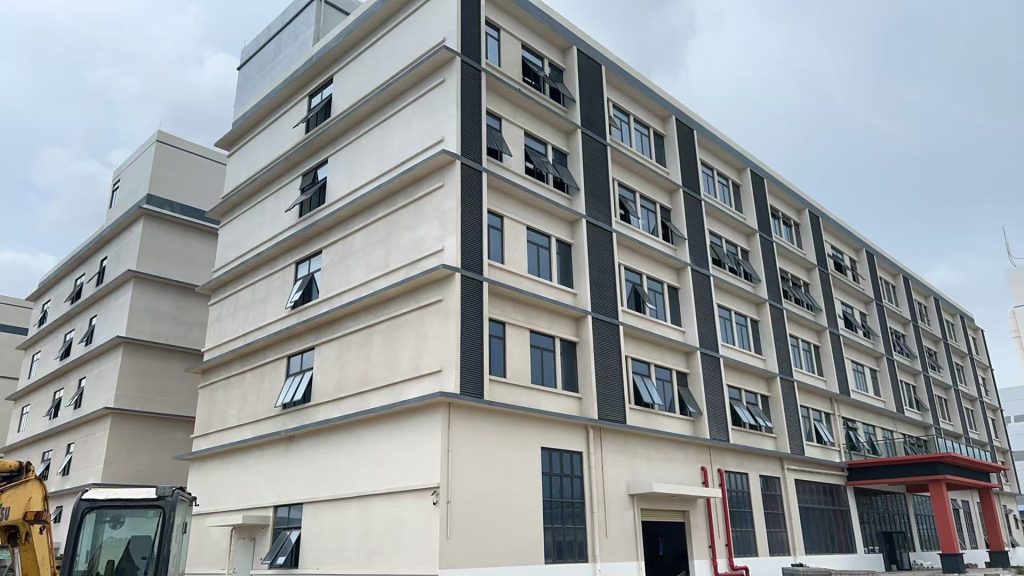
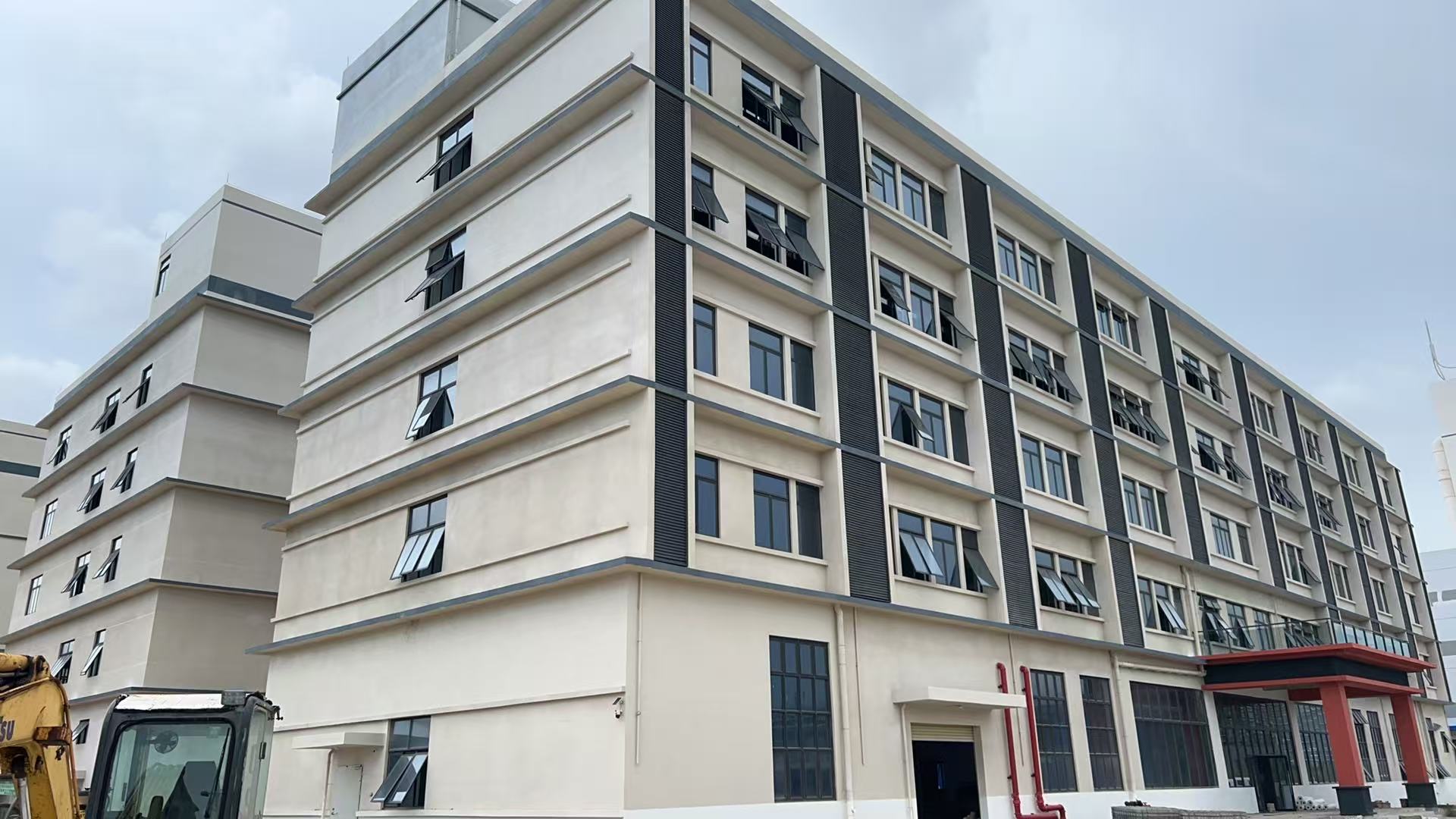
People can use this primer widely. It works on outside walls. This includes nice homes. It works on big buildings. Factories use it. Hospitals use it. Schools use it. Warehouses use it. It protects many buildings.
How do people prepare and apply this primer?
This primer is a white powder. It is one part. Workers add water. They mix it well. This makes it easy to use. Its fine feel helps smooth it. It sticks well to the wall.
See Also
Your Ultimate Guide To Selecting Concrete Densifiers, Hardeners, And Sealers
Discovering Healthy Homes: The Future Of Inorganic Anion Wall Paint
Unveiling The True Distinctions Between Concrete Densifiers And Hardeners
Essential Insights: Understanding The World Of Concrete Bonding Agents
Selecting The Optimal Concrete Densifier For Your Warehouse Floor Needs
