


Choosing the right anti-mould interior wall coating for humid environments is crucial for your home. High humidity levels promote mould growth, which can damage your walls and affect your health. By selecting effective anti-mould paints, you protect your living space and ensure a healthier atmosphere for you and your family.
Key Takeaways
Choose anti-mould paints with strong moisture resistance to protect your walls from humidity and mould growth.
Look for paints with mould inhibitors like fungicides to effectively prevent mould and mildew on your surfaces.
Follow proper application techniques, such as cleaning surfaces and applying multiple coats, to enhance the durability of your anti-mould paint.
Key Features of Anti-Mould Paints
Moisture Resistance
Moisture resistance is a critical feature of anti-mould paints. In humid climates, walls often face high levels of moisture, which can lead to mould growth. You should choose paints specifically designed to resist water penetration. These paints create a barrier that prevents moisture from seeping into the walls. Here are some essential aspects of moisture-resistant paints:
Water Resistance: Look for paints that offer strong water-resistant properties. This feature helps protect your walls from moisture damage.
Durability: Select paints that can withstand the test of time in high-humidity areas. Durable paints resist peeling and cracking, ensuring long-lasting protection.
Breathability: Some paints allow walls to “breathe.” This means they enable moisture to escape without getting trapped behind the paint, reducing the risk of bubbling or peeling.
Mould Inhibitors
Mould inhibitors play a vital role in preventing mould growth on painted surfaces. Anti-mould paints contain specific additives, such as fungicides and antimicrobial agents. These ingredients effectively stop mould spores from germinating and spreading. When selecting an anti-mould paint, consider the following features:
Mould and Mildew Resistance: Choose paints formulated with mildew-resistant additives. These additives help prevent the growth of mould and mildew on your walls.
Anti-Fungal Properties: Look for paints that include anti-fungal agents. These properties ensure that your living space remains clean and healthy.
Broad Spectrum Protection: Some paints offer broad-spectrum protection against various mould and mildew species. This feature is especially important in humid environments.
By understanding these key features, you can make an informed decision when selecting the right anti-mould paint for your home. This choice will help you maintain a healthier living environment and protect your walls from moisture-related issues.
Science of Anti-Mould Ingredients
Common Chemical Components
Anti-mould paints often contain several chemical components that help prevent mould growth. Here are some common ingredients you might find:
Fungicides: These chemicals kill mould spores and prevent their growth. They are essential for maintaining a clean surface.
Biocides: Similar to fungicides, biocides target a broader range of microorganisms. They help keep your walls free from various types of mould and mildew.
Alkyd Resins: These resins provide durability and moisture resistance. They form a tough film that protects the underlying surface from moisture.
Understanding these components helps you choose the right paint for your needs.
Natural Alternatives
If you prefer eco-friendly options, several natural alternatives exist. These paints use plant-based ingredients to inhibit mould growth. Here are a few effective options:
Essential Oils: Oils like tea tree and lavender have natural antifungal properties. They can help keep mould at bay without harsh chemicals.
Clay Paints: Made from natural clay, these paints allow walls to breathe. They absorb moisture and reduce humidity levels, making them less prone to mould growth.
Milk Paint: This biodegradable paint contains casein, a protein found in milk. It has natural mould-resistant properties and is safe for indoor use.
Choosing natural alternatives can be a healthier option for your home and the environment.
Best Mold Resistant Paints for Humid Climates
When it comes to selecting the best mold-resistant paints for humid climates, two products stand out: Zinsser Mould Resistant Paint and Crown Trade Clean Extreme. Both options offer unique benefits that can help you maintain a healthy living environment.
Zinsser Mould Resistant Paint
Zinsser Mould Resistant Paint is a top-rated anti-mould paint known for its exceptional performance in humid conditions. This paint contains powerful mould inhibitors that prevent the growth of mould and mildew on your walls. Here are some key features:
Durability: Zinsser provides a long-lasting finish that resists peeling and cracking, even in high humidity.
Easy Application: You can apply it directly to previously painted surfaces without the need for a primer.
Wide Color Range: This paint comes in various colors, allowing you to choose a shade that complements your home decor.
Zinsser Mould Resistant Paint typically costs between $38 to $40 per gallon. While it may be slightly more expensive than regular latex paints, its effectiveness in preventing mould growth makes it a worthwhile investment.
Crown Trade Clean Extreme
Crown Trade Clean Extreme is another excellent choice for humid climates. This mould-proof paint offers a unique formulation that combines durability with easy cleaning. Here are some benefits:
Anti-Condensation Properties: This paint helps reduce condensation on walls, which is crucial in humid environments. It minimizes moisture buildup, lowering the risk of mould growth.
Washable Finish: The paint’s washable surface allows you to clean marks and stains easily, keeping your walls looking fresh.
Eco-Friendly: Crown Trade Clean Extreme is low in volatile organic compounds (VOCs), making it a safer choice for indoor air quality.
The price for Crown Trade Clean Extreme ranges from $50 to $100 per gallon, reflecting its high-quality formulation and effectiveness.
Additional Options: Anti-Condensation and Clay Paints
In addition to the above products, consider exploring anti-condensation paints and clay paints.
Anti-Condensation Paints: These paints are designed to reduce moisture buildup on walls. They work by creating a thermal barrier that helps maintain a stable temperature, preventing condensation and subsequent mould growth.
Clay Paints: Made from natural materials, clay paints allow walls to breathe. They absorb excess moisture, helping to regulate humidity levels in your home. This feature makes them less prone to mould growth, providing a healthier indoor environment.
Choosing the right mould-resistant paint can significantly impact your home’s health and longevity. By investing in quality products like Zinsser Mould Resistant Paint and Crown Trade Clean Extreme, you can effectively combat mould growth in humid climates.
Application Tips for Anti-Mould Interior Wall Coating
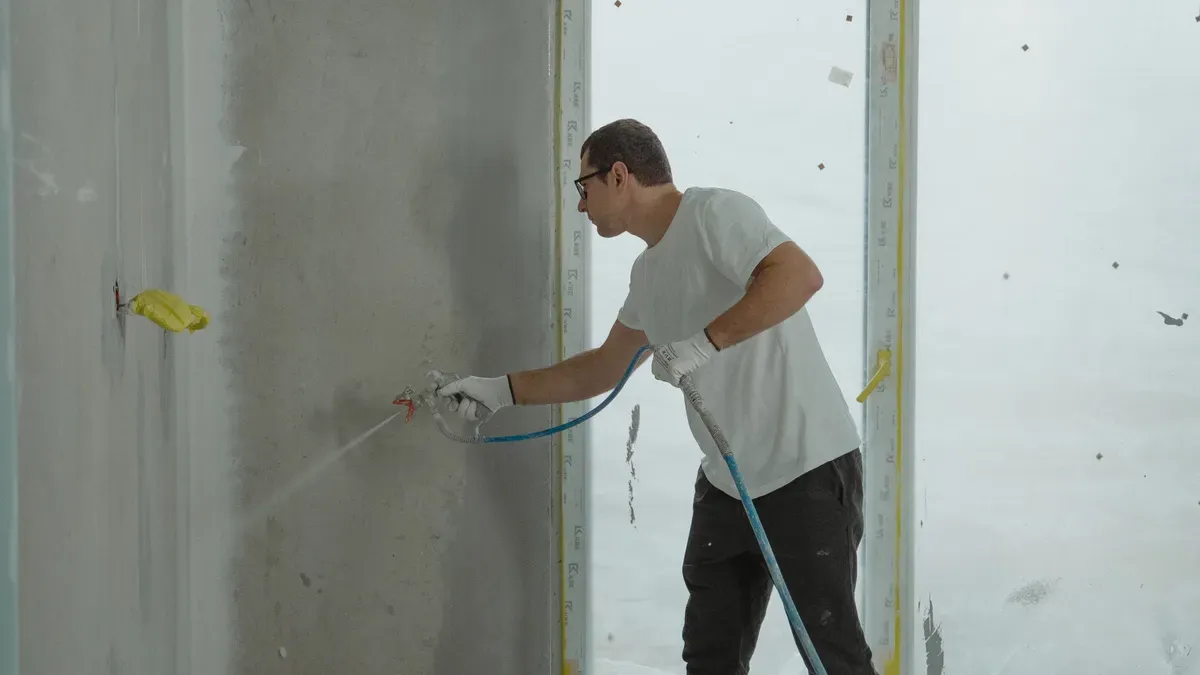
Surface Preparation
Proper surface preparation is essential for the effectiveness of your anti-mould interior wall coating for humid environments. Follow these steps to ensure a successful application:
Clean the Surface: Remove any dust, dirt, or grease from the walls. Use a mild detergent solution for cleaning.
Address Existing Issues: Treat any existing mould or moisture problems before applying paint. This step prevents future growth.
Repair Damages: Fill in cracks or holes with a suitable filler. Smooth the surface to create an even base for painting.
Prime if Necessary: If you are painting over a previously painted surface, consider using a primer designed for mould and mildew proof paint. This step enhances adhesion and durability.
Application Techniques
Using the right application techniques can significantly improve the durability and mould resistance of your paint. Here are some effective methods:
Use Quality Tools: Invest in high-quality brushes or rollers. These tools help create a smooth finish and ensure even coverage.
Follow Manufacturer Guidelines: Always adhere to the instructions provided by the paint manufacturer. This practice ensures maximum efficacy.
Apply Multiple Coats: For best results, apply two coats of paint. This technique creates a protective barrier on the painted surface, resisting moisture and mould spores.
Maintain Proper Conditions: Ensure good ventilation during application. This step helps the paint dry properly and reduces the risk of trapping moisture.
By following these tips, you can enhance the performance of your anti-mould paint and protect your home from mould growth effectively.
Safety Considerations with Anti-Mould Paints
Ventilation Requirements
When applying anti-mould paints, proper ventilation is crucial. Good airflow helps reduce the concentration of fumes and moisture in the air. Here are some tips to ensure adequate ventilation:
Open Windows: Keep windows open to allow fresh air to circulate. This practice helps disperse any harmful vapors.
Use Fans: Position fans to direct air out of the room. This action enhances airflow and speeds up the drying process.
Avoid Closed Spaces: Never work in a small, enclosed area without ventilation. Lack of airflow can lead to health risks.
Tip: If possible, choose a day with low humidity and good weather for painting. This choice will help the paint dry faster and reduce the risk of mould growth.
Protective Gear
Wearing protective gear is essential when working with anti-mould paints. These products often contain chemicals that can irritate your skin, eyes, or respiratory system. Here’s what you should wear:
Gloves: Use chemical-resistant gloves to protect your hands from paint and harmful substances.
Mask: A respirator mask can filter out harmful fumes. This protection is especially important in poorly ventilated areas.
Goggles: Safety goggles shield your eyes from splashes and irritants.
By following these safety measures, you can create a safer environment while applying anti-mould paints. Prioritize your health and comfort during the painting process.
In humid climates, selecting the best anti-mould paint is essential for preventing mold growth. Consider options like Zinsser Mould Resistant Paint and Crown Trade Clean Extreme. Both provide excellent moisture resistance and durability. For long-lasting results, follow proper application techniques.
Climate Challenge | Recommended System | Key Properties | Typical Lifespan | Application Notes |
|---|---|---|---|---|
Breathable mineral coating | Vapour permeable, mould resistant | 8-12 years | Allow extended drying between coats |
Take action today to protect your home from mould!
FAQ
What causes mold growth in high-humidity environments?
Mold thrives in high-humidity environments due to excess moisture. It can grow on walls, ceilings, and other surfaces if not controlled.
How can I prevent mold in my home?
To prevent mold, maintain low humidity levels, use anti-mould paints, and ensure proper ventilation throughout your home.
Is anti-mould paint effective against all types of mold?
Anti-mould paint effectively resists many types of mold, but it may not eliminate existing infestations. Always address underlying moisture issues first.
See Also
Discovering Inorganic Anion Wall Paint for Healthier Homes in 2025
Selecting Optimal Moisture Barriers for Walls and Floors in 2025
A Detailed Comparison of Moisture Barriers for Walls and Floors
2025 Guide to Concrete Dust Sealers for Commercial Environments
Your Home’s Essential Guide to Wall and Floor Moisture Barriers
