


Key Takeaways
Different concrete sealers exist. Penetrating sealers go inside the concrete. Topical sealers stay on top. Each type protects concrete in its own way.
Choose a concrete sealer based on where you use it. Think about how much traffic the area gets. Also, consider the look you want and how long you need it to last.
Properly prepare the surface before applying sealer. Clean it well. Apply the sealer evenly. Regular cleaning and reapplication help your concrete last longer.
Types of Concrete Sealers
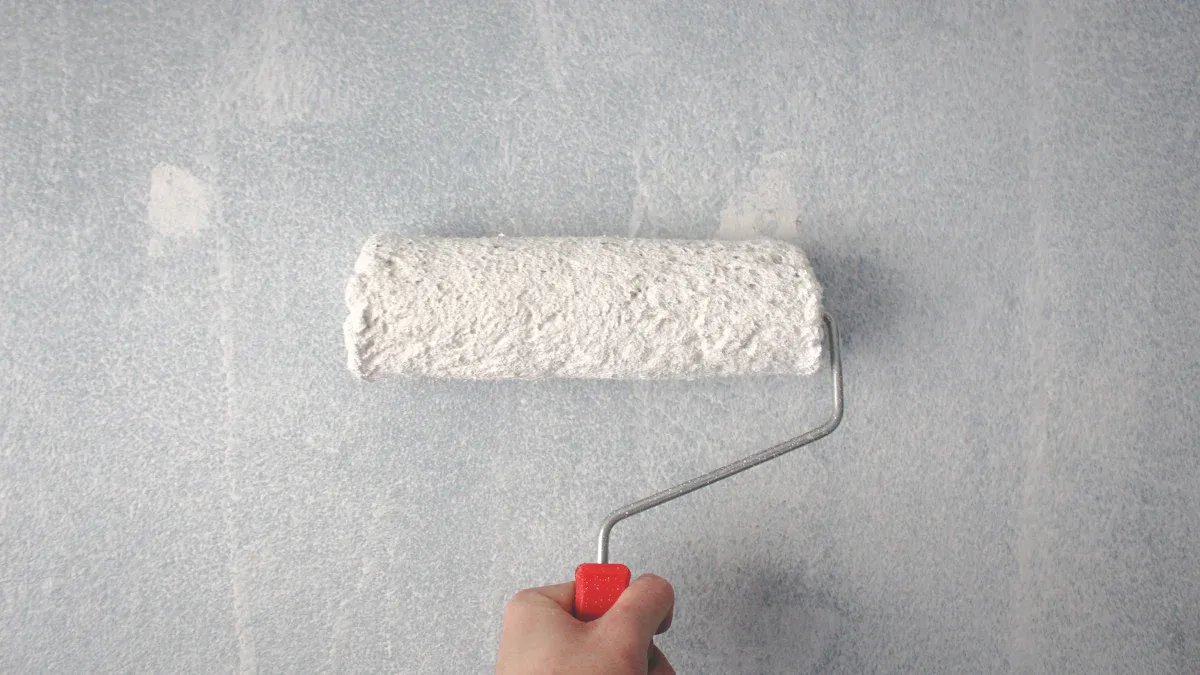
You’ll find many types of concrete sealers, each offering unique benefits for your surfaces. Understanding these types helps you choose the best concrete sealer for your project. Let’s explore the main types of concrete sealers available.
Penetrating Sealers
Penetrating sealers soak into your concrete, creating a protective barrier from within. Ghostshield Siloxa-Tek stands out as the best penetrating sealer. These sealers primarily consist of silanes and siloxanes. Many penetrating concrete sealer options are silane or siloxane-based. This deep-penetrating concrete sealer forms a new solid chemistry inside the concrete. They typically wear away only as the concrete surface itself wears away. A water-repellent concrete sealer can last 5-7 years or more. Densifiers and hardeners, another deep-penetrating concrete sealer, protect your concrete for 10 years or more. Penetrating sealers generally offer longer life expectancies than topical sealers.
Topical and Acrylic Sealers
Topical sealers form a protective layer on your concrete surface. Foundation Armor Concrete Sealer is an excellent choice if you need the best acrylic concrete sealer. Acrylic concrete sealers use acrylic polymer resin. You can also find chemically enhanced acrylic concrete sealers with added polyurethane, epoxy, or methyl methacrylate (MMA) for extra durability. These types of concrete sealers are popular for their ease of application and ability to enhance appearance. However, they sit on the surface, making them more prone to wear from traffic and weather. You will typically need to reapply acrylic concrete sealers every 1 to 3 years, depending on traffic and weather exposure.
Epoxy and Urethane Options
For maximum durability, consider epoxy coatings and urethane coatings. These concrete sealer types create a very tough, long-lasting surface. Epoxy coatings can significantly increase your concrete’s compressive strength. A clear, penetrating, high-solids epoxy concrete sealer can boost the top ~1/8” of concrete to approximately 10,000 psi. Two-part epoxy systems often show compressive strengths between 18,000 and 26,000 psi. Urethane coatings offer superior abrasion and chemical resistance, ideal for high-traffic areas. While epoxy coatings provide excellent hardness, urethane coatings often add flexibility and UV stability. Both epoxy and urethane coatings are great for garage floors and industrial settings.
Choosing the Best Concrete Sealer
When you pick a concrete sealer, several factors guide your decision. This buying guide helps you navigate the options.
Application Area and Traffic
First, consider where you will apply the concrete sealer. Is it a high-traffic driveway or a decorative patio? Heavy foot or vehicle traffic demands a more robust product. For outdoor areas, you need a concrete sealer that withstands weather. Some products are perfect for both indoor and outdoor use, offering versatility.
Desired Finish and Durability
What look do you want? You can choose a matte finish, a glossy sheen, or a “wet look.” Think about how long you want the protection to last. Some sealers require reapplication more often. For industrial settings, abrasion resistance is key. Clearseal 14, for example, shows 30 mg/loss (ASTM D4060) with a CS-17 Wheel, 1000g/1000 cycles, indicating its toughness. UV protection is also vital for outdoor applications. Micro-Seal SiH4 100% Silane Deep Penetrating Water Sealer offers 2,500 hours of UV resistance (ASTM G154) with no loss in repellency. Joint Seal 600 UV is also UV Proof under ASTM G-154.
Environmental Factors and Cost
Consider the environmental impact. Look for low VOC (Volatile Organic Compound) options. California, for instance, limits concrete curing and sealing compounds to 350 grams/liter VOC content. Your budget also plays a big role in this buying guide. High-performance options like epoxy coatings can cost $2 to $5 per square foot, including preparation. Polyurethane sealers for a 5000 sq ft area might run $1.75 to $3.00 per square foot. These high-solids, solvent-borne silane or siloxane blend sealers, including some penetrating concrete sealer types, offer enhanced performance and longevity, often for a decade or more. This buying guide helps you balance cost with long-term benefits like water resistance.
Best Concrete Sealers for Different Applications
You need to match your concrete sealer to its specific job. Different areas of your home or business face unique challenges. This section helps you find the perfect concrete sealer for your needs.
Driveways and Outdoor Spaces
Your driveway and other outdoor concrete areas take a lot of abuse. They need a concrete sealer that can handle UV rays, heavy traffic, and harsh weather. You want breathability to prevent moisture issues, especially in colder climates with freeze-thaw cycles. You also need good slip-resistance for safety.
For driveways, you should look at products like PROSOCO’s SurePRO, GuardEXT, SL100, and Concrete Silane WB-20. These are excellent choices for the best driveway concrete sealers.
Siloxane sealers offer a breathable barrier. This makes them great for areas with freeze-thaw cycles because they let moisture escape.
Silane/Siloxane blends combine the benefits of both, giving you a strong option for residential driveways.
Epoxy sealers, while tough for high-traffic spots, are less breathable. They can trap moisture in outdoor areas like driveways, so you might want to avoid them there.
SEAL CURE-25 is a clear, UV-resistant, solvent-based acrylic copolymer. It cures, hardens, seals, and dustproofs your concrete. When you apply it correctly, its breathable film lets moisture in cured concrete evaporate. This makes it suitable for exterior concrete surfaces like driveways, giving you a durable, long-lasting finish.
Best Patio Concrete Sealers
Patios are where you relax and entertain, so you want a concrete sealer that protects and enhances their look. You might want to darken the concrete or give it a low-gloss finish. Foundation Armor AR350 Wet Look Concrete Sealer is a great choice for this. It darkens your concrete and provides a low-gloss, “wet look” finish.
Low-use walkways, similar to patios, might last closer to 36 months. But if you have deep shade and poor airflow, you might need to reapply sooner due to increased algae and moisture. A matte, penetrating concrete sealer might allow for longer intervals, but you’ll get less color enhancement.
Garage and Interior Floors
Garage floors and interior concrete surfaces need serious protection, especially against oil, chemicals, and heavy impacts. You want the best garage floor concrete sealers to keep these areas looking good and performing well. Ameripolish SR2 offers superior protection against stains for residential concrete.
For superior protection against stains from oils, fuels, and transmission fluids, look for a penetrating concrete sealer with higher active ingredients. Specifically, you want silane, siloxane, and fluorocarbons. Fluorocarbons are crucial for oil protection. Siloxane provides water protection on the surface, and silane ensures inner protection and proper bonding.
Sealing products using fluoropolymer resins offer superior protection against stains compared to other treatments. They are the next generation of surface protectors. Fluoropolymer-based penetrating concrete sealer options provide an invisible, non-slippery, long-lasting oil and water stain resistance. Unlike silane and siloxane sealers, which mainly prevent water, fluoropolymer sealers are highly resistant to oils, petroleum products, fat, and grease. These sealers penetrate porous materials, creating a barrier that ‘locks-out’ oils, water, and soil. This causes liquids to bead up for easier cleanup. Examples like CoverSeal PEN 55 and CoverSeal PREMIUM are ideal for garages and other areas exposed to oils and chemicals.
Decorative and Stamped Concrete
Decorative and stamped concrete surfaces are all about aesthetics. You want a concrete sealer that enhances their patterns and colors. Sealers deepen the color of stamped concrete for a richer appearance. When you choose a sealer, think about the gloss level. This can range from satin (a subtle, natural look) to high gloss (a brilliant, high-impact visual, often called ‘wet look’ sealers that mimic wet concrete with deepened color).
SuperSeal30 is a great choice if you want a higher-gloss finish for your stamped concrete.
Acrylic Sealers are often recommended for decorative results on stamped concrete, offering great aesthetic appeal.
Ghostshield Cryli-Tek 5500 is a water-based acrylic sealer that gives you a low sheen finish.
Ghostshield Cryli-Tek 5505 is a high-gloss, wet-look decorative concrete and paver sealer that enhances and protects stamped concrete.
Other excellent options for enhancing stamped concrete include:
Brickform Gem-Seal: This provides a durable, high-gloss, wet look.
Brickform Gem Cure & Seal: It helps minimize moisture loss in newly placed concrete while enhancing its appearance.
Brickform Stealth-Seal: This offers effective protection with a no-gloss finish, perfect for a subtle look.
Brickform Safety-Seal: Designed for slip-resistant surfaces, it’s ideal for pool decks or wet areas, while still enhancing the concrete.
After you apply the concrete sealer to your decorative surfaces, you need to allow proper curing time.
Here’s a general timeline for full use:
12-48 hours after initial drying: Your surface is safe for light foot traffic.
36 hours-7 days: You can allow vehicle traffic.
7 days: The sealer achieves maximum hardness, durability, and water resistance, allowing for free use.
72 hours: Manufacturers advise waiting this long before heavy traffic or placing furniture. This allows the sealer to fully harden and bond correctly.
Finally, for the best overall concrete sealer in 2025, consider TotalBoat Concrete Coating. It offers a versatile solution for many different applications.
BANDě Concrete Sealer: Features and Uses
Key Benefits of BANDě
You will find BANDě concrete sealer offers some impressive advantages. This concrete sealer is water-based, making it easy to work with and environmentally friendly. It is colorless, odorless, non-toxic, and non-flammable. These clear liquids contain a high active ingredient concentration. This means you get powerful protection without harsh chemicals or strong smells. You can feel good about using a product that is safe for your family and pets. BANDě provides a durable, invisible barrier. It protects your concrete surfaces effectively against moisture and wear. Its non-toxic nature also means you do not need extensive ventilation during application.
Ideal Applications for BANDě
BANDě concrete sealer shines in many situations. You can use it on interior floors, like basements or utility rooms, because it is non-toxic and odorless. This makes it a great choice for areas where air quality is a concern. It is also perfect for outdoor patios and walkways. Its water-based nature allows for easy cleanup after application. You will find it works well on driveways too, offering excellent protection against the elements and everyday spills. Compared to some solvent-based options, BANDě is much safer for indoor use. It gives you peace of mind, knowing you are using a high-performance concrete sealer without the harsh side effects.
Application Tips for BANDě
Applying BANDě concrete sealer is straightforward. First, make sure your concrete surface is clean and completely dry. Any dirt or moisture can affect adhesion. You can use a roller, brush, or sprayer for application. Apply thin, even coats to avoid streaks or uneven finishes. Avoid puddling the product on the surface. Let each coat dry completely before applying the next. This ensures proper curing and maximum effectiveness. Always follow the specific instructions on the product label for the best results. Proper application ensures maximum protection and longevity for your concrete.
Proper Sealer Application and Maintenance
You need to apply your concrete sealer correctly for the best results. Proper application ensures your concrete surfaces stay protected and look great for a long time.
Essential Surface Preparation
First, prepare your surface. This step is crucial for good adhesion. You must clean the surface thoroughly. Remove all debris, oil, dirt, grease, and any old concrete sealer. Use a stripper if you have residual sealer. For porous surfaces like concrete, you might need abrasion cleaning. This removes laitance or old coatings. After cleaning, remove dust with a stiff brush or vacuum.
Next, profile the concrete surface. The bare concrete should look matte and feel microscopically rough. This creates a good mechanical bond. A light grinding achieves a CSP 2 profile. This profile is ideal for many thin-film applications, including sealers. If you acid etch, neutralize the surface to ensure a pH above 4. Always test a small area first to check adhesion.
Maintenance for Longevity
Maintain your sealed concrete to extend its life. Routine cleaning is essential. Dust mop daily and wet mop periodically with pH-neutral cleaners. Promptly clean up spills. Inspect your surfaces regularly for cracks or wear. Address any damage quickly. You should reapply a concrete sealant every few years. A complete resealing every 2-5 years is often recommended. This helps determine how long does a concrete sealer last. Monitor your surfaces as seasons change. This proactive approach keeps your concrete looking its best.
Picking the perfect concrete sealer really matters. You now understand the various types and key factors for choosing. Always match the concrete sealer to your specific project. Apply it carefully for the best results and lasting protection. Your well-maintained concrete surfaces will look great and add value for years!
FAQ
How often should I reapply concrete sealer?
You should reapply concrete sealer every 1-5 years. This depends on the sealer type, traffic, and weather. Always check your specific product’s recommendations.
Can I apply sealer over old sealer?
You can apply some sealers over old ones. Always check compatibility first. You might need to strip the old sealer for best results and adhesion.
What’s the difference between penetrating and topical sealers?
Penetrating sealers soak into your concrete, protecting it from within. Topical sealers form a protective layer on the surface. Each offers different benefits.
See Also
Selecting The Optimal Concrete Protective Sealer: An Essential Buyer’s Guide
BANDě Concrete Sealer: Ultimate Selection Guide For Peak Performance In 2025
Top Concrete Sealers For Surviving Harsh Canadian Winter Weather Conditions
Protecting Concrete: Best Sealers For South Africa’s Intense Sun And Heat
Choosing The Ideal Concrete Densifier For Your Warehouse Floor’s Durability
