

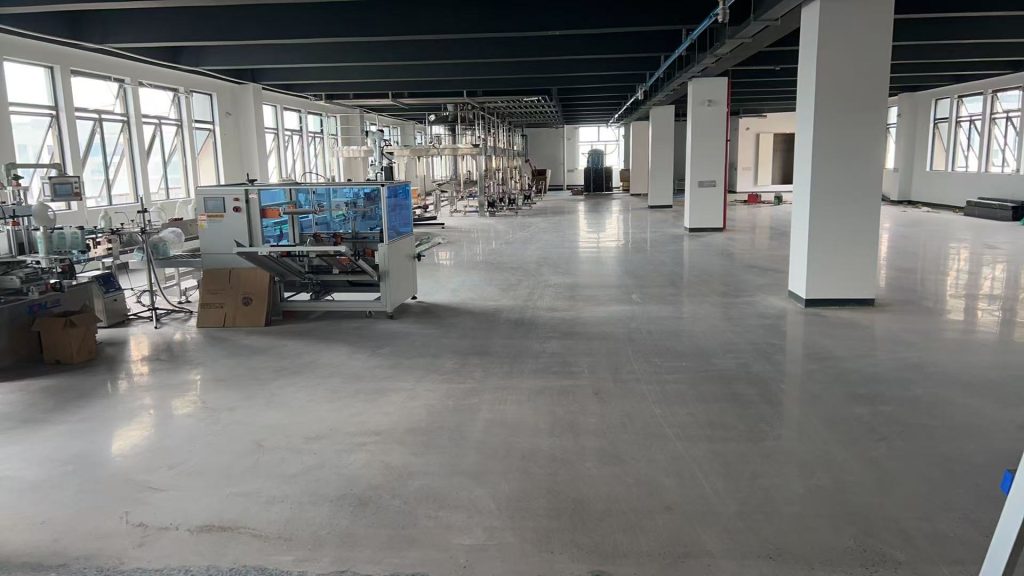
South Africa’s intense sun and scorching heat pose unique challenges for your concrete floors. You need proper concrete sealing south africa to protect them. Without effective sealing, your concrete will crack, fade, and show wear much faster. This makes concrete floor sealing essential. This post guides you in selecting and applying the most effective concrete sealer. You will learn how to choose the right sealer for lasting protection. Proper sealing concrete ensures your floors remain durable and attractive.
Key Takeaways
South Africa’s sun and heat damage concrete. Sealing protects concrete from UV rays, temperature changes, and moisture. This keeps concrete strong and looking good.
Different sealers work for different needs. Acrylic sealers are easy to use and good for UV. Epoxy sealers are very strong. Urethane sealers resist scratches and UV. Penetrating sealers offer invisible protection.
Choose your sealer based on sun exposure, how you use the concrete, and the look you want. Also, think about the cost. Professional sealing can cost R80 to R250 per square meter.
Proper cleaning and application are very important. Clean the concrete well before sealing. Make sure the concrete is dry. Follow the sealer’s instructions. Let the sealer cure fully.
Why Concrete Sealing is Essential for South Africa
South Africa’s environment constantly challenges your concrete surfaces. You face intense UV radiation, extreme temperature shifts, and even dust. These factors degrade unsealed concrete quickly. Effective concrete sealing South Africa protects your investment. It extends the lifespan of your floors and keeps them looking great.
Protecting Against Intense UV
The sun’s powerful UV rays are a major enemy for concrete. They cause fading and discoloration. Over time, UV exposure also weakens the concrete surface itself. A good sealer acts like sunscreen for your floor. It blocks harmful UV, preserving the original color and integrity of your concrete. This protection is vital for any outdoor or sun-exposed area.
Mitigating Heat Damage
South Africa experiences significant temperature fluctuations. In Gauteng, for example, outdoor concrete faces wide temperature swings. Durban sees average temperatures from 17°C to 28°C. This constant expansion and contraction, known as thermal cycling, stresses your concrete. A 10°C temperature change can make a 10-meter concrete wall expand by 0.6 mm. This movement creates micro-cracks. Extreme temperature cycles also lead to cracking and spalling. A quality sealer helps mitigate these thermal stresses. It reduces the rate at which your concrete heats and cools. This lessens the internal movement and prevents crack formation.
Preventing Moisture and Stains
Moisture is another big problem for concrete. South Africa’s diverse climate, with intense summer rainfall, brings various moisture issues. You might encounter rising damp from ground moisture or lateral damp from poor drainage. Failed waterproofing systems on roofs can also lead to leaks. Condensation and structural leaks further threaten your concrete. These issues cause unsightly yellow or brown stains and weaken the concrete over time. Concrete floor sealing creates a barrier. It prevents water, oils, and other liquids from penetrating the surface. This stops stains before they start and protects against moisture damage. The benefits of using a cement tile sealer extend to concrete, keeping it clean and dry.
Enhancing Durability and Appearance
The importance of sealing concrete cannot be overstated for its long-term health. Beyond protection from UV, heat, and moisture, sealing significantly boosts durability. It hardens the surface, making it more resistant to abrasion and wear from foot traffic or vehicles. This means fewer chips and scratches. A good sealer also enhances the aesthetic appeal of your concrete. It can deepen its color or add a subtle sheen, making your floors look polished and well-maintained. Regular sealing ensures your concrete remains strong and beautiful for many years. This makes concrete sealing South Africa a smart choice.
Best Concrete Sealer Types for Harsh Climates
Choosing the right concrete sealer is crucial, especially with South Africa’s harsh climate. You need a product that stands up to intense sun, heat, and daily wear. Let’s explore the best types of concrete sealers available and how they perform under these challenging conditions.
Acrylic Sealers: Pros and Cons
Acrylic sealers are a popular choice for many homeowners and businesses. They are typically made from acrylic co-polymers, like Acryseal, which are excellent for binding and sealing porous surfaces. These sealers offer good water resistance. You will find both solvent-based and water-based options. Solvent-based sealers usually contain a mix of resin, solvents, and various additives. Water-based acrylics, such as GripCure Acrylic, act as a membrane to help new concrete cure by keeping moisture in.
Pros:
Easy to Apply: You can usually apply acrylic sealers with a sprayer or roller.
Cost-Effective: They are generally more affordable than other types of sealers.
Good UV Resistance: Many acrylic sealers offer premium UV resistance. For example, Aquatecc Sealer provides superior UV protection, preventing yellowing and weathering, especially with its wax-enhanced waterborne topcoat.
Enhances Appearance: They can bring out the color of your concrete and provide a nice sheen.
Cons:
Less Durability: Acrylics are not as hard-wearing as epoxies or urethanes. They may need reapplication every 1-3 years, especially in high-traffic areas or under constant sun exposure.
Limited Chemical Resistance: They offer less protection against oil, grease, and other chemicals.
Can Scratch: They are more prone to scratching and scuffing.
Epoxy Sealers: Durability and Heat
Epoxy sealers are known for their exceptional durability and strength. These are typically two-part systems that create a very hard, protective layer on your concrete. They work by forming a thick, impermeable barrier that bonds strongly to the concrete surface. Products like Sikadur®-52 ZA, an injection/poured epoxy resin, show the versatility of epoxy for both structural and non-structural applications.
Pros:
Extreme Durability: Epoxy sealers are incredibly tough, resisting abrasion, impact, and heavy traffic.
Excellent Chemical Resistance: They stand up well to oils, fuels, and many chemicals, making them ideal for garages and industrial floors.
Heat Tolerance: Once cured, epoxy can handle high temperatures without softening or degrading.
Long Lifespan: An epoxy sealer can last many years, often 5-10 years or more, depending on traffic and conditions.
Cons:
UV Sensitivity: Many standard epoxies can yellow or chalk when exposed to direct sunlight for extended periods. You need to choose UV-stable epoxy if your concrete is outdoors.
Application Difficulty: They require precise mixing and quick application, as they have a limited pot life.
Slippery When Wet: Epoxy surfaces can become slippery when wet, so you might need to add anti-slip additives.
Urethane Sealers: UV and Abrasion
Urethane sealers offer a fantastic balance of durability, flexibility, and UV resistance. They are often used as a top coat over epoxy for added protection. Urethane sealers form a very tough, flexible film that resists abrasion and chemicals. You will find products like a.b.e.® seal finisol, a 2-part top coat, which exemplifies the protective qualities of urethanes. Many urethane sealers are solvent-based thin film polyurethanes, like UV Sealer Colours 5Lt, known for high abrasion resistance and UV stability. For superior resistance to abrasion and UV light, you can look at two-component polyether polyurethane sealants such as MSA-299 GG and MSA-299 LV. Even solvent-free, two-part polyether-based coatings like MSA-611 HI-BUILD include aluminum micro flakes for UV stability and good wear resistance.
Pros:
Superior Abrasion Resistance: Urethane is much tougher than acrylics and often outperforms epoxy in terms of scratch and abrasion resistance.
Excellent UV Stability: They resist yellowing and degradation from sunlight, making them ideal for outdoor use.
Flexibility: Urethane sealers are more flexible than epoxy, which helps them withstand temperature changes without cracking.
Chemical Resistance: They offer good resistance to a wide range of chemicals.
Cons:
Higher Cost: Urethane sealers are generally more expensive than acrylics and often epoxies.
Application Challenges: They can be more challenging to apply, often requiring specific environmental conditions and proper ventilation.
Odor: Solvent-based urethanes can have strong fumes during application.
Penetrating Sealers: Invisible Protection
Penetrating sealers, unlike film-forming sealers, do not create a visible layer on the surface. Instead, they soak into the concrete and react chemically to form a barrier within the pores. These sealers typically use silanes, siloxanes, or silicates. Sikafloor® CureHard GL, a water-soluble product for existing power troweled, polished, or grinded concrete, is an example of a penetrating treatment that hardens and dust-proofs the surface. Resiblock 22 is another type, a paving jointing stabilizing sealant, which also works by penetrating.
Pros:
Invisible Finish: They do not change the look or texture of your concrete, maintaining its natural appearance.
Breathable: Penetrating sealers allow moisture vapor to escape from the concrete, preventing issues like efflorescence and delamination.
Long-Lasting: Because they are inside the concrete, they do not wear off the surface and can last for many years.
Excellent Water Repellency: They are very effective at repelling water and preventing moisture absorption.
Cons:
No Surface Protection: They do not protect against surface abrasion, scratches, or chemical spills that sit on the surface.
No Aesthetic Enhancement: If you want a glossy finish or color enhancement, this is not the sealer for you.
Cannot Hide Imperfections: They will not hide any existing stains or imperfections on your concrete.
Choosing the Right Concrete Floor Sealing
You need to make smart choices when you select a concrete sealer. Your specific project needs, location, and budget all play a role. This guide helps you decide on the best concrete floor sealing for your situation.
Assess Sun and Heat Exposure
First, look at how much sun and heat your concrete gets. If your area has direct, intense sunlight for most of the day, you need a sealer with high UV resistance. For concrete exposed to extreme temperature swings, choose a flexible sealer. This helps prevent cracking. A good sealer will protect your investment.
Match Sealer to Traffic and Use
Think about how you use your concrete. Is it a patio with light foot traffic? Or is it a garage floor with heavy vehicles and potential oil spills? High-traffic areas need more durable options like urethane or epoxy. For areas prone to stains, a chemical-resistant sealer is best. This ensures your sealing lasts.
Consider Aesthetic Preferences
Do you want your concrete to look natural, or do you prefer a glossy finish? Penetrating sealers offer invisible protection. They do not change the look of your concrete. Acrylic sealers can enhance color and add a slight sheen. Epoxy sealers often provide a high-gloss, wet look. Your choice depends on the appearance you want.
Understand Cost and Regulations
Cost is always a factor. Professional concrete floor cleaning and sealing in South Africa can range from R80 to R250 per square meter. Here is a breakdown of typical professional costs:
Category | Cost Range (ZAR/m²) |
|---|---|
General Professional Cleaning & Sealing | R80 – R250 |
Residential Projects | R80 – R200 |
Commercial Projects | R100 – R300 |
Material costs also vary. Basic concrete sealers typically cost R50 to R100 per square meter. High-performance options can go up to R250 per square meter. Epoxy concrete paint, a durable sealer, starts at R150 per square meter. Latex concrete paint, a budget-friendly option, costs R50 to R100 per square meter. Consider these costs when you plan your concrete floor sealing. You might also want to check local VOC (Volatile Organic Compound) regulations in South Africa. Choose environmentally friendly options when possible. This helps you make a responsible choice for your concrete sealing South Africa project.
Preparation and Application for Sealing Concrete
You have chosen the right sealer for your concrete. Now, proper preparation and application are just as important. These steps ensure your sealer works its best and lasts a long time. Skipping these can lead to big problems.
Essential Surface Cleaning
Before you even think about applying a sealer, you must clean your concrete surface thoroughly. This is a critical first step. You need to remove all dust, grime, and debris. A pressure washer works well for this, or even a good broom for lighter dirt.
Before any application, surfaces must be clean, structurally sound, and free from laitance, dust, grease, and oil. The most effective preparation method is vacuum abrasive blast cleaning. Alternatively, wet grinding followed by vacuuming can also be used to achieve the desired surface quality.
Here’s how you can prepare your concrete:
Clean the slab: Use a pressure washer or broom to remove dust, grime, and debris.
Repair imperfections: Patch any visible cracks or flaws. Use a high-quality crack filler or a suitable sealer for this. Ignoring cracks and joints is a critical error. Water can exploit even the smallest openings. Always fix these issues before applying any coating.
Smooth the surface: Sand down uneven areas. This creates a level base for your waterproofing layer.
For cleaning, you have several options:
Cleaning Method/Agent | Application/Purpose |
|---|---|
Pressure Washer | Moisten facade, remove coarse dirt, apply cleaning agent, rinse dirt and foam. |
STIHL RA 110 Surface Cleaner | Cleans horizontal and vertical surfaces quickly, adjustable water pressure. |
Household Cleaning Products (Hot water, scrubbing brush, soft soap/washing-up liquid) | Suitable for small surfaces and light soiling. |
STIHL Stone and Facade Cleaner | Can be applied with a high-pressure cleaner or manually with a sprayer; effective for algae removal. |
Sodium Carbonate (Washing soda/soda crystals) | Environmentally friendly option for reliably removing algae. |
Sprayer | For even distribution of cleaning agents. |
Wash Brush Attachment (Rotary/Flat) | For scrubbing walls if necessary. |
Garden Hose | To moisten the facade before applying cleaning agents. |
Warm water and washing-up liquid | For soaking and removing bird droppings. |
Sometimes, you need to etch the concrete. This helps the sealer stick better. To improve paint adhesion on smooth concrete surfaces, an etching solution creates a rough texture.
Open the cement’s pores.
Use a concrete etcher or a solution of muriatic acid to achieve this.
Moisture Testing Importance
You must never seal wet concrete. This is a crucial rule.
Concrete cures via hydration and shouldn’t be sealed with more than 4 to 5% moisture. Wet concrete sealer fails.
Sealing wet concrete traps moisture. This causes cloudiness and can make your sealer fail completely. You need to test your concrete’s moisture content. It should not exceed 4 to 5%.
Here are ways to test for moisture:
Wood Moisture Equivalent (WME): Pin-type and some pinless meters use this. They measure moisture in materials like screed or plaster as if they were wood. A range of 0-8% WME is dry. 8-15% is acceptable for interior conditions.
Carbide Method Equivalent (CM%): This is common for cement screeds and concrete. It measures moisture content compared to the industry standard Carbide Method. Results under 4% CM are generally good for screeding and glue-down vinyl.
Relative Humidity (RH%): In-situ probes and advanced digital meters use this. They measure the internal relative humidity of the substrate (0–100% RH). Less than 75% RH is safe for most resilient flooring. Above 90% is too wet.
Conductivity / Comparative Scales: Non-invasive (surface) meters use these. They measure electrical impedance or capacitance. This gives a relative indication of moisture. Scales often include 0-100, green–yellow–red zones, or ‘Dry / Damp / Wet’ indicators. These are useful for quick scans and comparing areas.
You can use different tools for these tests:
Pin-type moisture meter: These meters use small steel probes. They measure moisture by circulating current between the pins. They assess resistance. They offer depth readings. You can use them for plaster, plasterboard, concrete, and wood. They measure moisture content at the pin points.
Pinless moisture meter (non-damaging meter): These meters have a sensor pad. It transmits an electromagnetic signal. This assesses moisture levels on contact. They detect fluctuations in wave movement data. They do not penetrate or damage the material. This makes them ideal for flat surfaces. They assess a greater material area.
Proper Application Techniques
Getting the application right is key to successful sealing concrete. Many common mistakes can ruin your efforts.
Applying too much sealer can lead to a sticky, uneven surface.
Not preparing the surface properly, as dirt and oil will prevent proper adherence.
Sealing wet concrete traps moisture, causing cloudiness.
Skipping reapplication, which results in aged sealer losing its effectiveness.
You should always follow the manufacturer’s application guidelines. Use quality tools like brushes, rollers, or sprayers. A popular method is the “spray and back roll” technique. You spray the sealer evenly, then immediately follow with a roller to spread it out and remove any puddles. This ensures even coverage and prevents over-application.
Applying the sealer too thinly will compromise its waterproofing capabilities. Applying it too thickly can lead to cracking or prolonged curing times. It’s better to apply thinner layers that cure properly than to rush with a single thick coat.
Skipping the primer is another significant mistake. A primer is essential for waterproofing. Without it, the topcoat may not bond correctly. This leads to issues like peeling, bubbling, or complete failure. Always prepare the surface with a suitable primer. This simple step makes a substantial difference.
Curing and Reapplication
After you apply the sealer, you need to let it cure properly. This is the final step in concrete floor sealing. Rushing the curing process can negate all your hard work. Allow each layer enough time to cure before applying the next.
Most concrete sealers typically require 24-48 hours to completely cure.
For ‘Cementek’ sealers, a minimum of 4 hours of curing is necessary between coats.
‘Klinka Seal’ requires a minimum of 48 hours to fully cure before you can paint it.
Protect the freshly sealed surface during curing. Keep foot traffic and heavy objects off it. In exposed or warm environments, using acrylic-based curing compounds can help. These protect the surface and ensure even, controlled curing.
Finally, establish a reapplication schedule. Skipping reapplication results in aged sealer losing its effectiveness. Regular reapplication ensures optimal longevity for your sealing concrete. This keeps your concrete protected and looking great for years.
You now understand the vital role of a high-performance sealer for your concrete, especially against South Africa’s extreme sun and heat. Choosing the right sealer—whether acrylic, epoxy, urethane, or penetrating—depends on your specific project needs. Remember, proper surface preparation and application are just as critical as the sealer itself for lasting protection. Invest time in your concrete floor sealing research and preparation; it ensures your floors remain durable and attractive for years. This makes concrete sealing South Africa a smart choice.
FAQ
How often should you reseal your concrete?
You should reseal your concrete every 1-5 years. The exact timing depends on the sealer type and traffic. Acrylics need more frequent reapplication. Urethanes and penetrating sealers last longer. Always check the manufacturer’s recommendations for best results.
Can you apply concrete sealer yourself?
Yes, you can apply many concrete sealers yourself. Proper surface preparation is crucial. Follow all instructions carefully. Ensure the concrete is clean and dry. For large or complex projects, consider hiring a professional. They ensure a flawless finish.
What happens if you do not seal your concrete in South Africa?
Unsealed concrete in South Africa faces rapid degradation. Intense UV rays cause fading and cracking. Heat fluctuations lead to thermal stress. Moisture penetration results in stains and spalling. Your concrete will look old and wear out much faster. 😥
Will a sealer change your concrete’s appearance?
It depends on the sealer type. Penetrating sealers offer invisible protection. They do not alter the look. Acrylics and epoxies can enhance color. They often add a glossy or wet look. Choose a sealer that matches your desired aesthetic. ✨
See Also
Selecting The Optimal Concrete Protective Sealer: An Essential Buyer’s Guide
Understanding Concrete Densifiers, Hardeners, And Sealers: A Complete Buying Guide
Achieving A Dust-Free Floor: Applying Concrete Dust Sealer Effectively
Choosing The Ideal Concrete Densifier For Your Warehouse Flooring Needs
Cement Crack Sealer Mastery: Your Ultimate Guide To Lasting Repairs
