


Maintaining your commercial interior walls is crucial for both appearance and longevity, especially when working with a reliable commercial interior wall coating supplier in the Philippines. Well-kept walls enhance your space’s overall look and help prevent costly damage. You should be aware that painted walls typically need touch-ups and repainting every few years. In contrast, interior wall panels require only simple cleaning with mild soap and water, reducing maintenance efforts significantly.
Key Takeaways
Establish a daily cleaning routine to keep your walls fresh and prevent dirt buildup. Use a soft cloth and spot clean stains immediately.
Conduct annual inspections to identify damage early. Look for cracks, peeling paint, and water stains to address issues before they worsen.
Choose the right wall coatings for long-term protection. Options like epoxy and polyurethane can enhance durability and reduce maintenance needs.
Cleaning Practices
Daily Routines
Establishing a daily cleaning routine is essential for maintaining the integrity of your commercial interior walls. Regular cleaning helps keep your walls looking fresh and prevents the buildup of dirt and mildew. However, daily cleaning alone may not be enough. It can sometimes redistribute soil rather than remove it, leading to long-term damage. Without scheduled deep cleaning, hidden contaminants can accumulate, resulting in persistent odors and deterioration of surfaces. To avoid these issues, consider incorporating the following practices into your daily routine:
Use a soft cloth or microfiber duster to wipe down walls.
Spot clean any visible stains immediately to prevent them from setting.
Check for signs of mildew, especially in humid areas, and address them promptly.
Recommended Products
When selecting cleaning products, choose those that are gentle yet effective. Avoid harsh chemicals that can damage your wall finishes. Instead, opt for mild soap solutions or specialized wall cleaners designed for commercial use. Here are some recommended products:
Mild dish soap mixed with warm water for general cleaning.
Vinegar solution (1 part vinegar to 3 parts water) for removing mildew.
Commercial wall cleaners that are pH-balanced and safe for your wall materials.
Always test any new product on a small, inconspicuous area before applying it to the entire wall. This step ensures that the cleaner will not cause discoloration or damage.
Rinsing Techniques
Proper rinsing is crucial to ensure no residue remains on your walls after cleaning. Residue can attract more dirt and lead to unsightly streaks. Here are effective rinsing techniques to follow:
Rinse off cleaning solutions with clean hot water and a clean sponge.
Use a fresh or disposable cloth pad to address any streaks.
Change the clean water in each new room to ensure thorough rinsing.
By following these rinsing techniques, you can maintain the appearance of your walls and extend the time between paint maintenance.
Inspections and Repairs
Identifying Damage
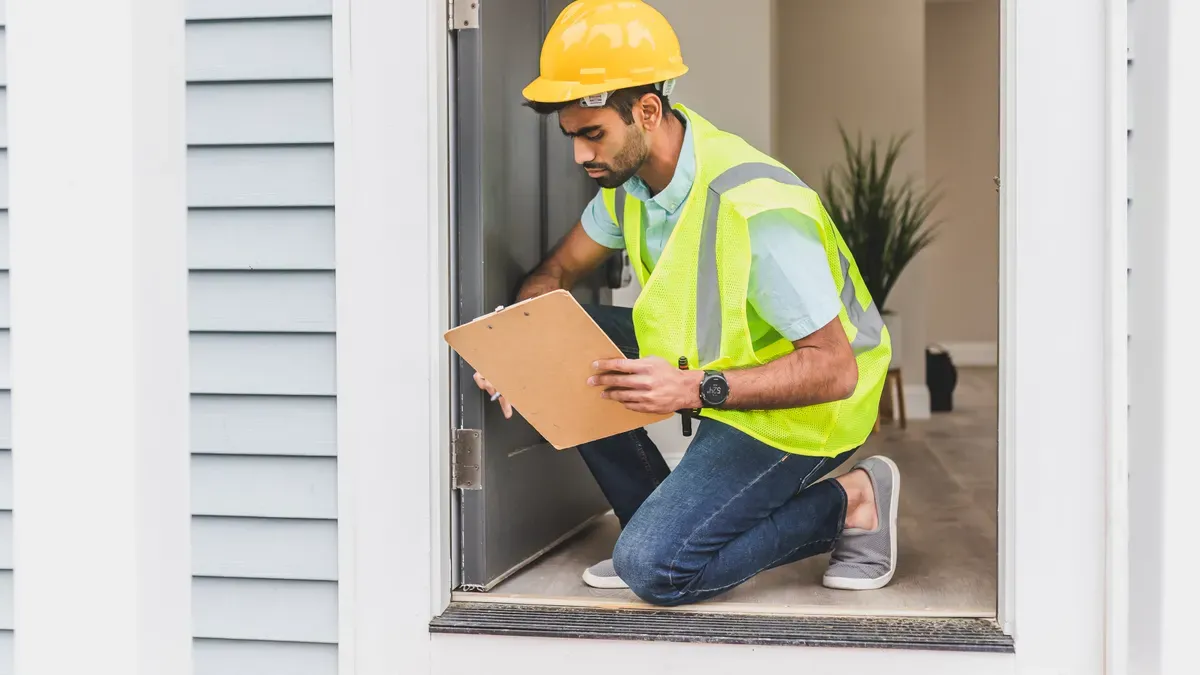
Regular inspections play a vital role in maintaining your commercial interior walls. You should conduct these inspections at least once a year. Look for signs of damage such as cracks, peeling paint, or water stains. Early detection allows you to address issues before they escalate. Here are some common types of damage to watch for:
Hairline Cracks: These small cracks often appear due to settling or temperature changes.
Water Damage: Look for discoloration or bubbling paint, which can indicate moisture issues.
Peeling Paint: This may signal underlying problems, such as humidity or poor adhesion.
By identifying these issues early, you can take prompt repairs to prevent further deterioration.
DIY Repair Tips
If you notice minor damage, you can often handle repairs yourself. Here are some effective DIY techniques for common wall issues:
Hairline Crack Repair: Clean the crack, apply wall filler, smooth it with a putty knife, sand once dry, and paint over the area.
Settlement Crack Repair: Clean the crack, use a flexible sealant with a caulking gun, smooth it out, and paint if necessary.
Structural Crack Repair: Clean the crack, place injection ports, apply epoxy resin, and seal the surface after curing.
These touch-up repairs can save you time and money while keeping your walls looking their best. However, if the damage is extensive or beyond your skill level, it’s wise to seek professional help.
Professional Assistance
When you face significant damage or complex repairs, hiring a professional is often the best choice. Here are some qualifications to consider when selecting a contractor for commercial interior painting or repairs:
Research and compare prices to ensure value for money.
Check references and reviews to assess reputation and past work.
Avoid common mistakes like not verifying licenses and insurance.
A qualified professional can provide the expertise needed for effective repairs. They can also offer insights into routine inspections and ongoing maintenance strategies to keep your walls in top condition.
Protective Measures
Choosing Coatings
Selecting the right coatings for your commercial interior walls is essential for long-term protection. The right coatings can enhance durability and reduce maintenance needs. Here are some effective options to consider:
Epoxy Wall Coatings: These coatings resist chemicals, stains, and abrasion. They work well in high-exposure areas.
Polyurethane Wall Coatings: Known for their flexibility, these coatings resist cracking and peeling, making them suitable for both aesthetics and protection.
Textured Wall Coatings: These coatings not only add visual appeal but also protect against damage while hiding imperfections.
Elastomeric Wall Coatings: Highly flexible, they seal cracks and provide waterproofing, ideal for varying weather conditions.
Acrylic Wall Coatings: These coatings offer excellent color retention and UV resistance, along with mildew and algae resistance.
Choosing the right wall finishes protected by these coatings can significantly enhance the lifespan of your walls.
Applying Protectors
Applying protective barriers is another effective strategy for maintaining your walls. These barriers can safeguard against wear and tear, especially in high-traffic areas. Consider these options:
FRP Wall and Ceiling Panels: These panels resist microbial buildup and are easy to clean, making them ideal for environments like kitchens and restrooms.
Liquid Granite Coatings: These coatings resist surface soiling and biological growth. They require low-pressure washing for maintenance, offering a favorable profile compared to traditional painted finishes.
Rockfall Protection Barriers: Constructed from various materials, these barriers catch falling debris and prevent damage to infrastructure.
By implementing these protective measures, you can ensure your commercial interior walls remain in excellent condition for years to come.
Professional Maintenance
Benefits of Experts
Hiring a commercial interior wall coating supplier in the Philippines offers numerous advantages. You gain access to a professional painting team with specialized knowledge and skills. This expertise ensures that your walls receive the best care possible. Here are some key benefits of working with experts:
Benefit | Description |
|---|---|
Expertise | Access to specialized knowledge and skills of experienced painters. |
Efficiency | Time-saving with a team that completes jobs quickly, allowing focus on customers. |
Quality Assurance | Assurance of a flawless finish using premium materials and techniques. |
Customization | Options for unique looks with custom colors and effects. |
Professional maintenance assistance enhances the lifespan of your commercial wall finishes. Experts use specialized techniques like thorough surface preparation and high-quality materials. Regular inspections help identify wear early, reducing the need for costly repairs. Proper cleaning and priming promote better adhesion, maintaining the aesthetic appeal of your walls.
Cost Considerations
When considering professional maintenance, several factors influence the overall cost. Understanding these factors can help you budget effectively. Here’s a breakdown of key elements that affect pricing:
Factor | Description |
|---|---|
Scale of the estate | The overall size and number of buildings affect the total cost due to increased labor and materials. |
Materials required | Specific materials needed for repairs can vary in cost, impacting the overall expense. |
Accessibility | Difficulty in reaching damaged areas, especially at height, can increase labor costs. |
Urgency of repairs | Whether repairs are planned or emergency can significantly influence pricing. |
Complexity of work | More complex repairs require specialized labor and planning, leading to higher costs. |
By understanding these factors, you can make informed decisions about your ongoing maintenance needs. Investing in professional services ensures your commercial space remains attractive and functional.
Caring for your commercial interior walls is essential for their longevity and appearance. Regular maintenance can extend their lifespan significantly. Consider these benefits:
Routine inspections help catch problems early.
Prompt repairs prevent costly damage.
Regular cleaning maintains paint quality.
By adopting these best practices, you can avoid expensive repairs and enhance your property’s value. Proactive maintenance is always more cost-effective than waiting for issues to arise.
FAQ
How can I prevent mold on my commercial interior walls?
To prevent mold, maintain low humidity levels and ensure proper ventilation. Regular cleaning also helps eliminate moisture buildup.
What should I do if I find mold on my walls?
If you find mold, clean it immediately using a vinegar solution. If the area is extensive, consider hiring a professional for safe removal.
How often should I inspect my walls for damage?
Inspect your walls at least once a year. Regular checks help you catch issues early and maintain the integrity of your walls.
See Also
Your 2025 Guide to Concrete Dust Sealers for Businesses
BANDě: Create Beautiful Walls with Decorative Coating in 2025
Selecting Ideal Moisture Barriers for Walls and Floors in 2025
Utilizing Inorganic Seven-Color Coating for an Eco-Friendly Home
A Comprehensive Guide to Home Moisture Barriers for Walls and Floors
