

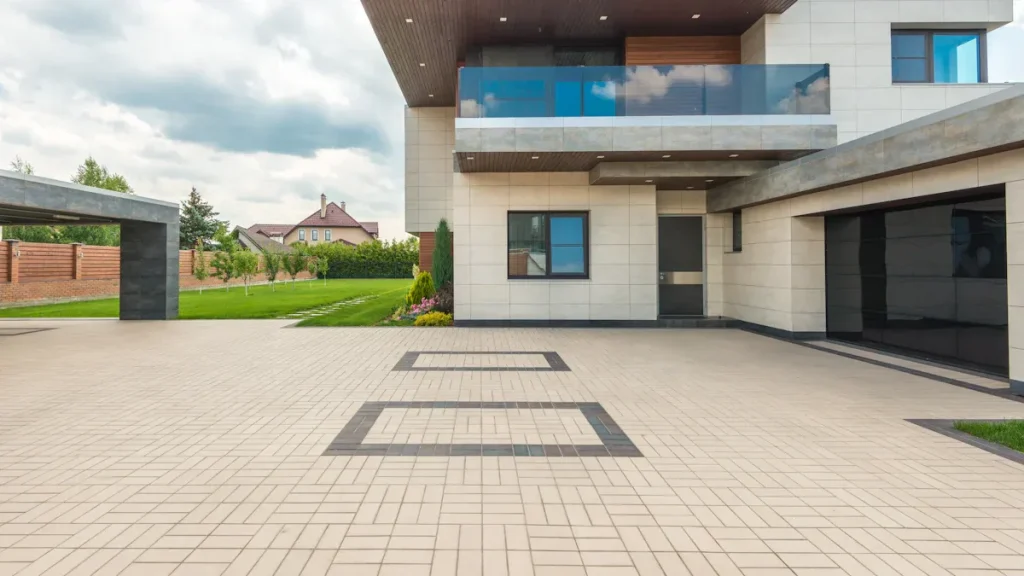
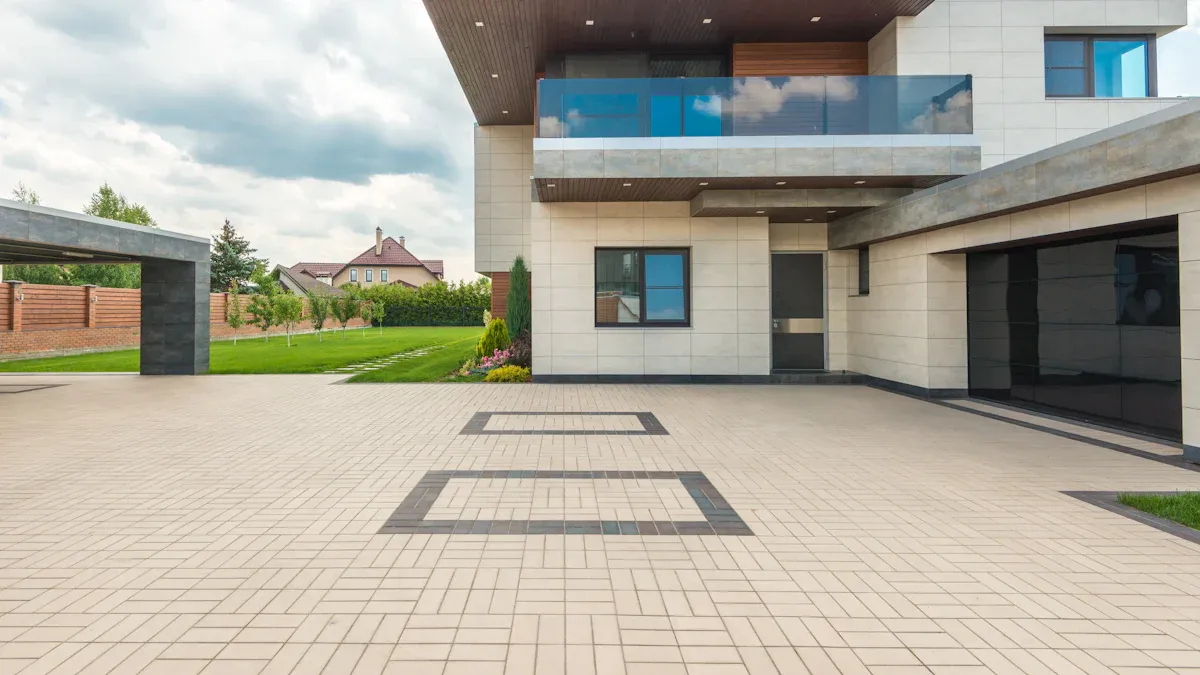
You see concrete everywhere, from your home’s foundation to business walkways. While incredibly strong, concrete is naturally porous, making it vulnerable to damage. Without proper care, moisture, chemicals, and everyday wear can lead to cracking, spalling, and pitting. These issues compromise both the structural integrity and the overall appearance of your concrete surfaces.
Applying a quality concrete protective sealer is a crucial preventative measure. A good concrete sealer extends your concrete’s lifespan, maintains its pristine appearance, and ensures long-term performance. With so many types of sealer available, picking the right one can feel overwhelming. This guide simplifies that choice for you.
Key Takeaways
Concrete is strong, but it needs protection. A good sealer stops damage from water, chemicals, and daily use.
There are two main types of concrete sealers. Penetrating sealers soak in and protect from the inside. Film-forming sealers create a protective layer on top.
Choosing the right sealer depends on where your concrete is. Consider if it is inside or outside, and what kind of look you want.
Properly applying the sealer is important. Clean the concrete first, then follow the application steps. This makes the sealer work best.
Sealed concrete needs regular cleaning. You also need to reapply the sealer over time. This keeps your concrete looking good and lasting long.
Why Use a Concrete Sealer: Key Benefits
Applying a concrete protective sealer offers many benefits. You are not just adding a layer; you are investing in the long-term health and look of your concrete. Let’s explore why a quality concrete sealer is so important for your surfaces.
Enhanced Durability and Lifespan
When you apply a sealer, you significantly boost your concrete’s durability. This protective layer guards against daily wear and tear. It helps your concrete resist damage from deicing salts, which can be very harsh. A good sealer also prevents freeze/thaw damage. This happens when water gets into the concrete, freezes, and expands, causing cracks. By sealing, you extend the lifespan of your concrete, keeping it strong for years to come.
Improved Appearance and Stain Resistance
A concrete floor sealer does wonders for how your surfaces look. It helps to preserve appearance, keeping your concrete looking fresh and new. More importantly, it makes your concrete much more resistant to stains. You will find that spills like water, oil, and salt are much easier to clean up. This means fewer permanent marks and a consistently attractive surface. The sealer forms a barrier, stopping these substances from soaking in and causing discoloration.
Protection Against Environmental Damage
Your concrete faces many environmental challenges, but a good sealer provides strong protection. It helps to protect against moisture, which is a major enemy of concrete. Sealers like silane and siloxane are great for exterior areas. They make water bead up and run off, preventing absorption. This water repellency stops moisture from causing cracking during freeze-thaw cycles and prevents mold and mildew growth.
Many sealers also offer UV stability. This means they resist yellowing or breaking down from direct sunlight, maintaining the concrete’s appearance and performance. They also create a barrier against oil and chemicals, making spills easier to clean and preventing long-term damage. Furthermore, a sealer protects against salt, especially from de-icing agents, and even prevents the growth of plants and cyanobacteria, keeping your concrete clean and intact.
Types of Concrete Sealers
When you choose a concrete sealer, you will primarily encounter two main types: penetrating sealers and film-forming sealers. Each type offers unique benefits and works differently to protect your concrete. Understanding these differences helps you pick the best option for your specific needs.
Penetrating Sealers
Penetrating sealers work by soaking into the concrete itself. They do not create a visible layer on the surface. Instead, these sealers react chemically with the concrete, forming a protective barrier within its pores. Think of it like waterproofing a sponge from the inside out. This process makes the concrete water-repellent and more resistant to chemicals and salts.
You will find that penetrating sealers maintain the natural look and texture of your concrete. They are also breathable, meaning moisture vapor can still escape from the concrete. This prevents issues like efflorescence (white powdery deposits) and delamination. Because they are inside the concrete, they offer long-lasting protection and do not wear away from surface abrasion. This makes them an excellent choice for outdoor areas or high-traffic zones where you want durable, invisible protection.
Film-Forming Sealers
Film-forming sealers, as their name suggests, create a protective layer or “film” on top of your concrete surface. This film acts as a sacrificial barrier, protecting the concrete from stains, abrasion, and moisture. You can often choose from various finishes, like high-gloss, satin, or matte, which can enhance the appearance of your concrete.
These sealers are great for decorative concrete because they make colors pop and provide a polished look. They also make the surface easier to clean. You will find film-forming sealers come in different formulations, including a water-based sealer and a solvent-based sealer. A water-based sealer is generally easier to apply and clean up, with fewer fumes. A solvent-based sealer often provides a more durable film and deeper color enhancement. While they offer excellent surface protection and aesthetic appeal, you may need to reapply them more frequently than penetrating types, especially in high-traffic areas, as the surface film can wear down over time.
Penetrating Concrete Sealers: Deep Protection
How They Work
Penetrating sealers offer deep protection for your concrete. They do not just sit on the surface. Instead, they soak deep into the concrete’s pores. Consider BANDě Concrete Protective Sealer as an example. This is a water-based inorganic cement surface protective material. It contains proprietary nano-penetrants and active substances. These components penetrate the concrete, react chemically, and then crystallize. This process seals, plugs, and hardens the concrete. It forms inert crystals that embed into capillaries and micro-cracks. This action significantly enhances the concrete’s density and compressive strength from within.
Benefits of Penetrating Sealers
You gain many benefits when you choose a penetrating sealer. These sealers act like invisible shields. They soak deep into concrete pores. They are breathable, allowing trapped moisture to escape while blocking water entry. This prevents issues like bubbling or peeling. Penetrating sealers chemically bond with the concrete for super durability. You often need only one coat, unlike film-forming types. They protect without changing the concrete’s appearance. They create a water and stain-resistant barrier below the surface. This protects against moisture intrusion, freeze-thaw damage, de-icing salts, water erosion, mold, mildew, and staining. You get a low-maintenance, cost-effective, and high-performance choice for extending concrete life.
Ideal Applications
You will find penetrating sealers perfect for many situations. They are ideal for outdoor surfaces and harsh climates. You can use them to protect concrete from deicing salts. They safeguard against freezing/thawing cycles and prevent water damage. These sealers maintain the original look and texture of your concrete. They soak into concrete pores to form a chemical barrier. This protection works against various elements. They leave a natural finish and allow water vapor to escape. Penetrating sealers last longer compared to other sealers. They also require minimal surface preparation. For instance, a water-based sealer like MP90 ECO PLUS works well on concrete. A solvent-based sealer like FOB also offers excellent protection for concrete in high-traffic areas.
Film-Forming Concrete Sealers: Surface Enhancement
How They Work
Film-forming sealers create a protective layer right on top of your concrete surface. These surface coatings form an impermeable barrier. This barrier blocks both liquid water and vapor transmission. Film-forming sealers, like acrylics and epoxies, create this protective layer. This barrier stops moisture from getting into the concrete’s pores. It also minimizes expansion and contraction from freeze-thaw cycles. It protects against damaging salt and deicing chemicals. Softer acrylic sealers create a flexible film on the concrete surface. This sealer acts as a shield for your concrete.
Benefits of Film-Forming Sealers
You will find many benefits with film-forming sealers. They enhance the appearance of your concrete. They make colors pop and give a polished look. This type of sealer also makes the surface much easier to clean. Spills sit on top, so you can wipe them away easily. This means fewer stains and a consistently attractive surface.
Finish Options
Film-forming concrete sealers offer many finish options. You can choose from Satin or High-Gloss. Satin gives a soft sheen and a gentle color pop. High-Gloss provides a deeper color and a wet look. Clear sealers are perfect for decorative finishes like acid-stained concrete. They let the surface texture, color, and detail remain visible. Polyurethane concrete sealers come in various sheen levels. Acrylic sealers also offer many sheen choices. Epoxy sealers add a glossy finish.
Ideal Applications
You can use film-forming sealers in many places. They are great for smoother concrete surfaces. Polyaspartic film-forming coatings work well for concrete countertops. They enhance deep color and resist stains, acids, and abrasion. These sealers are excellent for surfaces needing enhanced aesthetics. They improve the color and gloss of concrete, giving a polished look. You should consider them for surfaces prone to stains, like garage floors and patios. They offer superior stain resistance. Heavy-duty film-formers provide surface protection in high-traffic areas. This includes commercial flooring in retail stores, warehouses, and manufacturing plants. They enhance resistance against abrasion, staining, and chemical spills. This helps them withstand heavy machinery and foot traffic. This leads to fewer repairs and a cleaner appearance. For a concrete floor sealer in these environments, film-forming options are a smart application. You can choose a water-based sealer or a solvent-based sealer depending on your specific needs.
How to Pick the Right Sealer for Your Project
Choosing the perfect concrete protective sealer can feel like a big decision. You want to make sure you get it right to protect your investment. This section will walk you through the key considerations, helping you understand how to pick the right sealer for your specific project.
Assessing Your Project Location
Where is your concrete located? This is one of the most important questions to ask yourself. The project location heavily influences your sealer choice because sealers perform differently based on their environment.
For outdoor areas, you need a sealer that can stand up to the elements. Think about UV stability and weather resistance. A good outdoor sealer will prevent yellowing from intense sunlight. It also needs a strong water-resistant barrier to minimize moisture penetration. This reduces the risk of freeze-thaw damage, especially in colder climates. You also want protection against efflorescence, mold, or mildew growth, which can happen in humid conditions. Chemical resistance is also important for outdoor concrete, protecting against mild acids from food or cleaning products.
Consider your climate zone. Hot, sunny climates demand UV-resistant sealers to prevent degradation. Regions with frequent rainfall or high humidity need penetrating sealers with hydrophobic properties. These sealers offer excellent water resistance while letting the concrete breathe. If you live in an area with freeze-thaw cycles, you need flexible sealers with elastomeric properties. These sealers can handle seasonal movement and prevent cracking. Coastal environments even require specialized sealers with salt-resistant properties to prevent chloride ion penetration.
Indoor applications have different priorities. You might not need as much UV resistance, but you might prioritize low VOCs (volatile organic compounds) for air quality. The substrate’s porosity also matters; it affects how well a sealer penetrates. Always consider compatibility with any existing coatings for proper adhesion.
Desired Aesthetic and Performance
What look do you want for your concrete? And how do you need it to perform? These two factors go hand-in-hand.
If you love the natural look of your concrete, a penetrating sealer is often your best bet. It won’t change the physical appearance of the concrete. However, if you want to enhance the look, film-forming sealers offer many options. Polyurethane finishes, for example, offer a range of sheens and can really make your concrete’s visual depth pop. They also maintain their aesthetic appeal over time thanks to good UV resistance. Acrylic sealers can enhance color and texture, giving your concrete a fresh, vibrant look while protecting against UV damage.
For decorative concrete, like acid-stained concrete, clear film-forming sealers are perfect. They let the vibrant, marbled masterpieces with their rich hues and intricate patterns shine through. If you have stamped concrete that mimics stone or wood, a sealer can enhance that look and help it blend with your home’s style. You can even choose wet-look sealers for extra shine or tinted sealers for custom aesthetic touches.
Beyond looks, think about performance. Do you need slip resistance for a pool deck? Do you need extra protection against deicing chemicals or heavy foot traffic? Balancing appearance with functional needs like weathering protection is key.
Concrete Condition and Traffic
The current condition of your concrete and the amount of traffic it receives are crucial factors. Is your concrete new, old, or does it have existing damage? New concrete might need a different approach than older, more porous concrete.
Consider the stress your concrete will face. Will it be exposed to constant water, deicing chemicals, prolonged sunlight, or heavy foot traffic? These surface conditions directly impact the type of sealer you need. For example, a concrete floor sealer in a garage will need to withstand oil spills and vehicle traffic. A patio might need protection from foot traffic and outdoor elements. Heavy-duty film-formers are excellent for commercial flooring in retail stores or warehouses, where they need to resist abrasion, staining, and chemical spills from heavy machinery and constant foot traffic.
Budget and Maintenance
Finally, your budget and how much maintenance you’re willing to do play a role. The cost for concrete sealant materials and application can range from $0.50 to $3.00 per square foot on average. Acrylic sealers typically cost between $3 and $7 per square foot. While cost is a factor, remember that a good sealer is an investment in your concrete’s longevity.
Think about the long-term maintenance. Penetrating sealers often require less frequent reapplication because they work from within the concrete. Film-forming sealers might need more regular reapplication, especially in high-traffic areas, as the surface film can wear down. Your maintenance requirements will affect your choice between these two options. Also, consider any sustainability goals you might have, looking for low-emission materials that contribute to green building certifications.
Concrete Sealer Application Tips
Applying a concrete sealer correctly is just as important as choosing the right one. Proper application ensures your concrete gets the best protection. Follow these steps for great results.
Surface Preparation
Before you apply any concrete sealer, you must prepare the surface. This is a crucial step! First, remove all contaminants like dust, dirt, oils, and grease. These can stop the sealer from sticking properly. Assess your concrete’s strength and check for any surface laitance, which is a filmy, white layer that blocks adhesion. Repair any bumps or cracks, remembering to let patching compounds cure fully. Sweep away loose debris with a blower or broom. For tough stains, use specific cleaning agents. Power wash the surface to get rid of moss, algae, and other grime. Make sure the concrete is completely dry; moisture will reduce the sealer’s effectiveness. New concrete needs at least one month to cure before sealing. If your new concrete is too smooth for sealer penetration, use Bone Dry Etch-a-Crete to open its pores. For existing slabs with oil or grease, apply Bone Dry Degreaser to the stained areas before sealing.
⚠️ Safety First! Always wear safety gloves and goggles when working with concrete and sealers. Ensure good airflow, especially indoors. If you’re cutting or grinding, wear a respirator. Avoid direct skin contact with wet cement or sealants.
Application Techniques
Now, you are ready for the application. Apply your concrete sealer when the air temperature is between 50-90°F (10-32°C) and humidity is below 85%. Avoid direct sunlight, rain within 24 hours, or late-day application when temperatures drop. You can use a standard pump sprayer with an adjustable tip or a ⅜” nap roller. Stir the product before use; do not thin it. Mask off nearby surfaces and protect plants from overspray. Fill and pressurize your sprayer. Set the tip to a medium-fine mist and spray 10-12 inches from the surface. Start and stop spraying just off the work area to prevent drips. For large areas, work in 6’x6’ sections. Apply evenly in a circular or oval pattern, making sure the surface stays wet for several minutes. Do not pour directly or let puddles form. If you see puddles after 5-10 minutes, back-roll them to spread out excess material. You can apply a second coat wet-on-wet for maximum protection.
Curing and Re-coating
After application, your sealer needs time to cure. This is when it hardens and forms its protective barrier.
Sealer Type | Foot Traffic Curing Time |
|---|---|
Acrylic Water-based | 4 to 6 hours |
Solvent-based | 6 to 8 hours |
Polyurethane | 12 to 24 hours |
Epoxy | 12 to 24 hours |
Always follow the manufacturer’s instructions for specific curing times. For storage, keep your sealer in a cool, dry place, tightly sealed in its original packaging (like plastic drums 4kg/25kg). This ensures it stays effective for future use.
Maintaining Your Sealed Concrete
You have invested in protecting your concrete, so let’s make sure it stays in top shape! Proper maintenance keeps your sealed surfaces looking great and performing well for years.
Routine Cleaning
Keeping your sealed concrete clean is simple. Regular cleaning prevents damage and keeps your surfaces looking fresh.
Dry Cleaning: Sweep or vacuum regularly. This removes dust and loose dirt. It stops abrasive particles, like winter salts, from scratching your sealer.
Wet Cleaning: Mop with warm water and a mild detergent, like dish soap. Avoid harsh cleaners such as acids or solvents. Also, skip aggressive scrub pads; they can damage the sealant. For best results, agitate the surface with a wet mop. Then, use a double foam squeegee to push out the water.
Spot Cleaning: Wipe up spills right away with a damp cloth. For sticky messes, use a little dish soap and warm water.
Deep Cleaning: For tougher dirt, use a pH-neutral all-purpose cleaner. Dilute it as the manufacturer suggests. For large areas, use a floor scrubber with a soft brush or a red/white pad. Always dry clean first to remove abrasives. This stops them from scratching your floor when you use the scrubber.
Reapplication Schedule
Even the best sealer eventually wears down. You should reapply your sealer proactively. For most commercial spaces, plan to reapply every 3-5 years. This ensures continuous protection. You do not want to wait until the sealer completely breaks down.
Troubleshooting Common Issues
Sometimes, you might notice issues with your sealed concrete. Here are a few common problems and what they mean:
Bubbled Sealers: This happens when you apply too much sealer. Air gets trapped, especially in hot weather when it dries too fast. This creates an uneven finish. Make sure you use proper application techniques.
White Sealers (Blushing): You often see this with solvent-based sealers. It means moisture got trapped, perhaps from applying on damp concrete. Always ensure your concrete is completely dry before you apply any sealer.
Powdery Sealer: This usually affects water-based sealers. It happens if the temperature or humidity is wrong during application. The sealer does not bond properly, leaving a chalky finish. Check weather conditions before you start.
Dull or Faded Appearance: If your concrete looks chalky or loses its shine, the protective barrier is wearing away.
Water No Longer Beads: If water soaks into the concrete instead of beading up, your sealer has broken down. This allows moisture to get in.
Stains That Won’t Lift: Stubborn stains mean the protective layer is gone. Unsealed concrete absorbs spills quickly.
Cracks and Surface Flaking: While sealing helps, it does not stop all cracks. Flaking suggests damage from freeze-thaw cycles or water intrusion. Resealing helps prevent further damage, but you need to repair existing cracks first.
Choosing the right concrete protective sealer is vital for long-term protection and maintaining your concrete’s appearance. Remember, penetrating sealers offer deep, invisible protection, while film-forming sealers enhance the surface and provide various finishes. You need to assess your specific needs, desired outcomes, and environmental factors. This helps you pick the best sealer for your concrete. A well-chosen and properly applied concrete protective sealer is an investment in the durability and beauty of your concrete surfaces.
FAQ
How often should you reseal your concrete?
You should reseal your concrete based on the sealer type and traffic. Film-forming sealers often need reapplication every 1-3 years. Penetrating sealers can last 5-10 years or even longer. Always check the manufacturer’s recommendations for your specific product and conditions.
Can you apply a new sealer over an old one?
Sometimes, yes! For penetrating sealers, you usually can. For film-forming sealers, it depends on the old sealer’s condition and type. You might need to strip the old sealer first, especially if it’s peeling or incompatible. Always test a small area.
What happens if you don’t seal your concrete?
If you skip sealing, your concrete becomes vulnerable. It absorbs water, leading to freeze-thaw damage and cracking. It also stains easily from oil, chemicals, and dirt. Without protection, your concrete will deteriorate faster and look worn out.
Is a water-based or solvent-based sealer better?
Both have benefits. Water-based sealers are easier to apply, have fewer fumes, and clean up with water. Solvent-based sealers often offer deeper color enhancement and more durable films. Your project’s specific needs will guide your choice.
💡 Tip: Always read the product label carefully before making your final decision!
See Also
Your Ultimate Guide to Choosing Concrete Densifiers, Hardeners, and Sealers
Choosing the Ideal Flexible Waterproof Sealer for Diverse Construction Projects
Selecting the Optimal Concrete Densifier for Your Warehouse Flooring Needs
Achieving a Dust-Free Floor: Applying Concrete Dust Sealer Effectively
Essential Insights Into Understanding Concrete Bonding Agents and Their Use
