

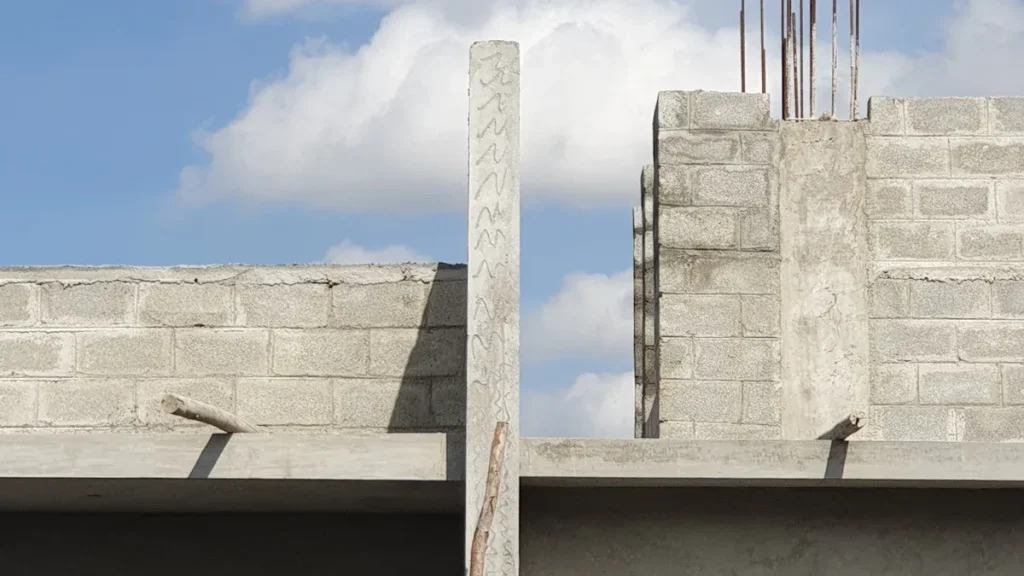
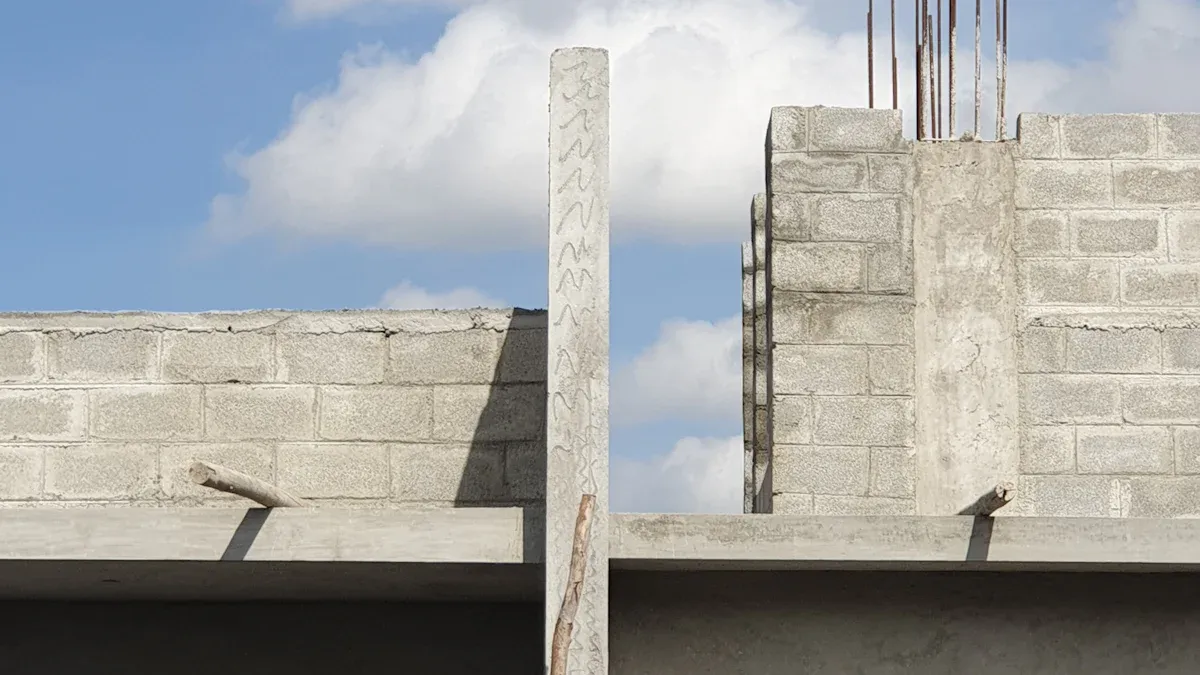
Malaysia’s tropical climate, with its high humidity and heavy rainfall, challenges your concrete structures. Unchecked moisture causes flooring failures, mold, and structural damage. You need effective waterproofing to protect your property. A robust concrete moisture barrier malaysia is essential. Proper waterproofing systems prevent these issues.
Key Takeaways
Select topical, sheet, or integral moisture barriers to protect Malaysian concrete buildings from heavy tropical moisture damage.
Choose integral barriers for new concrete mixes, while topical coatings and sheet membranes work best for surface application.
Test concrete moisture levels before installation to choose the right barrier and prevent costly floor failures.
Why Concrete Moisture Barriers Matter in Malaysia

High Humidity Impact on Concrete Slabs
Malaysia’s climate presents unique challenges for concrete structures. You experience consistently high humidity, which significantly impacts concrete slabs. The air holds a lot of moisture, and concrete naturally absorbs this moisture. Across Malaysia, the mean monthly relative humidity often ranges from 70% to 90%. This constant exposure means your concrete slabs are always at risk of moisture intrusion.
Consequences of Unchecked Moisture
Ignoring moisture in concrete leads to serious problems. You will see flooring failures, such as bubbling, warping, and delamination. Mold and mildew thrive in damp conditions, creating unhealthy indoor environments. Unchecked moisture also compromises the structural integrity of your buildings over time. This can lead to costly repairs and reduced property value. Effective waterproofing prevents these issues.
Importance of Waterproofing in Malaysia’s Climate
Given Malaysia’s climate, robust waterproofing is not optional; it is essential. The country receives abundant rainfall, often exceeding 2,000 mm annually nationwide. Some regions, like the East Coast of Peninsular Malaysia, see 2,500 mm to 3,000 mm, while inland Sarawak can exceed 5,000 mm. This heavy precipitation, combined with high humidity, makes a reliable concrete moisture barrier malaysia critical. You need comprehensive waterproofing systems to protect your investments and ensure the longevity of your structures. Proper waterproofing safeguards your property from the relentless tropical environment.
Topical/Surface-Applied Moisture Barriers
Description and Common Materials
Topical moisture barriers are coatings you apply directly to the concrete surface. These systems create a protective layer. Common materials include epoxy, polyurethane, and acrylic-based coatings. For example, you can find epoxy-based liquid moisture control systems from brands like Flowcrete, Sika, and KÖSTER. These often form a robust, seamless barrier. A unique option is the BANDě Wall & Floor Moisture Barrier. You simply spray this environmentally friendly, inorganic material onto the cement base. It penetrates the substrate, forming gel crystals. These crystals block capillary voids. Simultaneously, an inorganic film forms on the surface, creating a double seal. This provides permanent waterproofing. Many of these systems offer a thin-film system or a full-build pu option.
Application and Curing Times
You apply these barriers by rolling, spraying, or troweling them onto the prepared concrete. Application typically involves multiple coats. Curing times vary significantly. Some products cure within hours, allowing for quick follow-up work. Others require several days to achieve full strength. Always follow the manufacturer’s specific instructions for optimal performance.
Advantages for Malaysian Projects
These barriers offer several benefits for your Malaysian projects. They provide excellent waterproofing, crucial in high-humidity environments. Many systems create a seamless finish, preventing moisture penetration through joints. They are relatively easy to apply. The BANDě Wall & Floor Moisture Barrier offers a healthy, non-toxic solution. Its permanent moisture-proof capabilities ensure long-term protection.
Disadvantages and Limitations
Surface preparation is critical for these systems. You must ensure the concrete is clean, dry, and free of contaminants. Poor preparation can lead to adhesion failures. These barriers also add thickness to the floor, which you must consider for finished floor levels. Some systems can be sensitive to high moisture vapor emission rates if not specifically designed for such conditions.
Typical Applications in Malaysia
You will find topical barriers in various Malaysian settings. They are ideal for residential, commercial, and industrial flooring. Many projects use them under vinyl, tile, or wood flooring. They are also common for carpark deck coating applications, protecting the structure below. You can use a full-build pu system for heavy-duty areas. These systems are also effective for general waterproofing in basements and wet areas.
Sheet/Membrane Moisture Barriers
Description and Materials
Sheet moisture barriers are pre-formed rolls you apply to concrete surfaces. These membranes come in various materials. You often find polyethylene, butyl rubber, and self-adhering membranes. For example, a self-adhesive butyl rubber sheet vapor barrier like SHC BUSEAL® WRAP uses a high-tack butyl rubber compound as its core. It also features a durable polyethylene (PE) film combined with an aluminum layer on top. A treated release liner protects the backing for peel-and-stick application. GCP Applied Technologies’ VERSASHIELD MBX is another pre-formed membrane alternative you can consider.
Installation Process and Considerations
Installing these membranes involves unrolling and adhering them to the prepared surface. You must ensure the roof deck is structural, solid, dry, and thoroughly cleaned. Apply primer on masonry, concrete, or gypsum surfaces if needed. Perform the application during fair weather when temperatures are at least 5°C. Cut the membrane into manageable lengths. Remove the protective backing paper, align the sheet, and press it firmly onto the deck. Maintain side overlaps of at least 90 mm and end overlaps of no less than 150 mm. Rolled systems can be quicker to apply compared to liquid epoxy systems. This speed helps your project timeline.
Advantages for Malaysian Projects
These membranes offer consistent thickness, ensuring reliable waterproofing. Their pre-manufactured nature means quality control is often high. The quicker application time can be a significant advantage for your projects in Malaysia. They provide effective waterproofing systems against moisture intrusion.
Disadvantages and Limitations
Sheet membranes have some drawbacks. Their application creates joins between sheets. These gaps can be vulnerable points where moisture might seep through if not perfectly sealed. Fitting torch-applied systems requires trained contractors and specialized tools. These systems also have limited flexibility, making adaptation to irregular terrain difficult. Exposure to continuous sunlight can degrade certain polymers over time. Seams connecting sheets act as primary points of potential failure. It is difficult to seal around intricate details or roof penetrations. The surface needs to be impeccably smooth and clean for good adhesion.
Typical Applications in Malaysia
You commonly use sheet membranes for basement waterproofing, roof decks, and plaza decks. They are also suitable for areas requiring robust moisture protection under flooring. These membranes are effective in large, open areas where a seamless application is less critical than speed.
Integral/Admixture Moisture Barriers
Description and How They Work
Integral moisture barriers are admixtures. You add them directly to the concrete mix. They become an integral part of the concrete itself. These barriers work by altering the concrete’s fundamental chemistry. They line internal pore walls with a hydrophobic layer. This significantly diminishes the material’s natural chemical attraction to water.
You find two main types of integral barrier technologies:
Barrier Technology | Chemical Interaction | Physical Result |
|---|---|---|
Active Agent Admixtures (e.g., Hycrete) | Active agents bind with metallic ions present in the cement paste. | Generates an insoluble polymer that physically obstructs internal pores. |
Crystalline Technology | Ingredients react with water, calcium hydroxide, and hydration by-products. | Produces non-soluble crystal structures that continuously seal pores, microcracks, and pathways. |
These technologies create a permanent internal barrier.
Advantages for Malaysian Projects
Integral barriers offer permanent waterproofing. They protect the concrete from within. This is highly beneficial in Malaysia’s humid climate. You get continuous protection against moisture intrusion. The barrier does not degrade over time like surface coatings. It also simplifies installation. You do not need extra steps after pouring the concrete. This saves time and labor. These systems provide a robust, long-lasting solution.
Disadvantages and Limitations
You cannot use integral barriers to fix existing moisture problems. They only work when you pour new concrete. Precise mixing is crucial. Incorrect ratios can compromise their effectiveness. Once you mix them into the concrete, you cannot easily remove or change them. This requires careful planning before concrete placement.
Typical Applications in Malaysia
You often use integral barriers in foundations and basements. They are ideal for water-retaining structures like swimming pools or reservoirs. You also find them in concrete slabs on grade. These waterproofing solutions provide essential protection for underground structures. They ensure long-term durability against Malaysia’s challenging environmental conditions. These systems are critical for lasting performance.
Choosing the Right Concrete Moisture Barrier System in Malaysia
You must select the right concrete moisture barrier system for your project. Your choice depends on several factors. Consider the floor’s relative humidity (RH) levels. Evaluate the severity of moisture. Assess the substrate conditions. Also, think about the specific requirements of your chosen final floor finish. Most resinous flooring systems require an RH of 75% or lower without mitigation.
Cost Comparison of Waterproofing Systems
The cost of various waterproofing solutions varies. Topical coatings often have lower initial material costs. However, you must factor in surface preparation. Sheet membranes can be more expensive per square meter. Integral admixtures add to the concrete mix cost. Consider the long-term value and potential repair expenses for all systems.
Performance and Durability
You need to understand the performance comparison of different systems. A good concrete moisture barrier malaysia offers excellent protection. For example, some systems demonstrate extremely low water vapor permeability, often less than 0.1 perms. They pass hydrostatic pressure tests up to a 71-meter head. They also show strong concrete adhesion, with peel adhesion strength of 880 N/m. Film tensile strength can reach 27.6 MPa. These systems remain unaffected at low temperatures, passing 100 crack cycles at -23°C. They offer puncture resistance up to 890 N. They also pass EN standards for long-term aging and chemical exposure. You can see the difference in expected durability in wet areas. Some systems create a seamless finish.
Performance Metric / Feature | Epoxy Flooring Systems | Polyurethane (PU) Systems |
|---|---|---|
Structural State | Rigid adhesive matrix | Flexible elastomeric matrix |
Load & Impact Behavior | High static weight resistance | Absorbs dynamic mechanical impacts |
Moisture Limit | Low tolerance (requires ≤ 4% concrete moisture) | High tolerance (can adhere to damp concrete) |
Expected Durability | 5 to 10 years | 15 to 25 years |
Installation Complexity and Timeline
Installation complexity differs among systems. Topical systems require meticulous surface preparation. Sheet membranes offer quicker application for large areas. However, you must manage seams carefully. Integral barriers simplify the process. You add them during concrete mixing. This saves time on post-pour applications.
Suitability for Project Types and Conditions
Match the system to your project. For heavy traffic areas, consider a full-build pu system. This robust full-build pu option provides excellent protection. For carpark deck coating, you need durable solutions. Some systems are ideal for carpark deck coating. Others suit residential or commercial spaces. You need effective waterproofing for all applications.
Environmental and Sustainability Aspects
Consider the environmental impact. Some systems are more eco-friendly. Look for low VOC options. Permanent solutions reduce the need for frequent repairs. This contributes to sustainability.
Successful Moisture Barrier Installation
Importance of Moisture Testing
You must test concrete slabs for moisture before any barrier installation. This step prevents future failures. Different methods help you assess moisture levels accurately.
Testing Method | Standard / Device | Procedure / Description | Result Type |
|---|---|---|---|
Plastic Sheet Method | ASTM D4263-05 | Tapes an 18×18 in. plastic sheet to the slab for 24 hours to check for surface darkening or condensation. | Qualitative |
Calcium Chloride Test | ASTM F1869-11 | Places a weighted calcium chloride disk under sealed plastic for 24 hours to measure vapor emission. | Quantitative (MVER) |
Relative Humidity Test | ASTM F2170-11 | Inserts hygrometer probes into holes drilled to 40% depth of the slab to measure internal vapor. | Quantitative (Internal RH) |
Non-Destructive Electronic Meter | ASTM F2659 | Measures water percentage using surface pin or pinless meters for preliminary screening. | Qualitative / Preliminary |
In Situ Hygrometer Probe | Hygrometer Probe | Seals specialized probes into pre-drilled holes for 24 hours to record internal moisture vapor percentage. | Quantitative (% RH) |
These tests guide your barrier selection.
Substrate Preparation Best Practices
Proper substrate preparation ensures your moisture barrier performs well. You must follow industry best practices.
Relative Humidity Testing: Perform in-situ probe testing following the ASTM F2170 standard. Do not rely solely on surface-level calcium chloride tests.
Mechanical Surface Profiling: Prepare the concrete substrate using diamond grinding or shot blasting. Aim for a Concrete Surface Profile (CSP) between CSP 3 and CSP 5.
Moisture Vapor Barrier Application: Install a specialized moisture vapor barrier. Do this whenever substrate relative humidity levels surpass 75%.
Adherence to Specifications and Regulations
Always follow project specifications and local building regulations. These guidelines ensure your installation meets safety and performance standards. They protect your investment and ensure compliance.
Professional Installation and Quality Control
Professional installation is key to a successful moisture barrier. Quality control measures ensure effectiveness.
Quality Control Phase | Core Action | Technical Criteria / Best Practice |
|---|---|---|
Material Selection | Evaluate vapor retardation and durability | Choose Class I vapor barriers with a perm rating of ≤ 0.1; verify tensile strength, puncture resistance, and UV resistance |
Professional Installation | Ensure proper execution at critical points | Execute tight seaming, fully seal penetrations (pipes/vents), and prevent double vapor barriers |
Concrete Drying & Testing | Validate slab moisture levels before application | Maintain relative humidity at 40%–60%, use moisture meters, and run calcium chloride tests to verify moisture emission |
Site Preparation | Manage foundation and substrate drainage | Direct water away using French drains/gutters, apply drainage stones, and position underslab vapor barriers |
Maintenance & Inspection | Perform regular system monitoring | Schedule professional inspections annually and evaluate barrier integrity following extreme weather |
These steps guarantee a durable and effective waterproofing solution. They create a seamless protective layer.
You have explored topical, sheet, and integral concrete moisture barrier systems, each with unique applications. You must select the right system based on your project’s needs and budget. Malaysia’s challenging climate demands effective waterproofing systems. Informed decisions and proper installation ensure the longevity and integrity of your concrete moisture barrier malaysia.
FAQ
What is the most important step before installing a moisture barrier?
You must conduct thorough moisture testing. This prevents future failures and ensures proper barrier selection for your project.
Can I use integral barriers for existing moisture problems?
No, you cannot. Integral barriers work only with new concrete pours. They prevent moisture from within the concrete structure.
Why is surface preparation critical for topical barriers?
You need a clean, dry, and contaminant-free surface. Poor preparation leads to adhesion failures and ineffective waterproofing performance.
See Also
How To Select Top Moisture Barriers For 2025 Renovation Projects
Comparing The Ultimate Moisture Barrier Options For Walls And Floors
A Complete Homeowner Guide To Wall And Floor Moisture Protection
Film Forming Verses Penetrating Concrete Sealers For The Australian Climate
Top Performing Concrete Sealers To Withstand Extreme Philippine Weather Conditions
