

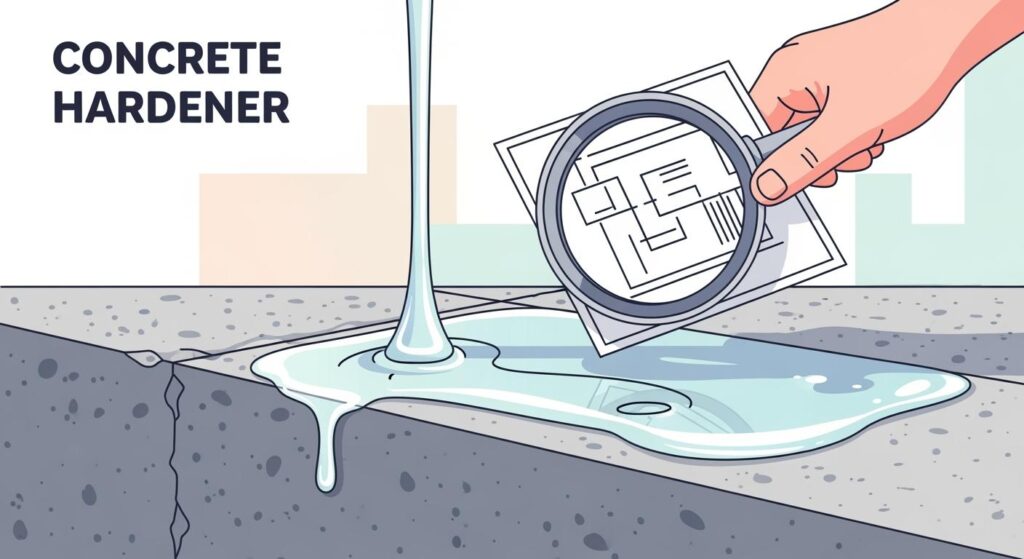
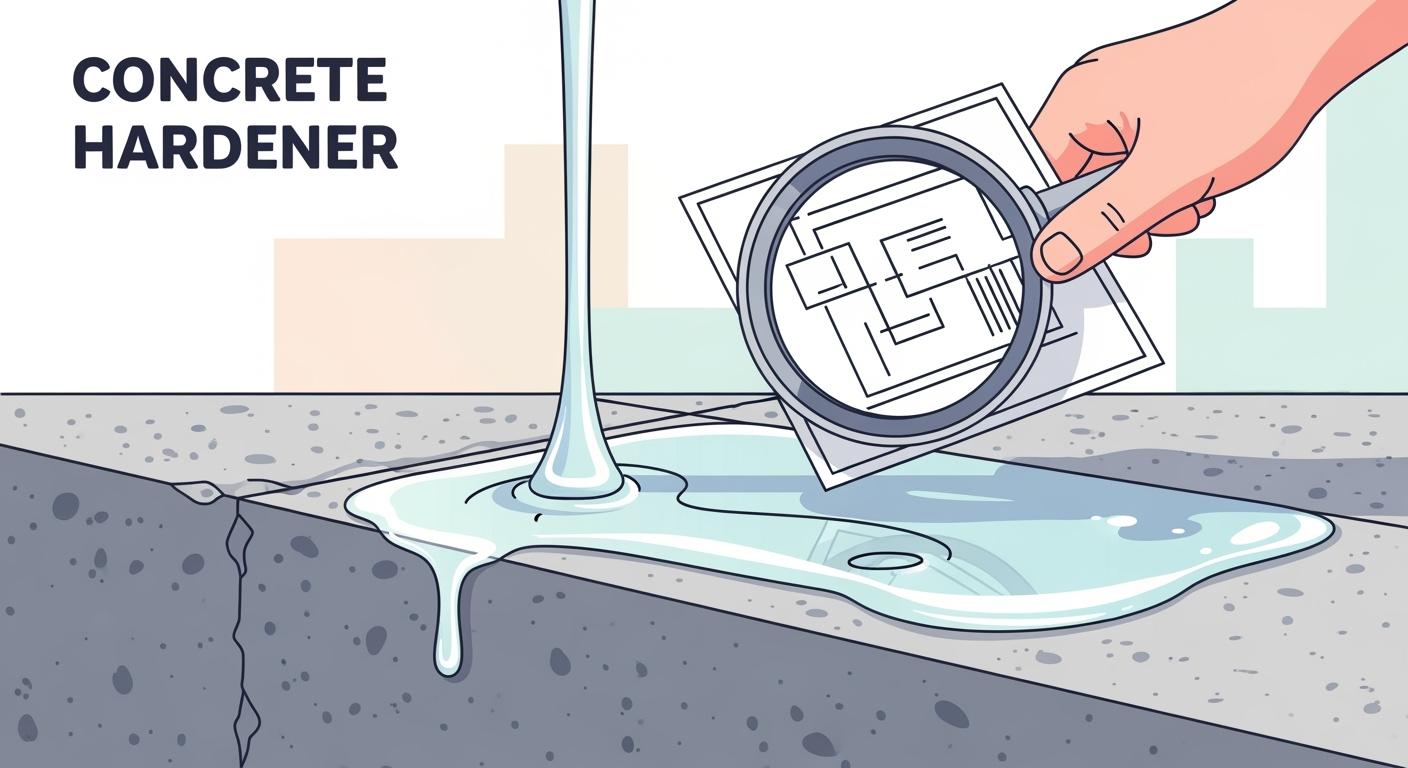
What is a concrete surface hardener? It is a specialized liquid hardener. This liquid hardener increases hardness. A liquid hardener also decreases porosity. A concrete hardener transforms concrete floors. Hardening concrete surfaces becomes simple. BANDě offers a leading liquid hardener. Other hardeners exist. This liquid hardener provides protection. Another liquid hardener option. A strong liquid hardener.
Key Takeaways
A concrete surface hardener is a special liquid. It makes concrete floors harder and stronger. It also makes them less porous.
BANDě liquid hardener works by going deep into the concrete. It reacts with materials inside. This creates a strong gel that fills tiny holes.
Applying BANDě makes concrete floors last longer. It protects them from wear, spills, and damage. This keeps floors looking good and strong.
What is a Concrete Surface Hardener?
Defining Concrete Surface Hardeners
A concrete surface hardener is a specialized chemical solution. People apply it to untreated concrete. It makes the concrete harder and less porous. These hardeners are often water-based. They are usually non-toxic liquids. They deeply penetrate the concrete surface. This process creates a stronger, more durable floor. These hardening products protect the concrete. A concrete hardener improves the overall performance of the surface.
Types of Concrete Hardeners: Liquid and Dry Shake
You find different types of concrete hardeners. The two main types are liquid hardener and dry shake hardener. A liquid hardener comes as a ready-to-use solution. Workers spray or mop this liquid hardener onto the concrete. It then soaks into the surface. Dry shake hardeners are powders. Workers spread these powders over fresh, wet concrete. They then trowel the powder into the surface. Both types aim to improve concrete durability. However, a liquid hardener offers deeper penetration. This makes a liquid hardener a popular choice for many projects.
The Science of Concrete Densification
Concrete densification is the process where a concrete hardener works its magic. When you apply a liquid hardener, it reacts with calcium hydroxide in the concrete. This reaction forms a dense, crystalline structure. This new structure fills the pores in the concrete. It makes the surface much harder and less permeable. This is how a liquid hardener increases strength.
Different hardeners use various chemical components. Here is a look at some common types:
Hardener Type | Main Chemical Components |
|---|---|
Inorganic Hardeners | Sodium silicate, potassium silicate, magnesium fluorosilicate, nano silica, and aluminum oxide |
Organic Hardeners | Epoxy resin, polyurethane, or acrylic with curing agents and hard mineral fillers like quartz or corundum |
Hybrid Hardeners | A mix of inorganic silicates and organic resins, sometimes with reinforcing fibers like polypropylene or steel fibers |
A liquid hardener often contains silicates. These silicates are the key to the densifier action. They create a stronger, more resistant surface. This process significantly improves the concrete’s wear resistance. A liquid hardener truly transforms the concrete. This makes the concrete surface hardener an essential treatment.
How BANDě Liquid Hardener Works
Penetration and Chemical Reaction
BANDě is a special liquid hardener. It works by deeply penetrating the concrete surface. Think of it like a sponge soaking up water. This liquid hardener often contains silicates. These can be sodium, potassium, or lithium silicates. Once inside the concrete, this liquid hardener starts a chemical reaction. It reacts with calcium hydroxide. Calcium hydroxide is a natural byproduct of concrete hydration. This reaction creates a new compound. We call this compound calcium silicate hydrate, or CSH gel. This CSH gel is the same material that gives concrete its strength. Many liquid hardeners work this way, but BANDě excels at this process.
Enhancing Concrete Durability with BANDě
The formation of CSH gel is key. This gel fills the tiny pores and voids within the concrete. It essentially densifies the concrete. This process makes the concrete much less porous. A less porous floor means fewer places for liquids to seep in. This significantly improves the slab’s overall durability. BANDě creates a stronger, more solid structure. It forms a protective layer within the concrete itself. This makes the floor more resistant to impacts and abrasion. It’s like giving your concrete a super-strong internal skeleton. This liquid hardener truly enhances the concrete’s core properties.
Protection Against Wear and Damage
With BANDě, your concrete floor gains impressive protection. The densified surface stands up better to daily wear and tear. This includes heavy foot traffic and even vehicle traffic. You will notice less dusting. Dusting happens when the concrete surface breaks down. BANDě also boosts the concrete’s water resistance. It helps repel spills and moisture. Plus, it provides enhanced chemical resistance. This means common chemicals are less likely to damage the surface. The treatment also protects against freeze-thaw damage. This is especially important in colder climates. Ultimately, BANDě extends the lifespan of your concrete. It makes it a much more resilient and long-lasting surface. These hardening products truly transform your concrete. This liquid hardener offers comprehensive protection.
Applying BANDě for Optimal Results
Preparing Your Concrete Surface
Proper preparation ensures the best results for your concrete floor. First, thoroughly clean the concrete surface. Remove all dirt, grease, oil, and any existing coatings. A clean floor allows the liquid hardener to penetrate deeply. You can use a degreaser or a mild detergent. Rinse the floor completely and let it dry. The surface must be dry and free of contaminants before you begin the application process. This step is crucial for the liquid hardener to work effectively.
The BANDě Application Process
Applying BANDě is straightforward. This liquid hardener comes ready to use. You do not need to dilute it. Simply pour or spray the liquid hardener evenly over the prepared concrete surface. Use a soft-bristle broom or microfiber applicator to spread the liquid hardener. Ensure the entire floor receives a uniform coating. The concrete should remain wet with the liquid hardener for about 20-30 minutes. During this application process, do not let the surface dry out. If it starts to dry, apply more liquid hardener. This ensures maximum penetration. The entire application process is designed for ease.
Post-Application Care and Curing
After the initial application process, remove any excess liquid hardener. You can use a squeegee or wet vacuum for this. Rinse the floor with clean water. This helps remove any residue. The concrete will begin to harden and densify over the next few hours and days. Avoid heavy traffic on the treated floor for at least 24 hours. The full curing process takes several days. During this time, the liquid hardener continues to react. This creates a stronger, more durable surface. Regular cleaning will maintain the enhanced floor.
BANDě liquid hardener, a concrete surface hardener, strengthens your floor. This liquid hardener offers significant protection. These hardening products, including other hardeners, increase resistance to corrosion, freeze-thaw damage, stains, cracking, chipping, and improves chemical resistance. Investing in a concrete hardener helps extend the life of concrete floors. It ensures durable, attractive surfaces, even with heavy traffic. These hardeners provide lasting protection against traffic.
FAQ
How long does BANDě last?
BANDě provides long-lasting protection. Its effects are permanent. The treated concrete surface will remain densified for its lifetime. Regular cleaning helps maintain its appearance.
Can I apply BANDě to old concrete?
Yes, you can apply BANDě to old concrete. The surface must be clean and free of coatings. It works best on untreated, porous concrete. Always prepare the surface properly first.
Is BANDě safe for indoor use?
BANDě is safe for indoor use. It is a water-based, non-toxic solution. It does not produce harmful fumes. This makes it suitable for various indoor environments.
See Also
BANDě’s 2025 Essential Guide: Concrete Densifiers and Hardeners Explained
Understanding BANDě Concrete Densifier: A Comprehensive Guide to Its Function
BANDě Concrete Densifier: Definition and Operational Mechanics Explained Simply
Unveiling the Science: How Concrete Surface Hardeners Achieve Durability
Selecting the Best BANDě Concrete Sealer: Your Ultimate 2025 Guide
