


Textured wall coatings play a vital role in humid environments. They help prevent mold growth while enhancing the overall aesthetics of your space. As homeowners and designers seek innovative solutions, the demand for textured wall coating for humid-environment projects continues to rise. These coatings combine functionality with appealing designs, making them a smart choice for your next project.
Key Takeaways
Textured wall coatings provide excellent moisture resistance, lasting 10 to 20 years in humid conditions, which protects your walls from mold and peeling.
Using materials like vinyl and PVC ensures durability and low maintenance, making them ideal for humid environments, especially in kitchens and bathrooms.
Proper surface preparation and layering techniques enhance the longevity and appearance of textured coatings, ensuring your walls remain beautiful and functional.
Benefits of Textured Coatings
Moisture Resistance
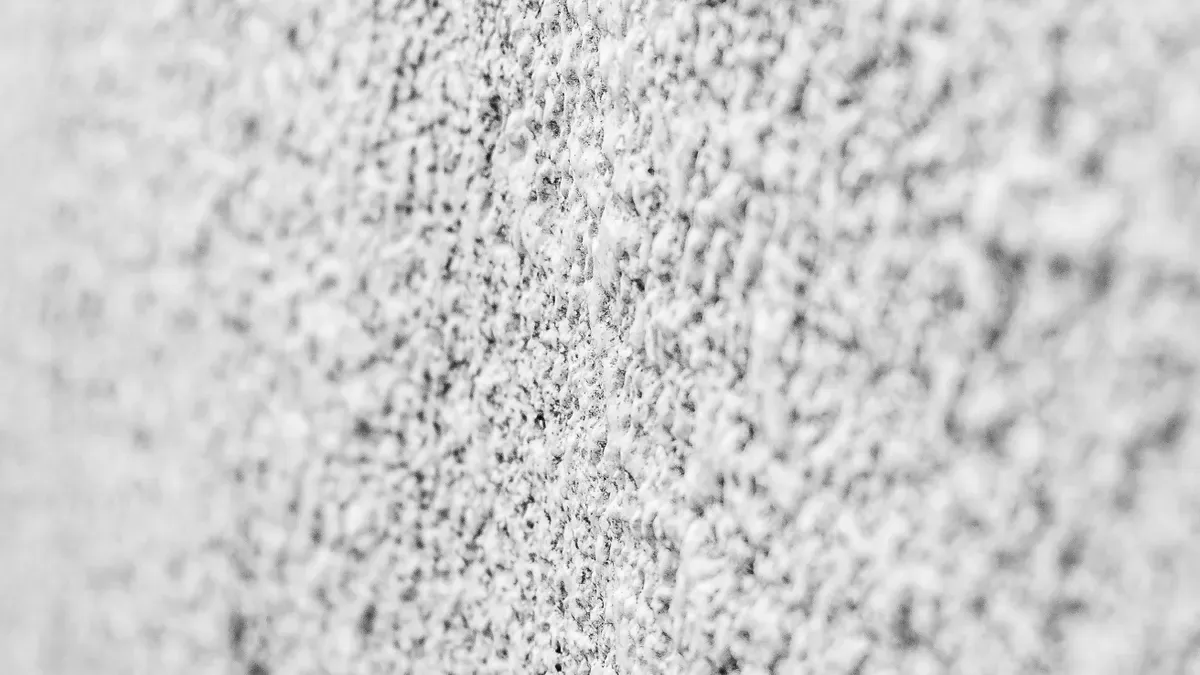
Textured wall coatings offer significant moisture resistance, making them ideal for humid environments. High humidity can lead to common issues like paint peeling and mold growth. However, textured coatings are engineered to combat these challenges. They feature weather-resistant formulations that withstand intense sunlight and frequent rainfall. This durability ensures that your walls remain intact and visually appealing over time.
Textured coatings can last between 10 to 20 years in high-humidity conditions, significantly outlasting traditional paint, which typically requires reapplication every 3 to 7 years.
Products like Liquid Granite and Opus provide UV stability, preventing fading and chalking.
By choosing moisture-resistant materials, you protect your investment and maintain a healthy living environment.
Aesthetic Appeal
In addition to their functional benefits, textured wall coatings enhance the aesthetic appeal of your space. They allow you to create stunning accent walls that draw attention and add character to any room. Here are some popular textured designs that can elevate your interior:
Wood Slats: These versatile elements add warmth and texture. They are moisture-resistant, making them suitable for various spaces, including residential and hospitality settings.
Slatted Panels: These create a clean, modern aesthetic. Their linear texture adds visual rhythm, complementing different interior styles. Biowood composite slats are particularly durable, resisting moisture, termites, and warping.
Incorporating textured coatings not only addresses the practical concerns of humidity but also allows you to express your unique style. With the right choices, you can achieve a beautiful and functional space that stands the test of time.
Materials for Humid Environments
When selecting materials for humid environments, you want to prioritize durability and moisture resistance. Here are some excellent options to consider:
Inorganic Primers
Inorganic primers, such as BANDě Primer, serve as a robust foundation for your textured wall coatings. These primers are designed to prevent issues like peeling and cracking, which often occur in humid conditions. They contain no harmful chemicals, making them safe for indoor use. Their excellent adhesion properties ensure that your textured wall coating adheres well, providing a long-lasting finish.
Vinyl and PVC Options
Vinyl and PVC wall coverings are popular choices for humid environments due to their impressive durability and moisture resistance. Here are some advantages of these materials:
Vinyl:
Particularly suitable for humid climates due to its moisture resistance.
Low-maintenance nature makes it a significant advantage.
PVC Panels:
Resistant to moisture and mold, ideal for bathrooms and kitchens.
Require low maintenance as no finishing is needed.
Compact yet strong, enhancing durability.
Vinyl wallpapers also outperform traditional wallpapers in humid environments. The table below highlights the differences:
Type of Wallpaper | Moisture Tolerance | Maintenance in Humid Environments |
|---|---|---|
Vinyl Wallpapers | Better | Easier |
Traditional Wallpapers | Lower | More Difficult |
These features make vinyl and PVC options excellent choices for creating accent walls that not only look great but also stand the test of time.
Microcement Solutions
Microcement is another innovative material that works well in humid environments. This versatile solution can be applied to various surfaces, including walls and floors. Microcement is highly resistant to moisture, making it an ideal choice for areas prone to humidity. Its seamless finish creates a modern aesthetic, and it can be customized in various colors and textures.
Using microcement allows you to achieve a sleek, contemporary look while ensuring that your walls remain protected against moisture damage. This material is perfect for creating unique designs, such as acoustic slat panels, which can enhance both the visual appeal and sound quality of your space.
By choosing the right materials, you can create stunning textured wall coatings that withstand the challenges of humid environments while adding character to your home.
Application Techniques
Surface Preparation
Proper surface preparation is crucial for achieving durability in humid conditions. Follow these steps to ensure your walls are ready for textured wall coating:
Assess moisture levels: Ensure the residual moisture content is below ten percent by mass.
Check surface pH: It should be below 10 for most polymer-modified systems.
Evaluate surface tensile strength: A minimum of 1.5 N/mm² is generally required.
Remove contaminants: Ensure the absence of laitance, curing compounds, form oils, or other bond-breaking contaminants.
Mechanical profiling: Use methods like diamond grinding, shot blasting, or acid etching to create an open pore structure for better adhesion.
A clean and well-prepared surface enhances adhesion and longevity. The table below summarizes key requirements for effective surface preparation:
Requirement | Description |
|---|---|
Cleanliness | All surfaces must be free from grease, oil, and contaminants. |
Moisture Content | Must be below 10%. |
pH Level | Should be below 10. |
Filling | Fill all cracks and holes with anti-crack mortar. |
Layering Techniques
Applying multiple layers of textured wall coatings improves moisture resistance and texture quality. Here are effective layering techniques:
Thin Layering Method: Apply ultra-thin layers instead of one thick coat. Allow each layer to dry before adding the next.
Press, Don’t Rub: After applying the final coat, gently press the surface to meld the layers without disrupting the finish.
These techniques create a robust barrier against moisture, enhancing both the visual appeal and functional attributes of your accent walls.
Maintenance Tips
To maintain the durability of your textured wall coatings, follow these tips:
Regularly inspect for signs of wear or damage.
Clean surfaces with mild soap and water to prevent mold growth.
Address any cracks or peeling immediately to prevent further damage.
By implementing these application techniques, you can ensure that your textured wall coating for humid-environment projects remains beautiful and functional for years to come.
Interior Design Trends
Artisan Finishes
Artisan finishes are gaining popularity in textured wall coatings. These finishes offer a unique, handcrafted look that adds character to your space. You can choose from various styles, including rustic, modern, and eclectic. Lime-based finishes stand out for their sustainability. They are VOC-free and breathable, aligning with green building principles. These finishes adapt well to different design aesthetics, such as minimalist and Mediterranean styles.
Eco-Friendly Solutions
Eco-friendly solutions are essential in today’s design landscape. You can opt for lime-based mineral paints like Portola Paints Roman Clay. This product features a soft, suede-like texture and offers outstanding antifungal properties. Its zero VOC status makes it ideal for humid conditions. Lime coatings not only regulate humidity but also provide passive cooling and long-term durability.
Benefits of Eco-Friendly Coatings:
Comparable durability to traditional options, lasting 15-20 years or more.
Reduced maintenance frequency leads to lower resource consumption.
Energy-efficient coatings can save significant energy, with potential savings of 10,000-15,000 kWh annually.
Customizable Designs
Customizable designs allow you to express your personal style. Textured wall coatings come in various colors and patterns, enabling you to create a unique look. You can mix and match textures to achieve the desired effect. This flexibility makes it easy to adapt your space to changing trends or personal preferences.
By embracing these interior design trends, you can create a beautiful and functional environment that thrives in humid conditions.
Selecting the right textured wall coatings for humid environments is crucial. Consider these key factors:
Mold and Mildew Resistance
Washability
Sheen Level
Breathability
These features help you create a beautiful and durable space. Embrace innovative solutions for your upcoming projects to combat humidity effectively.
FAQ
What are textured wall coatings?
Textured wall coatings are specialized finishes that enhance walls’ appearance while providing moisture resistance, making them ideal for humid environments.
How do I maintain textured wall coatings?
You can maintain textured wall coatings by regularly cleaning them with mild soap and water. Inspect for damage and address any issues promptly.
Can I apply textured coatings myself?
Yes, you can apply textured coatings yourself. Ensure proper surface preparation and follow the manufacturer’s instructions for the best results.
See Also
Selecting Optimal Moisture Barriers for Walls and Floors in 2025
In-Depth Comparison of Wall and Floor Moisture Barriers
BANDě: Expert Decorative Coating for Beautiful Walls in 2025
Kickstart Healthy Living with Inorganic Anion Wall Paint in 2025
Utilizing Inorganic Seven-Color Coating for Eco-Friendly Homes
